

Baking is a joy that fills your home with warmth and delicious smells. But did you know that even the simplest mistakes in handling food can spoil your treats and put your health at risk?
If you want your baked goods to be both tasty and safe, it’s important to follow some key tips for safe food handling. Keep reading to discover easy steps you can take to protect yourself and your loved ones while baking.
Your kitchen safety starts here!
Importance Of Food Safety In Baking
Baking is more than mixing ingredients and heating them. Food safety helps prevent sickness from bad germs.
Safe food handling protects everyone who eats what you bake. It keeps your kitchen clean and healthy.
Keep Ingredients Fresh And Clean
Using fresh ingredients lowers the risk of food poisoning. Check dates and smells before use.
Wash fruits, nuts, and other items that need cleaning. Clean ingredients help keep your baked goods safe.
Wash Hands And Surfaces Often
Clean hands stop germs from spreading to food. Wash with soap and warm water for at least 20 seconds.
Keep counters, bowls, and utensils clean. Wipe spills and crumbs to avoid bacteria growth.
Avoid Cross-contamination
Do not mix raw ingredients with cooked or ready-to-eat foods. Use separate tools for each type.
- Use different cutting boards for raw and cooked items
- Clean knives after cutting raw foods
- Store raw foods below baked goods in the fridge
Bake At The Right Temperature
Heat kills harmful germs in food. Always bake at the temperature given in your recipe.
Use an oven thermometer to check your oven’s heat. Do not open the oven door too often.
Store Baked Goods Properly
Cool baked items before storing. Warm food traps moisture and grows bacteria faster.
- Use airtight containers or wrap with plastic wrap
- Keep perishable items in the fridge
- Label with date to track freshness
Cleanliness In The Kitchen
Keeping the kitchen clean is important for safe food handling. It helps prevent germs from spreading.
Cleanliness lowers the risk of foodborne illnesses during baking. It protects you and your family.
Washing Hands Properly
Wash hands with warm water and soap before you start baking. This removes dirt and germs.
Rub your hands for at least 20 seconds. Don’t forget under nails and between fingers.
- Use clean, running water
- Apply enough soap to cover all hand surfaces
- Rinse hands well
- Dry with a clean towel or air dry
Sanitizing Surfaces And Equipment
Sanitize kitchen surfaces and tools before and after baking. This kills harmful bacteria.
Use a food-safe sanitizer or a mix of bleach and water. Wipe counters, cutting boards, and utensils.
- Clean surfaces with soap and water first
- Apply sanitizer and let it sit for a few minutes
- Rinse if needed and dry with a clean cloth
- Sanitize equipment like mixers and bowls regularly
Safe Ingredient Handling
Handling ingredients safely is very important during baking. It keeps food fresh and avoids sickness.
Learn how to store ingredients and check their expiry dates to stay safe in the kitchen.
Storing Ingredients Correctly
Store ingredients in cool, dry places to stop them from spoiling. Keep them in sealed containers.
Separate raw and cooked ingredients to avoid germs spreading. Clean storage areas often.
- Use airtight containers for flour and sugar
- Keep spices in dark, dry cupboards
- Store dairy products in the fridge at correct temperatures
- Keep raw eggs away from other foods
Checking Expiry Dates
Always check expiry dates before using ingredients. Expired items can cause food poisoning.
Throw away any ingredients past their expiry date. Do not use if they smell or look odd.
- Look for the “best before” or “use by” dates
- Check for changes in color, texture, or smell
- Keep a list of expiry dates for your baking ingredients
Avoiding Cross-contamination
Cross-contamination happens when harmful bacteria move from one food to another. This can cause foodborne illness. It is important to keep foods safe while baking.
Using clean tools and handling raw ingredients carefully helps stop germs from spreading. Follow these tips to keep your kitchen safe.
Using Separate Utensils
Use different utensils for raw and cooked foods. This stops bacteria from spreading to baked goods. For example, do not use the same spoon for raw eggs and cake batter.
Label or color-code your utensils to keep them separate. Wash all tools well with hot, soapy water after each use.
- Use one set of utensils for raw ingredients
- Use a different set for mixing and serving
- Clean all utensils after handling raw food
Properly Handling Raw Ingredients
Raw ingredients like eggs and flour can carry germs. Keep them away from ready-to-eat foods. Store raw items separately in the fridge or pantry.
Always wash your hands before and after touching raw ingredients. Avoid touching other kitchen tools or surfaces without washing your hands first.
- Store raw ingredients on lower shelves
- Wash hands with soap for 20 seconds
- Use clean bowls for raw and cooked items
Temperature Control
Keeping the right temperature is key when baking. It helps food cook safely and taste good.
Wrong temperatures can cause germs to grow. This can make food unsafe to eat.
Maintaining Proper Oven Temperature
Always preheat the oven before baking. This ensures the food cooks evenly.
Use an oven thermometer to check the real temperature. Oven dials may not be accurate.
- Set oven to the recipe temperature.
- Wait 10-15 minutes to preheat.
- Check temperature with a thermometer.
- Adjust settings if the oven is too hot or cold.
Cooling And Storing Baked Goods
Cool baked goods at room temperature before storing. This stops moisture buildup.
Store items in clean, dry containers. Keep them sealed to stay fresh and safe.
- Cool on a wire rack for air circulation.
- Do not cover hot food immediately.
- Use airtight containers or wrap with plastic wrap.
- Refrigerate items that need cold storage within two hours.
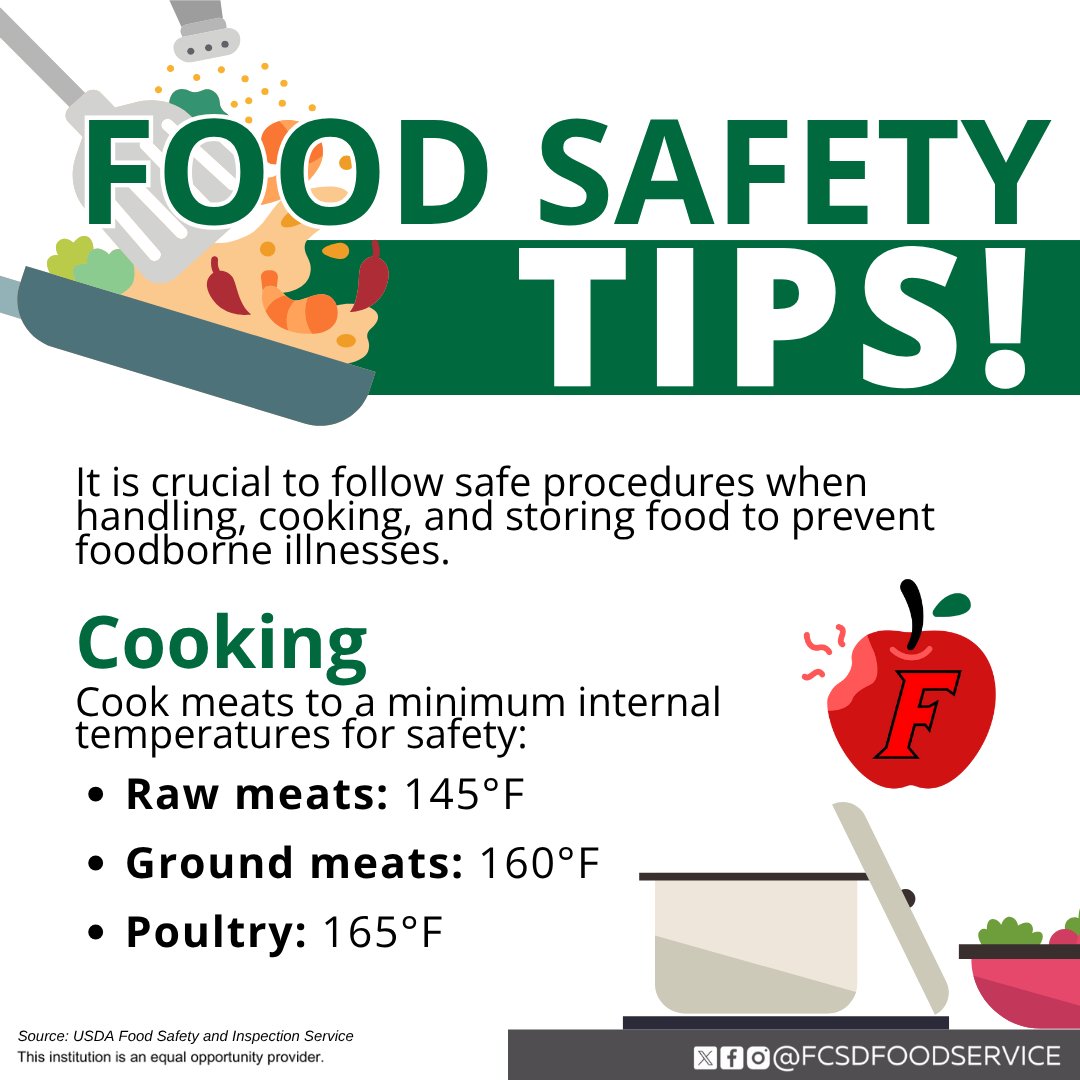
Credit: x.com
Handling Allergens Safely
Food allergies can cause serious health problems. Baking with allergens needs careful attention.
Safe allergen handling helps protect everyone who enjoys your baked goods.
Identifying Common Allergens
Knowing common allergens helps you avoid accidental exposure. Many people react to certain foods.
These allergens often appear in baking ingredients and mixes.
- Peanuts
- Tree nuts (like almonds, walnuts)
- Milk and dairy
- Eggs
- Wheat (gluten)
- Soy
- Fish and shellfish (less common in baking)
Preventing Allergen Cross-contact
Cross-contact happens when allergens touch safe food. This can cause allergic reactions.
Use these tips to stop cross-contact in your baking area.
- Clean all surfaces and tools before use
- Use separate utensils for allergen-free baking
- Store allergen ingredients apart from others
- Label ingredients and finished products clearly
- Wash hands thoroughly before handling food
- Inform others about allergen safety rules
Personal Hygiene Practices
Keeping clean is very important when baking food. Good hygiene helps stop germs from spreading.
Following simple habits protects you and others from getting sick.
Wearing Appropriate Clothing
Wear clean clothes before you start baking. Clothes should cover your body well.
Use aprons to keep flour and dough off your clothes. This stops dirt from reaching the food.
- Choose clothes that fit well and are easy to clean
- Wear an apron to protect your clothes
- Use closed shoes to protect your feet
- Change clothes if they get dirty or stained
Avoiding Jewelry And Loose Hair
Jewelry can fall into food or carry germs. It is best to remove rings, bracelets, and watches.
Tie back long hair or wear a hairnet. Loose hair can get into the food and cause contamination.
- Remove all jewelry before baking
- Tie hair back tightly or use a hairnet
- Keep beards covered if possible
- Check for loose strands before baking

Credit: www.freepik.com
Emergency Readiness In Baking
Keeping safe during baking is very important. Being ready for emergencies helps prevent injuries.
Knowing what to do if an accident happens can save time and reduce harm in the kitchen.
First Aid For Kitchen Accidents
Burns and cuts are common in baking. Quick first aid can stop pain and avoid infection.
Keep a first aid kit nearby with bandages, antiseptic, and burn cream. Clean wounds before covering.
- Cool burns with cold water for 10 minutes
- Cover cuts with a clean bandage
- Use antiseptic to clean wounds
- Seek medical help for deep injuries
- Do not apply ice directly to burns
Fire Safety Measures
Fires can start quickly while baking. Be ready to stop fires before they spread.
Keep a fire extinguisher in the kitchen. Know how to use it and check it often.
- Never leave ovens or stoves unattended
- Keep flammable items away from heat
- Turn off appliances when not in use
- Use a fire extinguisher for small fires
- Call emergency services if fire grows

Credit: www.youtube.com
Frequently Asked Questions
How Can I Prevent Cross-contamination While Baking?
Always wash hands, utensils, and surfaces before and after handling raw ingredients. Use separate cutting boards for raw and cooked items to avoid bacteria spread.
What Is The Safe Internal Temperature For Baked Goods?
Most baked goods should reach at least 190°F (88°C) internally. Use a food thermometer to ensure proper cooking and kill harmful bacteria.
How Should I Store Baked Goods Safely?
Cool baked goods completely before storing in airtight containers. Keep them in a cool, dry place or refrigerate to prevent mold and spoilage.
Why Is Handwashing Important During Baking?
Handwashing removes harmful bacteria and prevents contamination. Wash hands thoroughly before and after handling ingredients to ensure food safety.
Conclusion
Safe food handling keeps your baked goods tasty and healthy. Clean hands and surfaces stop germs from spreading. Use fresh ingredients and check baking times carefully. Store leftovers properly to avoid spoilage. Small steps make a big difference in safety.
Enjoy your baking with confidence and care. Stay mindful, and your treats will always be safe to eat.