
Are you confident that the food you prepare at home is safe for you and your loved ones? One small mistake in handling food can lead to harmful bacteria, causing illness and discomfort.
But don’t worry—keeping your kitchen safe doesn’t have to be complicated. With a few simple tips, you can protect your family and enjoy every meal without worry. Keep reading to discover easy and effective ways to handle food safely right in your own home.
Kitchen Cleanliness
Keeping your kitchen clean is important for safe food handling. Dirt and germs can cause food to spoil or make you sick.
Regular cleaning helps stop the spread of bacteria and keeps your kitchen safe for cooking.
Sanitizing Surfaces
Sanitizing kitchen surfaces kills harmful germs that cause food poisoning. Clean counters, cutting boards, and tables often.
Use a food-safe sanitizer or a mixture of water and bleach. Spray the surface and let it sit for a few minutes before wiping.
- Clean surfaces with soap and water first
- Apply sanitizer and let it sit for at least 1 minute
- Wipe surfaces with a clean cloth or paper towel
- Sanitize after preparing raw meat or eggs
Proper Dishwashing Techniques
Washing dishes correctly removes food particles and germs. Use hot water and soap to clean plates, pots, and utensils.
Rinse dishes well and let them air dry or use a clean towel. Avoid using dirty sponges that spread bacteria.
- Scrape off leftover food before washing
- Wash with hot water and dish soap
- Rinse completely to remove soap
- Dry with a clean towel or air dry
- Replace sponges often to prevent germs
Managing Kitchen Waste
Properly handling kitchen waste helps stop bad smells and pests. Throw away food scraps and garbage regularly.
Use covered bins and take out trash often. Clean your waste bins to avoid bacteria buildup and keep your kitchen fresh.
- Use a bin with a lid to keep pests out
- Empty trash daily or when full
- Clean bins with soap and water weekly
- Separate compostable food waste if possible
Personal Hygiene Practices
Keeping clean while handling food is very important. It helps stop germs from spreading.
Good personal hygiene protects you and your family from getting sick.
Handwashing Steps
Washing hands well removes dirt and germs. Do this before cooking or eating.
- Use clean, running water to wet your hands
- Apply soap and rub your hands together
- Scrub all parts of your hands and fingers for 20 seconds
- Rinse your hands under clean water
- Dry with a clean towel or air dry
Avoiding Cross-contamination
Cross-contamination happens when germs move from one food to another. This can make food unsafe.
Keep raw and cooked foods separate to stop germs from spreading.
- Use different cutting boards for meat and vegetables
- Wash knives and surfaces after handling raw food
- Store raw meat below other foods in the fridge
- Clean your hands after touching raw meat or eggs
Handling Raw Ingredients
Raw ingredients can have harmful germs. Handle them carefully to keep food safe.
Check raw food for freshness and keep it cold until you cook it.
- Keep raw meat, fish, and eggs in sealed containers
- Do not wash raw meat as it spreads germs
- Cook raw ingredients to the right temperature
- Throw away any raw food that looks or smells bad
Safe Food Storage
Storing food safely at home helps prevent sickness. Keep food fresh and avoid waste by following simple rules.
Good storage stops bacteria from growing. It protects your family’s health and keeps food tasty.
Refrigeration Guidelines
Keep your fridge temperature at or below 40°F (4°C). This slows bacteria growth in food.
Store raw meat on the bottom shelf. This stops juices from dripping onto other foods.
- Don’t overfill the fridge; air must circulate.
- Use airtight containers to keep food fresh.
- Keep dairy products in the coldest part.
Freezer Storage Tips
Freezers should be at 0°F (-18°C) or lower. This keeps food safe for a long time.
Wrap food tightly to avoid freezer burn. Label packages with the date before freezing.
- Freeze leftovers within two hours of cooking.
- Use freezer-safe bags or containers.
- Thaw food in the fridge, not on the counter.
Understanding Expiry Dates
Expiry dates show when food is best to eat. Check these dates before cooking or eating.
“Use by” means the last safe day to eat. “Best before” shows when food is best quality.
- Do not eat food past the “use by” date.
- Foods may still be safe after “best before” but check smell and look.
- Store food properly to keep it fresh until the expiry date.

Credit: www.lagunafirst.org
Cooking Temperatures
Cooking food to the right temperature kills harmful germs. It keeps you and your family safe.
Using correct cooking temperatures helps keep food tasty and healthy. Always check the heat.
Using A Food Thermometer
A food thermometer shows the exact temperature inside the food. It is the best way to check doneness.
Insert the thermometer into the thickest part of the food. Avoid touching bones or fat for an accurate reading.
- Clean the thermometer before and after use.
- Wait for the temperature to stabilize before reading.
- Use different thermometers for raw and cooked food to avoid cross-contamination.
Temperature Charts For Meat
Meat needs to reach certain temperatures to be safe. Different types of meat have different safe temps.
| Meat Type | Safe Internal Temperature |
|---|---|
| Chicken and Turkey (whole or ground) | 165°F (74°C) |
| Beef, Pork, Lamb (steaks, roasts, chops) | 145°F (63°C) with 3 minutes rest |
| Ground Beef, Pork, Lamb | 160°F (71°C) |
| Fish and Shellfish | 145°F (63°C) |
Avoiding Under-cooked Foods
Eating under-cooked food can cause food poisoning. Always cook food fully before eating.
Check food temperature with a thermometer. Do not rely on color or texture alone.
- Cook poultry to 165°F (74°C).
- Make sure ground meat reaches at least 160°F (71°C).
- Use a thermometer for casseroles and leftovers.
- Let meat rest after cooking to reach safe temperature inside.
Handling Leftovers
Leftovers can be a tasty and easy way to enjoy meals again. Handling them safely keeps you healthy.
Food left out too long can grow bacteria. Follow safe steps to store and eat leftovers.
Proper Cooling Techniques
Cool leftovers quickly to stop bacteria growth. Hot food should not stay warm for more than two hours.
Divide large portions into smaller containers. This helps the food cool faster in the fridge.
- Use shallow containers to spread the food
- Leave some space for air to circulate
- Place leftovers in the fridge within two hours
- Do not stack hot containers tightly
Safe Reheating Practices
Heat leftovers until they are steaming hot all the way through. This kills harmful bacteria.
Use a food thermometer if possible. Reheat food to at least 165°F (74°C) before eating.
- Stir food while reheating for even heat
- Microwave food covered to keep moisture
- Do not reheat food more than once
- Discard leftovers left out after reheating
Identifying Spoilage
Check leftovers before eating. Look for signs that food is no longer safe.
Trust your senses. Bad smell, color change, or slimy texture means throw it away.
- Off smell or sour odor
- Visible mold or unusual spots
- Change in color from normal
- Sticky or slimy texture

Credit: www.freepik.com
Maintaining Equipment
Keeping your kitchen equipment clean and safe is very important. Proper care helps stop germs and keeps food safe.
Good maintenance also makes your tools last longer and work better every time you cook.
Cleaning Cutting Boards
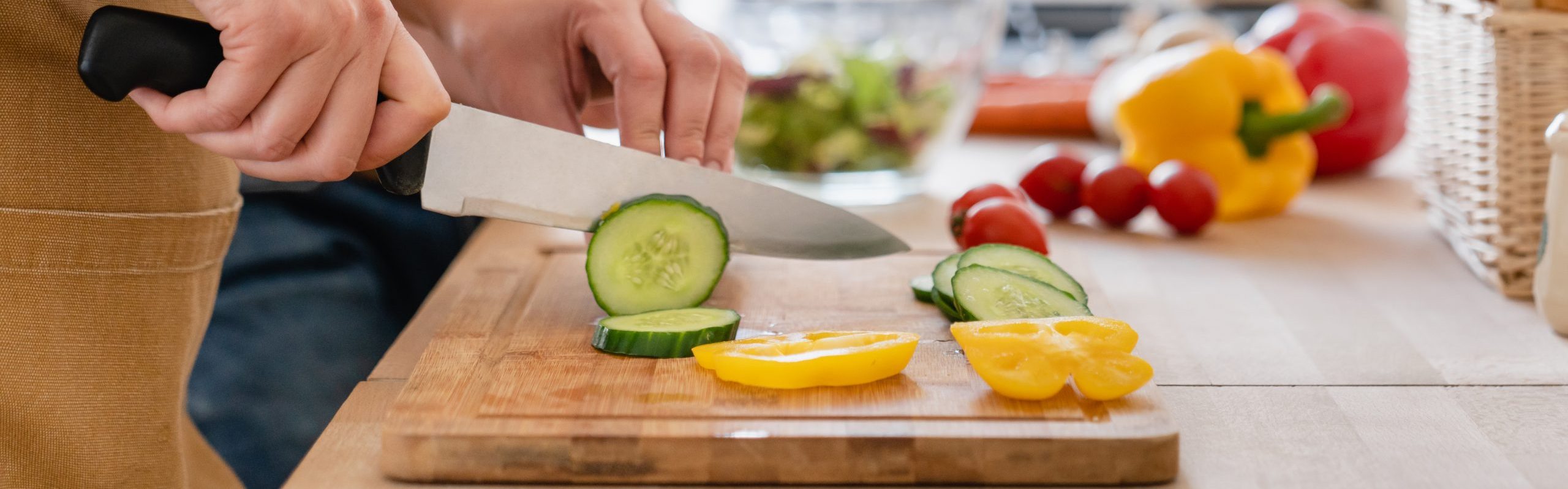
Cutting boards can hold bacteria if not cleaned well. Wash them after every use with hot, soapy water.
Use separate boards for raw meat and vegetables to avoid cross-contamination.
- Scrub boards with a brush and soap
- Rinse with hot water
- Dry completely before storing
- Use different boards for different foods
Sanitizing Utensils
Utensils can carry germs if not sanitized well. After washing, soak them in a mild bleach solution or use a dishwasher.
Sanitizing kills bacteria that regular washing might miss. This step is important, especially after handling raw foods.
- Wash utensils with warm, soapy water
- Soak in sanitizer for at least one minute
- Rinse with clean water
- Air dry on a clean surface
Safe Use Of Kitchen Gadgets
Kitchen gadgets like blenders and food processors need careful cleaning and use. Follow the maker’s instructions for safety.
Unplug devices before cleaning. Remove all food scraps to stop bacteria growth and keep gadgets working well.
- Clean all parts after each use
- Check for cracks or damage
- Dry parts completely before reassembly
- Store gadgets in a clean, dry place
Credit: www.vdh.virginia.gov
Frequently Asked Questions
How Can I Prevent Cross-contamination In My Kitchen?
Always use separate cutting boards for raw meat and vegetables. Wash hands and utensils thoroughly after handling raw foods. Store raw meat below ready-to-eat items in the fridge to avoid drips. These steps reduce harmful bacteria spread and keep food safe.
What Is The Safe Temperature For Cooking Meat?
Cook meat to an internal temperature of at least 165°F (74°C) for poultry. Beef, pork, and fish should reach 145°F (63°C) with a rest time. Use a food thermometer to ensure meat is cooked properly and safe to eat.
How Long Can Leftovers Be Safely Stored?
Store leftovers in airtight containers within two hours of cooking. Consume or freeze leftovers within 3 to 4 days to prevent bacterial growth. Always reheat leftovers to 165°F (74°C) before eating to ensure safety.
Why Is Handwashing Important In Food Handling?
Handwashing removes germs and bacteria that can contaminate food. Always wash hands with soap and water for at least 20 seconds before handling food. Clean hands prevent the spread of foodborne illnesses effectively.
Conclusion
Safe food handling protects your health and your family’s well-being. Clean hands and surfaces often. Cook food to the right temperature. Store leftovers quickly and correctly. Avoid cross-contamination by separating raw and cooked items. Simple steps make a big difference.
Keep these tips in mind every day. Enjoy meals without worry or risk. Stay safe, eat smart, and live healthy.