
Are you confident that the food you prepare and eat is truly safe? Every day, simple mistakes in handling food can lead to illness—something you want to avoid at all costs.
By learning a few easy tips for safe food handling, you can protect yourself and your loved ones from harmful bacteria and contamination. Keep reading, because these practical steps will help you make your kitchen a safer place, ensuring every meal is both delicious and worry-free.

Credit: www.youtube.com
Importance Of Food Safety
Food safety means handling food in ways that prevent illness. It is important for everyone who cooks or eats.
Safe food handling stops harmful germs from spreading. It helps keep people healthy and avoids food poisoning.
Preventing Foodborne Illnesses
Foodborne illnesses happen when food contains harmful bacteria or viruses. These can cause serious sickness.
Keeping food safe reduces the chance of these illnesses. Clean hands and surfaces help stop germs from spreading.
Protecting Vulnerable People
Some people are more likely to get sick from unsafe food. This includes young children, elderly, and those with weak immune systems.
Safe food handling helps protect these groups. It lowers the risk of serious health problems for them.
Maintaining Food Quality
Food safety helps keep food fresh and tasty. Proper storage and cooking keep food from spoiling too soon.
Good food quality also saves money. It reduces waste by making food last longer and remain safe to eat.
Following Legal Rules
Food businesses must follow safety laws. These rules protect customers and ensure safe food handling.
Following these laws helps avoid fines and legal trouble. It also builds trust with customers and workers.
Credit: www.cspi.org
Proper Hand Hygiene
Proper hand hygiene helps stop germs from spreading. It is very important when handling food.
Clean hands reduce the risk of foodborne illnesses. Everyone who handles food should wash hands well.
Effective Handwashing Techniques
Washing hands correctly removes dirt and germs. Use clean water and soap every time.
Rub your hands together for at least 20 seconds. Clean all parts of your hands carefully.
- Wet hands with clean water
- Apply enough soap to cover all hand surfaces
- Rub palms together
- Scrub the back of hands
- Clean between fingers
- Scrub under fingernails
- Rinse hands well under running water
- Dry hands with a clean towel or air dryer
When To Wash Hands
Wash hands before and after handling food. Also wash hands when they get dirty.
- Before preparing or eating food
- After using the bathroom
- After touching raw meat, fish, or eggs
- After handling garbage
- After coughing or sneezing
- After touching pets or animals
- After handling money
Safe Food Storage
Storing food safely helps keep it fresh and prevents sickness. Proper storage stops germs from growing on food.
Knowing how to store food correctly saves money and reduces waste. Follow simple tips to keep food safe at home.
Optimal Refrigerator Settings
Set your fridge temperature to 40°F (4°C) or below. This slows down bacteria growth on food.
The freezer should be at 0°F (-18°C) to keep food frozen and safe for longer times.
- Check fridge temperature with a thermometer
- Adjust settings if temperature is too warm
- Keep fridge door closed to maintain cold air
Organizing Food In The Fridge
Place raw meat on the bottom shelf to avoid drips on other foods. Use sealed containers to prevent cross-contamination.
Keep fruits and vegetables in separate drawers. Store leftovers in clear containers so you can see them easily.
- Top shelves: Ready-to-eat foods like dairy and drinks
- Middle shelves: Cooked leftovers and prepared meals
- Bottom shelves: Raw meat, poultry, and fish
- Drawers: Fruits and vegetables
Shelf Life Of Common Foods
Knowing how long food lasts helps avoid eating spoiled items. Use or freeze food before it goes bad.
| Food Item | Refrigerator Shelf Life | Freezer Shelf Life |
|---|---|---|
| Raw poultry | 1-2 days | 9-12 months |
| Raw beef | 3-5 days | 4-12 months |
| Cooked leftovers | 3-4 days | 2-6 months |
| Milk | 5-7 days | Not recommended |
| Fresh fruits | 3-7 days | 6-12 months (some fruits) |
| Fresh vegetables | 1-7 days | 8-12 months (some vegetables) |
Credit: x.com
Preventing Cross-contamination
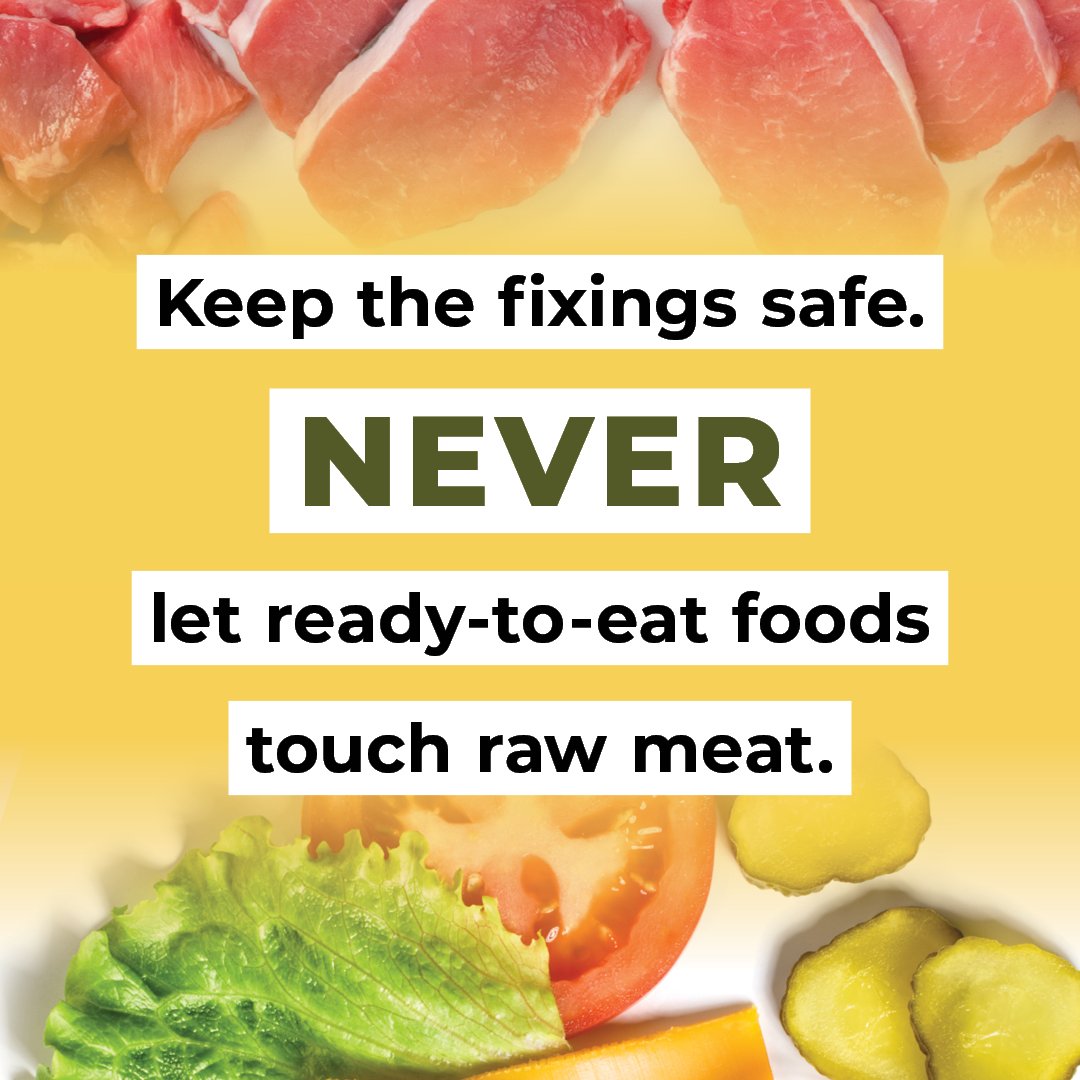
Cross-contamination happens when harmful bacteria spread from one food to another. This can cause food poisoning and sickness.
To keep food safe, follow simple steps to stop germs from moving between foods. Cleanliness and separation are key.
Using Separate Cutting Boards
Use different cutting boards for raw meat, vegetables, and cooked food. This stops germs from spreading.
Plastic boards are easier to clean and sanitize. Wooden boards can hold bacteria if not cleaned well.
- Red board for raw meat
- Green board for vegetables
- Blue board for cooked food
- Keep boards dry and clean after use
Proper Cleaning Of Utensils
Wash knives, spoons, and forks right after use. Use hot water and soap to remove germs.
Sanitize utensils by soaking them in a bleach solution or using a dishwasher if possible. Dry them well.
- Wash with hot, soapy water
- Rinse thoroughly
- Sanitize with a safe solution
- Air dry before storing
Cooking Temperature Guidelines
Cooking food to the right temperature keeps it safe to eat. It kills harmful germs that can cause illness.
Using a food thermometer helps check if food reaches a safe temperature inside. This ensures it is fully cooked.
Safe Internal Temperatures
Different foods need different temperatures to be safe. Meat, poultry, fish, and eggs all have their own safe cooking temperatures.
| Food Type | Safe Internal Temperature |
|---|---|
| Beef, pork, lamb (steaks, roasts) | 145°F (63°C) and rest 3 minutes |
| Ground meats (beef, pork, lamb) | 160°F (71°C) |
| Chicken and turkey (whole, parts) | 165°F (74°C) |
| Fish and shellfish | 145°F (63°C) |
| Egg dishes | 160°F (71°C) |
Using A Food Thermometer
Insert the thermometer into the thickest part of the food. Avoid touching bone, fat, or gristle for accurate reading.
Clean the thermometer before and after each use. This stops germs from spreading between foods.
- Check temperature near the end of cooking time
- Wait until the reading is steady before recording
- Use a digital or instant-read thermometer for quick results
Handling Leftovers Safely
Leftovers can be tasty and save time. Safe handling keeps food fresh and healthy.
Follow simple steps to cool, store, and reheat leftovers properly. This stops germs from growing.
Cooling And Storing Leftovers
Cool leftovers quickly to avoid bacteria growth. Store them in small, shallow containers.
Keep leftovers in the fridge within two hours after cooking. Use airtight containers to keep food fresh.
- Divide food into small portions for fast cooling
- Use clean, airtight containers or wrap tightly with plastic wrap
- Store leftovers in the fridge at 40°F (4°C) or below
- Label containers with date to track freshness
- Use leftovers within 3 to 4 days for safety
Reheating Guidelines
Reheat leftovers to kill germs. Food should reach 165°F (74°C) inside before eating.
Stir food while reheating to heat evenly. Use a food thermometer to check temperature.
- Reheat only the portion you will eat
- Use microwave, oven, or stove for reheating
- Do not reheat food more than once
- Let food steam hot all the way through
- If unsure, throw leftovers away to stay safe
Safe Food Preparation Practices
Preparing food safely helps prevent sickness. Clean and handle food carefully to keep it fresh.
Follow simple rules to protect your health and the health of others around you.
Washing Fruits And Vegetables
Wash fruits and vegetables under running water before eating or cooking. This removes dirt and germs.
Do not use soap or bleach on produce. Use a clean brush for hard-skinned items like potatoes.
- Rinse fruits and vegetables with cool water
- Use a brush for firm produce
- Dry with a clean cloth or paper towel
- Wash hands before and after handling produce
Avoiding Raw Food Risks
Raw foods like eggs, meat, and seafood can carry harmful bacteria. Cook them well to kill germs.
Keep raw foods separate from ready-to-eat foods to stop cross-contamination.
- Use separate cutting boards for raw meat and vegetables
- Cook meat and seafood to the right temperature
- Do not eat raw eggs or meat
- Store raw food below cooked food in the fridge
Dealing With Food Allergens
Food allergens can cause serious health problems. Safe food handling helps protect people with allergies.
Understanding allergens and how to avoid them is important in any kitchen or food service.
Identifying Common Allergens
Many foods can cause allergic reactions. Knowing the common allergens helps keep food safe.
- Milk and dairy products
- Eggs
- Peanuts
- Tree nuts like almonds and walnuts
- Fish and shellfish
- Wheat and gluten
- Soy
- Sulfites (used in some processed foods)
Always check ingredient labels to spot these allergens in foods.
Avoiding Cross-contact With Allergens
Cross-contact happens when allergens touch safe foods. It can cause allergic reactions.
Take steps to keep allergens separate and clean all tools and surfaces well.
- Use separate cutting boards and utensils for allergens
- Wash hands before handling different foods
- Clean surfaces and equipment after preparing allergen foods
- Store allergen foods away from other items
- Label foods clearly to avoid mix-ups
Frequently Asked Questions
What Are The Basic Steps For Safe Food Handling?
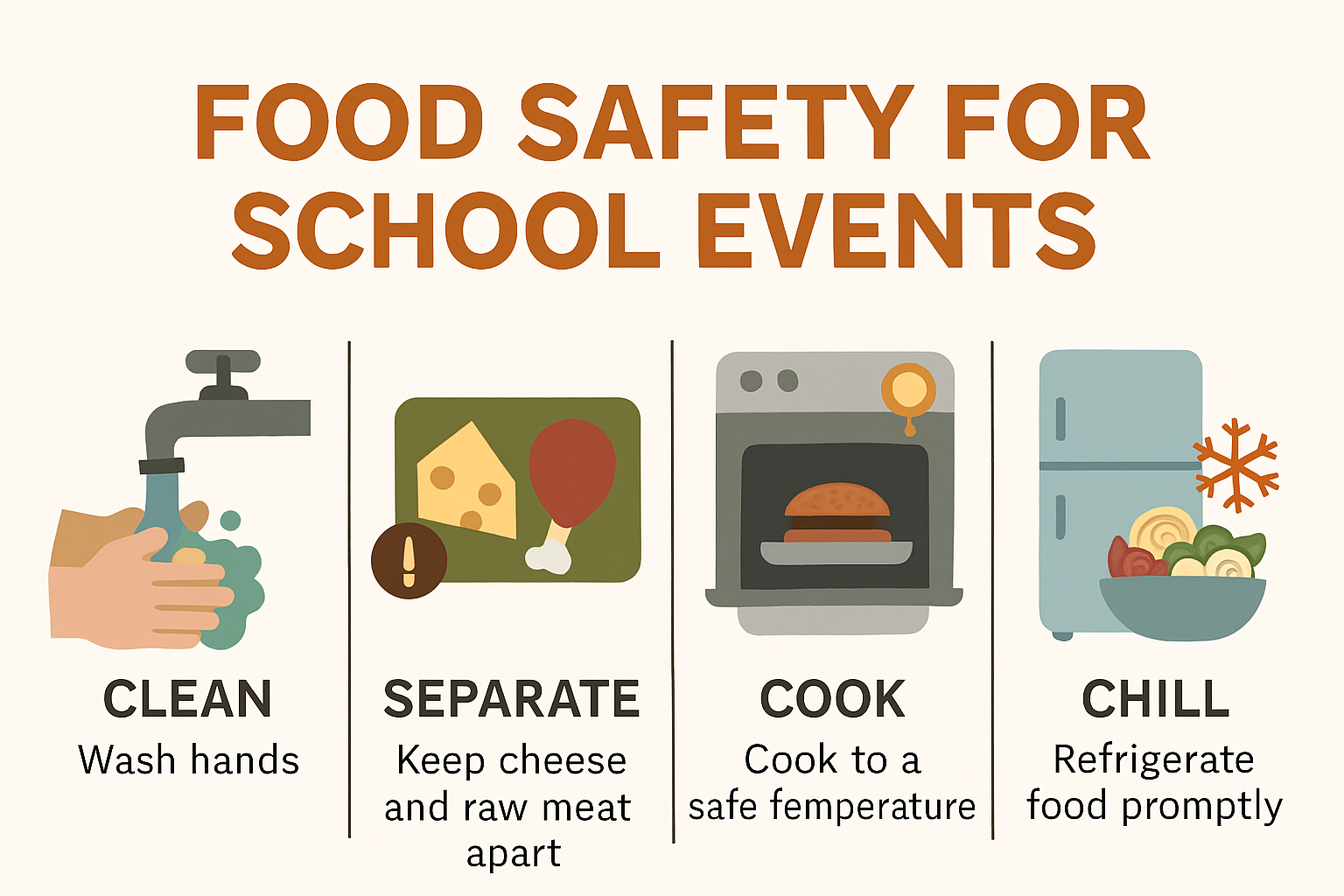
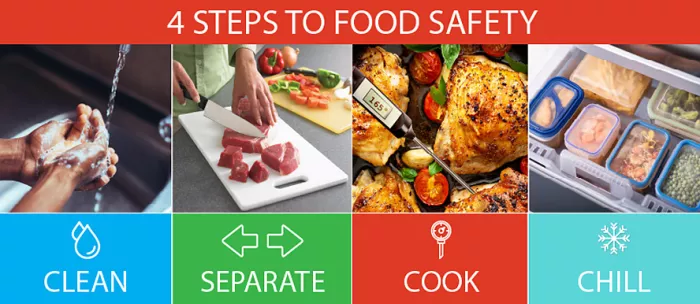
Safe food handling starts with washing hands and surfaces often. Keep raw and cooked foods separate. Cook foods to the right temperature. Refrigerate perishable items promptly to prevent bacteria growth.
How Can I Prevent Cross-contamination In The Kitchen?
Use separate cutting boards for raw meat and vegetables. Always wash utensils and hands after handling raw foods. Store raw foods below cooked foods in the fridge to avoid drips.
What Temperature Should I Cook Meat For Safety?
Cook meat to recommended internal temperatures: 165°F (74°C) for poultry, 160°F (71°C) for ground meats, and 145°F (63°C) for whole cuts. Use a food thermometer to ensure safe cooking.
How Long Can Leftovers Be Stored Safely?
Store leftovers in airtight containers within two hours of cooking. Consume refrigerated leftovers within 3-4 days. Freeze leftovers if you want to keep them longer than four days.
Conclusion
Safe food handling protects your health every day. Clean hands and surfaces prevent germs. Cook food fully to kill harmful bacteria. Store leftovers quickly and keep them cold. Avoid cross-contamination by using separate utensils. These small steps make a big difference.
Stay careful in the kitchen to enjoy meals safely. Keep these tips in mind for healthy eating habits. Your body will thank you for it. Safe food handling is simple and important.