
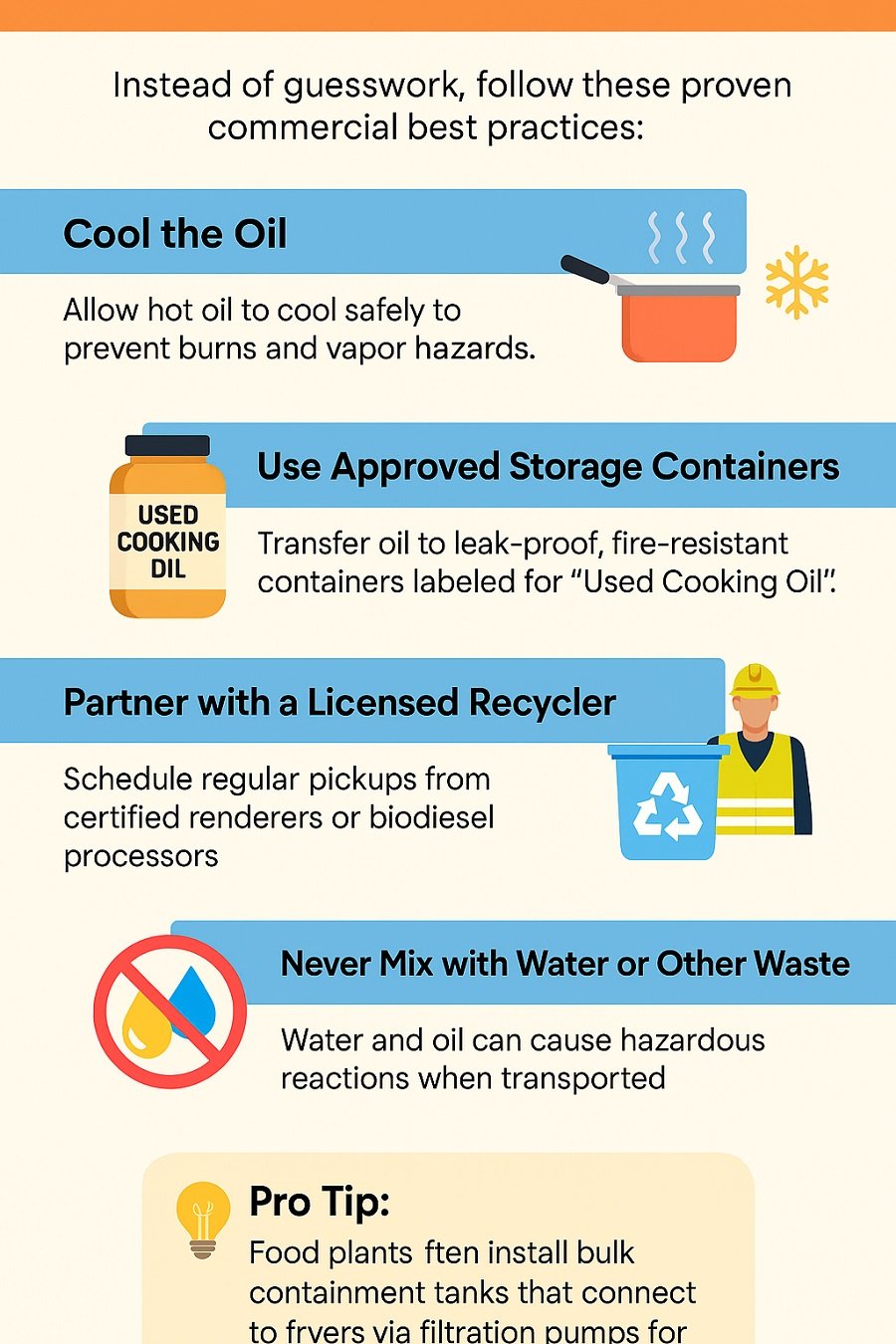
Are you tired of struggling with leftover food and unsure how to throw it away safely? Handling food waste the right way is easier than you think, and it can make a big difference for your home and the environment.
You’ll discover simple, practical tips to dispose of your food waste safely. By following these easy steps, you’ll protect your kitchen from bad smells, keep pests away, and help reduce pollution. Keep reading to learn how you can turn your food waste into a problem-free part of your daily routine.
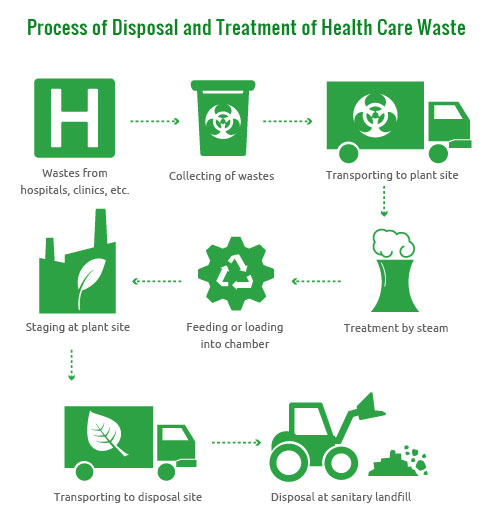
Credit: medium.com
Importance Of Proper Food Waste Disposal
Food waste is a big problem for our planet. Throwing it away carelessly can harm the environment.
Proper disposal helps reduce pollution and saves resources. It also keeps our communities clean.
Protecting The Environment
Food waste in landfills creates harmful gases. These gases cause air pollution and climate change.
Proper disposal methods like composting reduce these gases. They help keep the air clean and safe.
Reducing Health Risks
Food waste can attract pests and spread diseases. Improper disposal increases health risks in neighborhoods.
Safe disposal stops pests from growing. It protects people from harmful bacteria and germs.
Saving Resources And Energy
Throwing food waste away wastes water, energy, and labor used to grow food. This impacts the planet.
Proper disposal like composting turns waste into useful soil. This saves resources and supports new plants.
Supporting Community Cleanliness
Food waste left in public spaces causes bad smells and litter. This makes communities less pleasant.
Proper disposal keeps streets and parks clean. It improves the quality of life for everyone.
Composting At Home
Composting is a simple way to dispose of food waste safely. It turns scraps into rich soil for plants.
You can compost in your backyard or use a small bin indoors. This reduces trash and helps the environment.
Benefits Of Composting
Composting lowers the amount of waste sent to landfills. It also reduces harmful gases like methane.
It creates natural fertilizer that improves soil and helps plants grow healthy. Compost saves money on buying soil products.
- Reduces landfill waste
- Decreases greenhouse gases
- Improves soil quality
- Saves money on fertilizers
Composting Methods
You can compost using different methods. Choose one that fits your space and needs.
Outdoor compost piles are easy if you have a yard. Indoor compost bins work well for small spaces.
- Outdoor compost pile: mix food scraps with yard waste
- Compost bin: keeps waste contained and neat
- Worm composting (vermicomposting): uses worms to break down food
What To Compost And What To Avoid
Not all food waste is good for composting. Some items can cause bad smells or pests.
Use fruit and vegetable scraps, coffee grounds, and eggshells. Avoid meat, dairy, and oily foods.
- Good: vegetable peels, fruit scraps, coffee grounds, eggshells, dry leaves
- Avoid: meat, fish, dairy, oils, pet waste, cooked foods
Using Food Waste Disposers
Food waste disposers help reduce the amount of waste sent to landfills. They grind food scraps into small pieces that wash away with water.
Using disposers keeps your kitchen cleaner and lowers bad smells from garbage bins. It also helps the environment by cutting down on waste.
Types Of Food Waste Disposers
There are mainly two types of food waste disposers: continuous feed and batch feed. Each type works in a different way.
Continuous feed disposers run as you add food scraps. Batch feed disposers work only when the cover is in place.
- Continuous feed:Easy to use, runs while adding scraps
- Batch feed:Safer, runs only with a cover
Installation Tips
Install the disposer under your kitchen sink near the drain. Make sure the power is off before starting.
Check if your sink has enough space and the plumbing fits the disposer unit. Follow the manufacturer’s instructions carefully.
- Turn off power to avoid accidents
- Measure space under sink before buying
- Use plumber’s putty to seal the sink flange
- Connect to the dishwasher if needed
- Test the disposer after installation
Maintenance For Longevity
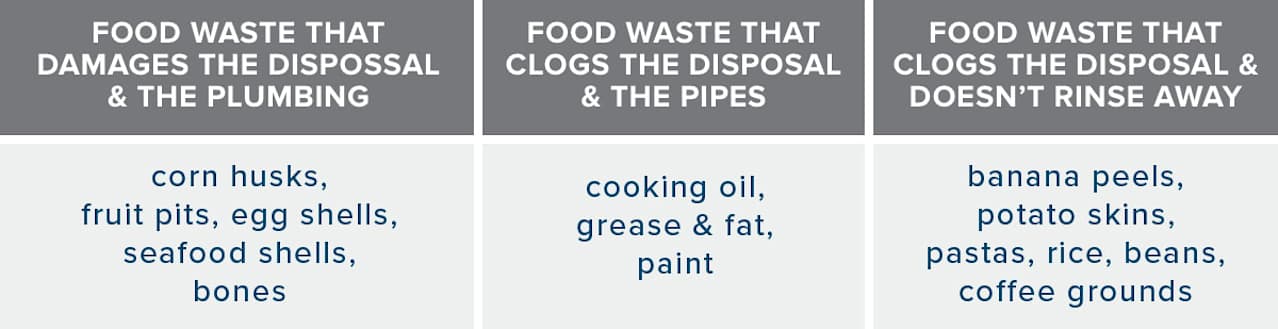
Keep your disposer clean and running well with regular care. Avoid putting hard or fibrous materials inside it.
Run cold water while using the disposer. This helps wash food scraps down and keeps the motor cool.
- Use cold water during disposal
- Do not put bones, grease, or coffee grounds in
- Clean with baking soda and vinegar monthly
- Run the disposer regularly to prevent rust
- Check for leaks and loose parts often

Credit: berkeleyca.gov
Community Food Waste Programs
Food waste harms the environment and wastes resources. Community programs help reduce food waste safely.
Many neighborhoods have projects that turn food scraps into compost. These programs support clean and green living.
Participating In Local Initiatives
Local groups often run food waste collection and composting projects. Joining these helps keep waste out of landfills.
You can find events or drop-off points in your area. Volunteers and residents work together to manage food scraps safely.
- Check community boards for food waste programs
- Volunteer to help with collection or education
- Use provided bins to separate food waste
- Attend workshops to learn about food waste reduction
Finding Community Composting Centers
Community composting centers turn food waste into useful soil. These centers accept food scraps from residents.
Finding a nearby center is easy. Many towns share lists online or at local offices.
- Visit your town’s website for compost center locations
- Ask local environmental groups about composting options
- Look for signs or maps at parks and community gardens
- Drop off your food waste in designated bins
Innovative Food Waste Reduction
Food waste causes harm to the environment and wastes resources. Finding new ways to reduce food waste helps save money and protect nature.
Many people use technology and creative ideas to manage food waste safely. These methods make disposal easier and more useful.
Technology For Food Waste Management
Technology helps track and reduce food waste at homes and businesses. Apps and smart devices show how much food is wasted.
Composting machines and waste digesters break down food scraps quickly. They turn waste into useful products like fertilizer or energy.
- Smart bins monitor food waste levels
- Apps suggest recipes to use leftovers
- Composting machines speed up decay
- Anaerobic digesters create biogas from waste
Creative Recycling Ideas
Food scraps can be reused in many creative ways. Recycling food waste reduces trash and helps gardens or animals.
People turn fruit peels and vegetable scraps into natural cleaners or homemade plant food. Leftover bread can feed birds or make breadcrumbs.
- Make compost for garden plants
- Create natural fertilizers from scraps
- Use leftovers to feed pets or wildlife
- Prepare homemade cleaners from citrus peels
Safe Disposal Of Hazardous Food Waste
Hazardous food waste can harm people and the environment. It needs careful handling and disposal.
Knowing how to identify and dispose of this waste keeps homes and communities safe.
Identifying Hazardous Waste
Hazardous food waste includes spoiled or contaminated items that can cause illness.
It also covers food waste mixed with chemicals or sharp objects.
- Spoiled meat, dairy, or seafood
- Food with mold or strange smells
- Food mixed with cleaning chemicals
- Containers with sharp edges or broken glass
- Food waste with pesticides or toxins
Safe Disposal Practices
Use sealed bags or containers to store hazardous food waste. This stops leaks and pests.
Do not throw hazardous food waste in regular trash or compost bins. Follow local disposal rules.
- Wear gloves when handling hazardous food waste
- Label waste containers clearly
- Take hazardous waste to special disposal sites
- Keep waste away from children and pets
- Clean and disinfect containers after use
Tips For Reducing Food Waste At Home
Food waste is a big problem that affects our planet and wallets. We can all help by wasting less food at home.
Here are some simple tips to plan meals and store food better. These tips help keep food fresh longer and reduce waste.
Planning Meals Effectively
Plan your meals before shopping. This helps you buy only what you need. Check your fridge and pantry first.
Make a shopping list with the exact amounts. Stick to your list to avoid buying extra food.
- Use leftovers for new meals
- Cook only what you can eat
- Freeze extra portions for later
- Buy fresh food in smaller amounts
Proper Storage Techniques
Store food correctly to keep it fresh longer. Use airtight containers and keep fruits and vegetables separate.
Keep your fridge clean and set at the right temperature. Use clear containers so you see what you have.
- Keep bread in a cool, dry place
- Wrap leafy greens in paper towels
- Store dairy products in the coldest part of fridge
- Use first-in, first-out method to use old food first
Credit: www.fergusonhome.com
Frequently Asked Questions
What Are The Best Methods For Disposing Of Food Waste Safely?
Composting is the safest method to dispose of food waste. It reduces landfill waste and produces nutrient-rich soil. Alternatively, use municipal food waste bins or anaerobic digestion facilities where available.
How Can I Reduce Food Waste Before Disposal?
Plan meals ahead, store food properly, and use leftovers creatively. These steps minimize waste generation, making disposal easier and more eco-friendly.
Why Is Safe Food Waste Disposal Important?
Safe disposal prevents harmful greenhouse gas emissions and reduces pests. It also protects water quality and promotes sustainable waste management practices.
Can Food Waste Be Recycled Or Reused?
Yes, food waste can be recycled through composting or converted into biogas. Reusing scraps in cooking also reduces overall waste and saves resources.
Conclusion
Safe disposal of food waste helps protect the environment. It reduces bad smells and pests around your home. Composting turns scraps into useful soil for plants. Using bins with lids keeps waste contained and clean. Remember to separate food waste from regular trash.
Small actions make a big difference over time. Start today for a cleaner, healthier community tomorrow. Simple steps lead to better habits and less waste. Everyone can contribute to a greener planet easily.