
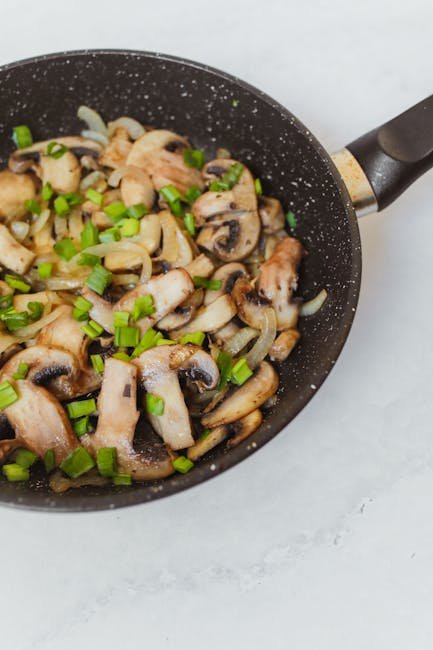
Roasting vegetables in your bakeware can transform simple ingredients into delicious, crispy treats. But getting that perfect roast isn’t always easy.
You might have faced soggy edges, uneven cooking, or stuck-on messes. What if you could avoid these common problems and make your veggies taste better every time? You’ll discover easy tips that will help you master roasting vegetables with your bakeware.
Keep reading, and you’ll soon enjoy perfectly roasted veggies that are full of flavor and just the right texture.
Choosing The Right Bakeware
Roasting vegetables needs the right bakeware. The right pan helps cook vegetables evenly and get a nice texture.
Picking the best bakeware depends on its material, size, and shape. These factors affect heat and cooking time.
Materials For Optimal Heat Distribution
Different materials spread heat in different ways. Good heat spread helps vegetables cook evenly.
Metal pans like aluminum and stainless steel heat up fast. Ceramic and glass take longer but keep heat steady.
- Aluminum: heats quickly, lightweight, great for even roasting
- Stainless steel: durable, good heat conduction, resists warping
- Ceramic: heats evenly, keeps heat longer, good for slow roasting
- Glass: clear, holds heat well, easy to clean but heats slowly
Size And Shape Considerations
Choose a pan size that fits your vegetable amount. Overcrowding can cause steaming, not roasting.
Shallow pans spread vegetables out. This helps them roast evenly and get crispy edges.
- Large pans work for big batches of vegetables
- Smaller pans are good for less food and faster cooking
- Shallow pans allow better air flow around vegetables
- Deep pans hold juices but may reduce crispiness

Credit: midwestniceblog.com
Preparing Vegetables For Roasting
Roasting vegetables brings out their natural flavors. Proper preparation helps them cook evenly and taste better.
Taking time to wash, dry, and cut vegetables right improves your roasting results.
Washing And Drying Techniques
Wash vegetables well to remove dirt and pesticides. Use cool water and gently rub the surfaces.
Dry vegetables thoroughly before roasting. Moisture can make them steam instead of crisp.
- Rinse vegetables under running water
- Use a vegetable brush for firm skins
- Pat dry with a clean kitchen towel or paper towels
- Use a salad spinner for leafy greens
Uniform Cutting For Even Cooking
Cut vegetables into similar sizes. This helps them cook at the same speed.
Small pieces cook faster and get crispier. Larger pieces take longer and may stay soft inside.
- Cut carrots and potatoes into 1 to 1.5 inch chunks
- Slice bell peppers and onions into strips of the same width
- Keep delicate vegetables like zucchini in thicker slices to avoid mushiness
- Try to make all pieces roughly the same size
Seasoning For Enhanced Flavor
Roasting vegetables in bakeware brings out their natural taste. Adding the right seasonings makes them even better.
Simple spices and herbs can turn plain veggies into a tasty side dish. Let’s explore how to season well.
Essential Spices And Herbs
Spices and herbs add layers of flavor to roasted vegetables. Use them to create warm, earthy, or fresh tastes.
Common options include dried and fresh herbs. Each brings a unique aroma and flavor to your dish.
- Rosemary: Adds pine-like, woodsy notes
- Thyme: Provides subtle lemon and mint hints
- Oregano: Offers a slightly bitter, peppery taste
- Garlic powder: Gives a savory and mild pungency
- Smoked paprika: Adds smoky, sweet pepper flavor
- Black pepper: Brings mild heat and sharpness
- Cumin: Lends warm, earthy, and nutty tones
Marinating Tips For Depth
Marinating vegetables before roasting adds rich flavor inside. It helps spices soak in and soften the veggies.
Use oil and acid with herbs and spices to create a simple marinade. Let vegetables rest in it for at least 30 minutes.
- Use olive oil or avocado oil as a base
- Add lemon juice or vinegar for brightness
- Mix in minced garlic or garlic powder
- Include fresh or dried herbs like thyme or oregano
- Season with salt and pepper to taste
- Stir well and coat vegetables evenly
- Cover and refrigerate during marinating
Temperature And Timing
Roasting vegetables in bakeware brings out their natural flavors. Getting the temperature and timing right helps them cook evenly.
Too high heat burns vegetables, while too low makes them soggy. Timing depends on the vegetable type and size.
Ideal Roasting Temperatures
Most vegetables roast best at temperatures between 375°F and 425°F. This range lets them brown nicely without drying out.
Lower temperatures cook vegetables slowly and keep moisture inside. Higher temperatures create crispy edges and caramelization.
- 375°F is good for delicate veggies like zucchini and asparagus
- 400°F works well for root vegetables like carrots and potatoes
- 425°F is best for firm vegetables like Brussels sprouts and cauliflower
Adjusting Time For Different Vegetables
Different vegetables need different roasting times. Size and water content affect how fast they cook.
Cut vegetables into similar sizes for even cooking. Smaller pieces roast faster than large chunks.
| Vegetable | Roasting Time (minutes) | Notes |
|---|---|---|
| Asparagus | 10-15 | Thin stalks roast quickly |
| Carrots | 25-30 | Cut into sticks or rounds |
| Potatoes | 30-40 | Small cubes cook faster |
| Brussels Sprouts | 20-25 | Halve for even cooking |
| Cauliflower | 25-30 | Florets roast well |
Arranging Vegetables In Bakeware
How you place vegetables in bakeware affects how well they roast. Proper arrangement helps vegetables cook evenly and get crispy.
Good arrangement also prevents steaming, which can make vegetables soggy. Use space and layering wisely for best results.
Spacing For Proper Air Circulation
Leave some space between vegetables in the bakeware. This allows hot air to flow around each piece for even cooking.
If vegetables are too close, they release moisture and steam instead of roasting. This makes them soft, not crispy.
- Use a large enough pan to spread vegetables in one layer
- Keep at least 1 inch of space between pieces
- Do not overcrowd the pan
- Use multiple pans if needed
Layering Techniques For Mixed Vegetables
Different vegetables cook at different speeds. Layering helps you manage this when roasting mixed vegetables.
Place vegetables that take longer to cook at the bottom. Add quicker-cooking vegetables on top or around the edges.
- Hard vegetables like carrots and potatoes go on the bottom
- Softer vegetables like zucchini and peppers go on top
- Cut vegetables into similar sizes for even cooking
- Toss vegetables halfway through cooking for uniform roasting

Credit: food52.com
Monitoring During Roasting
Watching your vegetables while roasting helps you get the best results.
Knowing when to check them can make a big difference in taste and texture.
Visual And Aromatic Cues
Look for changes in color and smell to know how your vegetables are doing.
- Vegetables turn golden brown when roasting well.
- A crispy edge means they are close to done.
- A sweet, roasted smell shows they are caramelizing.
- Burnt or bitter smells mean they are overcooked.
When To Stir Or Flip
Stirring or flipping vegetables helps them cook evenly.
| Time into Roasting | Action |
| 10-15 minutes | Stir or flip vegetables gently |
| Halfway through total time | Check for even browning and turn |
| Last 5 minutes | Decide if more stirring is needed |
Finishing Touches
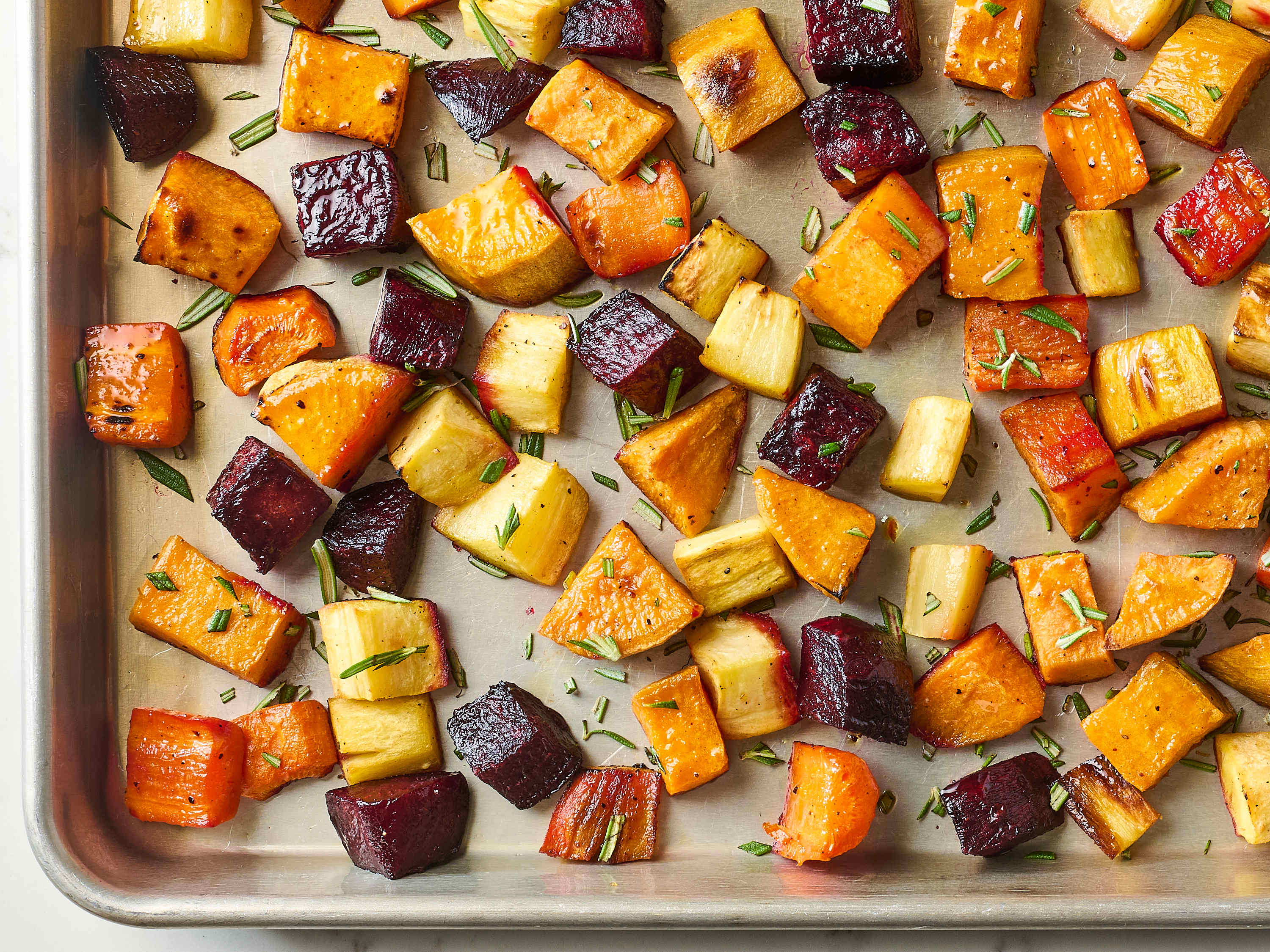
Roasting vegetables in bakeware brings out their natural sweetness. Adding simple finishing touches makes them taste even better.
Use fresh herbs or a drizzle of oil to enhance flavors and make your dish look appealing.
Adding Fresh Herbs Or Garnishes
Fresh herbs add bright colors and fresh flavors to roasted vegetables. Sprinkle chopped parsley, cilantro, or basil after cooking.
You can also add garnishes like lemon zest or toasted nuts. These add texture and a burst of taste.
- Chopped parsley for a fresh, mild flavor
- Basil leaves for a sweet, aromatic touch
- Cilantro for a bright, citrusy note
- Lemon zest to add a tangy aroma
- Toasted nuts for crunch and richness
Drizzling With Oils Or Balsamic
Drizzling oils or balsamic vinegar adds moisture and flavor to your vegetables. Use a good-quality extra virgin olive oil for the best taste.
Balsamic vinegar adds a sweet and tangy note that complements roasted vegetables well. Add it just before serving.
- Extra virgin olive oil for a rich, fruity flavor
- Avocado oil for a mild, buttery taste
- Balsamic vinegar for sweet and tangy flavor
- Flavored oils like garlic or chili for added spice
Credit: www.thekitchn.com
Frequently Asked Questions
What Bakeware Is Best For Roasting Vegetables?
Non-stick or heavy-duty metal bakeware works best for roasting vegetables. These materials ensure even heat distribution and easy cleanup.
How Do I Prevent Vegetables From Sticking To Bakeware?
Coat the bakeware with olive oil or use parchment paper. This prevents sticking and helps vegetables roast evenly without burning.
What Temperature Is Ideal For Roasting Vegetables?
Roast vegetables at 400°F (200°C) for optimal caramelization. This temperature cooks vegetables thoroughly while enhancing their natural flavors.
How Long Should I Roast Different Vegetables?
Roasting times vary; root vegetables take 30-40 minutes, softer ones 15-20 minutes. Check for tenderness and golden edges as indicators.
Conclusion
Roasting vegetables in bakeware brings out great flavors and textures. Use the right pan for even cooking and easy cleanup. Cut vegetables into similar sizes to cook evenly. Toss them with oil and seasonings for the best taste. Keep an eye on roasting time to avoid burning.
Simple steps make delicious, healthy meals every time. Enjoy the process and experiment with different veggies. Your kitchen will smell amazing, and your meals will be satisfying. Try these tips and watch your roasted vegetables improve quickly.