
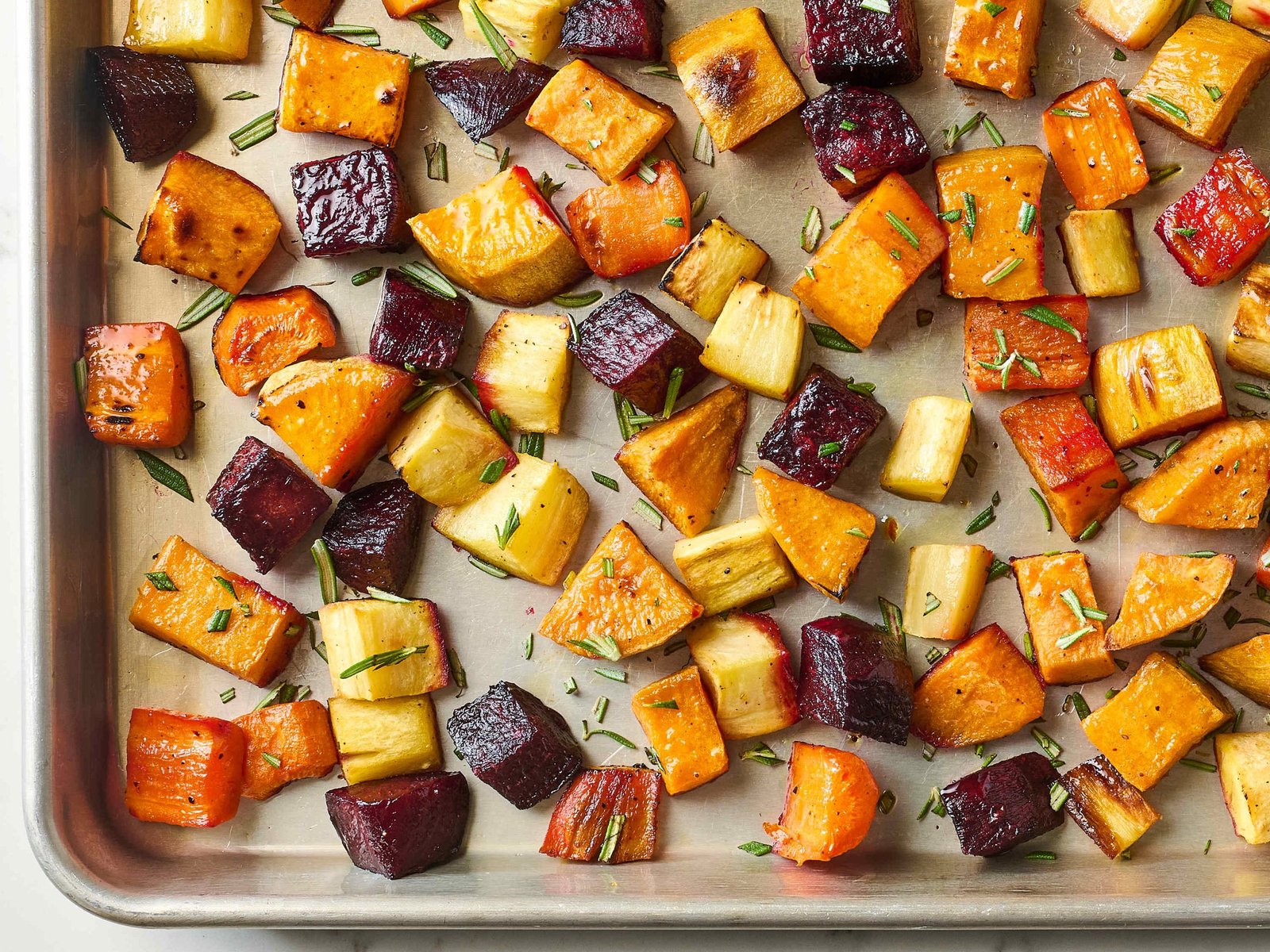
Roasting root vegetables is one of the easiest ways to bring out their natural sweetness and rich flavors. But getting that perfect crispy outside and tender inside can be tricky if you don’t know the right steps.
Imagine biting into a perfectly roasted carrot or sweet potato that melts in your mouth with just the right amount of caramelization. You’re just a few simple tips away from making that happen every time. Keep reading, and you’ll discover how to turn ordinary root veggies into a delicious dish that will impress everyone at your table.
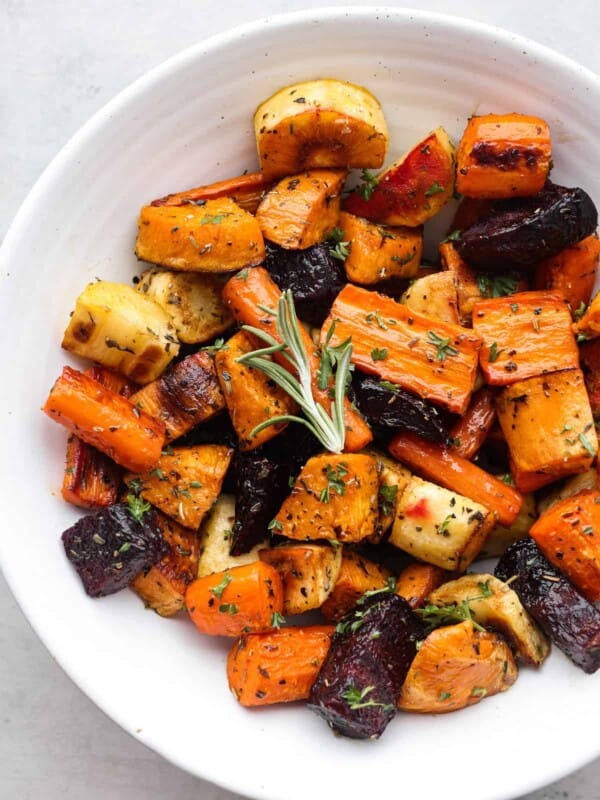
Credit: therecipecritic.com
Choosing The Right Vegetables
Roasting root vegetables brings out their natural sweetness. Picking the right ones is key for tasty results.
Some vegetables roast better than others. Choose firm, fresh roots for even cooking and great flavor.
Select Firm And Fresh Vegetables
Look for vegetables that feel firm and heavy for their size. Avoid soft or wrinkled roots.
Fresh vegetables roast evenly and taste better. Old or damaged ones may cook unevenly.
Pick Vegetables With Similar Cooking Times
Choose vegetables that cook at the same speed. This helps all pieces roast evenly without burning.
- Carrots and parsnips work well together
- Beets and sweet potatoes need more time
- Turnips and rutabagas roast at medium speed
Consider Size And Shape For Even Roasting
Cut vegetables into similar sizes. This ensures they cook evenly and finish at the same time.
Small pieces roast faster. Large chunks take longer and may stay hard inside.
Choose Vegetables With Natural Sweetness
Root vegetables with natural sugar caramelize nicely when roasted. This adds rich flavor.
- Sweet potatoes
- Carrots
- Beets
- Parsnips
Avoid High-water Vegetables
Roots with high water content can steam instead of roast. This makes them soft and soggy.
- Avoid raw potatoes with green spots
- Skip watery vegetables like radishes for roasting
- Choose dense roots for better roasting results
Preparing Vegetables For Roasting
Roasting root vegetables brings out their natural sweetness. Proper preparation helps them cook evenly and taste better.
Start with clean, well-cut vegetables. This guide covers washing, peeling, and cutting techniques.
Washing And Peeling
Wash root vegetables under cold running water. Remove dirt and debris with a brush if needed.
- Use a vegetable brush for tougher skins like carrots and potatoes.
- Rinse thoroughly to remove soil and pesticides.
- Peel vegetables only if the skin is thick or bitter.
- Keep the skin on for more nutrients and texture if it is thin and tender.
Cutting Techniques
Cut vegetables into similar-sized pieces. This helps them cook at the same speed.
| Vegetable | Recommended Cut | Reason |
|---|---|---|
| Carrots | 1-inch chunks or sticks | Roasts evenly and cooks through |
| Potatoes | 1 to 2-inch cubes | Prevents drying out during roasting |
| Beets | Quartered or sliced | Allows faster cooking and caramelization |
| Parsnips | Thick slices or batons | Keeps texture tender but firm |
Essential Seasonings And Herbs
Seasonings and herbs bring out the best flavors in roasted root vegetables. Choosing the right ones makes your dish tasty and fragrant.
Simple herbs and spices can turn ordinary vegetables into a delicious side dish. Experimenting with different blends adds variety to your meals.
Classic Flavors
Traditional seasonings enhance the natural sweetness of root vegetables. These flavors are easy to find and work well with most recipes.
- Salt and freshly ground black pepper
- Garlic powder or minced garlic
- Rosemary, fresh or dried
- Thyme leaves
- Olive oil to coat the vegetables
- Smoked paprika for a mild smoky taste
Creative Combinations
Try mixing herbs and spices for new tastes. Pair sweet and spicy or fresh and earthy flavors to surprise your palate.
| Herb or Spice | Flavor Profile | Best Paired With |
|---|---|---|
| Cumin | Warm, earthy | Carrots, sweet potatoes |
| Coriander | Fresh, citrusy | Beets, parsnips |
| Fennel seeds | Sweet, licorice | Turnips, carrots |
| Chili flakes | Spicy, hot | Sweet potatoes, carrots |
| Fresh parsley | Bright, herbal | Almost all root vegetables |

Credit: www.andersonandgrant.com
Optimal Roasting Temperature
Roasting root vegetables brings out their natural sweetness. Choosing the right temperature is key.
Too low a temperature makes them soft but not crispy. Too high can burn the outside before the inside cooks.
Ideal Temperature Range
Set your oven between 400°F and 425°F (200°C to 220°C). This heat cooks vegetables evenly.
This range helps the vegetables get crispy edges and soft centers. It also caramelizes their natural sugars.
Adjusting Temperature For Different Vegetables
Harder vegetables like carrots and beets need a higher temperature. Softer ones like potatoes can cook at the lower end.
Cut all vegetables into similar sizes for even cooking. This helps them roast well at the set temperature.
- Carrots, beets: 425°F (220°C)
- Potatoes, sweet potatoes: 400°F (200°C)
- Turnips, parsnips: 400°F to 425°F (200°C to 220°C)
Why High Heat Works Best
High heat creates a brown, crispy layer on vegetables. This adds flavor and texture.
It also helps water inside the vegetables evaporate faster. This prevents sogginess and makes them tender inside.
When To Lower The Temperature
Lower the temperature if your vegetables start burning. This can happen if pieces are small or thin.
Roast at 375°F (190°C) for delicate vegetables or if you want a softer texture. Check often to avoid overcooking.
Cooking Times For Different Vegetables
Roasting root vegetables brings out their natural sweetness. Each vegetable needs a different time to cook well.
Knowing the right cooking times helps you get tender and tasty vegetables every time.
Carrots
Carrots roast nicely at 400°F (200°C). Cut them into even pieces for even cooking.
They usually take about 25 to 30 minutes to become tender and slightly caramelized.
Potatoes
Potatoes need a bit more time because they are dense. Keep the oven at 425°F (220°C).
Cut into cubes or wedges, roast for 30 to 40 minutes until crispy outside and soft inside.
Beets
Beets take longer to roast. Wrap small beets in foil or cut larger ones.
Roast at 400°F (200°C) for 45 to 60 minutes until tender through the center.
Parsnips
Parsnips cook quickly when cut into similar sizes. Roast at 400°F (200°C).
They take about 25 to 30 minutes to get soft and golden brown.
Sweet Potatoes
Sweet potatoes roast well at 425°F (220°C). Cut into cubes for faster cooking.
Roast for 25 to 35 minutes until tender and slightly crisp on the edges.
Turnips
Turnips roast best at 400°F (200°C). Cut into cubes or wedges of the same size.
They take about 30 to 35 minutes to soften and brown nicely.
Rutabagas
Rutabagas are dense and need longer roasting times. Roast at 400°F (200°C).
Roast for 40 to 50 minutes until the pieces are tender and edges are caramelized.
Summary Table Of Cooking Times
| Vegetable | Temperature | Cooking Time |
|---|---|---|
| Carrots | 400°F (200°C) | 25-30 minutes |
| Potatoes | 425°F (220°C) | 30-40 minutes |
| Beets | 400°F (200°C) | 45-60 minutes |
| Parsnips | 400°F (200°C) | 25-30 minutes |
| Sweet Potatoes | 425°F (220°C) | 25-35 minutes |
| Turnips | 400°F (200°C) | 30-35 minutes |
| Rutabagas | 400°F (200°C) | 40-50 minutes |
Importance Of Oil Selection
Roasting root vegetables brings out their natural sweetness and flavor. Choosing the right oil can make a big difference in taste and texture.
Oil helps vegetables cook evenly and prevents sticking. It also adds a nice crispness on the outside while keeping them tender inside.
Choosing The Right Oil
Pick oils with a high smoke point to avoid burning. Oils like olive oil, avocado oil, and vegetable oil work well for roasting.
Some oils add flavor, while others are neutral. Olive oil gives a fruity taste, while avocado oil is mild and buttery.
- Olive oil: good flavor, medium-high smoke point
- Avocado oil: neutral taste, very high smoke point
- Vegetable oil: neutral taste, high smoke point
- Coconut oil: adds sweetness, medium smoke point
Properly Coating Vegetables
Use enough oil to coat each piece evenly. This helps vegetables roast well and develop a crisp surface.
Mix vegetables and oil in a large bowl. Toss gently so every piece is covered but not dripping with oil.
- Place vegetables in a bowl
- Pour a small amount of oil over them
- Toss gently until all pieces are coated
- Spread vegetables in a single layer on the baking sheet
Achieving Perfect Texture
Roasting root vegetables can bring out great flavors. Getting the right texture makes them taste even better.
Perfect texture means having a crispy outside and a soft inside. This balance makes every bite enjoyable.
Balancing Crispiness And Tenderness
Start by cutting vegetables into similar sizes. This helps them cook evenly and get the right texture.
Use enough oil to coat the pieces lightly. This helps the outside become crispy while the inside stays tender.
- Preheat the oven to a high temperature (400°F to 425°F).
- Spread vegetables in one layer on the baking sheet.
- Turn vegetables halfway through cooking for even crispiness.
- Check tenderness with a fork near the end of cooking.
Avoiding Common Mistakes
Do not overcrowd the pan. Too many pieces make vegetables steam, not roast.
Do not use too much oil. It can make vegetables soggy instead of crisp.
- Cut pieces unevenly, causing some to burn and others to stay hard.
- Skip preheating the oven, which slows cooking and affects texture.
- Forget to toss vegetables during roasting, leading to uneven cooking.

Credit: www.acouplecooks.com
Enhancing Flavor With Additional Ingredients
Roasting root vegetables brings out their natural sweetness. Adding other ingredients can boost their flavor even more. Small additions make a big difference.
Try adding sweet or acidic ingredients. These change the taste and balance the natural earthiness of the vegetables.
Adding Sweetness
Sweet ingredients enhance the caramelization of root vegetables. They add depth and a pleasant contrast to savory flavors.
Try adding honey, maple syrup, or brown sugar. These help the vegetables brown nicely and taste richer.
- Drizzle honey or maple syrup before roasting
- Sprinkle brown sugar for extra caramel notes
- Add sweet spices like cinnamon or nutmeg
- Use sweet vegetables like carrots or sweet potatoes
Introducing Acidity
Acidity brightens the flavor of roasted root vegetables. It cuts through the richness and adds freshness.
Use lemon juice, vinegar, or balsamic glaze. Add these after roasting to keep their sharp taste.
- Squeeze fresh lemon or lime juice over vegetables
- Drizzle balsamic vinegar or glaze after roasting
- Add a splash of apple cider vinegar for tang
- Mix in chopped fresh herbs with acidity
Presentation And Serving Tips
Roasted root vegetables can brighten any meal with their rich colors and flavors. Presenting them well makes the dish more inviting. Serving tips help enhance the taste and texture experience.
Simple ideas and smart combinations can turn roasted veggies into a star side dish. Use these tips to make your plate look and taste great.
Plating Techniques
Good plating shows off the vibrant colors and shapes of roasted root vegetables. Use contrast and layering to add interest.
- Arrange vegetables by color for a bright, eye-catching plate.
- Layer pieces to add height and depth.
- Use a large white plate to let colors pop.
- Add fresh herbs like parsley or thyme for a fresh look.
- Drizzle a little olive oil or balsamic glaze for shine and flavor.
Pairing With Other Dishes
Roasted root vegetables complement many main courses. Their natural sweetness balances savory flavors well.
| Main Dish | Why It Works | Serving Tip |
|---|---|---|
| Roast Chicken | Juicy chicken pairs well with earthy sweetness. | Serve vegetables on the side with pan juices. |
| Grilled Steak | Rich meat and sweet roots create a bold taste. | Add a sprinkle of sea salt on vegetables. |
| Vegetarian Grain Bowls | Roots add texture and color to grains. | Mix vegetables with quinoa or farro. |
| Hearty Soups | Roasted veggies can be a crunchy side or garnish. | Top soups with roasted vegetable pieces. |
Frequently Asked Questions
How Do I Prepare Root Vegetables For Roasting?
Wash, peel, and cut root vegetables evenly. This ensures uniform cooking and perfect texture after roasting.
What Temperature Is Best For Roasting Root Vegetables?
Roast root vegetables at 400°F (200°C) for crispy edges and tender insides. Higher heat caramelizes natural sugars.
Should I Use Oil When Roasting Root Vegetables?
Yes, toss root vegetables in olive oil or any cooking oil. It helps in even cooking and browning.
How Long Does It Take To Roast Root Vegetables?
Roasting time varies, usually 25-40 minutes. Check tenderness by piercing with a fork to avoid undercooking.
Conclusion
Roasting root vegetables brings out rich, sweet flavors. Cut them evenly for even cooking and crisp edges. Use enough oil to keep them moist and tasty. Don’t overcrowd the pan to help them roast well. Check often to avoid burning and to get the right texture.
With these simple tips, your roasted vegetables will always turn out delicious. Enjoy the warmth and comfort they add to any meal. Try different roots to find your favorite mix. Happy roasting!