
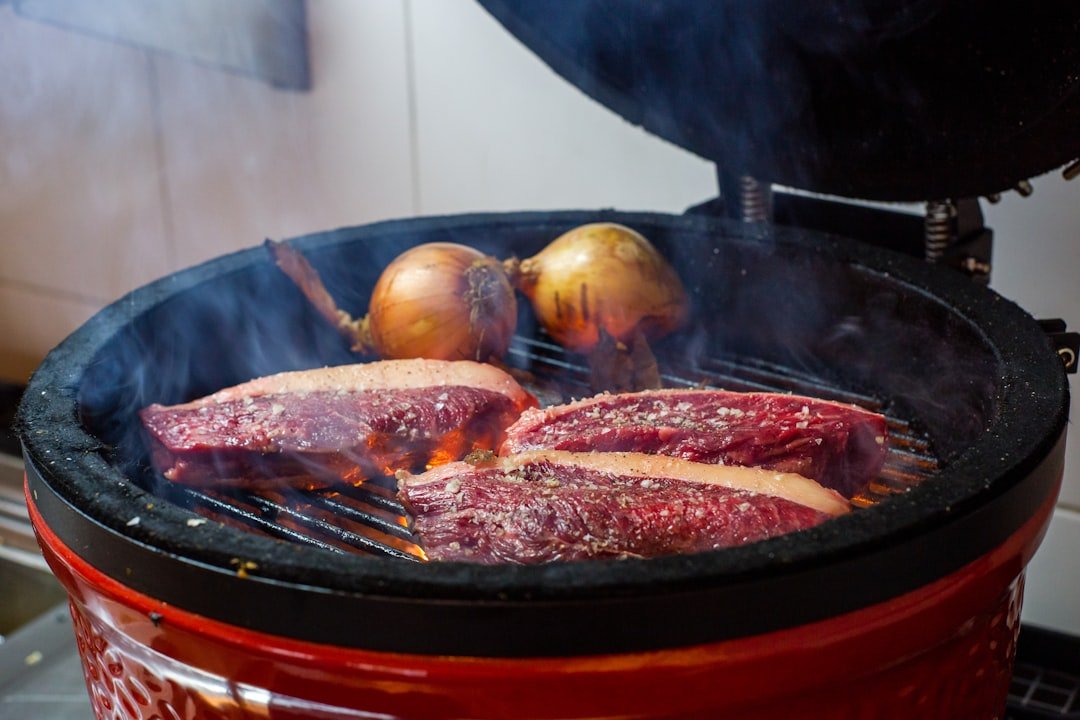
Roasting meat to perfection can be tricky, especially when you want every bite to be juicy and cooked just right. If you’ve ever ended up with dry edges and a raw center, you know how frustrating it can be.
But don’t worry—getting your meat to roast evenly isn’t as hard as it seems. With the right tips and simple tricks, you can impress your family and friends with a delicious, perfectly roasted meal every time. Keep reading, and you’ll discover easy ways to make your next roast your best one yet.
Choosing The Right Cut
Roasting meat evenly starts with picking the correct cut. Different cuts cook in different ways.
Knowing the traits of each cut helps you cook meat that is tender and juicy all around.
Tender Cuts For Quick Roasting
Tender cuts cook faster and need less time in the oven. These include ribeye, tenderloin, and sirloin.
Tough Cuts For Slow Roasting
Tough cuts have more connective tissue. Slow roasting breaks down this tissue, making meat soft.
- Chuck
- Brisket
- Round
Choosing Cuts By Fat Content
| Cut | Fat Level | Effect on Roasting |
| Ribeye | High | Keeps meat moist and flavorful |
| Tenderloin | Low | Lean, cooks quickly but can dry out |
| Brisket | Moderate | Needs slow roasting to become tender |
Uniform Size For Even Cooking
Choose cuts with a uniform shape. This helps heat spread evenly.
- Trim excess fat or uneven parts
- Cut very thick pieces in half if needed
- Use a meat mallet to even thickness
:max_bytes(150000):strip_icc()/Simply-Recipes-Classic-Roast-Beef-LEAD-1-fb203b1fa50040d699633cc610a58546.jpg)
Credit: www.simplyrecipes.com
Preparing The Meat
Preparing meat properly helps it cook evenly and taste better. Simple steps before roasting can improve your results.
Focus on trimming fat and securing the meat shape. These actions control how heat moves through the meat.
Trimming Excess Fat
Removing extra fat prevents flare-ups and uneven cooking. Some fat keeps the meat moist, but too much blocks heat.
- Cut away large fat caps thicker than ¼ inch
- Leave a thin layer of fat for flavor and moisture
- Remove hard or discolored fat that won’t render well
- Trim fat around edges for even thickness
Tying And Trussing
Tying meat keeps its shape during roasting. It helps cook the meat evenly and makes slicing easier.
Use kitchen twine to:
- Wrap the meat snugly but not too tight
- Secure loose parts to form a uniform shape
- Make sure the twine is food-safe and heat-resistant
Trussing poultry or roasts helps heat reach all areas equally.
Seasoning Techniques
Seasoning meat well is key to roasting it evenly. Good seasoning adds flavor and helps cook meat better.
Use the right techniques to make sure the taste spreads throughout the meat. This leads to a juicy, tasty roast.
Dry Rubs And Marinades
Dry rubs are mixes of spices rubbed directly on meat. They create a flavorful crust while roasting.
Marinades are liquids with herbs and spices. They soak into meat, making it tender and tasty.
- Dry rubs use salt, pepper, garlic powder, and paprika
- Marinades often include oil, acid like lemon juice, and herbs
- Apply dry rubs just before cooking for a strong crust
- Marinate meat for at least 2 hours or overnight for best results
Salt And Resting Time
Salt helps meat hold moisture and improves flavor. Use salt evenly on all sides before cooking.
Resting meat after seasoning lets salt soak in. It also helps juices spread evenly inside.
- Salt meat at least 40 minutes before roasting
- Rest meat at room temperature for 30 minutes after seasoning
- Rest meat for 10-15 minutes after roasting before cutting
- Resting makes meat juicier and easier to carve
Temperature Control
Roasting meat evenly depends a lot on controlling the temperature. Keeping the right temperature helps cook the meat properly inside and out.
Too high or too low heat can cause uneven cooking. Use good temperature control to get juicy and tender meat every time.
Preheating The Oven
Always preheat your oven before putting meat inside. A hot oven starts cooking the meat evenly right away.
If you place meat in a cold oven, it cooks unevenly. The outside can dry out before the inside is done.
- Set the oven to the right temperature first
- Wait 10-15 minutes for it to reach heat
- Put the meat inside once the oven is hot
Using A Meat Thermometer
A meat thermometer helps check the inside temperature of the meat. It shows when the meat is cooked just right.
Insert the thermometer into the thickest part of the meat. Avoid touching bone or fat for an accurate reading.
- Check temperature often during roasting
- Remove meat when it reaches the correct internal temperature
- Rest the meat for a few minutes before cutting
Positioning In The Oven
Roasting meat evenly depends a lot on how you place it in the oven. Proper positioning helps heat reach all sides of the meat.
Understanding rack placement and turning the meat during cooking leads to a better roast.
Rack Placement
Place the meat on the middle rack for even heat distribution. This spot lets heat circulate around the meat well.
A rack too close to the bottom may burn the meat’s base. Too high can brown the top too fast.
- Use the center rack for balanced cooking
- Avoid racks too near the top or bottom
- Use a roasting pan with a rack to lift meat
Rotating And Flipping
Turn the meat halfway through cooking to cook it evenly on all sides. This prevents one side from getting too dark.
Flipping smaller cuts helps heat reach the inside evenly. Larger cuts may only need rotating.
- Rotate meat 180 degrees halfway through roasting
- Flip smaller pieces for even browning
- Use tongs or a spatula to avoid piercing meat
Timing And Resting
Roasting meat evenly needs careful timing and resting. These steps help keep meat juicy and cooked well inside.
Follow simple rules about cooking time and resting to get the best results every time.
Cooking Time Guidelines
Cooking times vary by meat type and size. Use a timer and a meat thermometer to check doneness. Avoid guessing to prevent undercooked or dry meat.
- Preheat your oven to the right temperature.
- Calculate cooking time based on weight and cut.
- Check internal temperature with a meat thermometer.
- Adjust time if meat is larger or smaller than usual.
- Turn or baste meat halfway through roasting for even cooking.
Allowing For Rest
Resting meat after roasting lets juices spread evenly. Cutting too soon causes dry meat and loss of flavor.
| Meat Type | Resting Time |
| Small cuts (steaks, chops) | 5-10 minutes |
| Medium cuts (roasts, whole chickens) | 10-20 minutes |
| Large cuts (whole turkeys, large roasts) | 20-30 minutes |
Enhancing Flavor
Roasting meat evenly brings out the best taste and texture. Proper techniques help the flavors spread well.
Using basting and adding aromatics are simple ways to improve the flavor of your roast.
Basting Methods
Basting means brushing or spooning juices over the meat while it cooks. This keeps the meat moist.
Basting also helps the flavors from the juices soak into the meat. Use pan drippings or a mix of broth and butter.
- Baste every 20-30 minutes during roasting
- Use a spoon or a basting brush for even coverage
- Try flavored liquids like garlic butter or herb broth
- Avoid opening the oven too often to keep heat steady
Adding Aromatics
Aromatics are herbs, spices, and vegetables added to the roast. They add extra layers of flavor.
Place aromatics inside the meat or around it in the roasting pan. Their scent and taste mix with the meat juices.
- Common aromatics include garlic, onions, and rosemary
- Use lemon slices or peppercorns for bright, fresh notes
- Stuff aromatics into slits in the meat for deeper flavor
- Place whole herbs under or on top of the meat

Credit: www.bruceranchbeef.com
Common Mistakes To Avoid
Roasting meat evenly needs attention and care. Many people make simple mistakes that affect the final taste and texture.
Knowing what to avoid can help you get a juicy and cooked-through roast every time.
Not Letting Meat Reach Room Temperature
Putting cold meat straight into the oven causes uneven cooking. The outside cooks too fast, while the inside stays raw or tough.
Skipping The Resting Period
Cutting meat right after roasting makes the juices run out. This leaves the meat dry and less flavorful.
Using Too High Or Too Low Oven Temperature
Oven temperature affects how meat cooks. Too high means burnt outside and raw inside. Too low means dry and tough meat.
- High heat can burn the surface quickly.
- Low heat may dry out the meat over long cooking.
- Moderate heat helps even cooking and juicy meat.
Not Using A Meat Thermometer
Guessing if meat is done leads to overcooking or undercooking. A thermometer shows the exact temperature inside the meat.
| Meat Type | Safe Internal Temperature |
| Beef (medium rare) | 135°F (57°C) |
| Chicken | 165°F (74°C) |
| Pork | 145°F (63°C) |
| Lamb | 135°F (57°C) |
Overcrowding The Roasting Pan
Putting too much meat or vegetables in the pan blocks heat flow. This causes uneven cooking and longer roast time.
Tips to avoid overcrowding:
- Use a large enough pan for your meat.
- Leave space between pieces for air circulation.
- Roast in batches if needed.
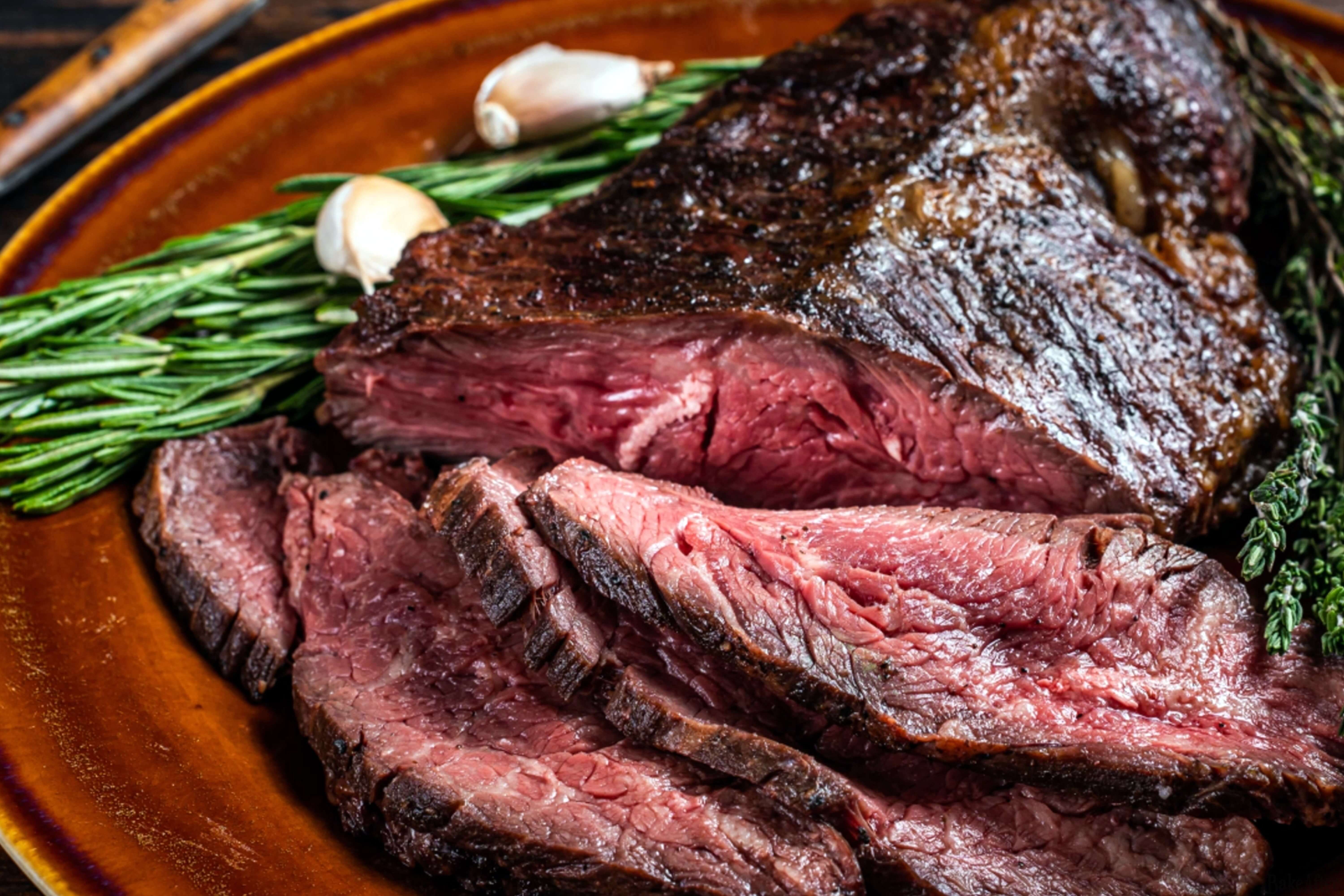
Credit: bakeafter.com
Frequently Asked Questions
How Do I Ensure Even Cooking When Roasting Meat?
To roast meat evenly, use a consistent oven temperature and preheat it fully. Rotate the meat halfway through cooking for uniform heat distribution. Use a meat thermometer to monitor internal temperature and avoid overcooking.
What Is The Best Way To Prepare Meat Before Roasting?
Pat the meat dry to promote browning. Season it generously with salt and spices. Allow it to rest at room temperature for 30 minutes before roasting to ensure even cooking.
Why Should I Use A Meat Thermometer For Roasting?
A meat thermometer helps prevent undercooking or overcooking. It ensures the meat reaches a safe internal temperature. This tool guarantees juicy, perfectly cooked meat every time.
How Does Resting Meat Affect Roasting Results?
Resting meat after roasting allows juices to redistribute. This process keeps the meat moist and tender. Rest for 10-15 minutes before slicing to enhance flavor and texture.
Conclusion
Roasting meat evenly takes some care and attention. Use a meat thermometer to check the temperature. Let the meat rest before cutting. Turn the meat during cooking for even heat. Use a good roasting pan that spreads heat well. These simple tips help you cook meat perfectly every time.
Enjoy juicy, tender meat that tastes great. Practice makes perfect, so keep trying. Your meals will become more delicious and satisfying. Cooking with care makes a big difference.