
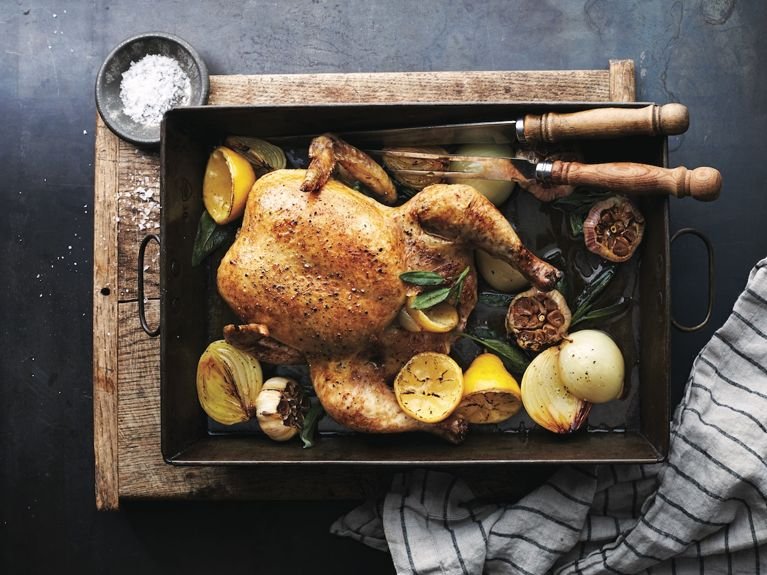
Roasting a chicken to juicy, golden perfection can feel like a challenge. You want every bite to be tender and cooked just right, without dry spots or undercooked areas.
If you’ve ever sliced into your roast only to find uneven cooking, you’re not alone. But don’t worry—there are simple, effective tips you can use to make sure your chicken cooks evenly every time. Keep reading, and you’ll discover easy tricks that will transform your roasting skills and impress everyone at your table.
Choosing The Right Chicken
Picking the right chicken is key for even roasting. The chicken you choose affects cooking time and taste.
Good chicken helps the heat spread evenly. This keeps the meat juicy and the skin crispy.
Size And Weight Considerations
Choose a chicken size that fits your oven and roasting pan. Medium-sized chickens cook more evenly than very large or very small ones.
Heavier chickens take longer to cook. Smaller birds cook faster but may dry out if overcooked.
- Medium chicken weight: 3 to 4 pounds
- Check your oven space before buying
- Even size ensures uniform cooking
Fresh Vs. Frozen
Fresh chicken often cooks more evenly than frozen. It has better texture and flavor for roasting.
If using frozen chicken, thaw it fully before roasting. This helps the heat reach the inside evenly.
- Fresh chicken: ready to roast, better taste
- Frozen chicken: must thaw completely
- Thaw in fridge for 24 hours for best results

Credit: cardamomandtea.com
Preparation Techniques
Roasting chicken evenly needs good preparation. This helps the heat spread well.
Using the right techniques before cooking makes the chicken juicy and tender.
Trussing The Bird
Trussing means tying the chicken with kitchen twine. It keeps the legs and wings close.
This helps the chicken cook evenly. The bird holds its shape better and cooks faster.
- Use kitchen twine to tie legs together.
- Tuck wings under the body to prevent burning.
- Keep the bird compact to cook evenly.
Prepping With Marinades And Brines
Marinades add flavor and help keep the chicken moist. Brines soak the chicken in saltwater.
Both methods help the heat move through the meat evenly. They also improve the taste.
- Use a simple marinade with oil, herbs, and spices.
- Brine in saltwater for 1 to 4 hours before roasting.
- Pat dry the chicken before cooking for better browning.
Tools For Even Roasting
Roasting chicken evenly needs the right tools. These tools help cook the chicken through without burning or drying it out.
Using proper equipment makes your cooking easier and your chicken tastier. Two key tools are a good roasting pan and a meat thermometer.
Selecting The Right Roasting Pan
Choosing a roasting pan affects how heat spreads around the chicken. A good pan holds heat well and lets air flow.
- Use a pan with low sides to let heat circulate evenly.
- Choose heavy metal pans like stainless steel or cast iron for steady heat.
- A pan with a rack lifts the chicken so heat reaches all sides.
- A non-stick surface helps with easy cleanup and even cooking.
Using A Meat Thermometer
A meat thermometer checks the chicken’s internal temperature. It prevents overcooking or undercooking.
| Type | Advantages | Use |
| Digital Instant-Read | Fast and easy to read | Insert into thickest part before serving |
| Leave-In Thermometer | Monitors temperature while cooking | Place in chicken and leave in oven |
| Probe Thermometer | Shows temperature outside oven | Connect probe to display outside oven |
Temperature And Timing
Roasting chicken evenly needs the right oven temperature and proper cooking time. These two factors help cook the chicken fully without drying it out.
Getting temperature and timing right gives juicy meat and crispy skin. Let’s look at how to set them correctly.
Ideal Oven Temperature
The oven temperature controls how fast the chicken cooks. A medium heat cooks the chicken evenly inside and outside.
Too high heat can burn the outside while leaving the inside raw. Too low heat can dry out the chicken.
- Set the oven to 350°F (175°C) for even cooking.
- Use 375°F (190°C) for crispier skin but watch closely.
- Avoid temperatures above 400°F (205°C) to prevent burning.
Calculating Cooking Time
The cooking time depends on the chicken’s weight. Use the weight to find the right minutes to cook per pound or kilogram.
Check the chicken’s internal temperature to make sure it is safe to eat. It should reach 165°F (74°C) inside.
| Chicken Weight | Cooking Time at 350°F (175°C) |
|---|---|
| 3 to 4 pounds (1.4 to 1.8 kg) | 1 hour 15 minutes to 1 hour 30 minutes |
| 4 to 5 pounds (1.8 to 2.3 kg) | 1 hour 30 minutes to 1 hour 45 minutes |
| 5 to 6 pounds (2.3 to 2.7 kg) | 1 hour 45 minutes to 2 hours |
Positioning In The Oven
Roasting chicken evenly depends a lot on where you place it in the oven. The heat moves differently in each oven space. Knowing the best position helps cook the chicken well all around.
Oven racks and rotating the chicken can make a big difference. This guide covers how to use rack placement and rotation for even roasting.
Rack Placement
Place the chicken on the middle rack for the most even heat. This spot is usually far from the top and bottom heating elements.
- Middle rack gives balanced heat to all sides.
- Top rack may burn the skin before the inside cooks.
- Bottom rack can cause uneven cooking and soggy skin.
- Use a roasting pan to allow air flow around the chicken.
Rotating For Even Heat Distribution
Ovens have hot spots where heat is stronger. Rotating the chicken during cooking stops one side from cooking too fast.
| Rotation Time | Reason |
|---|---|
| Every 20-30 minutes | Ensures all sides get equal heat exposure. |
| Turn chicken 180 degrees | Helps avoid hot spots causing uneven cooking. |
| Use oven mitts and tongs | Safe handling while rotating the chicken. |

Credit: somuchfoodblog.com
Basting And Glazing
Basting and glazing add flavor and moisture to roasted chicken. They help the skin stay crispy and golden.
Knowing how often to baste and which glaze to use can improve your cooking results.
Frequency Of Basting
Basting keeps the chicken juicy during roasting. Too little basting can dry out the meat. Too much can cool the oven.
- Baste every 20 to 30 minutes for even moisture.
- Use the pan juices or a prepared sauce for basting.
- Apply with a brush or spoon for even coverage.
- Open the oven door quickly to keep temperature steady.
Choosing The Right Glaze
A good glaze adds flavor and helps the skin brown evenly. Choose one that matches your taste and cooking time.
| Glaze Type | Main Ingredients | Best For |
| Honey Glaze | Honey, mustard, lemon | Sweet and tangy flavor |
| Herb Glaze | Olive oil, garlic, rosemary | Fresh and savory taste |
| Soy Glaze | Soy sauce, brown sugar, ginger | Rich and salty glaze |
| Spicy Glaze | Hot sauce, butter, paprika | Bold and spicy finish |
Resting The Chicken
Resting chicken after roasting is very important. It helps keep the meat juicy and tender.
During resting, the juices inside the chicken spread evenly. This makes the chicken taste better.
Why Resting Matters
When you roast chicken, heat pushes juices toward the center. If you cut it right away, the juices will run out.
- Resting lets juices move back through the meat.
- It helps the chicken stay moist and flavorful.
- The meat becomes easier to carve and looks better.
Optimal Resting Time
Resting time depends on the size of the chicken and how you cooked it. Usually, 10 to 20 minutes is best.
| Chicken Size | Resting Time |
| Whole chicken (3-4 lbs) | 15 minutes |
| Chicken pieces (breasts, thighs) | 5-10 minutes |
| Large roast chicken (5 lbs or more) | 20 minutes |
Troubleshooting Common Issues
Roasting chicken evenly can be tricky. Some parts might dry out while others stay undercooked.
This guide helps you fix common problems. Follow these tips to get juicy and well-cooked chicken every time.
Dealing With Dry Meat
Dry chicken happens when you cook it too long or at too high heat. Dark meat is more prone to drying out than white meat.
- Cook at moderate temperature around 350°F (175°C).
- Use a meat thermometer to check for 165°F (74°C) inside the thickest part.
- Cover the chicken loosely with foil if it browns too fast.
- Let the chicken rest for 10 minutes after roasting to keep juices inside.
Avoiding Undercooked Sections
Undercooked chicken is unsafe and unpleasant. It often happens near the bone or thicker parts like the thighs.
| Cause | Solution |
|---|---|
| Uneven chicken size | Trim large parts or butterfly the chicken for even thickness |
| Not using a thermometer | Check temperature in multiple spots, especially thick areas |
| Too high oven temperature | Roast slower to allow heat to reach inside without burning outside |
| Skipping resting time | Rest chicken after cooking to finish internal cooking evenly |
Serving And Presentation
Serving a roasted chicken well can enhance its taste and appeal. Presentation makes the meal more inviting.
Careful carving and thoughtful garnishing help make your chicken the star of the table.
Carving Techniques
Carve the chicken after it rests to keep the juices inside. Use a sharp knife for clean cuts.
Start by removing the legs and thighs, then cut the wings and finally slice the breast meat.
- Cut along the joints to separate parts easily
- Slice breast meat against the grain for tenderness
- Arrange pieces neatly on a serving plate
- Keep skin on for better flavor and texture
Garnishing For Appeal
Use simple garnishes to add color and freshness to the plate. Fresh herbs brighten the look and taste.
Add lemon wedges or slices for a pop of color and a hint of citrus flavor that pairs well with chicken.
- Sprinkle chopped parsley or thyme over the chicken
- Place lemon wedges around the serving plate
- Include roasted vegetables for extra color
- Use edible flowers for a special touch

Credit: www.mydiaryofus.com
Frequently Asked Questions
How Do I Ensure Chicken Cooks Evenly In The Oven?
Place the chicken breast-side up on a rack. Use a consistent oven temperature. Rotate the pan halfway through cooking to promote even heat distribution.
What Is The Best Temperature For Roasting Chicken Evenly?
Roast chicken at 375°F (190°C) for even cooking. This temperature cooks the chicken thoroughly without drying it out.
Should I Use A Roasting Pan Or Baking Sheet?
A roasting pan with a rack is best. It allows air circulation around the chicken, promoting even roasting.
How Long Should I Rest Chicken After Roasting?
Rest the chicken for 10-15 minutes after roasting. This helps juices redistribute for moist, evenly cooked meat.
Conclusion
Roasting chicken evenly takes some care and simple steps. Keep the chicken dry and use a thermometer to check doneness. Rotate the pan during cooking for even heat. Let the chicken rest before cutting to keep it juicy. These tips help make your roast tasty every time.
Practice and patience bring better results. Enjoy your delicious, evenly roasted chicken with family and friends.