
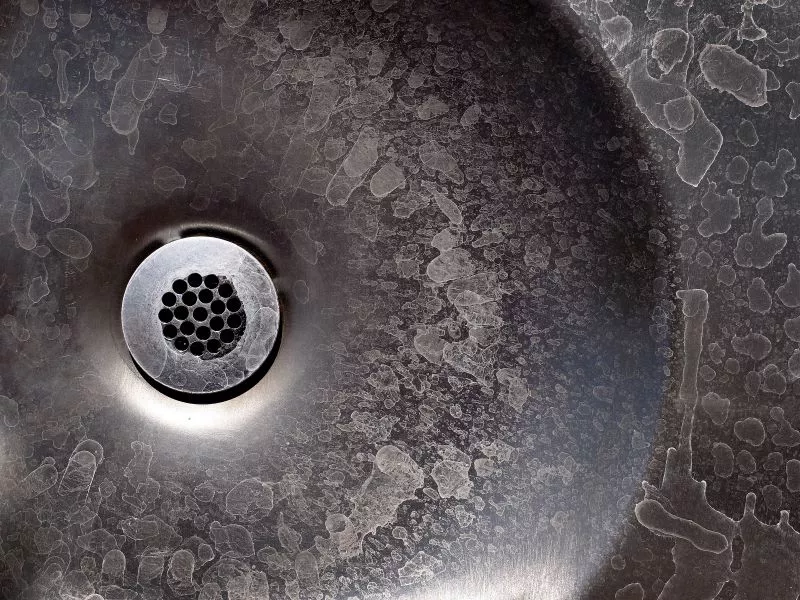
Hard water stains can be stubborn and frustrating. You might have noticed them on your faucets, shower doors, or even your dishes.
These spots don’t just look bad—they can also damage your surfaces over time. But don’t worry, you don’t have to live with them. You’ll discover simple and effective tips to remove hard water stains quickly. Keep reading, and you’ll learn how to make your home sparkle again with easy steps you can start using today.

Credit: www.reddit.com
Identifying Hard Water Stains
Hard water stains appear as white or cloudy marks on surfaces. They form when water with minerals dries up.
These stains can build up over time on sinks, faucets, and tiles. Knowing how to spot them helps you clean effectively.
Look For White Or Chalky Residue
Hard water leaves behind white or chalky spots. These marks often feel rough or gritty to touch.
This residue usually appears near water sources like faucets, showerheads, and taps.
Check For Water Spots On Glass
Hard water stains cause cloudy spots on glass surfaces. You may see these on windows, mirrors, or glassware.
These spots do not wash away easily with water alone and need special cleaning.
Notice Mineral Buildup On Fixtures
Look for crusty or rough mineral layers on faucets and showerheads. Hard water minerals cause this buildup.
This buildup can block water flow and damage plumbing if not cleaned regularly.
Observe Dull Or Stained Surfaces
Hard water can leave stains that make surfaces look dull or discolored. This happens on tiles, sinks, and tubs.
These stains often appear as yellow, brown, or rusty patches.
Common Areas Affected
Hard water stains can build up in many places around your home. These stains appear as white, chalky marks or spots.
Removing them helps keep surfaces clean and looking new. Some areas face these stains more than others.
Bathroom Fixtures
Bathroom fixtures like faucets and showerheads often get hard water stains. These spots can block water flow and look dull.
Regular cleaning stops buildup and keeps metal shiny. Use gentle scrubbing to avoid damage.
- Faucets collect mineral deposits around the base
- Showerheads get clogged with white spots
- Bathtubs and sinks show rings of hard water stains
Kitchen Appliances
Kitchen appliances like kettles and coffee makers get hard water stains inside and outside. These stains reduce appliance life.
Removing stains keeps appliances clean and working well. Use safe cleaning agents that do not harm the appliance.
- Inside kettles, stains form from boiled minerals
- Coffee machines may have buildup in water lines
- Dishwashers show white spots on surfaces and racks
Glass Surfaces
Glass surfaces like windows and shower doors get hard water spots that are hard to see at first. They make glass look dirty.
Cleaning glass with the right products removes stains and restores clear shine. Wiping often helps prevent buildup.
- Shower doors get cloudy white marks
- Windows near sinks can have spots
- Glass tabletops show water rings
Ceramic Tiles
Ceramic tiles in bathrooms and kitchens often have hard water stains. These appear as dull white patches on grout and tile.
Cleaning tiles regularly keeps them bright and prevents stains from hardening. Use soft brushes for grout areas.
- Tile surfaces get white mineral deposits
- Grout lines show buildup that darkens color
- Floor tiles near water sources stain faster
Diy Cleaning Solutions
Hard water stains can build up on surfaces like sinks and tiles. These stains are caused by minerals in the water.
You can remove hard water stains at home using simple cleaning solutions. These solutions use common ingredients you may already have.
Vinegar And Baking Soda
Vinegar is acidic and breaks down mineral deposits. Baking soda adds gentle scrubbing power to remove stains.
Mix baking soda and vinegar to make a paste. Apply it to the stained area and let it sit for 15 minutes. Then scrub and rinse.
- Sprinkle baking soda over the stain
- Pour vinegar slowly to create fizz
- Let the mixture sit for 15 minutes
- Scrub with a soft brush or sponge
- Rinse with water and dry
Lemon Juice And Borax
Lemon juice has natural acid that helps dissolve hard water stains. Borax boosts cleaning power and kills bacteria.
Mix lemon juice with borax to form a thick paste. Apply it on the stain and leave for 10 minutes. Scrub gently and rinse well.
- Combine lemon juice and borax in equal amounts
- Spread the paste on the stained surface
- Wait for 10 minutes to let it work
- Scrub with a cloth or brush
- Rinse thoroughly with water
Commercial Cleaners
Some commercial cleaners are made to remove hard water stains quickly. They contain chemicals that break down minerals fast.
Always follow the instructions on the cleaner’s label. Use gloves and ventilate the area. Test the cleaner on a small spot first.
- Read and follow all safety instructions
- Wear protective gloves and eyewear
- Apply cleaner only on stained areas
- Let it sit as directed on the label
- Rinse the surface thoroughly after cleaning
Preventive Measures
Hard water stains form when minerals in water leave marks on surfaces. These stains can be tough to remove later. Taking steps to prevent stains saves time and effort.
Preventive measures keep your home clean and protect surfaces from damage caused by hard water.
Water Softening Systems
Water softening systems remove minerals like calcium and magnesium. This helps stop hard water stains from forming. Softened water is gentler on pipes and surfaces.
These systems use salt or other agents to replace hard minerals with softer ones. Installing one reduces buildup on faucets, sinks, and showers.
Regular Cleaning Routine
Cleaning surfaces often prevents mineral deposits from settling. Use a mild cleaner to wipe sinks, faucets, and tiles. Do this at least once a week.
- Dry wet areas after use to stop water spots
- Use a soft cloth or sponge to avoid scratches
- Focus on places where water collects or drips
Use Of Protective Coatings
Protective coatings create a barrier on surfaces. They stop minerals from sticking and make cleaning easier. Apply coatings on glass, metal, and ceramic.
These coatings last for months and reduce the need for harsh scrubbing. Reapply coatings as recommended to keep surfaces protected.
Natural Remedies
Hard water stains can be tough to remove. Natural remedies offer safe and effective solutions. These methods use common household items and plants.
Using natural ingredients helps protect your surfaces and the environment. Try these options to clean hard water stains without harsh chemicals.
Essential Oils
Essential oils like lemon and tea tree have natural cleaning properties. They help break down mineral deposits and leave a fresh scent.
- Mix 10 drops of lemon essential oil with a cup of water.
- Spray the mixture on hard water stains.
- Let it sit for 10 minutes before wiping clean.
- Use tea tree oil for its antibacterial effects in bathrooms.
Herbal Teas
Herbal teas contain natural acids and antioxidants that help remove stains. Black tea and chamomile are especially useful for cleaning.
| Herbal Tea | Cleaning Benefit |
| Black Tea | Breaks down mineral buildup |
| Chamomile Tea | Softens stains and adds shine |
| Green Tea | Reduces grime and refreshes surfaces |
Eco-friendly Products
Eco-friendly products use natural ingredients to clean without harming the earth. Baking soda and vinegar are simple and effective choices.
Try this homemade cleaner:
- Mix half a cup of baking soda with a quarter cup of white vinegar.
- Apply the paste on hard water stains.
- Wait 15 minutes, then scrub with a soft brush.
- Rinse with warm water and dry.

Credit: calloasis.com
Professional Cleaning Services
Hard water stains can damage surfaces and look unpleasant. Removing these stains needs special care.
Professional cleaning services have the right tools and knowledge to clean hard water stains safely.
Expertise In Stain Removal
Cleaning experts understand different types of hard water stains. They use the best methods for each surface.
This reduces the risk of damage and improves the cleaning results on glass, tiles, and fixtures.
Use Of Specialized Equipment
Professionals use tools like steam cleaners and soft scrubbers. These tools help remove stains without harsh chemicals.
Special equipment cleans hard-to-reach areas and makes surfaces shine without scratches.
Safe And Eco-friendly Cleaning Products
Experts choose safe products that do not harm the environment or your health. They avoid strong acids that can cause damage.
These products effectively break down mineral deposits and leave surfaces clean and fresh.
Time And Effort Savings
Professional cleaners save you time and hard work. They finish the job quickly and thoroughly.
This gives you peace of mind and lets you enjoy spotless surfaces without stress.
Preventive Advice And Maintenance
Cleaning services offer tips to prevent hard water stains from returning. They may suggest water softeners or protective coatings.
Regular professional cleaning helps maintain your surfaces and keeps them looking new longer.

Credit: www.reddit.com
Frequently Asked Questions
What Causes Hard Water Stains On Surfaces?
Hard water stains form due to minerals like calcium and magnesium in water. These minerals leave white or cloudy deposits on surfaces. Over time, they build up, making stains tough to remove without proper cleaning methods.
How Can I Remove Hard Water Stains Naturally?
Vinegar is a popular natural cleaner for hard water stains. Soak a cloth in vinegar and apply it to the stains. Let it sit for 15 minutes, then scrub gently. Rinse with water for best results.
Which Household Items Effectively Remove Hard Water Stains?
Common household items like baking soda, lemon juice, and vinegar work well. They break down mineral deposits and clean surfaces without harsh chemicals. Mix and apply them carefully for effective stain removal.
How Often Should I Clean Hard Water Stains?
Cleaning hard water stains weekly prevents buildup and keeps surfaces spotless. Regular maintenance reduces the need for intense scrubbing and protects fixtures from damage. Consistency is key to managing hard water stains.
Conclusion
Removing hard water stains can be easy with the right tips. Use natural cleaners like vinegar or lemon juice. Scrub gently to avoid damage. Regular cleaning helps stop stains from coming back. Small efforts save time and keep surfaces shiny.
Remember, patience works best for tough stains. Keep these tips handy for a cleaner home.