
Are you looking for simple ways to cut down your water use in the kitchen? Every drop counts, and small changes can make a big difference in your water bill and the environment.
Imagine saving money while helping conserve a precious resource—all from habits you can start today. Keep reading to discover easy tips that fit right into your daily routine, so you can take control of your water usage without any hassle.
Credit: www.consumerreports.org
Cutting Water Waste
Reducing water usage in the kitchen is important. It helps save money and the environment. Here are some easy tips to cut water waste.
Fixing Leaky Faucets
Leaky faucets waste a lot of water. Fixing them is simple. It can save gallons each day. Check for drips and tighten any loose parts.
- Listen for dripping sounds
- Replace worn-out washers
- Use a wrench to tighten fittings
Turning Off Tap When Not In Use
Turn off the tap when you do not need water. This small habit can save a lot of water. Use it when washing dishes or brushing teeth.
- Wet dishes, then turn off tap while scrubbing
- Rinse dishes together at the end
- Fill a basin to wash vegetables
Credit: x.com
Smart Dishwashing
Saving water in the kitchen helps the environment and lowers bills. Dishwashing uses a lot of water every day.
Smart dishwashing habits can reduce water use without extra effort. Learn easy ways to save water.
Using Dishwasher Efficiently
Run the dishwasher only when it is full. This saves water and energy by doing fewer loads.
Use the eco or water-saving mode if your dishwasher has one. These cycles use less water but still clean well.
- Scrape off food before loading, but do not rinse dishes under running water
- Choose a short or eco cycle for less dirty dishes
- Load dishes correctly for good water flow
Hand Washing With Minimal Water
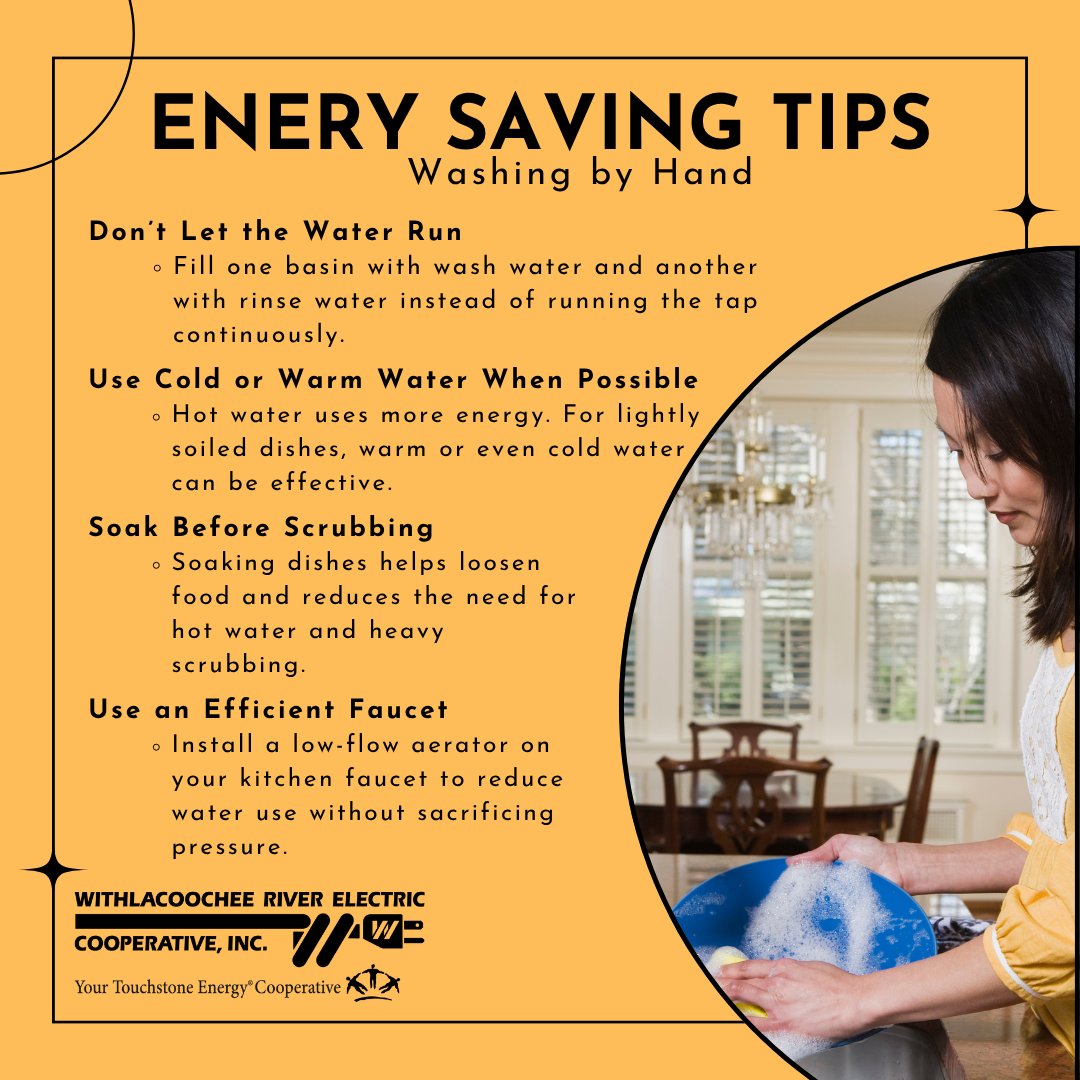
Fill one basin with soapy water and another with clean water for rinsing. This uses less water than running the tap.
Turn off the tap while scrubbing dishes. Only use water when you rinse, not for washing.
- Use a brush or sponge to clean dishes instead of running water
- Reuse rinse water for plants if safe
- Wash dishes in batches instead of one by one
Water-saving Cooking Habits
Saving water in the kitchen helps lower bills and protect the environment. Simple changes to cooking habits can reduce water use.
Using less water while preparing food is easy and effective. These tips focus on smart ways to save water during cooking.
Rinsing Produce In A Bowl
Fill a bowl with water to rinse fruits and vegetables. This uses less water than running the tap.
Swish the produce gently and drain the dirty water. Repeat if needed with fresh water in the bowl.
- Use a large bowl or basin
- Reuse rinse water for plants
- Only refill the bowl as needed
Reusing Cooking Water
Save water used to boil pasta or vegetables. Let it cool and use it for soups or watering plants.
This water has nutrients from the food and helps reduce waste. Store it in a container for later use.
- Cool water before storing
- Use within a day or two
- Do not reuse water with salt or oil
Eco-friendly Appliances
Using eco-friendly appliances in the kitchen helps save water. These appliances use less water while doing the same jobs.
Choosing the right appliances can reduce your water bills and protect the environment. Small changes make a big difference.
Choosing Water-efficient Fixtures
Water-efficient fixtures use less water without lowering performance. They help save water every day in the kitchen.
Look for faucets and taps with low flow rates. These fixtures reduce water waste while washing dishes or hands.
- Install aerators on faucets to lower water flow
- Choose faucets with a flow rate of 1.5 gallons per minute or less
- Use touchless or sensor faucets to stop water when not in use
Upgrading To Modern Dishwashers
Modern dishwashers use less water than older models. They clean dishes well using less water and energy.
Look for dishwashers with the ENERGY STAR label. These machines use advanced technology to save water.
- Choose dishwashers with soil sensors to adjust water use
- Load dishwashers fully before running them
- Use eco-friendly wash cycles that save water and energy
Water Recycling Ideas
Saving water in the kitchen helps reduce waste and lowers bills. Recycling water is an easy way to use less.
Using water again in simple ways keeps plants healthy and cuts down on water use.
Collecting Cold Water For Plants
Cold water often runs before it gets hot. Collect this water in a container.
Use the saved water to water your plants. This helps save fresh water and supports plant growth.
- Place a jug under the tap while waiting for hot water
- Use the collected water on indoor and outdoor plants
- Refill the jug each time you use the tap
Repurposing Cooking Water
Water used to boil vegetables or pasta has nutrients. Let it cool before using it for plants.
This water adds minerals to the soil and reduces the need for extra watering.
- Cool the cooking water to room temperature
- Pour it on your garden or houseplants
- Avoid using water with salt or oils for plants
Credit: www.estesair.com
Frequently Asked Questions
How Can I Reduce Water Usage When Washing Dishes?
Use a basin or plug the sink to wash dishes. Avoid running water continuously. Opt for energy-efficient dishwashers that use less water.
What Are The Best Ways To Save Water While Cooking?
Use only the water needed for boiling or steaming. Reuse water from washed vegetables for plants. Avoid thawing food under running water.
How Do I Fix Kitchen Leaks To Save Water?
Regularly check faucets and pipes for drips. Replace worn-out washers or seals. Even small leaks can waste gallons of water daily.
Can Installing Water-saving Devices Help In The Kitchen?
Yes, faucet aerators and low-flow fixtures reduce water flow. These devices maintain pressure while using less water, saving money and resources.
Conclusion
Saving water in the kitchen helps both the planet and your wallet. Small changes like fixing leaks and turning off taps can make a big difference. Using water wisely also keeps your home efficient. Everyone can join in and protect this precious resource.
Start with easy steps and build good habits every day. Water saved today means a better tomorrow for all. Simple actions add up to great results. Keep these tips in mind and act now. Your efforts truly matter.