
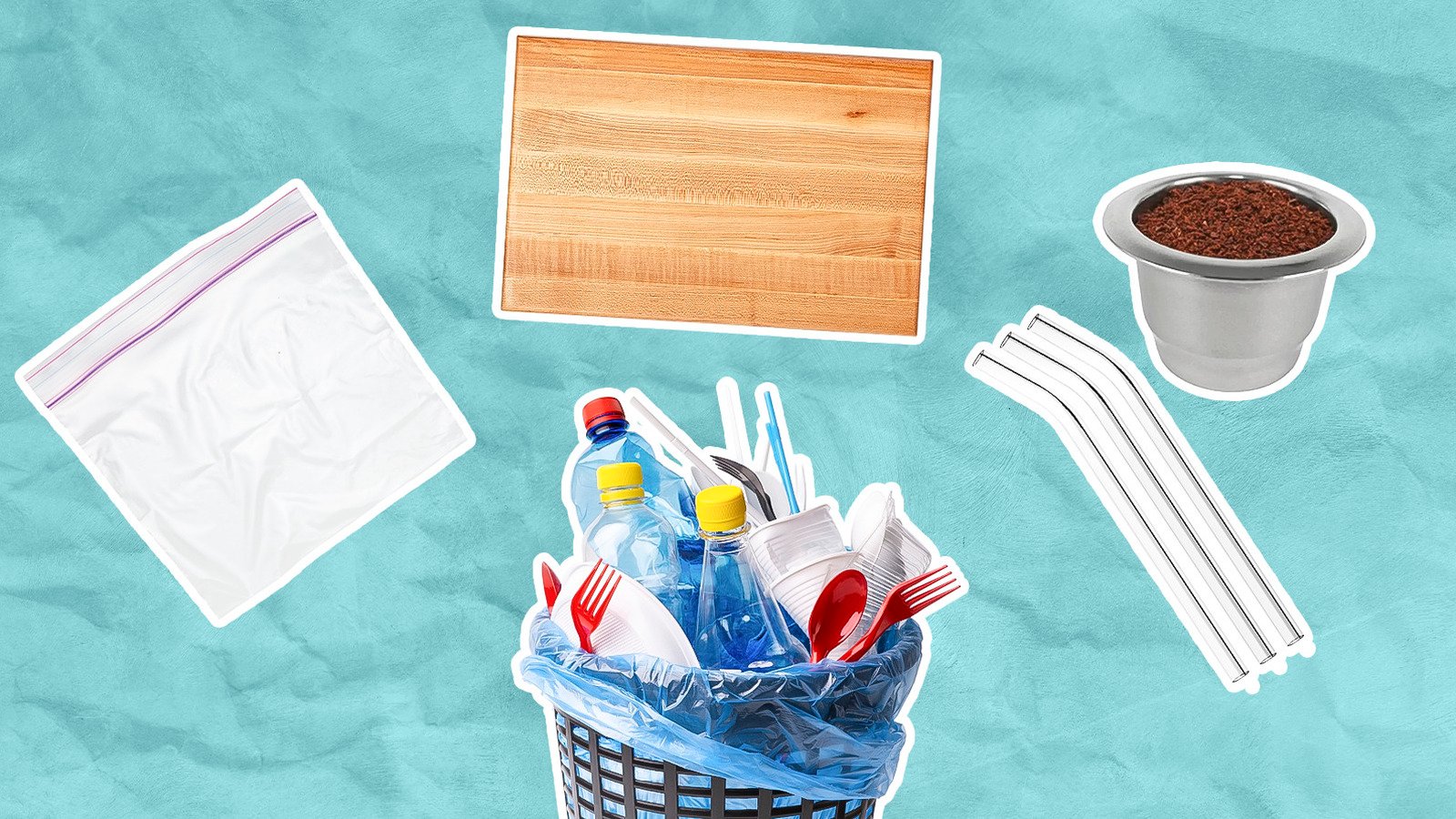
Your kitchen is one of the biggest sources of plastic waste in your home. Every day, you use plastic bags, containers, and wraps without even thinking about the impact they have on the environment.
But what if you could make simple changes that save money, reduce clutter, and help protect the planet? You will discover easy and practical tips to cut down plastic waste right where you cook and eat. These small steps can lead to big differences, and you’ll feel good knowing you’re doing your part.
Keep reading to find out how you can start transforming your kitchen today.
Credit: www.theguardian.com
Cut Single-use Plastics
Reducing plastic waste in the kitchen helps the planet. Start by cutting single-use plastics. They are used once and then thrown away.
Single-use plastics often end up in landfills and oceans. Reducing them is a great step towards a cleaner environment.
Choose Reusable Bags
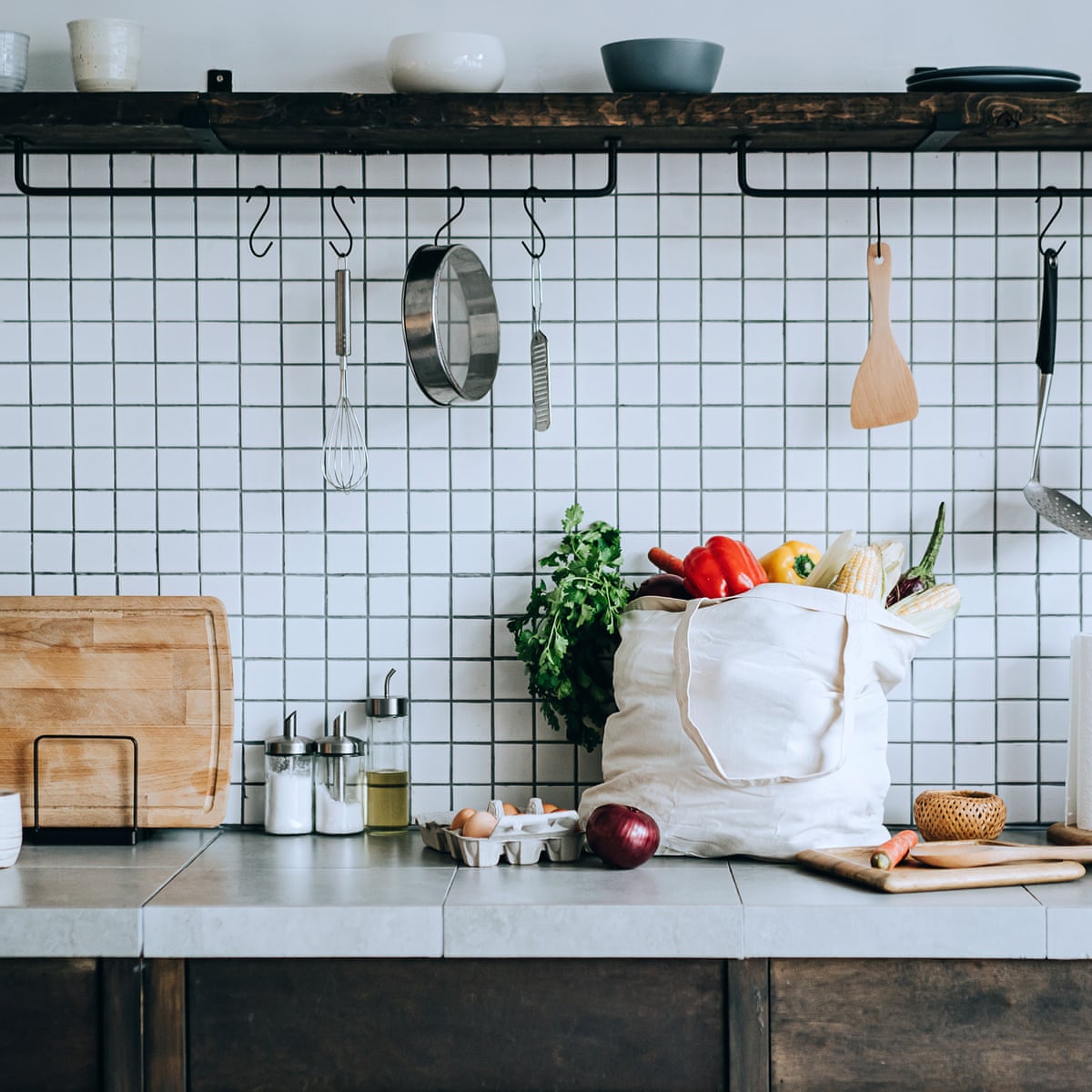
Plastic bags are common in kitchens. Switch to reusable bags to cut down on waste. They last longer and are easy to clean.
Reusable bags can carry groceries, snacks, and even storage items. They are a smart choice for every household.
- Durable and washable
- Available in many sizes
- Eco-friendly option
Switch To Beeswax Wraps
Beeswax wraps are a good alternative to plastic wrap. They keep food fresh without adding waste.
These wraps mold to fit any shape. Use them to cover bowls or wrap sandwiches. They can be reused many times.
- Natural and biodegradable
- Simple to clean with cool water
- Available in different patterns
Avoid Plastic Straws
Plastic straws are small but harmful. Choose reusable straws made of metal or bamboo instead.
These alternatives are easy to wash and carry. They are better for the environment and safe for everyday use.
- Sturdy and long-lasting
- Safe for hot and cold drinks
- Come with cleaning brushes
Store Food Smartly
Reducing plastic waste in the kitchen starts with how you store food. Smart storage keeps food fresh longer and cuts down on disposable plastic.
Using reusable containers and buying the right amounts help you avoid single-use plastics. Small changes make a big difference over time.
Use Glass Containers
Glass containers are safe and last a long time. They do not absorb smells or stains like plastic.
You can use glass containers for leftovers, meal prep, and dry goods. They keep food fresh without harmful chemicals.
Opt For Silicone Lids
Silicone lids fit over bowls and containers to seal food tightly. They are flexible and can stretch to fit different sizes.
These lids replace single-use plastic wrap and help reduce waste. They are easy to clean and reuse many times.
Buy In Bulk
Buying food in bulk reduces packaging waste. You can fill your own containers instead of using plastic bags or boxes.
Store bulk items like grains, nuts, and spices in glass jars or reusable containers. This keeps food fresh and plastic-free.
Cook With Less Waste
Reducing plastic waste in the kitchen starts with cooking smart. Using fewer plastic items helps the environment and saves money.
Simple changes in how you plan and use food can cut down on waste. This guide shows easy ways to cook with less waste.
Plan Meals Carefully
Planning meals helps you buy only what you need. This stops extra food from going to waste and lowers plastic packaging use.
Make a list before shopping and check what you already have. This keeps you from buying too much food in plastic containers.
- Create a weekly meal plan
- Buy loose fruits and vegetables
- Choose foods with less plastic packaging
- Use reusable bags for groceries
Compost Food Scraps
Composting food scraps turns waste into useful soil. It reduces trash and lowers the need for plastic bags in the kitchen.
Collect vegetable peels, coffee grounds, and eggshells. Avoid composting meat or dairy to keep pests away.
- Use a small compost bin on your counter
- Empty scraps into an outdoor compost pile
- Turn compost regularly to speed decomposition
- Use compost in your garden or plants
Repurpose Leftovers
Leftovers can be used for new meals. This reduces food waste and the need for single-use plastic containers.
Store leftovers in reusable containers or glass jars. Eat them within a few days to keep food fresh and safe.
- Turn cooked vegetables into soups or stir-fries
- Use stale bread for croutons or breadcrumbs
- Freeze leftovers in reusable bags or containers
- Share extra food with family or neighbors
Shop Eco-friendly
Reducing plastic waste in the kitchen starts with smart shopping. Choosing eco-friendly options helps lower plastic pollution.
Small changes in shopping habits can make a big difference for the environment and your health.
Choose Plastic-free Products
Look for products that use no plastic in their packaging. Glass, metal, and paper are better choices.
Plastic-free items often last longer and can be recycled or composted easily.
- Buy loose fruits and vegetables instead of pre-packed ones
- Choose bar soap and shampoo instead of plastic bottles
- Pick products in glass jars or metal tins
- Avoid single-use plastic utensils and plates
Support Local Markets
Local markets offer fresh produce with less plastic packaging. This reduces waste and supports farmers.
Shopping local also means you can buy only what you need, cutting down on food and packaging waste.
- Visit farmers’ markets regularly
- Ask vendors about plastic-free options
- Choose seasonal fruits and vegetables
- Buy in bulk to reduce packaging
Bring Your Own Containers
Using your own containers helps avoid plastic bags and packaging. It also keeps food fresh and safe.
Carry reusable bags, jars, and produce bags when shopping. This habit lowers plastic waste significantly.
- Use cloth bags for fruits and vegetables
- Bring glass jars for bulk foods
- Carry reusable containers for deli items
- Keep a small cooler for frozen goods
Maintain Kitchen Tools
Keeping your kitchen tools in good shape helps reduce plastic waste. When you care for tools, they last longer. This means fewer replacements and less trash.
Simple maintenance saves money and protects the environment. Focus on repairing and choosing the right materials for your tools.
Repair Instead Of Replace
Fix broken tools rather than throwing them away. Repairing keeps plastic out of landfills. It also saves resources used to make new items.
Small fixes like tightening screws or gluing parts extend tool life. Learn simple repairs or ask for help to fix your kitchen tools.
Buy Durable Materials
Choose kitchen tools made from strong, long-lasting materials. Durable tools do not break easily. They reduce the need for frequent replacements.
- Stainless steel
- Wood
- Silicone
- Glass
These materials often last longer than plastic. They help cut down on plastic waste in your kitchen.
Avoid Disposable Utensils
Skip single-use plastic utensils like forks and spoons. Disposable items create a lot of plastic waste. Use reusable tools instead.
- Carry your own cutlery set
- Use washable plates and cups
- Choose bamboo or metal utensils
These choices reduce plastic trash and keep your kitchen eco-friendly.
.png?impolicy=infographic)
Credit: www.angi.com
Clean Sustainably
Reducing plastic waste in the kitchen helps protect the environment. Cleaning sustainably is an easy way to cut down on plastic use.
Choosing the right cleaning habits can save plastic and keep your kitchen fresh and safe.
Use Natural Cleaners
Natural cleaners use fewer plastic bottles than store-bought products. They often come in simple packaging or none at all.
Common natural cleaners include vinegar, baking soda, and lemon juice. These ingredients clean well without harmful chemicals.
- White vinegar removes grease and odors
- Baking soda scrubs tough stains
- Lemon juice kills bacteria and adds fresh scent
Make Your Own Solutions
Mix your own cleaning solutions to avoid buying plastic bottles. Homemade cleaners are cheap and easy to make.
Use reusable bottles to store your mixes. Refill them to stop plastic waste from growing.
- Mix vinegar with water for a glass cleaner
- Combine baking soda and water for a paste cleaner
- Use essential oils for added scent
Skip Plastic Packaging
Choose products that do not use plastic packaging. Look for items in glass, metal, or cardboard containers.
Bring your own containers to refill stations. This reduces single-use plastic in your kitchen.
- Buy cleaning powders in cardboard boxes
- Use bar soap instead of liquid soap in plastic bottles
- Refill sprays from bulk stores using glass bottles

Credit: www.yahoo.com
Frequently Asked Questions
How Can I Reduce Plastic Waste In My Kitchen?
Use reusable containers, buy in bulk, and avoid single-use plastics. Opt for glass or metal alternatives. Compost organic waste and recycle plastic properly to minimize landfill impact.
What Are Eco-friendly Alternatives To Plastic Kitchen Items?
Choose bamboo utensils, silicone bags, beeswax wraps, and stainless steel containers. These options are durable, reusable, and biodegradable, reducing plastic dependency in daily kitchen use.
How Does Meal Planning Help Minimize Plastic Waste?
Meal planning reduces food packaging waste by buying only what you need. It prevents excess purchases wrapped in plastic, lowers food waste, and promotes mindful consumption habits.
Can Homemade Cleaning Products Reduce Plastic Bottle Use?
Yes, making cleaning solutions from vinegar, baking soda, and lemon saves plastic bottles. Store them in reusable spray containers to cut down on plastic waste significantly.
Conclusion
Reducing plastic waste in the kitchen helps protect our planet. Small changes make a big difference every day. Choose reusable items instead of single-use plastics. Store food in glass or metal containers. Buy products with less plastic packaging. These easy steps save resources and cut trash.
Everyone can join in and create cleaner homes. Start today and see the positive impact grow. Together, we build a healthier future for all.