
Are you tired of high energy bills every time you cook or clean in your kitchen? You’re not alone.
The good news is, small changes in how you use your kitchen can save you a lot of energy—and money—without sacrificing convenience. Imagine cutting down your electricity use while still enjoying your favorite meals and keeping your kitchen running smoothly.
You’ll discover simple, practical tips that make a big difference in reducing your kitchen’s energy consumption. Keep reading to find out how easy it is to save energy and boost your home’s efficiency starting today.
Credit: www.woodcocks.us
Cutting Appliance Energy Use
Kitchen appliances can use a lot of energy. Reducing this energy use can help save money and the environment. Here are some tips to help cut energy consumption in your kitchen.
Focusing on how you use your appliances can make a big difference. Simple changes can lead to significant savings over time.
Choose Energy-efficient Models
When buying new appliances, look for energy-efficient models. They use less power and can save you money on your bills.
Check for the energy rating label. Higher ratings mean better efficiency. This small step can lead to big savings.
- Look for Energy Star labels
- Compare energy usage of different models
- Consider the size and capacity you need
Unplug Devices When Idle
Many appliances use power even when turned off. Unplugging them can save energy and money.
Devices like toasters and coffee makers can be unplugged when not in use. This simple habit reduces wasted energy.
- Unplug chargers and small appliances
- Use a power strip for easy unplugging
- Turn off the power strip when not in use
Use Appliances At Off-peak Hours
Electricity costs less during off-peak hours. Using appliances at these times can lower your bills.
Check with your local utility company to find out when off-peak hours are. Adjust your appliance use to match these times.
- Run dishwashers and washing machines at night
- Cook meals during off-peak hours
- Plan ahead to use appliances efficiently

Credit: www.aepenergy.com
Smart Cooking Techniques
Saving energy in the kitchen helps lower bills and protects the environment. Using smart cooking techniques can reduce energy use.
These tips focus on simple ways to cook more efficiently and save power every day.
Cook With Lids On
Covering pots and pans traps heat and cooks food faster. This uses less energy because the stove stays on for a shorter time.
Lids also keep moisture inside, which helps food cook evenly and prevents water loss.
Batch Meal Preparation
Cooking many meals at once saves energy. You use the stove or oven less often, which cuts power use.
Batch cooking also saves time and makes it easier to eat healthy meals during busy days.
- Cook large portions of soups or stews
- Use big baking dishes for multiple meals
- Store meals in the fridge or freezer
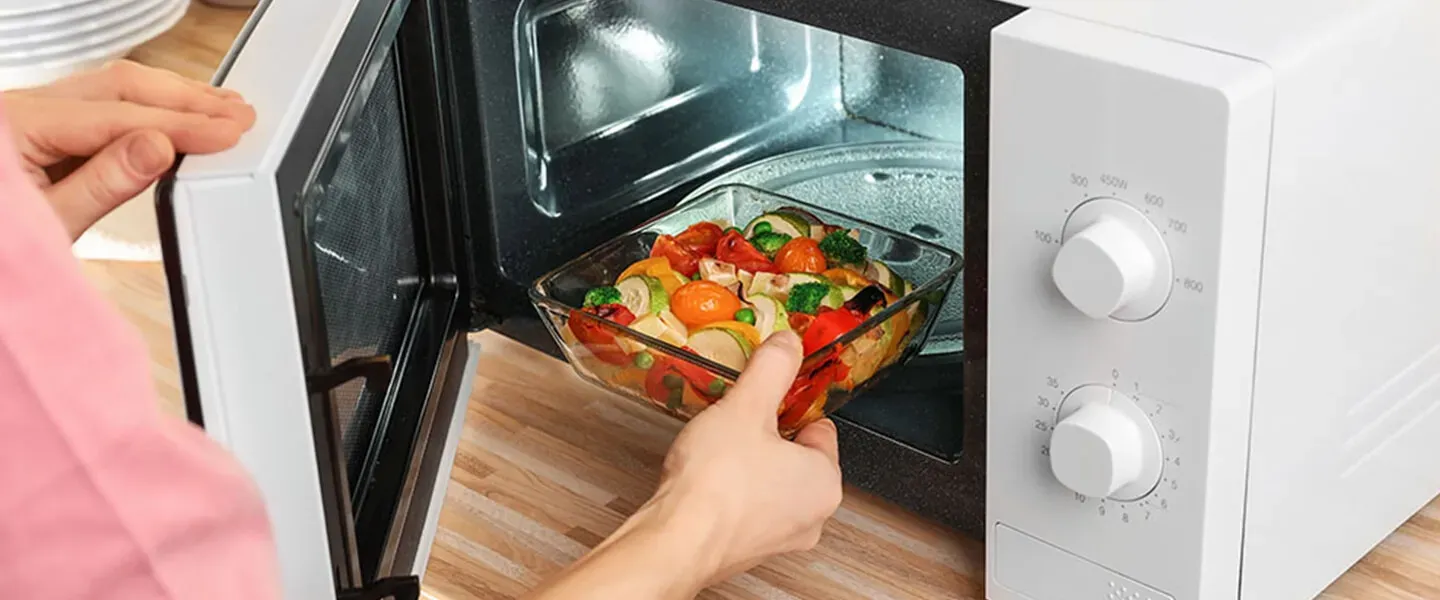
Opt For Microwave Or Pressure Cooker
Microwaves and pressure cookers use less energy than ovens and stoves. They cook food faster and save power.
Pressure cookers trap steam to cook tough foods quickly. Microwaves heat food directly, cutting cooking time.
- Microwaves are good for reheating and small meals
- Pressure cookers work well for beans, rice, and tough meats
- Both devices reduce cooking time and energy use
Lighting And Ventilation Tips
Reducing energy use in the kitchen saves money and helps the environment. Lighting and ventilation are key areas to focus on.
Simple changes can lower your energy bills and make your kitchen more comfortable. Use these tips to improve lighting and airflow efficiently.
Switch To Led Bulbs
LED bulbs use less energy than traditional bulbs. They last longer and stay cool, which is good for the kitchen.
Changing your kitchen lights to LEDs can cut energy use by up to 80%. This saves money and reduces heat.
- Choose LED bulbs with warm light for a cozy feel
- Replace all kitchen lights for best savings
- Use dimmable LEDs to adjust brightness
Maximize Natural Light
Use sunlight to light your kitchen during the day. Natural light uses no electricity and makes the space bright.
Keep windows clean and clear of heavy curtains. Use light-colored walls and reflective surfaces to spread light.
- Open blinds and curtains in daylight
- Trim plants blocking windows outside
- Paint walls white or light shades to reflect light
Use Ventilation Wisely
Proper ventilation removes heat and odors. Use kitchen fans and vents only when needed to save energy.
Turn off exhaust fans soon after cooking. Keep vents clean to help air flow better and use less power.
- Run fans at low speed if possible
- Close windows and doors when using fans to keep airflow controlled
- Clean fan filters monthly for best efficiency
Water Heating And Usage
Water heating uses a lot of energy in the kitchen. Saving energy here helps lower bills and protect the environment.
Simple changes in how you heat and use water can reduce energy waste. This guide shows easy tips to help.
Lower Water Heater Temperature
Set your water heater to 120°F (49°C) instead of higher. This keeps water hot enough for most uses.
Lower temperature reduces energy use and cuts the risk of burns. It also helps your water heater last longer.
Fix Leaks Promptly
Leaking taps and pipes waste water and energy. Hot water leaks are especially costly.
Check your kitchen for drips and fix leaks quickly. This stops energy loss and saves water.
Use Cold Water When Possible
Using cold water for tasks like washing vegetables or rinsing dishes saves energy. Heating water uses more power.
Choose cold water for simple cleaning and only use hot water when needed. This reduces energy use in your kitchen.
Fridge And Freezer Efficiency
Fridges and freezers use a lot of energy in the kitchen. Saving energy helps lower bills and protects the environment.
Simple actions can make your fridge and freezer work better. This guide focuses on three easy tips.
Keep Doors Closed
Open doors let cold air escape and warm air enter. This makes your fridge and freezer work harder to stay cold.
Try to open the doors only when needed. Close them quickly to keep the temperature steady.
Regularly Defrost Freezer
Ice build-up in the freezer reduces its efficiency. Thick ice makes the freezer use more energy to stay cold.
Defrost your freezer when ice is about 0.25 inches thick. Remove ice carefully to avoid damage.
- Turn off the freezer before defrosting
- Use warm water or a plastic scraper to remove ice
- Dry the freezer before turning it back on
Set Optimal Temperature
Setting the right temperature saves energy and keeps food fresh. Too cold uses more energy; too warm spoils food.
Keep the fridge between 37°F and 40°F (3°C to 4°C). Set the freezer at 0°F (-18°C) for best results.
- Check temperature settings regularly
- Use a thermometer for accuracy
- Avoid setting temperatures colder than needed
Small Changes With Big Impact
Saving energy in the kitchen is easy with simple habits. Small steps can lower your bills and help the environment.
Focus on smart changes that use less power but still keep your kitchen running smoothly.
Use Smaller Appliances
Smaller appliances use less energy than big ones. Choose toasters, microwaves, and kettles that fit your needs.
Using the right size appliance saves power and cooks food faster.
- Use a toaster oven instead of a large oven for small meals
- Pick a microwave that matches your portion size
- Choose a small blender for simple tasks
Dry Dishes Naturally
Skip the dishwasher’s drying cycle to save energy. Let dishes air dry instead.
Air drying cuts power use and keeps your kitchen cooler in summer.
- Open the dishwasher door after the wash cycle
- Place dishes on a drying rack
- Use a towel only for quick drying
Recycle And Compost Waste
Recycling and composting reduce trash and save energy used in waste processing.
Sort your kitchen waste to help the environment and lower your carbon footprint.
- Separate plastics, paper, and glass for recycling
- Collect food scraps for composting
- Use compost in your garden to grow plants
Credit: www.fortisbc.com
Frequently Asked Questions
How Can I Save Energy While Cooking?
Use energy-efficient appliances and cookware. Cover pots to retain heat. Cook multiple dishes simultaneously to reduce oven use. Avoid opening the oven door frequently to keep heat inside.
What Are The Best Energy-saving Kitchen Appliances?
Look for ENERGY STAR-rated refrigerators, dishwashers, and microwaves. These use less electricity without sacrificing performance. Choose induction cooktops as they heat faster and use less energy than gas or electric stoves.
Does Using A Microwave Save Kitchen Energy?
Yes, microwaves use less energy than ovens for small meals. They cook food faster and with less heat loss. Use them for reheating and quick cooking to reduce overall kitchen energy consumption.
How Can Lighting Reduce Kitchen Energy Use?
Switch to LED bulbs, which consume less electricity and last longer. Use task lighting only where needed. Turn off lights when not in use to save energy.
Conclusion
Saving energy in the kitchen is easier than you think. Small changes add up to big savings. Turn off appliances when not in use. Use lids on pots to cook faster. Choose energy-efficient kitchen tools. Clean appliances regularly for better performance.
These habits lower your electricity bills and help the environment. Start with one tip today and build from there. Your kitchen can be both smart and eco-friendly. Keep practicing these steps for lasting results. Simple efforts make a real difference over time.