
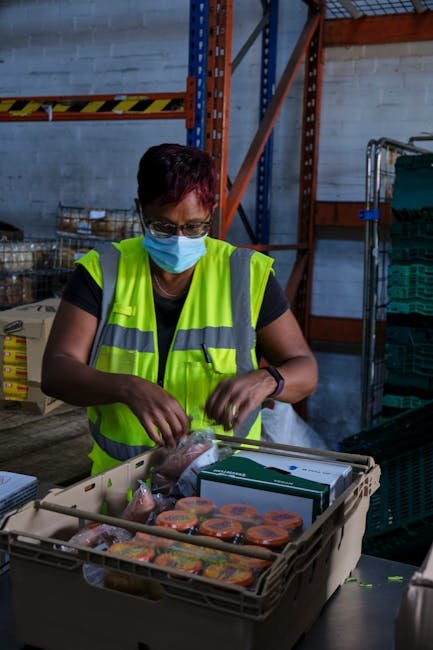
Are you sure your food is stored at the right temperature? Getting this wrong can spoil your meals faster and even harm your health.
But don’t worry—by learning a few simple tips, you can keep your food fresh longer and stay safe. You’ll discover easy ways to control your food storage temperature so your ingredients stay tasty and nutritious. Keep reading to protect your food and your family with smart, practical advice you can start using today.
Importance Of Food Storage Temperature
Keeping food at the right temperature helps stop germs from growing. This keeps food safe to eat and prevents illness.
Different foods need different storage temperatures. Knowing these helps keep food fresh longer.
Preventing Bacterial Growth
Bacteria grow fast when food is kept too warm. Cold temperatures slow down or stop this growth.
- Keep refrigerated foods at or below 40°F (4°C).
- Frozen foods should be stored at 0°F (-18°C) or below.
- Do not leave perishable food out for more than 2 hours at room temperature.
Maintaining Food Quality
Proper temperature keeps food tasting good. It stops food from spoiling or changing texture.
| Food Type | Ideal Storage Temperature |
| Dairy | 35°F to 40°F (1.6°C to 4°C) |
| Meat and Poultry | 32°F to 40°F (0°C to 4°C) |
| Fresh Produce | 40°F to 45°F (4°C to 7°C) |
| Frozen Food | 0°F (-18°C) or below |
Reducing Food Waste
Food stored at correct temperatures lasts longer. This lowers the chance of throwing away spoiled food.
- Check refrigerator temperature regularly.
- Use airtight containers to keep food fresh.
- Label food with storage dates to track freshness.
Dangers Of Incorrect Temperature
Keeping food at the right temperature is very important. Wrong temperatures can cause food to spoil fast. This can make people sick.
Food safety depends on controlling temperature. Learn the risks of storing food at wrong temperatures.
Bacterial Growth Risks
Bacteria grow quickly in food kept at unsafe temperatures. This can cause food poisoning. Many harmful bacteria multiply between 40°F and 140°F (4°C to 60°C).
- Cold foods must stay below 40°F (4°C) to slow bacteria.
- Hot foods should be above 140°F (60°C) to kill bacteria.
- Leaving food out too long lets bacteria grow fast.
- Cross-contamination spreads bacteria easily.
Nutrient Loss Concerns
Wrong temperatures also cause food to lose nutrients. Vitamins and minerals break down faster if food is too warm or frozen too long.
| Temperature Range | Effect on Nutrients |
| Above 40°F (4°C) | Vitamin C and B degrade quickly |
| Below Freezing (-18°C) | Texture changes, some nutrients lost |
| Proper Chill (32°F – 40°F) | Best to keep nutrients intact |
Cold Storage Best Practices
Storing food at the right temperature keeps it fresh and safe. Cold storage helps slow down bacteria growth.
Use proper temperatures in your fridge and freezer to protect your food and avoid waste.
Refrigerator Temperature Guidelines
Your refrigerator should be cold enough to keep food fresh but not frozen. Keep it between 35°F and 38°F (1.7°C to 3.3°C).
Check the temperature regularly with a fridge thermometer. Avoid opening the door often to keep the cold air inside.
- Store raw meat on the bottom shelf to prevent drips.
- Keep dairy products in the main compartment, not the door.
- Do not overfill the fridge; cold air needs to circulate.
Freezer Temperature Tips
Set your freezer at 0°F (-18°C) or lower. This temperature stops bacteria growth and keeps food safe for months.
Use a freezer thermometer to make sure the temperature stays steady. Avoid storing warm food to keep the temperature stable.
- Wrap food tightly to prevent freezer burn.
- Label items with dates to track storage time.
- Do not overload the freezer; cold air must flow freely.
Room Temperature Storage Tips
Storing food at room temperature can be safe if done correctly. Proper storage keeps food fresh and prevents spoilage.
Knowing the right way to store dry goods and use preservation methods helps keep your food safe to eat.
Dry Goods Safety
Dry goods like flour, rice, and beans need the right conditions. Keep them dry and away from heat to stop mold and bugs.
- Store dry goods in airtight containers to avoid moisture.
- Keep containers in a cool, dark place to slow spoilage.
- Check packages for damage before buying or storing.
- Use older dry goods first to prevent waste.
Preservation Techniques
Preserving food at room temperature helps extend shelf life. Some methods keep food safe without refrigeration.
| Technique | Description | Examples |
| Dehydration | Removes moisture to stop bacteria growth | Dried fruits, jerky |
| Pickling | Uses vinegar or brine to preserve food | Pickles, sauerkraut |
| Fermentation | Uses good bacteria to protect food | Kimchi, yogurt |
| Sealing | Protects food from air and pests | Vacuum sealing, airtight jars |
Monitoring And Adjusting Storage
Keeping food at the right temperature prevents spoilage and illness. Monitoring storage conditions is key to safe food handling.
Adjusting temperatures quickly helps protect food quality. Use simple tools and routines for best results.
Using Thermometers
Thermometers measure the exact temperature inside storage units. They show if food stays within safe limits.
- Choose a reliable thermometer designed for food storage.
- Place it in the center of the refrigerator or freezer.
- Check that the thermometer is easy to read and clean.
- Use digital or dial thermometers based on your preference.
Regular Temperature Checks
Check temperatures often to catch changes early. Record these readings to track storage conditions over time.
| Time of Day | Storage Unit | Temperature (°F) | Action Needed |
|---|---|---|---|
| Morning | Refrigerator | 38 | None |
| Afternoon | Freezer | 5 | Adjust setting |
| Evening | Refrigerator | 41 | Check door seal |

Credit: www.delish.com
Common Mistakes To Avoid
Keeping food at the right temperature is key for safety and freshness. Many people make errors that cause food to spoil faster or become unsafe.
Here are two common mistakes to avoid for better food storage and health.
Overloading The Fridge
Stuffing the fridge too full blocks air flow. This stops the fridge from keeping all items cold enough. It can cause uneven cooling and spoilage.
- Do not cram food tightly together.
- Leave space between items for air circulation.
- Organize food by type and temperature needs.
- Check the fridge temperature regularly to keep it below 40°F (4°C).
Ignoring Expiry Dates
Using food past its expiry date can cause illness. Some foods look fine but are unsafe. Expiry dates show the last safe use date.
| Food Type | Check Before Use |
| Dairy Products | Discard if expired or smell sour |
| Meat and Poultry | Do not use after expiry; check color and smell |
| Packaged Snacks | Use before expiry for best taste and safety |
| Frozen Food | Use before expiry for quality; freezer burn is a sign to discard |
Benefits Of Proper Food Storage
Storing food at the right temperature keeps it fresh and safe. It helps you save money and avoid health risks.
Proper food storage stops spoilage and harmful germs. This makes your meals last longer and taste better.
Reduced Food Waste
Keeping food at the correct temperature slows down spoiling. This means less food thrown away.
Proper storage helps you use food before it goes bad. It saves money and resources.
- Cold temperatures slow bacteria growth
- Freezing preserves food for months
- Right storage stops freezer burn
- Proper sealing keeps food fresh
Enhanced Food Safety
Food stored at safe temperatures reduces the risk of illness. Harmful bacteria do not grow well in cold.
Keeping food cold or frozen keeps it safe until you eat it. This protects your family from food poisoning.
- Refrigerate perishables below 40°F (4°C)
- Freeze leftovers at 0°F (-18°C) or lower
- Do not leave food out for more than 2 hours
- Keep raw and cooked foods separate

Credit: medium.com
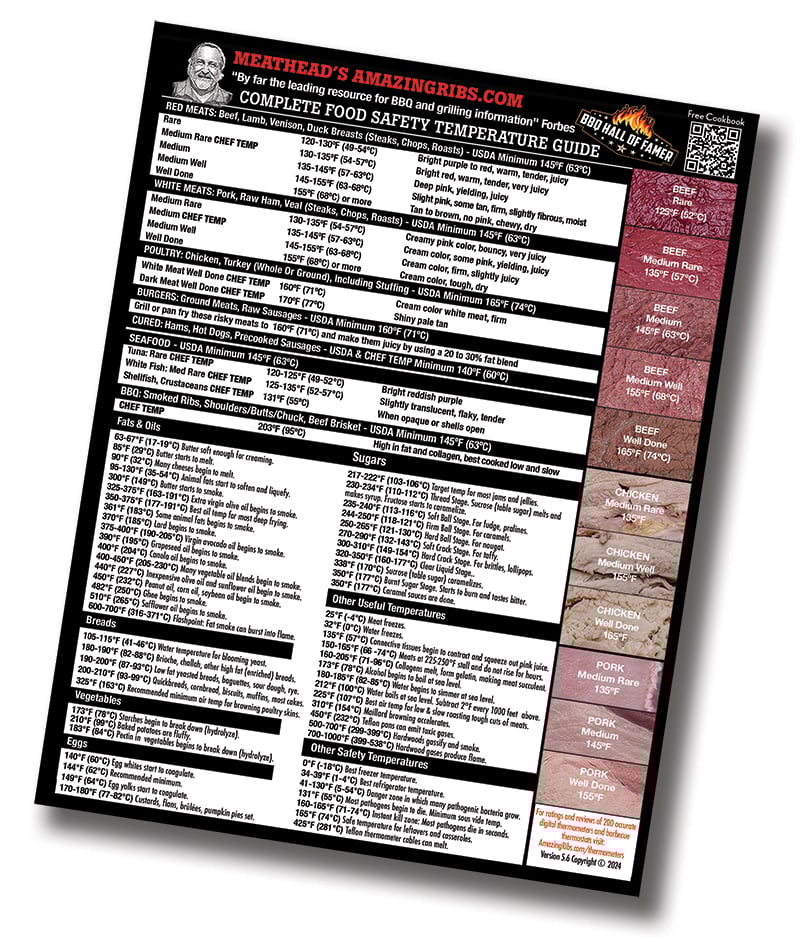
Credit: amazingribs.com
Frequently Asked Questions
What Is The Ideal Temperature For Storing Perishable Food?
The ideal temperature for perishable food is below 40°F (4°C). This slows bacterial growth and keeps food safe longer. Refrigerators should be set between 35°F and 38°F for optimal freshness. Always use a thermometer to monitor your fridge’s temperature accurately.
How Does Temperature Affect Food Safety And Shelf Life?
Temperature controls bacterial growth, which impacts food safety and shelf life. Warmer temperatures speed up spoilage and increase risk of foodborne illness. Keeping food at recommended cold or hot temperatures preserves freshness and reduces waste, ensuring your meals stay safe and tasty longer.
Can Freezing Food Extend Its Storage Time Safely?
Yes, freezing food at 0°F (-18°C) or lower safely extends storage time. It halts bacterial growth and preserves nutrients. Proper packaging prevents freezer burn and maintains quality. Always label frozen food with date to use within recommended time frames.
Why Is It Important To Avoid Temperature Fluctuations In Storage?
Temperature fluctuations cause condensation and promote bacterial growth. This leads to faster spoilage and potential food safety issues. Consistent storage temperature maintains food quality, texture, and flavor. Use appliances with stable temperature controls and avoid frequent door openings.
Conclusion
Proper food storage keeps meals safe and fresh longer. Cool temperatures stop bacteria from growing fast. Always check your fridge and freezer settings. Store food in clean, sealed containers to protect taste. Avoid leaving food out too long at room temperature.
These simple steps help prevent waste and sickness. Your health depends on how you store food daily. Small changes make a big difference in safety. Keep these tips in mind for every meal. Safe storage means better food and peace of mind.