
Are you ready to make your smart oven work harder for you? Programming your smart oven the right way can save you time, reduce stress, and help you cook perfect meals every time.
Whether you’re new to smart appliances or looking to get more from your kitchen gadget, these tips will make your cooking experience smoother and more enjoyable. Keep reading to discover simple, practical ways to unlock the full potential of your smart oven and impress everyone with your culinary skills.
Credit: www.tasteofhome.com
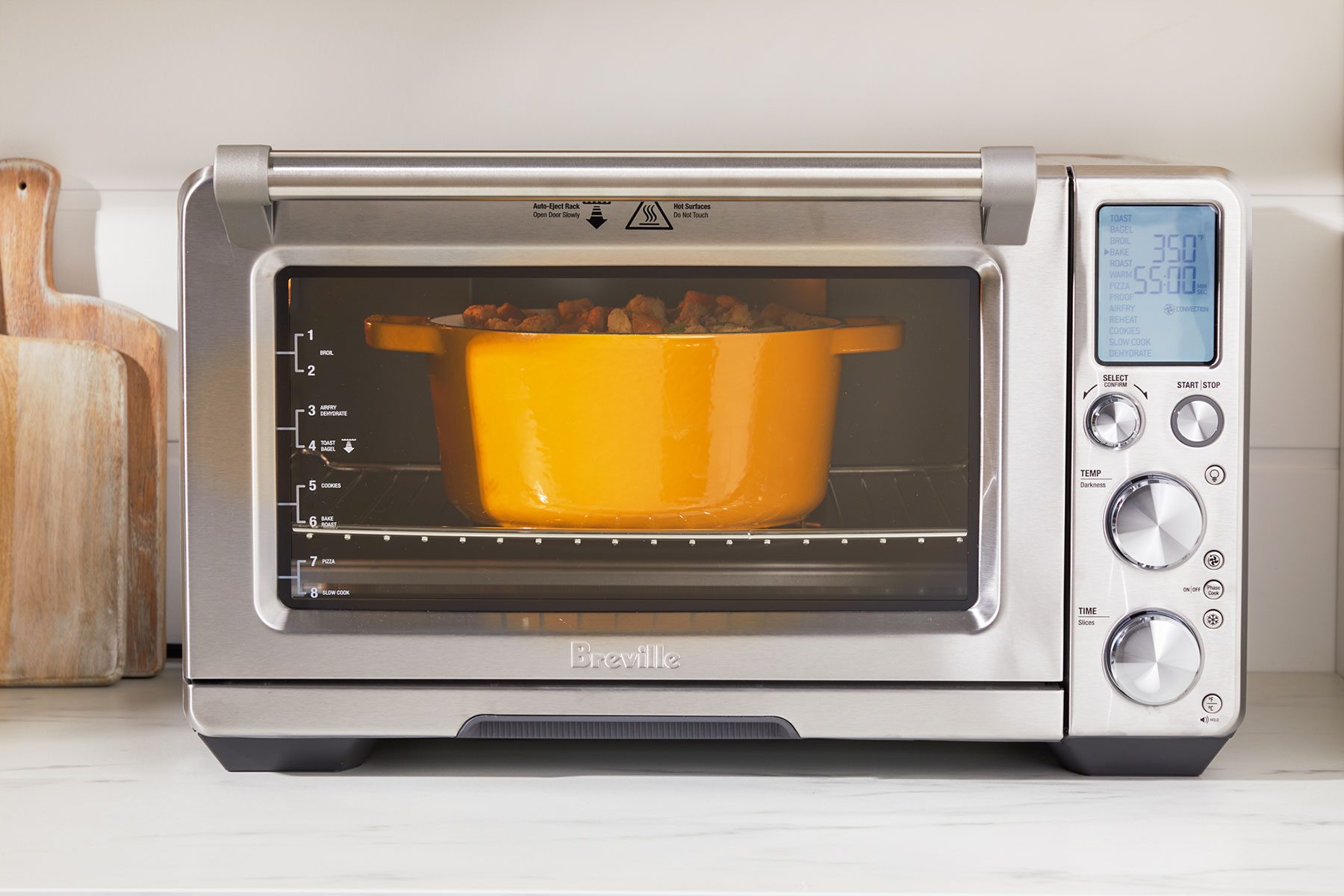
Choosing The Right Settings
Smart ovens offer many settings for different cooking needs. Picking the right settings ensures your food is cooked perfectly.
Learn how to choose temperature, time, and preheat options for the best results.
Selecting Temperature Modes
Temperature modes vary depending on what you are cooking. Common modes include bake, roast, and broil.
Each mode uses a different temperature to achieve the best texture and flavor.
- Bake for cakes and bread
- Roast for meats and vegetables
- Broil for quick, high-heat cooking
Adjusting Cooking Time
Cooking time affects how well your food is cooked. Use the suggested time for each recipe.
Adjust the time based on your oven’s performance and food type. Check food for doneness before removing.
| Food Type | Suggested Cooking Time |
| Chicken | 30-40 minutes |
| Cookies | 10-12 minutes |
| Vegetables | 20-25 minutes |
Using Preheat Options
Preheating your oven ensures even cooking. Set the oven to preheat before adding your food.
Some smart ovens have a quick preheat option. Use it to save time without sacrificing quality.
- Preheat for baked goods like bread and pastries
- Quick preheat for frozen foods
- Skip preheat for slow-cooked dishes
Credit: www.consumerreports.org
Optimizing Sensor Functions
Smart ovens use sensors to cook food better. Sensors help control heat and moisture inside the oven.
Optimizing these sensors makes cooking more accurate and saves energy. It also prevents overcooking or undercooking.
Leveraging Moisture Sensors
Moisture sensors detect steam and water inside the oven. They help the oven adjust cooking time and heat.
Using moisture sensors can keep food juicy and prevent it from drying out. They work well with baking and roasting.
- Place sensors near the cooking area for best results
- Use sensors to stop cooking when moisture drops
- Combine moisture data with temperature for better control
Utilizing Temperature Probes
Temperature probes measure the inside heat of food. They help cook meat and other dishes evenly.
Smart ovens use probes to adjust cooking speed and avoid overcooking. Probes give real-time food temperature feedback.
- Insert probes into the thickest part of the food
- Set target temperatures for different recipes
- Use probe data to pause or lower heat automatically
Calibrating Sensor Accuracy
Calibrating sensors keeps them working correctly. Sensors may lose accuracy over time or after heavy use.
Regular calibration improves cooking results and sensor reliability. Calibration is simple with the right tools.
- Test sensors with known temperature or moisture levels
- Adjust sensor settings according to manufacturer guides
- Repeat calibration every few months or after repairs
Customizing Cooking Programs
Smart ovens let you change cooking programs to fit your needs. You can make cooking easier and faster by adjusting settings.
Customizing programs helps you cook your favorite meals just right every time. It also saves time and effort.
Saving Favorite Recipes
You can save your favorite recipes in the smart oven. This means you do not need to enter settings again and again.
Saved recipes store the cooking time, temperature, and mode. This makes cooking quick and consistent.
- Choose the recipe after cooking
- Press the save option on the oven screen
- Name your recipe for easy recall
- Access saved recipes anytime from the menu
Modifying Default Settings
Default settings in smart ovens can be changed to match your style. You can adjust temperature, time, and cooking modes.
Changing default settings means the oven starts with your preferred choices. This saves time and avoids mistakes.
- Set preferred temperature for common dishes
- Change default cooking times to suit your recipes
- Choose cooking modes like bake, roast, or broil
- Save settings so the oven remembers them
Scheduling Cooking Times
Smart ovens allow you to set cooking times in advance. You can schedule when the oven starts and stops cooking.
This feature helps you plan meals better. You can have food ready exactly when you want it.
- Pick the cooking program first
- Set the start time for the oven
- Choose the cooking duration
- Confirm the schedule to activate it
Enhancing Cooking Techniques
Smart ovens offer many tools to improve cooking results. Programming them well helps make food tastier and more consistent.
Using specific cooking settings can save time and ensure even cooking. Learning how to use these features is important.
Using Multi-stage Cooking
Multi-stage cooking lets you set different temperatures and times in one cycle. This helps cook food perfectly from start to finish.
You can start with high heat to brown the outside. Then lower the temperature to cook the inside gently.
- Start with preheating to the highest needed temperature
- Set the middle stage for slow cooking or simmering
- Use the final stage to keep food warm without overcooking
Incorporating Convection Features
Convection uses a fan to circulate hot air inside the oven. This creates even heat and faster cooking.
Use convection for baking cookies, roasting vegetables, and cooking meat evenly. It reduces hot spots and browns food well.
- Turn on convection mode for better air flow
- Lower temperature by 25°F compared to regular baking
- Check food earlier than usual to avoid overcooking
Combining Cooking Methods
Smart ovens allow combining cooking modes like bake, broil, and steam. This helps create more complex textures and flavors.
For example, steam and bake can keep food moist inside while making the outside crispy. Combining methods can match different recipes.
- Use steam and bake for tender meats and bread
- Broil after baking to add a crispy top layer
- Mix grill and convection for smoky and even cooking
Maintenance And Troubleshooting
Programming smart ovens requires regular care to keep them working well. Maintenance helps avoid problems and keeps the oven safe to use.
Troubleshooting helps fix common issues quickly. Learning simple tips saves time and effort.
Regular Cleaning Tips
Clean your smart oven often to stop dirt buildup. Dirt can cause bad smells and affect cooking.
Use a soft cloth and mild cleaner. Avoid harsh chemicals that can damage the oven’s surface.
- Wipe spills right after cooking
- Clean the inside walls weekly
- Remove crumbs from the tray
- Check and clean the door seal
- Keep the control panel dry
Updating Firmware
Smart ovens use firmware to work properly. Updates fix bugs and add new features.
Check for updates often. Follow the instructions in the oven’s manual or app to install updates.
- Connect oven to Wi-Fi
- Open the oven’s app or menu
- Look for software updates
- Download and install updates
- Restart the oven if needed
Resolving Common Errors
Smart ovens may show error codes or stop working. Knowing simple fixes saves time.
Try these quick solutions before calling support.
- Restart the oven by turning it off and on
- Check power connection and cables
- Reset the oven to factory settings if needed
- Make sure the door is fully closed
- Clear any food debris blocking sensors

Credit: www.forbes.com
Frequently Asked Questions
How Do I Program A Smart Oven For Best Results?
To program a smart oven effectively, use preset cooking modes suited for your dish. Follow manufacturer instructions for temperature and time settings. Utilize voice commands or app controls for convenience. Regularly update your oven’s software for optimal performance and accuracy.
What Are The Benefits Of Using Smart Oven Presets?
Smart oven presets simplify cooking by automatically adjusting temperature and time. They ensure consistent results and reduce guesswork. Presets save time by quickly selecting ideal settings for popular dishes. This feature enhances cooking precision and convenience for all skill levels.
Can I Control My Smart Oven Remotely?
Yes, most smart ovens allow remote control via smartphone apps. You can preheat, adjust settings, and monitor cooking status from anywhere. This feature offers flexibility and helps prevent overcooking or undercooking meals, enhancing overall kitchen efficiency.
How To Maintain My Smart Oven For Longevity?
Clean your smart oven regularly following manufacturer guidelines to prevent residue buildup. Avoid harsh chemicals that can damage sensors or coatings. Keep software updated to ensure smooth operation. Proper maintenance extends your oven’s life and maintains cooking accuracy.
Conclusion
Programming smart ovens is easier with these simple tips. Start by reading the manual carefully. Set cooking times and temperatures based on your recipes. Use presets to save time and avoid mistakes. Always check the oven’s display to confirm settings.
Experiment slowly to learn how your oven works best. Remember, practice helps you cook better meals every day. Enjoy the convenience and control smart ovens provide. Keep these tips in mind for tasty and hassle-free cooking.