
Are you tired of kitchen timers that are hard to set or don’t fit your cooking style? Imagine having a smart kitchen timer that works exactly how you want it to—making your cooking smoother and stress-free.
Whether you’re baking, boiling, or simmering, the right programming tips can help you get perfect results every time. Keep reading, and you’ll discover simple, practical ways to make your smart kitchen timer work smarter for you. Your cooking routine is about to get a whole lot easier.
Choosing The Right Timer Hardware
Smart kitchen timers help you cook with precision. Picking the right timer hardware is essential for your needs.
Consider the features and functionality that will best serve your kitchen tasks.
Comparing Digital And Analog Timers
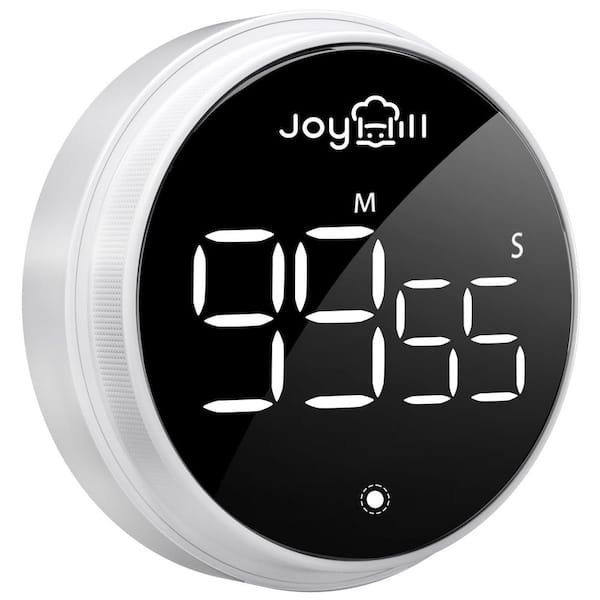
Digital timers show time on a screen. They are precise and often come with extra features.
Analog timers use a dial to set the time. They are simple and easy to use.
- Digital timers offer precise time settings
- Analog timers are straightforward with fewer features
- Choose based on your comfort and needs
Power Sources And Battery Life
Timers can be powered by batteries or plugged in. Battery life varies by model.
Consider how often you use your timer. This affects the type of power source you need.
- Batteries offer portability
- Plug-in timers need a nearby outlet
- Check battery life for long use
Display Types And Visibility
Clear displays are important for quick reading. Some displays are large, others are backlit.
Think about where you will place your timer. Good visibility makes it easier to use.
- Large displays are easier to read
- Backlit screens help in low light
- Consider your kitchen lighting

Credit: www.aliontimer.com
Essential Features For Smart Timers
Smart kitchen timers help you cook with ease and save time. They offer many useful features to improve your cooking experience.
Choosing the right features makes smart timers more flexible and user-friendly. This guide covers the key features to look for.
Multiple Timer Settings
Having multiple timers lets you track different dishes at once. This feature helps you avoid overcooking or burning food.
You can set timers for different times and start or stop them separately. This is useful during complex meals.
- Set several timers at once
- Pause and resume timers independently
- Label each timer for easy tracking
Customizable Alerts And Sounds
Custom alerts help you notice when a timer ends. You can choose sounds or vibrations that suit your environment.
Changing alerts avoids confusion with other devices. Custom sounds make it easier to recognize specific timers.
- Choose different sounds for each timer
- Adjust alert volume and duration
- Use vibration mode for quiet alerts
Integration With Smart Home Devices
Smart timers that connect with other devices add convenience. They can work with voice assistants or smart displays.
Integration lets you control timers hands-free. It also allows syncing with kitchen appliances and other smart tools.
- Control timers using voice commands
- See timer status on smart displays
- Sync timers with ovens or other gadgets
Programming Techniques For Efficiency
Programming smart kitchen timers helps save time and reduces cooking errors. Efficient programming makes the timer easy to use and reliable.
Good programming techniques improve user experience and speed up cooking tasks. Let’s explore ways to make smart timers work better.
Setting Up User-friendly Interfaces
User-friendly interfaces make timers simple for all users. Clear buttons and easy menus reduce confusion.
Use large text, simple icons, and logical button layout. Test the interface with different users to find problems.
- Use clear labels on buttons
- Keep menus short and simple
- Provide visual feedback for actions
- Use color to highlight important options
Implementing Voice Control
Voice control lets users set timers without touching the device. This is useful when hands are busy or dirty.
Program the timer to understand common cooking commands. Include options to start, stop, and reset timers by voice.
- Use simple voice commands like “Set timer for 10 minutes”
- Confirm commands with spoken feedback
- Allow users to cancel or change timers by voice
- Support multiple languages if possible
Utilizing Preset Cooking Modes
Preset cooking modes save time by using common timer settings. Users pick a mode instead of entering time manually.
Include presets for popular foods and cooking styles. This helps users cook without guesswork.
- Preset times for boiling, baking, frying, and steaming
- Easy selection from a menu or buttons
- Option to customize and save new presets
- Show descriptions to explain each preset
Credit: www.homedepot.com
Advanced Hacks For Enhanced Functionality
Smart kitchen timers can do more than just count down. Adding advanced features makes cooking easier and safer.
Using sensors and AI can improve timing accuracy and give helpful cooking tips.
Using Sensors For Accurate Timing
Sensors can detect heat, humidity, or motion to adjust timer settings. This helps avoid overcooking or burning food.
For example, a temperature sensor can pause the timer if the oven cools down suddenly. This keeps cooking times accurate.
- Use heat sensors to track oven or stove temperature
- Humidity sensors help with baking and steaming
- Motion sensors detect when food is moved or stirred
- Adjust timer based on real-time sensor data
Automating Timer Start And Stop
Automate your timer to start or stop with kitchen actions. This reduces the need to touch the device while cooking.
For instance, linking the timer to a stove burner lets it start when the burner turns on. It can stop when the burner is off.
- Connect timer to stove or oven power status
- Start timer when cooking appliances activate
- Stop timer when cooking ends or appliance shuts off
- Use voice commands or smart home triggers
Incorporating Ai For Cooking Suggestions
AI can analyze cooking data and suggest better times or temperatures. It helps users cook food just right.
Smart timers with AI learn your cooking habits and offer tips to improve recipes or prevent mistakes.
- Use AI to recommend cooking durations based on food type
- Receive alerts for optimal stirring or flipping times
- Get suggestions to adjust temperature or time during cooking
- Learn from past cooking sessions to improve future results
Troubleshooting Common Timer Issues
Smart kitchen timers can help cook meals perfectly. Sometimes, they may face issues that stop them from working well. Fixing these problems quickly keeps your cooking on track.
This guide covers common problems with smart timers. It explains simple ways to solve them for better use.
Fixing Connectivity Problems
Smart timers often rely on Wi-Fi or Bluetooth to work. If your timer does not connect, check your network first. Weak signals can cause trouble.
Restart your router and timer to refresh the connection. Make sure your timer is in range of the signal source.
- Check if Wi-Fi or Bluetooth is on
- Restart the timer and router
- Move timer closer to the router
- Remove other devices that may block signals
Dealing With Inaccurate Countdown
Sometimes timers show the wrong time left. This may happen if the timer’s clock is off. Reset the timer to fix the countdown.
Check the timer’s settings to ensure the time zone and clock are correct. Avoid opening the timer app on many devices at once.
- Reset the timer to default
- Set correct time and time zone
- Use the timer on one device only
- Keep the timer charged or plugged in
Ensuring Firmware Updates
Firmware updates fix bugs and add features to timers. Check regularly if updates are available. Updating keeps the timer working well.
Follow the instructions from the timer maker to update safely. Avoid turning off the timer during updates.
- Check for updates in the timer app
- Download and install updates promptly
- Keep the timer connected to power
- Do not interrupt the update process
Credit: javascript.plainenglish.io
Security And Privacy Considerations
Smart kitchen timers connect to networks and store user data. This makes security and privacy very important.
Protecting this information helps keep users safe and builds trust in your device.
Protecting User Data
Keep user data safe by storing it securely. Use encryption to protect sensitive information.
Limit data collection to only what the timer needs to work well. Avoid saving unnecessary personal details.
- Encrypt all stored data
- Collect only essential information
- Use strong passwords for data access
- Regularly update software to fix security holes
Secure Network Connections
Smart timers often connect to Wi-Fi or other networks. Secure these connections to prevent hackers.
Use strong encryption like WPA3 for Wi-Fi. Avoid open or weak networks that can be easily accessed.
- Use secure Wi-Fi protocols
- Enable firewall protections
- Keep firmware updated
- Monitor network activity for unusual access
Managing Permissions
Limit the permissions your smart timer app asks for. Only request access needed for the timer to work.
Allow users to control what data the app can access. Make permission settings easy to find and change.
- Request minimal permissions
- Provide clear permission explanations
- Allow users to update permissions anytime
- Disable unused features to reduce risk
Frequently Asked Questions
What Are Smart Kitchen Timers And How Do They Work?
Smart kitchen timers are digital devices that help track cooking time. They connect to smartphones or smart home systems. They offer precise alerts and customizable settings to improve cooking efficiency.
How Can I Program A Smart Kitchen Timer Effectively?
To program smart timers, set clear cooking durations and alarms. Use presets for common recipes. Sync with your smartphone for remote control and notifications.
What Features Should I Look For In Smart Kitchen Timers?
Look for easy-to-use interfaces, loud alarms, and multiple timer settings. Connectivity options like Bluetooth or Wi-Fi add convenience. Battery life and durability are important too.
Can Smart Kitchen Timers Improve Cooking Accuracy?
Yes, smart timers provide precise timing and alerts. They reduce the risk of overcooking or burning food. Timers with voice control enhance hands-free operation.
Conclusion
Programming smart kitchen timers helps save time and avoid mistakes. Set clear, simple steps for each timer. Test the timer before using it in cooking. Keep the timer within easy reach. Choose sounds that are easy to hear. Remember to reset timers after each use.
Using these tips makes cooking smoother and less stressful. Enjoy better control over your kitchen tasks every day. Small changes bring big benefits in the kitchen. Try these ideas and see the difference yourself.