
Are you getting the most out of your smart dishwasher? Programming it efficiently can save you time, energy, and even money.
But if you’re like many people, you might not be using all the features your dishwasher offers. Imagine finishing your dishes faster while using less water and electricity—sounds great, right? You’ll discover simple tips that help you master your smart dishwasher’s settings.
Keep reading to unlock easy ways to make your dishwashing routine smarter and smoother.
Credit: www.listful.com
Choosing The Right Dishwasher Settings
Smart dishwashers have many settings to clean dishes well. Choosing the right settings saves time and energy.
This guide helps you pick the best modes and energy options for your dishwasher.
Understanding Dishwasher Modes
Dishwashers have different modes for cleaning dishes. Each mode uses different water and heat levels.
Choose a mode based on how dirty your dishes are and the type of items you wash.
- Normal mode is good for everyday dishwashing.
- Heavy mode cleans pots and pans with tough stains.
- Quick mode washes lightly dirty dishes fast.
- Eco mode saves water and energy but takes longer.
- Delicate mode protects glass and fragile items.
Selecting Energy-efficient Options
Using energy-efficient settings lowers electricity use and cuts costs. It also helps the environment.
Look for options that reduce water temperature and cycle time without hurting cleaning results.
- Choose eco or energy-saving modes when dishes are not very dirty.
- Use delayed start to run the dishwasher at off-peak hours.
- Skip the heat dry option to save electricity.
- Load the dishwasher fully to maximize water and energy use.
Credit: www.lg.com
Optimizing Dishwasher Load
Programming a smart dishwasher well saves water and energy. It also cleans dishes better.
One key to efficiency is how you load the dishwasher. Proper loading helps the machine work right.
Proper Dish Arrangement
Place dishes so water reaches all surfaces. Face dirty sides toward spray arms.
Keep space between items. This stops water from being blocked during washing.
- Put plates and bowls in the bottom rack, standing up
- Arrange cups and glasses on the top rack, tilted down
- Place utensils in the basket with handles down
- Avoid nesting dishes inside each other
Avoiding Overloading
Do not fill the dishwasher beyond its limit. Overloading stops water flow and reduces cleaning.
Leave space between items so the spray reaches all surfaces. Overcrowding can cause spots and dirt.
- Load enough dishes but keep gaps between them
- Do not stack plates or bowls tightly together
- Check if the spray arms can spin freely before starting
- Run smaller loads if dishes are very dirty
Using Smart Features
Smart dishwashers come with features that make washing dishes easier. These features help save time and energy.
Knowing how to use these features can help you run your dishwasher efficiently. It also improves cleaning results.
Remote Control Functions
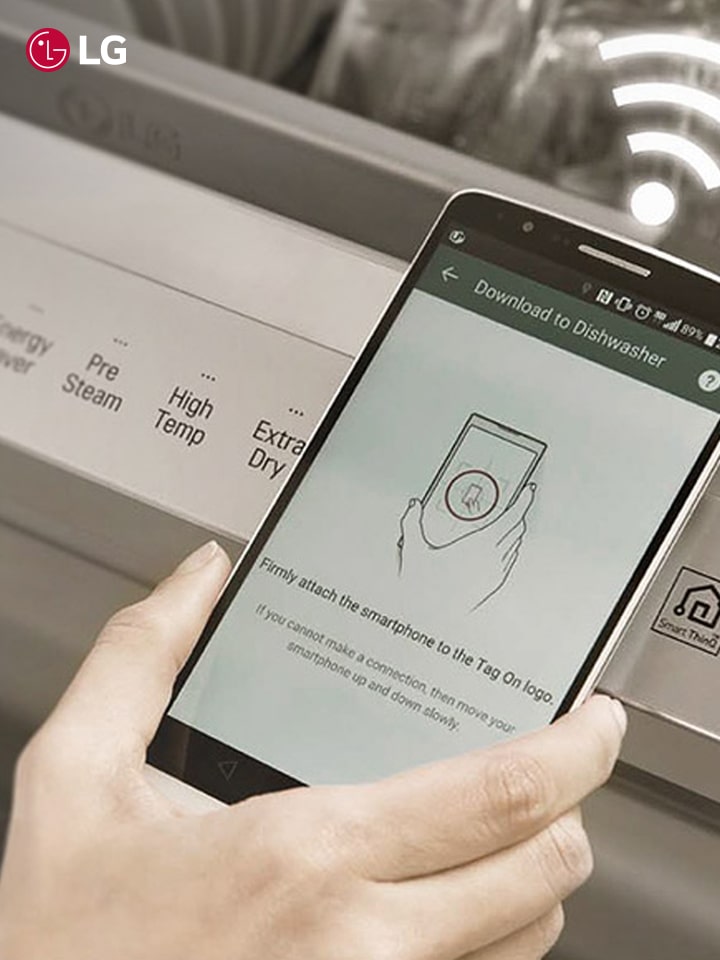
Remote control lets you start or stop the dishwasher from anywhere. You can check the status on your phone.
This feature is useful if you forget to run the dishwasher before leaving. You can also pause the cycle if needed.
- Start or stop cycles remotely
- Monitor washing progress
- Receive alerts when cycles finish
- Pause and resume cycles anytime
Scheduling Wash Cycles
Scheduling lets you set wash times in advance. You can plan to run the dishwasher during off-peak hours.
Use scheduling to save energy and reduce noise during busy times. It also ensures clean dishes when you need them.
- Set wash times for nights or weekends
- Choose specific days for regular cleaning
- Adjust schedules based on your routine
- Combine with energy-saving modes
Credit: www.bosch-home.com
Maintaining Dishwasher Performance
Keeping your smart dishwasher working well helps save time and energy. Regular care ensures it cleans dishes properly.
Simple maintenance steps can extend your dishwasher’s life. These tips focus on cleaning and water use.
Regular Cleaning Tips
Clean your dishwasher often to stop food buildup and odors. A clean machine works better and lasts longer.
- Remove and rinse the filter weekly to clear debris.
- Wipe the door edges and seals to prevent mold.
- Run a cleaning cycle with dishwasher cleaner monthly.
- Check spray arms for clogs and clean holes gently.
Monitoring Water Usage
Watch how much water your dishwasher uses. Using water wisely saves money and helps the environment.
Smart dishwashers may have settings to reduce water use. Choose energy-saving modes for light loads.
- Only run the dishwasher when full to save water.
- Select eco or water-saving cycles when possible.
- Avoid pre-rinsing dishes to reduce water waste.
- Check for leaks regularly to prevent water loss.
Troubleshooting Common Issues
Smart dishwashers use technology to clean dishes well. Sometimes, they show problems that stop work.
Knowing how to find and fix these problems saves time and keeps your dishwasher running.
Identifying Error Codes
Smart dishwashers show error codes on their displays. These codes tell you what is wrong.
Check your dishwasher manual to find the meaning of each code. This helps you know the problem fast.
- Look for blinking lights or numbers on the panel
- Write down the code shown
- Use the manual to understand the code
- Some dishwashers have apps that explain codes
Basic Repair Solutions
Many dishwasher issues can be fixed without a technician. Try simple repairs first to save money.
Common fixes include cleaning filters, checking water supply, and resetting the machine.
- Clean the dishwasher filter to remove food debris
- Make sure the water valve is open and water flows
- Check spray arms for blockages and clean them
- Reset the dishwasher by turning it off and on
- Ensure the door latch closes properly
Enhancing Energy Efficiency
Smart dishwashers help save energy if used the right way. Programming them correctly cuts power use.
Small changes like choosing detergents and managing water temperature make a big difference.
Eco-friendly Detergents
Eco-friendly detergents clean dishes well and use fewer harmful chemicals. They protect the environment.
These detergents often work better at lower temperatures. This helps save energy during washing.
- Choose detergents labeled biodegradable or phosphate-free
- Use the right amount to avoid waste
- Check if the detergent works with cold or warm water
Water Temperature Management
Setting the right water temperature saves energy and protects your dishes. Too hot wastes power.
Use warm or eco modes on your dishwasher. These settings clean well but use less heat.
- Lower water temperature to 120°F (49°C) or less
- Avoid booster heaters unless needed for tough stains
- Run full loads to make heating efficient
Maximizing Smart Technology Benefits
Smart dishwashers use technology to save time and energy. Programming them well helps you get the most from these features.
Setting the right options and connecting your dishwasher to other devices can make cleaning easier and more efficient.
Integration With Smart Home Systems
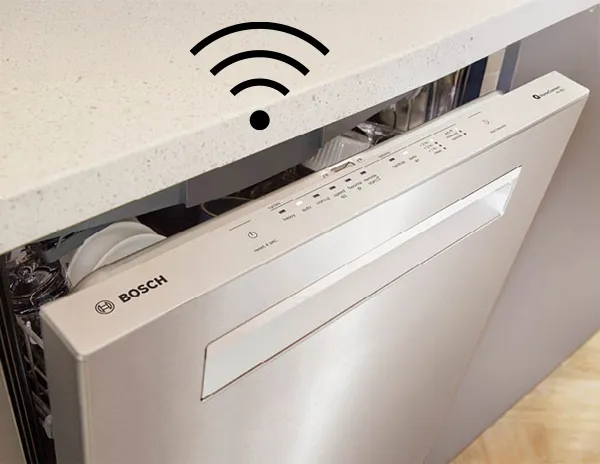
Link your smart dishwasher to your home system for better control. This connection lets you start or stop cycles remotely.
Integration helps your dishwasher work with other devices, like voice assistants or energy monitors. This can save power and time.
- Control dishwasher by voice commands
- Set washing cycles during low energy use times
- Check dishwasher status on home control panels
Utilizing App Notifications
Apps send alerts to your phone to tell you when a cycle ends or if there is an issue. These notifications help you act fast.
You can adjust settings from the app, making changes without going to the kitchen. This saves time and keeps things running smoothly.
- Receive alerts when dishes are clean
- Get warnings about leaks or errors
- Change wash cycles remotely
Frequently Asked Questions
How Can I Program A Smart Dishwasher For Energy Efficiency?
To program your smart dishwasher efficiently, select eco-friendly cycles and schedule runs during off-peak hours. Use sensors to adjust water and energy use, reducing waste while ensuring clean dishes.
What Are The Best Settings For Washing Delicate Dishes?
Use the gentle or delicate cycle with lower water temperature. This prevents damage to fragile items while still providing effective cleaning. Avoid heavy-duty cycles for delicate glassware.
How Do Smart Dishwashers Save Water And Energy?
Smart dishwashers use sensors to detect soil levels and adjust water use accordingly. They optimize energy consumption by running shorter cycles and using less hot water, saving resources without compromising cleaning quality.
Can I Control My Dishwasher Remotely Via An App?
Yes, many smart dishwashers offer app control. You can start, stop, or schedule cycles remotely, monitor progress, and receive maintenance alerts, improving convenience and efficiency.
Conclusion
Programming your smart dishwasher saves time and energy. Use the right settings for each load. Choose eco-friendly cycles to reduce water use. Regular cleaning keeps the machine working well. Pay attention to detergent amounts for best results. Small habits lead to big savings over time.
Enjoy cleaner dishes with less effort every day. Smart dishwashers make kitchen tasks simpler and faster. Keep these tips in mind for efficient washing.