
Mold in your kitchen cabinets can cause serious problems, from unpleasant smells to health risks. You might not realize how quickly it can grow in hidden corners.
But don’t worry—there are simple steps you can take right now to stop mold before it starts. If you want to keep your kitchen fresh, safe, and mold-free, keep reading. These easy tips will help you protect your cabinets and give you peace of mind every time you open them.
Common Causes Of Mold In Cabinets
Mold in kitchen cabinets can be a big problem. It can ruin your cabinets and cause health issues. Knowing what causes mold can help you prevent it.
There are several common causes of mold in kitchen cabinets. Let’s explore these causes to understand how to keep your cabinets mold-free.
Moisture Sources
Moisture is a major cause of mold in cabinets. Spills and leaks can add moisture. Wet dishes can also be a problem if not dried before storing.
Condensation from cooking can add to moisture levels. It’s important to control these sources to prevent mold growth.
- Wipe spills immediately
- Dry dishes before storing
- Control kitchen humidity
Poor Ventilation
Poor ventilation can trap moisture in cabinets. This provides a perfect environment for mold. Airflow is crucial for keeping cabinets dry.
Ensure good airflow by opening windows or using exhaust fans. This helps to reduce trapped moisture and prevent mold.
- Open windows regularly
- Use exhaust fans when cooking
- Leave cabinet doors open occasionally
Leaky Plumbing
Leaky plumbing is another cause of mold. Water leaks from pipes can go unnoticed. This creates a damp environment perfect for mold.
Regularly check for leaks under the sink. Fix any leaks quickly to prevent mold growth in your cabinets.
- Inspect pipes regularly
- Repair leaks immediately
- Use water alarms for early detection
Effective Cleaning Practices
Mold in kitchen cabinets can cause health problems and damage your home. Cleaning is key to stop mold from growing and spreading.
Using the right cleaning methods keeps your cabinets fresh and mold-free. Regular care helps prevent mold buildup over time.
Choosing The Right Cleaners
Pick cleaners that kill mold spores and are safe for your cabinet materials. Avoid harsh chemicals that can damage wood or paint.
Natural cleaners like vinegar and baking soda work well and are gentle. Commercial mold cleaners are strong but use them carefully.
- Use diluted white vinegar to wipe surfaces
- Baking soda paste cleans and deodorizes
- Commercial mold removers for tough spots
- Test cleaners on a small area first
Regular Maintenance Routines
Clean your kitchen cabinets often to keep mold away. Wipe spills quickly and dry wet areas to stop moisture.
Check your cabinets monthly for any signs of mold or damage. Good ventilation also helps keep cabinets dry.
- Wipe cabinets weekly with a mild cleaner
- Dry any spills or leaks immediately
- Keep kitchen well-ventilated
- Inspect cabinets for mold every month
Removing Existing Mold
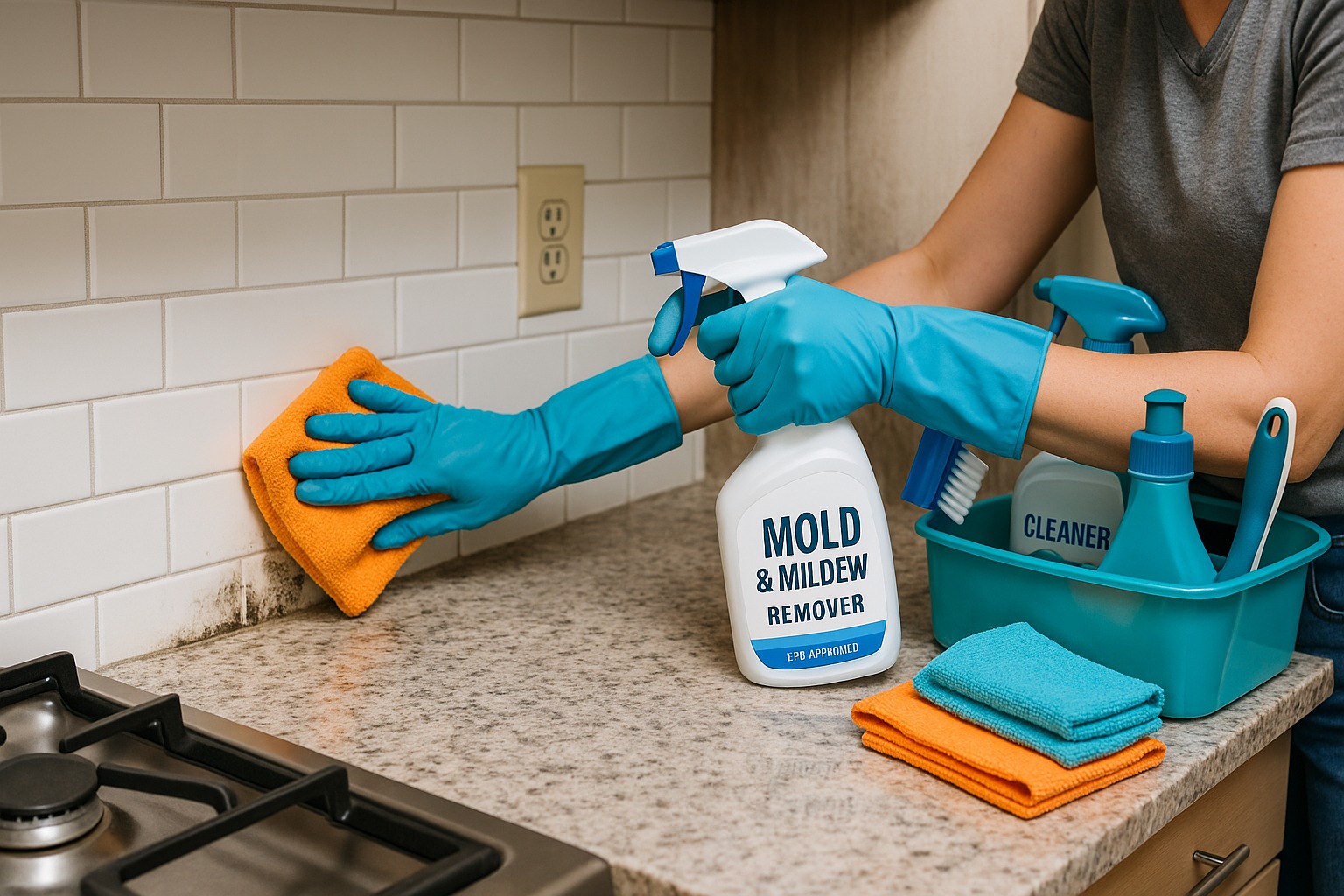
Remove mold quickly to prevent it from spreading. Use gloves and a mask to protect yourself during cleaning.
Scrub moldy spots with a cleaner and a soft brush. Dry the area well after cleaning to stop new mold growth.
- Wear protective gloves and mask
- Scrub mold with vinegar or mold cleaner
- Use a soft brush to avoid damage
- Dry cabinets thoroughly after cleaning
Improving Airflow In Kitchens
Good airflow helps stop mold in kitchen cabinets. Air moves moisture away, keeping cabinets dry.
Letting fresh air in and stale air out lowers dampness. This prevents mold growth in hidden spots.
Using Exhaust Fans
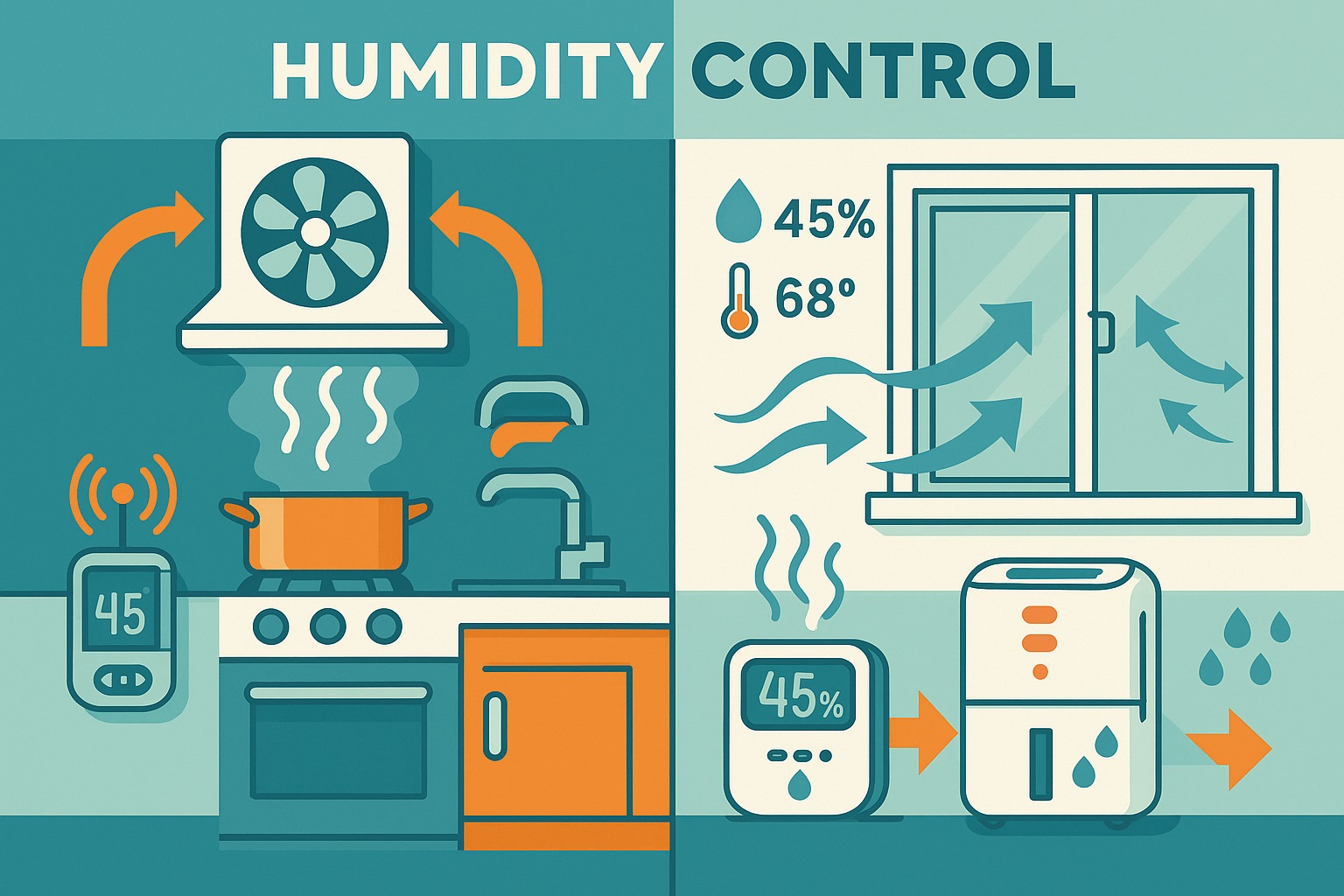
Exhaust fans remove moist air from your kitchen. They help lower humidity near cabinets and walls.
Turn on exhaust fans while cooking or washing dishes. This stops steam from building up inside cabinets.
- Run fans for at least 15 minutes after cooking
- Clean fans regularly to keep them working well
- Choose fans with good airflow capacity
Natural Ventilation Tips
Open windows and doors to let fresh air enter your kitchen. This helps dry out damp spots in cabinets.
Cross-ventilation works best. Open windows on opposite sides to create air flow through the room.
- Open windows during and after cooking
- Keep doors open to increase airflow
- Use window screens to keep bugs out
Dehumidifier Benefits
Dehumidifiers pull excess moisture from the air. This lowers humidity and stops mold growth in cabinets.
Place a dehumidifier near cabinets if your kitchen feels damp. Empty the water tank often to keep it working.
- Reduces moisture to safe levels
- Protects wood and metal surfaces
- Improves overall kitchen air quality
Credit: www.bustmold.com
Waterproofing And Sealing Cabinets
Mold grows fast in damp kitchen cabinets. Waterproofing and sealing cabinets stops moisture.
Good seals keep water out and protect your cabinets from damage and mold.
Sealant Options
Sealants fill gaps and block water from getting inside cabinets. Choose a sealant that suits your cabinet type.
Silicone sealants are flexible and waterproof. They work well around edges and corners.
- Acrylic sealants dry fast and paint well.
- Polyurethane sealants offer strong water resistance.
- Latex sealants are easy to clean and apply.
Protective Coatings
Protective coatings add an extra layer against moisture on cabinet surfaces. They help stop mold growth.
Varnishes and polyurethane coatings create a hard, waterproof finish. Apply them evenly for best results.
- Water-based varnishes dry quickly and have less odor.
- Oil-based coatings offer strong protection but take longer to dry.
- Marine coatings resist water and mold in very damp areas.
Cabinet Material Choices
Some cabinet materials resist water better than others. Choose materials that reduce mold risk.
Solid wood can warp if wet. Use treated wood or plywood with waterproof glue.
- Metal cabinets do not absorb water and resist mold.
- Plastic or laminate cabinets are easy to clean and waterproof.
- Marine plywood holds up well in wet conditions.
Preventive Measures For Plumbing
Mold grows fast in wet places like kitchen cabinets. Plumbing issues often cause moisture buildup. Preventing leaks helps stop mold.
Good plumbing care keeps your kitchen dry and mold-free. Watch your pipes and drains closely.
Detecting Leaks Early
Look under sinks for wet spots or water stains. Check for drips or puddles often. Small leaks cause big mold problems.
Listen for dripping sounds inside cabinets. Use a flashlight to see dark corners. Catch leaks fast to stop mold growth.
Routine Pipe Inspections
Check pipes every few months. Look for cracks, rust, or loose fittings. Tighten or replace parts if needed.
Inspect areas behind and under cabinets. Early pipe care prevents water damage. Keep your plumbing in good shape.
- Use a wrench to tighten loose joints
- Replace old or damaged pipes
- Clean pipe connections from dirt and debris
Proper Drainage Techniques
Make sure water flows away from cabinets. Keep drains clear to avoid backups. Standing water causes mold fast.
Check sink strainers and traps regularly. Remove food scraps and grease buildup. Good drainage keeps cabinets dry.
- Use drain covers to catch debris
- Flush drains with hot water weekly
- Fix slow drains quickly to prevent clogs
Credit: www.bustmold.com
Storage Tips To Avoid Mold Growth
Mold grows easily in damp and dark places like kitchen cabinets. Keeping cabinets dry helps stop mold from growing.
Good storage habits keep your kitchen safe and clean. Use these tips to prevent mold in your cabinets.
Using Moisture Absorbers
Moisture absorbers help reduce dampness inside cabinets. They pull water from the air and keep the space dry.
You can use silica gel packs or small containers with baking soda. Change them often to keep them effective.
- Place absorbers in corners or hidden spots
- Replace or dry them regularly
- Use more in humid or wet areas
Organizing Cabinets For Airflow
Good airflow stops moisture buildup and mold growth. Arrange items so air can move freely inside cabinets.
Leave space between objects and avoid blocking vents or openings. This lets fresh air circulate well.
- Keep shelves tidy and not too full
- Use cabinet doors with vents if possible
- Open cabinets now and then to air them out
Avoiding Overcrowding
Overcrowding traps moisture and blocks airflow. Do not fill cabinets beyond their capacity.
Store only what you need and remove unused items. This helps keep cabinets dry and clean.
- Sort items by size and use frequency
- Use storage bins to group small items
- Regularly check and clean cabinets
Credit: www.bustmold.com
Frequently Asked Questions
How Can I Prevent Mold In Kitchen Cabinets?
To prevent mold, keep cabinets dry and well-ventilated. Wipe spills immediately and fix leaks quickly. Use moisture absorbers and regularly clean cabinet surfaces with mold-inhibiting cleaners.
What Causes Mold Growth Inside Kitchen Cabinets?
Mold grows due to moisture, poor ventilation, and food residue. Leaky pipes or condensation increase dampness, creating an ideal environment for mold to thrive inside cabinets.
Which Cleaning Products Help Stop Mold In Cabinets?
Use mold-killing cleaners like diluted bleach, vinegar, or commercial mold removers. These products kill mold spores and prevent regrowth when used regularly during cleaning.
How Often Should I Inspect Kitchen Cabinets For Mold?
Inspect kitchen cabinets monthly for signs of mold or moisture. Early detection helps prevent mold spread and reduces costly damage or health risks.
Conclusion
Keeping kitchen cabinets dry stops mold from growing. Clean spills and leaks quickly to avoid moisture. Use a dehumidifier or fan to keep air moving. Check cabinets often for signs of mold or dampness. Proper ventilation helps reduce humidity in the kitchen.
Store food in sealed containers to prevent mold spores. Regular care keeps your kitchen healthy and safe. Small steps make a big difference over time. Protect your home by acting early and staying aware. Mold prevention is simple with good habits every day.