
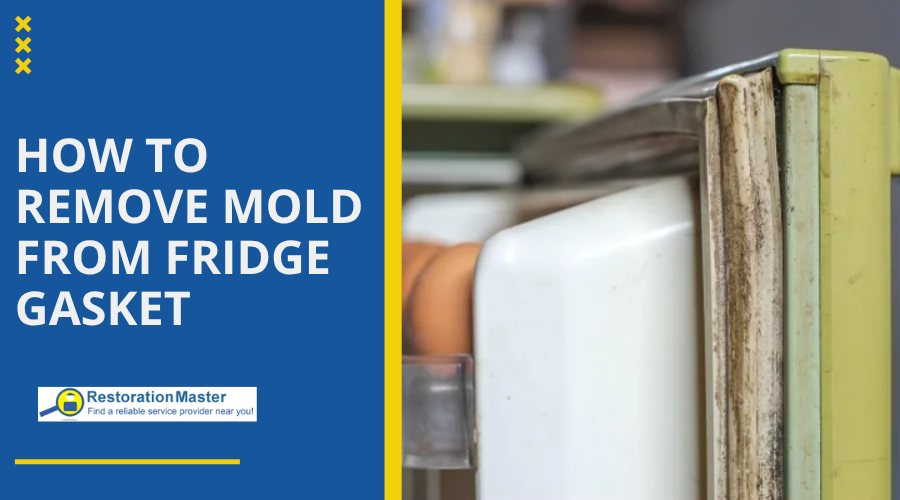
Mold in your fridge compartments can turn fresh food into a health hazard and cause unpleasant odors. You might not realize how quickly mold can grow in those cold, damp spaces.
But don’t worry—there are simple steps you can take to stop mold before it starts. You’ll discover easy, practical tips that will keep your fridge clean and your food safe. Keep reading, and say goodbye to mold for good.

Credit: www.reddit.com
Causes Of Mold In Fridges
Mold can grow in fridge compartments due to several factors. Understanding these causes can help prevent it.
Let’s explore some common sources of moisture, food spoilage factors, and temperature issues that contribute to mold growth.
Common Moisture Sources
Moisture is the main cause of mold in fridges. It can come from different sources.
- Leaking containers spill liquids.
- Uncovered food releases moisture.
- Condensation forms when warm air enters.
Food Spoilage Factors
Food spoilage can lead to mold. It’s important to know what causes food to spoil.
- Expired food left in the fridge.
- Unsealed food items.
- Improper storage temperatures.
Temperature Issues
Temperature plays a key role in mold prevention. Keeping a consistent temperature is crucial.
If the fridge is too warm, mold grows faster. Check the temperature settings regularly.
Effective Cleaning Techniques
Keeping your fridge clean helps stop mold from growing. Mold can cause bad smells and harm your health.
Using the right cleaning methods keeps your fridge fresh and safe for food storage.
Safe Cleaning Agents
Choose cleaning agents that kill mold but do not harm surfaces. Avoid harsh chemicals that can damage your fridge.
- White vinegar is natural and kills mold effectively.
- Baking soda cleans and deodorizes without toxicity.
- Mild dish soap works well for regular cleaning.
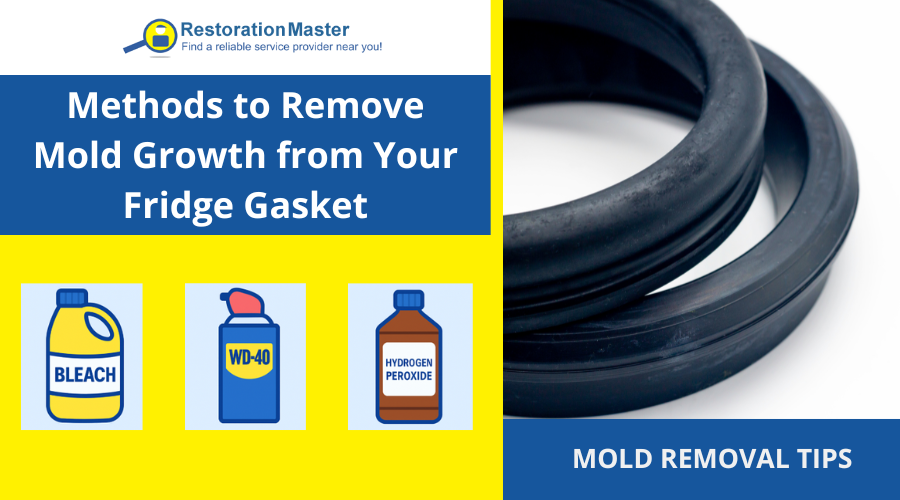
- Hydrogen peroxide removes mold and disinfects surfaces.
Step-by-step Cleaning Process
Follow these steps to clean your fridge and stop mold growth. Always unplug the fridge before cleaning.
- Remove all food and store it in a cool place.
- Take out shelves and drawers for separate washing.
- Wash removable parts with warm water and mild soap.
- Mix equal parts white vinegar and water in a spray bottle.
- Spray the mixture on fridge walls and corners.
- Let it sit for 10 minutes to kill mold spores.
- Wipe all surfaces with a clean cloth or sponge.
- Dry everything completely to prevent moisture buildup.
- Put shelves and drawers back and return food.
- Plug the fridge back in and check the temperature.
Frequency Of Cleaning
Regular cleaning stops mold before it starts. Clean your fridge often to keep it safe.
- Wipe spills and stains immediately after they occur.
- Do a full cleaning once every one to two months.
- Check and clean door seals monthly to remove dirt.
- Clean shelves and drawers more often if you store many fresh foods.
Proper Food Storage
Keeping your fridge clean and fresh means storing food the right way. Proper food storage stops mold from growing inside fridge compartments.
Using good storage habits helps your food last longer and keeps your fridge safe for all your items.
Using Airtight Containers
Airtight containers keep air and moisture out. This prevents mold spores from reaching your food.
Use containers that seal well for leftovers and opened packages. This keeps food fresh and safe.
- Choose plastic or glass containers with tight lids
- Seal bags with clips or zip locks
- Label containers with dates to track freshness
Separating Raw And Cooked Foods
Keep raw and cooked foods apart to avoid cross-contamination. Raw foods can carry mold or bacteria.
Store raw meat, fish, and vegetables on lower shelves. Put cooked foods on higher shelves or in separate containers.
- Use different containers for raw and cooked items
- Place raw foods in sealed packages to stop leaks
- Clean spills immediately to stop mold growth
Avoiding Overcrowding
Do not pack your fridge too full. Air needs space to circulate and keep food cool and dry.
Overcrowding causes moisture build-up. Moisture helps mold grow fast on your food and fridge walls.
- Leave gaps between food containers
- Organize shelves to fit items without crowding
- Remove old or expired food regularly
Credit: restorationmasterfinder.com
Humidity Control Tips
Keeping the fridge compartments dry helps stop mold from growing. Controlling humidity is key to a clean fridge.
Simple steps can reduce moisture and keep your food fresh longer.
Using Moisture Absorbers
Moisture absorbers soak up water inside the fridge. They help lower humidity and stop mold.
Common absorbers include silica gel packets and activated charcoal bags.
- Place absorbers in fridge compartments but away from food
- Replace them regularly to keep them effective
- Use cloth bags or containers to avoid mess
Adjusting Fridge Settings
Set the fridge temperature between 35°F and 38°F. This slows mold growth.
Use the humidity control settings in drawers to keep fruits and vegetables dry.
- Keep fridge temperature steady and not too cold
- Adjust humidity drawers to low for leafy greens
- Use higher humidity for items that need moisture
Ventilation Practices
Good air flow helps remove moisture in the fridge. It lowers chances of mold.
Do not overpack the fridge. Air needs space to move around.
- Leave space between items for air circulation
- Clean fridge vents to keep air flowing
- Open the door briefly to avoid humidity build-up
Regular Maintenance Habits
Keeping your fridge clean helps stop mold growth inside. Regular care keeps your food fresh and safe.
Simple maintenance habits prevent mold and extend your fridge’s life. Check key parts often.
Checking Door Seals
Door seals keep cold air in and moisture out. Broken seals let moisture inside, causing mold.
Look for cracks, tears, or dirt on seals. Clean seals regularly with warm, soapy water to keep them soft.
- Inspect seals for damage every month
- Wipe seals gently to remove dirt
- Replace seals if they do not close tightly
Inspecting Drainage Systems
Drainage systems remove water inside the fridge. Blocked drains cause water buildup and mold growth.
Check the drain hole and drip pan for clogs or dirt. Clean them with a soft cloth or pipe cleaner.
- Look inside the fridge for the drain hole
- Clear any visible blockages carefully
- Empty and clean the drip pan monthly
Scheduling Professional Servicing
Professional service helps find hidden fridge problems. Experts clean parts and fix issues before mold forms.
Schedule a checkup once a year. This keeps your fridge running well and mold-free.
- Hire a certified technician
- Ask for a full inspection and cleaning
- Fix any repairs quickly to prevent mold

Credit: www.reddit.com
Frequently Asked Questions
How Can I Stop Mold From Growing In My Fridge?
Keep your fridge clean and dry. Regularly wipe spills and remove expired food. Maintain fridge temperature below 40°F to inhibit mold growth.
What Foods Cause Mold In Refrigerator Compartments?
Leftovers, fruits, and vegetables with high moisture content often promote mold. Store these items properly in airtight containers to prevent mold.
How Often Should I Clean My Fridge To Prevent Mold?
Clean your fridge at least once a month. Regular cleaning removes mold spores and prevents buildup, ensuring a fresh and safe environment.
Does Fridge Humidity Affect Mold Growth Inside Compartments?
Yes, high humidity encourages mold growth. Use a fridge thermometer and keep humidity low by avoiding storing wet foods uncovered.
Conclusion
Preventing mold in fridge compartments keeps food fresh and safe. Clean spills right away to stop mold growth. Keep the fridge dry and check for leaks often. Store food in sealed containers to block moisture. Regularly remove old or expired items to avoid mold spread.
Good airflow inside the fridge helps reduce dampness. These small steps protect your health and save money. Healthy food means a healthier you. Stay mindful and keep your fridge mold-free. Simple habits make a big difference every day.