
Your fridge is meant to keep your food fresh and safe, but mold and bacteria can sneak in and turn it into a health hazard. If you’ve ever opened your fridge only to find unpleasant smells or slimy spots, you know how frustrating it can be.
The good news? With a few simple habits, you can stop mold and bacteria from taking over your fridge. Keep reading to discover easy tips that will protect your food, save you money, and give you peace of mind every time you open the door.
Credit: www.lemon8-app.com
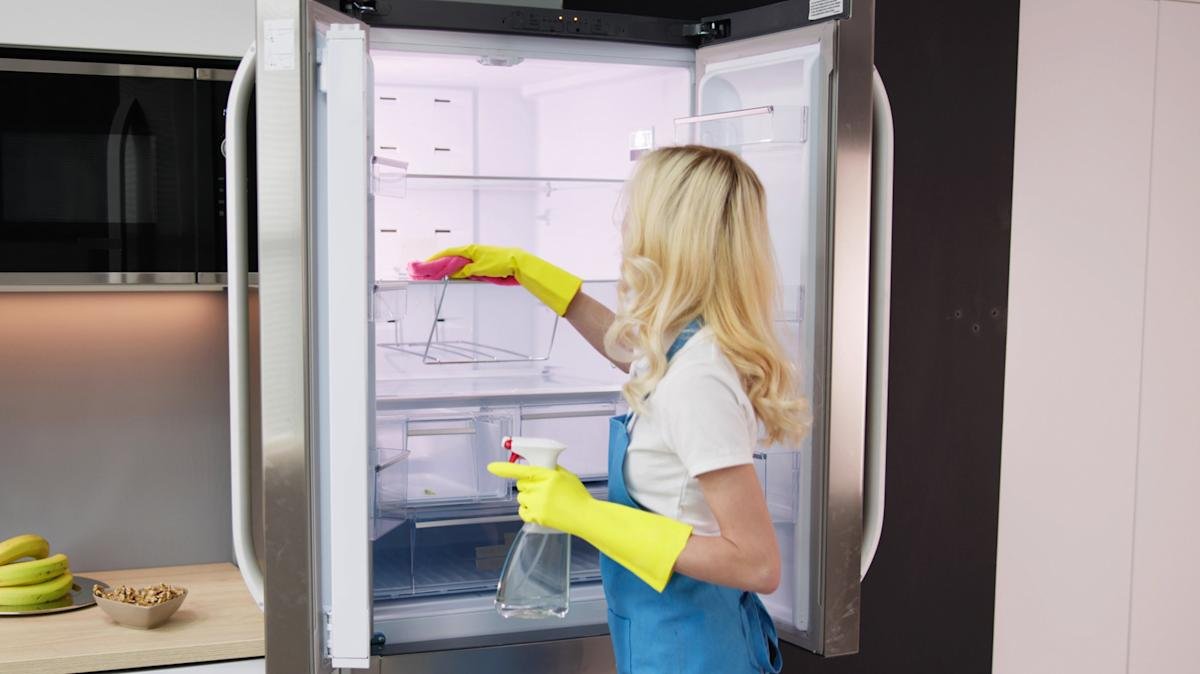
Keep Fridge Clean Regularly
Keeping your fridge clean helps prevent mold and bacteria. Regular cleaning is essential for food safety and freshness.
A clean fridge stops germs from spreading. It also keeps your food tasting fresh and safe to eat.
Use Mild Cleaning Solutions
Use mild cleaning solutions to clean your fridge. Harsh chemicals can damage surfaces and leave residues.
Mix warm water with a little dish soap. Wipe down the shelves and walls gently.
- Avoid bleach and ammonia
- Use baking soda for tough stains
- Rinse surfaces with clean water
Clean Door Seals And Handles
Door seals and handles can collect dirt. Clean them regularly to keep your fridge germ-free.
Use a soft cloth with soap water. Scrub gently to remove grime and bacteria.
- Check seals for mold
- Wipe handles daily
- Replace damaged seals
Remove Spills Immediately
Clean up spills as soon as they happen. Spills can lead to mold and bad odors.
Use a damp cloth to wipe spills. Make sure to dry the area well to stop moisture buildup.
- Check for spills weekly
- Use paper towels for quick cleanup
- Keep a small towel in the fridge
Control Temperature And Humidity
Keeping your fridge clean helps stop mold and bacteria growth. Two main factors to control are temperature and humidity.
Setting the right temperature and managing moisture can keep your food fresh and safe for longer.
Set Optimal Fridge Temperature
Keep your fridge temperature between 35°F and 38°F (1.6°C and 3.3°C). This range slows bacteria growth and keeps food fresh.
Check the fridge thermometer regularly to make sure the temperature stays stable. Avoid setting the temperature too cold or too warm.
- Too warm: bacteria grow faster
- Too cold: food may freeze and spoil
- Stable temperature prevents moisture build-up
Use Moisture Absorbers
Moisture in the fridge encourages mold and bacteria. Use moisture absorbers to keep humidity low and dry inside the fridge.
You can buy silica gel packs or use natural items like baking soda to absorb extra moisture and reduce dampness.
- Place absorbers on fridge shelves
- Replace or refresh absorbers regularly
- Keep fridge door closed to reduce humidity
Organize Food Properly
Keeping your fridge clean helps stop mold and bacteria. Organizing food the right way keeps it fresh longer.
Good organization also prevents smells and cross-contamination. This makes your fridge safer and healthier.
Store Leftovers In Airtight Containers
Use airtight containers to store leftovers. These containers stop air from entering and slow mold growth.
Airtight containers also keep food moisture inside. This helps food stay tasty and safe to eat.
Separate Raw And Cooked Foods
Keep raw foods like meat away from cooked foods. This stops bacteria from raw foods spreading to cooked items.
Store raw meat on the bottom shelf. Place cooked or ready-to-eat foods on higher shelves.
- Raw meat and seafood on bottom shelves
- Cooked foods on top shelves
- Fruits and vegetables in separate drawers
Label And Date Items
Label each container with the food name and date stored. This helps you use food before it spoils.
Throw away food past the safe date. This prevents eating spoiled or unsafe food that can cause illness.
Use Natural Mold Inhibitors
Mold and bacteria can grow quickly inside your fridge. Using natural inhibitors helps keep your fridge fresh. These natural options are safe and easy to use.
Natural mold inhibitors absorb moisture and odors. They stop mold spores from growing. This keeps your food safe and your fridge clean.
Place Baking Soda Inside
Baking soda is a common natural mold inhibitor. It absorbs moisture and bad smells inside the fridge. This reduces the chance of mold and bacteria growth.
To use baking soda, place an open box or a small bowl of it on a shelf. Replace it every three months for best results.
Try Activated Charcoal Packs
Activated charcoal is another natural way to prevent mold. It traps moisture and bad odors well. This helps keep the fridge dry and fresh.
Use small activated charcoal packs and place them in the fridge corners. Change the packs every few months to keep them effective.
Maintain Fridge Airflow
Good airflow inside your fridge helps keep food fresh longer. It also stops mold and bacteria from growing.
When air moves well, it keeps the temperature steady. This makes your fridge work better and safer.
Avoid Overpacking
Do not fill your fridge too full. Overpacking blocks air vents and slows airflow.
Blocked vents cause cold spots where mold and bacteria grow fast.
- Leave space between items for air to move.
- Do not stack items tightly on shelves.
- Keep heavy items on the bottom to avoid crushing vents.
Arrange Items For Ventilation
Place food so air can flow around each item. This keeps the fridge cool and dry.
Use clear containers and open shelving to help see airflow paths.
- Keep taller items away from vents.
- Store leftovers in shallow containers.
- Do not block air vents with large items.
Regularly Check And Discard Expired Food
Keeping your fridge clean helps prevent mold and bacteria. One key way is to check food items often. Throw away food that is past its expiry date.
This stops bad bacteria from spreading and keeps your food safe to eat. Regular checks also help you keep your fridge organized.
Inspect For Mold Growth
Look inside containers and on food surfaces for any signs of mold. Mold can be fuzzy, white, green, or black.
Discard any food that shows mold. Clean the fridge area where mold was found with soap and water.
- Check corners and shelves carefully
- Remove spoiled food immediately
- Wipe spills quickly to stop mold
Follow Expiry Dates Strictly
Always check the expiry dates on food packages before storing them. Expired food can grow bacteria fast.
Use older food first to reduce waste. Mark the date you opened fresh items to track their freshness.
- Read labels for use-by and best-before dates
- Plan meals to use food before expiry
- Throw away any food past its expiry date
Implement Quick Hygiene Hacks
Mold and bacteria can grow fast inside your fridge. Keeping it clean stops bad smells and food spoilage.
Try simple hygiene hacks daily to keep your fridge fresh and safe for your food.
Use Vinegar Wipes
Vinegar is a natural cleaner that kills many germs. Use vinegar wipes to clean fridge shelves and door seals.
Dab a cloth in vinegar and wipe surfaces weekly. This stops mold and bacteria from growing on surfaces.
- Mix equal parts water and white vinegar in a spray bottle
- Spray onto a clean cloth to make wipes
- Wipe all shelves, drawers, and seals inside the fridge
- Let surfaces air dry before placing food back
Freeze Leftovers Promptly
Leftovers spoil quickly at room temperature. Freeze them soon to stop bacteria growth.
Put leftovers in airtight containers. Label them with dates before freezing to keep track.
- Cool leftovers before placing in the freezer
- Use freezer-safe containers or bags
- Freeze within two hours of cooking
- Eat frozen leftovers within 3 months for best quality

Credit: www.aol.com

Credit: dwellect.com
Frequently Asked Questions
How Often Should I Clean My Fridge To Prevent Mold?
Clean your fridge thoroughly at least once a month. Regular cleaning stops mold and bacteria buildup. Wipe shelves, drawers, and door seals with mild detergent or vinegar solution for best results.
What Foods Commonly Cause Mold Growth In Fridges?
Leftover cooked foods, dairy products, and fruits often cause mold growth. These items spoil quickly and release moisture. Store them in airtight containers and check expiration dates regularly.
Can Fridge Temperature Affect Mold And Bacteria Growth?
Yes, fridge temperature plays a vital role. Keep your fridge at or below 40°F (4°C) to slow mold and bacteria growth. Avoid frequent temperature changes to maintain food safety.
How Can I Store Food To Minimize Mold And Bacteria?
Use airtight containers and wrap foods properly. Separate raw and cooked foods to avoid cross-contamination. Store fruits and vegetables in designated drawers to reduce moisture and mold risk.
Conclusion
Keeping your fridge clean helps stop mold and bacteria growth. Store food in sealed containers to keep moisture out. Check expiration dates and throw away spoiled items quickly. Clean spills right away to avoid germs spreading. Set your fridge to the right cold temperature.
Regular cleaning and good habits keep your food fresh and safe. Small steps make a big difference for health and hygiene. Stay consistent, and your fridge will stay mold and bacteria free. Simple care keeps your kitchen clean and your family healthy.