

When you’re cooking, keeping your food safe is more important than you might think. Cross-contamination can turn a simple meal into a health risk without you even realizing it.
But don’t worry—by making a few smart changes in your kitchen, you can protect yourself and your loved ones from harmful bacteria. You’ll discover easy and effective tips to prevent cross-contamination every time you cook. Keep reading to learn how small habits can make a big difference in your kitchen safety.
Credit: solpak.ca
Identify Cross-contamination Risks
Cross-contamination in the kitchen can lead to foodborne illnesses. Identifying risks helps keep food safe. It’s important to know where contamination can happen.
This guide will help you find common sources and high-risk foods. Understanding these can make your kitchen safer.
Common Sources In The Kitchen
Several items in the kitchen can cause cross-contamination. Being aware of these sources is key to preventing risks.
- Cutting boards used for both raw and cooked foods
- Unwashed hands after handling raw ingredients
- Shared utensils for different types of food
- Improperly cleaned countertops
High-risk Foods To Watch
Certain foods are more prone to causing cross-contamination. Knowing these helps you handle them with care.
- Raw meats like chicken, beef, and pork
- Eggs that are not cooked thoroughly
- Seafood, especially shellfish
- Unpasteurized dairy products

Credit: us.cleadeep.com
Maintain Clean Surfaces
Keeping kitchen surfaces clean is key to stopping cross-contamination. Germs and bacteria can spread from dirty surfaces to food.
Regular cleaning helps make your kitchen safer and healthier. It lowers the risk of foodborne illnesses.
Effective Cleaning Techniques
Use warm soapy water to wash surfaces after each use. This removes food particles and dirt.
Rinse well with clean water to clear away soap. Dry surfaces with a clean cloth or paper towel.
- Clean cutting boards, counters, and tables often
- Wipe spills immediately to avoid bacteria growth
- Use separate cloths for different areas
- Replace sponges and cloths regularly
Sanitizing Tools And Equipment
Sanitizing kills germs left after cleaning. Use a safe sanitizer on tools and surfaces.
Follow instructions on sanitizer labels for best results. Let items air dry to keep them clean.
- Sanitize knives, cutting boards, and utensils often
- Use food-safe sanitizers approved for kitchen use
- Sanitize sinks and faucets regularly
- Check sanitizer concentration and replace as needed
Separate Raw And Cooked Foods
Keeping raw and cooked foods apart helps stop harmful germs from spreading. This is very important to keep food safe and healthy.
Cross-contamination happens when germs from raw food touch cooked food. Always keep them separate to avoid sickness.
Proper Food Storage Tips
Store raw foods below cooked foods in the fridge. This stops juices from raw meat dripping on cooked meals.
Use sealed containers to keep raw and cooked foods apart. Label containers to know what is inside easily.
- Keep raw meat, poultry, and seafood on the lowest shelf
- Store cooked foods on higher shelves or in separate containers
- Use airtight containers or wrap foods tightly
- Label all containers with contents and date
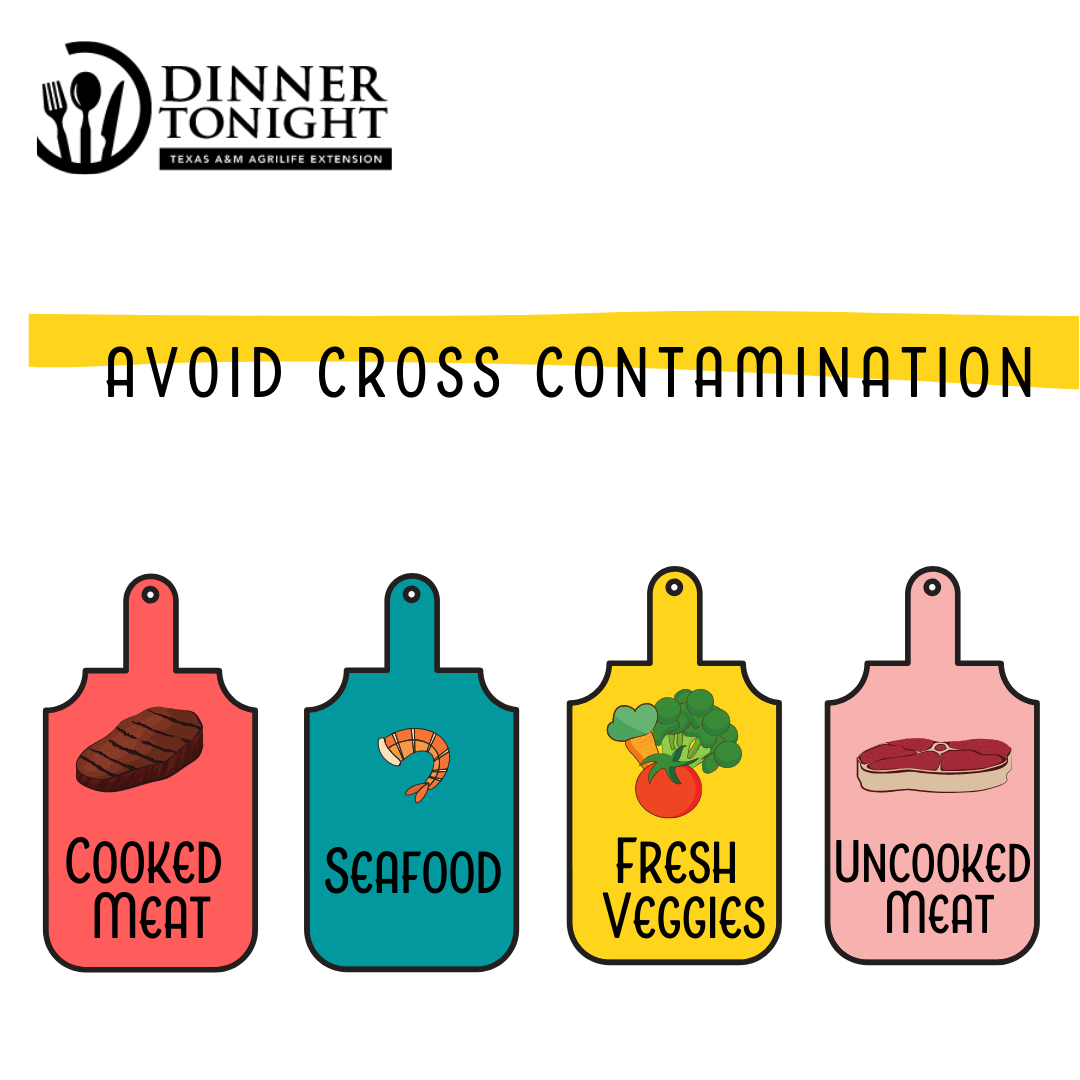
Using Color-coded Utensils
Use different colored knives and cutting boards for raw and cooked foods. This reduces the chance of germs spreading.
Assign colors to food types. For example, red for raw meat and green for vegetables or cooked food.
- Red utensils for raw meat
- Blue utensils for raw fish
- Green utensils for cooked and ready-to-eat foods
- Yellow utensils for raw poultry
Practice Safe Food Handling
Preventing cross-contamination is key to safe food in your kitchen. It stops harmful germs from spreading.
Follow simple steps to keep your food clean and safe. This helps avoid foodborne illness.
Handwashing Best Practices
Wash your hands often to stop germs from spreading to food. Use clean water and soap.
Rub your hands for at least 20 seconds. Clean between fingers and under nails well.
- Use warm water and soap
- Scrub all hand surfaces for 20 seconds
- Rinse thoroughly and dry with a clean towel
- Wash hands before and after handling food
- Wash after touching raw meat or eggs
Avoiding Cross-contact During Prep
Keep raw and cooked foods separate to stop germs from spreading. Use different cutting boards and utensils.
Clean surfaces and tools after each use. Store food properly to avoid contact between raw and ready-to-eat items.
- Use separate cutting boards for meat and vegetables
- Wash knives and utensils between uses
- Store raw meat below ready-to-eat foods in the fridge
- Clean countertops and sinks often
- Never reuse marinades from raw meat without cooking
Use Proper Cooking Temperatures
Cooking food at the right temperature kills harmful bacteria. This stops cross-contamination in the kitchen.
Using the correct heat ensures food is safe to eat. It also keeps the food tasty and fresh.
Recommended Temperatures For Safety
Different foods need different temperatures to be safe. Cooking to these temperatures stops germs from spreading.
- Chicken and turkey: 165°F (74°C)
- Ground beef and pork: 160°F (71°C)
- Beef, pork, lamb (steaks, roasts): 145°F (63°C) with rest time
- Fish and shellfish: 145°F (63°C)
- Egg dishes: 160°F (71°C)
Using Food Thermometers Correctly
Food thermometers help check if food is cooked well. Use them right to get accurate readings.
Insert the thermometer into the thickest part of the food. Avoid touching bones or fat for correct results.
- Clean the thermometer before and after each use.
- Wait a few seconds to let the temperature stabilize.
- Check multiple spots in large pieces of meat.
- Use a digital or instant-read thermometer for fast results.
Credit: dinnertonight.tamu.edu
Store Leftovers Safely
Storing leftovers correctly helps stop germs from spreading. It keeps your food fresh and safe to eat later.
Knowing the right way to cool and store food is key to avoiding cross-contamination in your kitchen.
Cooling And Refrigeration Guidelines
Cool leftovers quickly to stop bacteria growth. Don’t leave food out at room temperature for more than two hours.
Use shallow containers to help food cool faster in the fridge.
- Divide large portions into smaller containers
- Leave space between containers for air flow
- Keep your refrigerator at or below 40°F (4°C)
- Reheat leftovers to at least 165°F (74°C) before eating
Avoiding Contamination In Storage
Store raw and cooked foods separately to avoid germs spreading. Use sealed containers to keep food safe.
Keep raw meat on the bottom shelf to stop juices from dripping onto other foods.
- Label containers with the date you stored food
- Use airtight containers to prevent spills and odors
- Clean your fridge regularly to remove spills and old food
- Do not overcrowd the fridge to allow proper air circulation
Frequently Asked Questions
What Is Cross-contamination In The Kitchen?
Cross-contamination is the transfer of harmful bacteria from one food or surface to another. It can cause foodborne illnesses. Preventing it is crucial for kitchen safety and hygiene.
How Can I Prevent Cross-contamination With Raw Meat?
Always use separate cutting boards and utensils for raw meat. Wash hands and surfaces thoroughly after handling raw meat to avoid spreading bacteria.
Why Is Handwashing Important To Stop Cross-contamination?
Handwashing removes bacteria and prevents their spread to food or surfaces. Wash hands with soap and water for at least 20 seconds before cooking.
Can Using Separate Kitchen Tools Reduce Cross-contamination?
Yes, using separate knives, cutting boards, and utensils for different foods minimizes bacteria transfer. This practice is a key step in preventing cross-contamination.
Conclusion
Preventing cross-contamination keeps your kitchen safe and healthy. Clean hands, tools, and surfaces often. Separate raw and cooked foods carefully. Use different cutting boards for meats and veggies. Store food properly to avoid contact. These small steps reduce risks greatly.
Stay mindful while cooking every day. Safe habits protect your family from illness. Keep your kitchen clean, simple, and organized. Healthy meals start with safe food handling. Practice these tips to cook with confidence.