
Are you worried about harmful bacteria sneaking into your food, water, or workspace? Preventing bacterial contamination is easier than you might think, and it can protect your health and your loved ones.
Imagine avoiding costly illnesses and keeping your environment safe with simple, everyday actions. You’ll discover practical tips that anyone can follow to stop bacteria from spreading. Keep reading to learn how small changes in your routine can make a big difference in staying healthy and safe.

Credit: www.ajicjournal.org
Cleanliness Habits
Maintaining cleanliness helps prevent bacterial contamination. It keeps us healthy and safe from germs.
Simple habits make a big difference. Follow these tips to stay safe from bacteria.
Handwashing Techniques
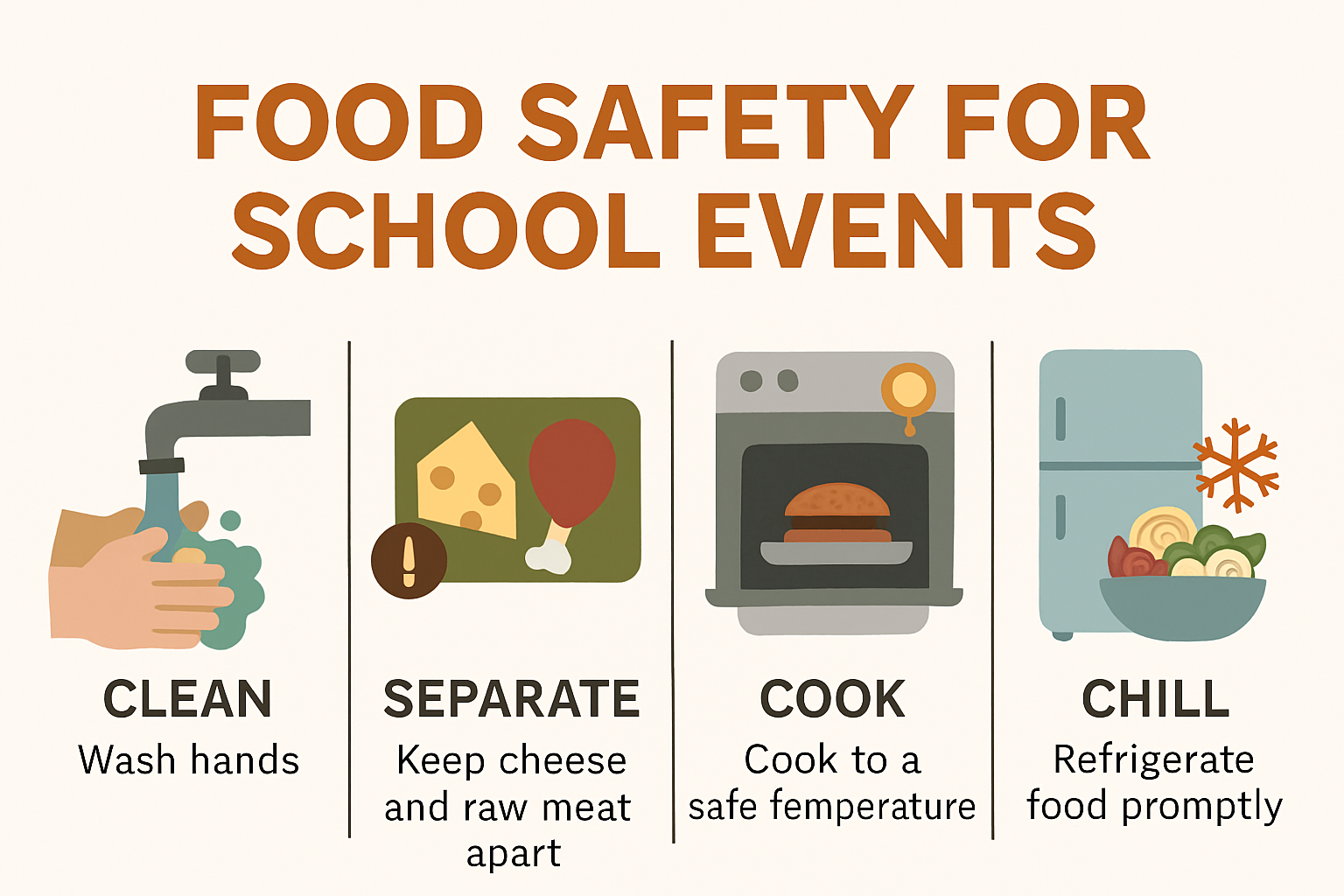
Wash your hands often. Use soap and water for at least 20 seconds.
Pay attention to areas between fingers and under nails. Dry your hands with a clean towel.
- Wet hands with water
- Apply enough soap
- Scrub all parts of hands
- Rinse thoroughly
- Dry with a clean towel
Sanitizing Surfaces
Surfaces like kitchen counters and doorknobs can have germs. Clean them regularly to prevent bacteria.
Use disinfectant wipes or sprays. Ensure they are effective against bacteria.
- Read labels for instructions
- Apply on surfaces thoroughly
- Let surfaces dry completely
Proper Food Handling
Handle food properly to avoid contamination. Wash fruits and vegetables before eating.
Separate raw and cooked foods. This prevents bacteria from spreading.
- Use different cutting boards for meat and vegetables
- Cook food to the right temperature
- Store leftovers in the refrigerator
Safe Food Storage
Storing food safely helps stop bacteria from growing. It keeps food fresh and healthy to eat.
Using the right storage methods is key to prevent foodborne illness. Follow simple tips to protect your food.
Temperature Control
Keep cold food below 40°F (4°C) to slow bacteria growth. Hot food should stay above 140°F (60°C).
Use a fridge thermometer to check temperatures. Do not leave food out at room temperature for more than two hours.
- Refrigerate perishable items quickly
- Thaw frozen food in the fridge, not on the counter
- Cook food to safe internal temperatures
Avoiding Cross-contamination
Keep raw and cooked foods separate to stop germs from spreading. Use different cutting boards and utensils.
Clean surfaces and tools well after contact with raw food. Store raw meat on bottom shelves to stop drips.
- Use separate containers for raw and cooked items
- Wash hands before handling different foods
- Clean spills immediately to avoid bacteria spread
Using Airtight Containers
Airtight containers keep food fresh and stop bacteria from entering. They also prevent odors from mixing.
Use containers made for food storage. Label them with dates to know how long food has been stored.
- Choose containers with tight lids
- Store leftovers in small portions
- Check containers for cracks or damage
Personal Hygiene Tips
Keeping good personal hygiene helps stop bacteria from spreading. Clean habits protect your health and those around you.
Simple actions like bathing, caring for wounds, and not touching your face reduce bacterial contamination.
Regular Bathing
Bathing every day removes dirt and bacteria from your skin. This lowers the chance of infections.
Use soap and clean water to wash your whole body. Pay extra attention to areas like underarms and feet.
Wound Care
Keep cuts and scrapes clean to stop bacteria from entering. Dirty wounds can cause serious infections.
Wash wounds gently with water and apply an antibiotic cream. Cover with a clean bandage to protect it.
- Clean wounds daily
- Change bandages if wet or dirty
- Watch for redness or swelling
- See a doctor if the wound gets worse
Avoiding Touching Face
Your hands touch many surfaces and pick up germs. Touching your face can spread bacteria to your mouth, nose, and eyes.
Try to keep your hands away from your face. Wash your hands often to reduce germs on your skin.
Credit: probeit.ca
Kitchen Safety Hacks
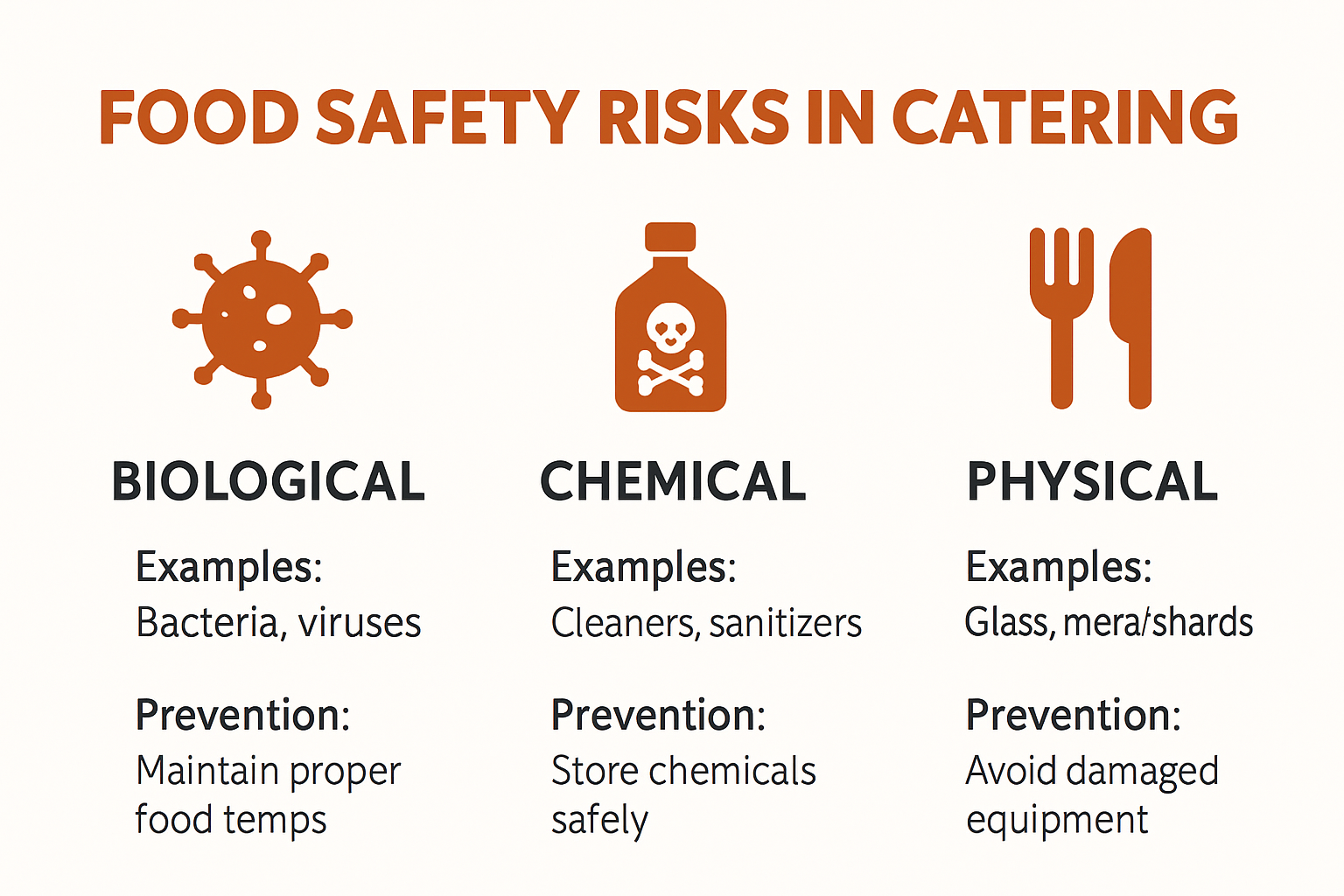
Keeping your kitchen safe helps stop bacteria from spreading. This lowers the chance of getting sick from food.
Simple habits can make a big difference. These tips focus on how to handle food and clean well.
Separate Cutting Boards
Use different cutting boards for raw meat, vegetables, and cooked food. This stops germs from moving from one food to another.
Plastic boards are easier to clean and good for raw meat. Wooden boards work well for fruits and bread.
- Label boards by use
- Clean boards after each use
- Replace boards if deeply scratched
Cleaning Utensils
Wash knives, spoons, and other tools after handling raw food. Use hot water and soap to kill bacteria.
Dishwashers can clean utensils well. If washing by hand, scrub all surfaces and rinse thoroughly.
- Wash utensils right after use
- Use a brush for tight spots
- Dry utensils completely before storing
Proper Cooking Temperatures
Cook food to the right temperature to kill harmful bacteria. Use a food thermometer to check.
Different foods need different temperatures. Knowing these helps keep meals safe to eat.
| Food Type | Safe Internal Temperature |
|---|---|
| Poultry (chicken, turkey) | 165°F (74°C) |
| Ground meat (beef, pork) | 160°F (71°C) |
| Steaks and roasts | 145°F (63°C) with 3 min rest |
| Fish and seafood | 145°F (63°C) |
| Egg dishes | 160°F (71°C) |
Environmental Controls
Controlling the environment helps stop bacteria from spreading. Clean air and surfaces reduce risks of contamination.
Simple actions can keep spaces safe and healthy. Focus on air, moisture, and cleaning high-touch spots.
Ventilation Benefits
Good ventilation lowers the amount of bacteria in the air. It moves stale air out and brings fresh air in.
Proper airflow reduces germs that cause illness. It also helps control odors and humidity inside.
- Reduces airborne bacteria and viruses
- Improves indoor air quality
- Prevents buildup of harmful particles
- Keeps rooms fresh and comfortable
Managing Moisture
Moisture helps bacteria grow quickly. Controlling water and dampness stops bacteria from spreading.
Fix leaks and dry wet areas fast. Use dehumidifiers in damp spaces to lower humidity.
- Repair leaks to prevent water buildup
- Dry wet surfaces immediately
- Use fans or dehumidifiers to reduce humidity
- Keep areas clean and dry regularly
Disinfecting High-touch Areas
High-touch areas hold many germs because many people touch them. Cleaning these spots stops bacteria from spreading.
Use disinfectants on doorknobs, light switches, and handles often. Regular cleaning reduces infection risks.
- Disinfect doorknobs and handles daily
- Clean light switches and buttons regularly
- Use wipes or sprays with approved disinfectants
- Encourage hand washing after touching shared surfaces
Credit: www.manipalhospitals.com
Choosing Safe Products
Preventing bacterial contamination starts with picking safe products. Using clean and fresh items lowers the risk of harmful bacteria.
Choosing the right products helps keep your environment healthy and safe for everyone.
Selecting Quality Ingredients
Always buy fresh and high-quality ingredients. Look for items that are firm, clean, and free from spots or damage.
Fresh ingredients have fewer bacteria and last longer after purchase.
- Check for bright colors and natural smell
- Avoid bruised or moldy products
- Buy from trusted sellers or brands
Using Safe Cleaning Agents
Choose cleaning agents that kill bacteria effectively without harming surfaces or people. Use products approved for food contact areas.
Follow instructions carefully to get the best cleaning results and reduce contamination risks.
- Select disinfectants that are safe and EPA-approved
- Avoid mixing different cleaning products
- Wear gloves and use proper tools during cleaning
Avoiding Expired Items
Expired products can harbor harmful bacteria. Check expiration dates before buying or using any item.
Dispose of old products properly and replace them regularly to keep your space safe.
- Read labels for expiration or best-by dates
- Do not use items past their expiration date
- Store products in cool, dry places to extend shelf life
Frequently Asked Questions
How Can Proper Handwashing Prevent Bacterial Contamination?
Proper handwashing removes bacteria from your hands, reducing contamination risk. Use soap and water for at least 20 seconds. Clean hands prevent spreading bacteria to food, surfaces, and other people, ensuring better hygiene and safety in daily activities.
What Role Does Food Storage Play In Preventing Bacteria?
Proper food storage slows bacterial growth by keeping food at safe temperatures. Refrigerate perishables promptly and store raw meat separately. Use airtight containers to avoid cross-contamination and spoilage, maintaining food safety and reducing contamination risks.
Why Is Surface Cleaning Important To Avoid Bacterial Spread?
Regular surface cleaning removes bacteria and prevents their spread. Use disinfectants on kitchen counters, cutting boards, and utensils. Clean surfaces reduce contamination risk, protecting your health and ensuring a safe environment for food preparation.
How Does Cooking Temperature Affect Bacterial Contamination?
Cooking food to the right temperature kills harmful bacteria. Use a food thermometer to ensure meat, poultry, and seafood reach safe internal temperatures. Proper cooking eliminates bacteria, preventing foodborne illnesses and promoting safe consumption.
Conclusion
Keeping bacteria away starts with simple, smart steps. Clean hands often and use safe food handling. Store food at right temperatures to stop germs. Regularly clean kitchen surfaces to avoid cross-contamination. Small habits protect your health and your family’s. Stay aware and practice these tips every day.
Safe food means a healthier life for everyone. Prevention is easy when you stay careful and consistent. Trust these tips to keep bacteria out of your home.