
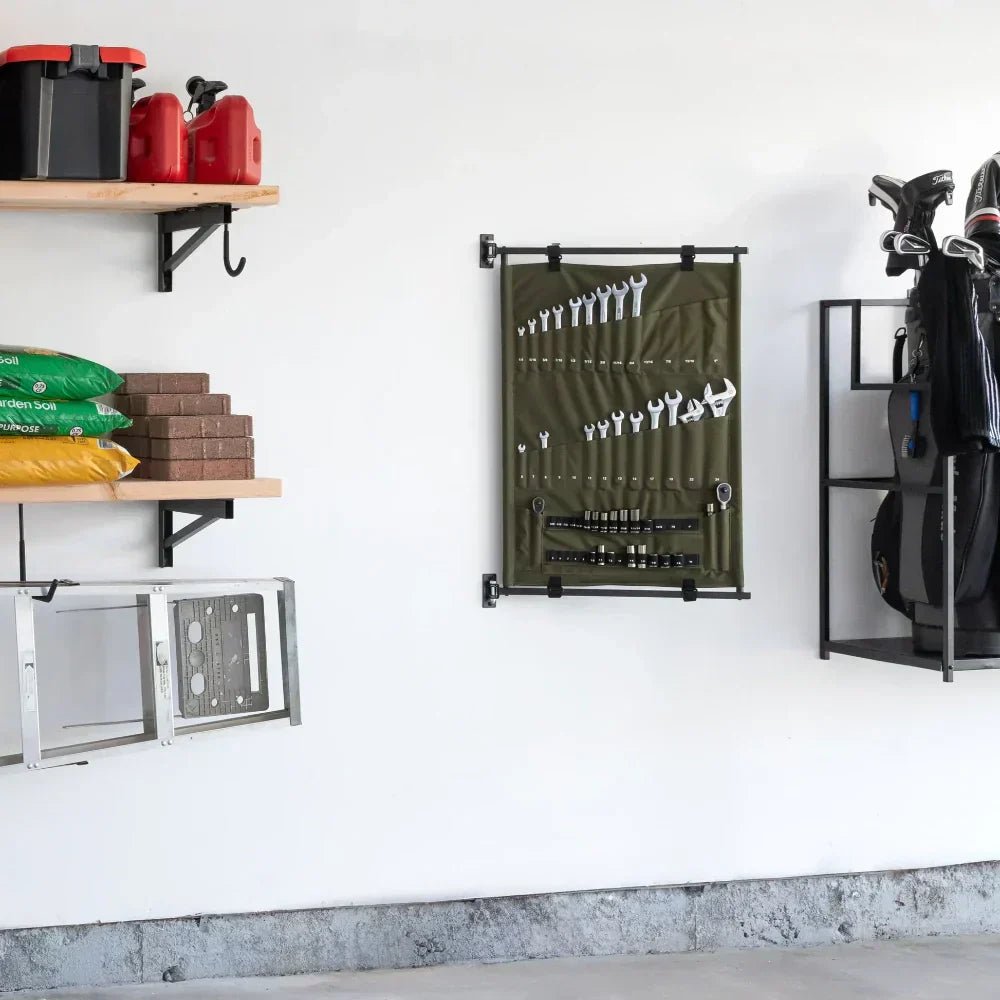
Are your wall-mounted hooks more cluttered than helpful? You’re not alone.
When hooks get messy, it’s hard to find what you need fast, and your space starts to look chaotic. But what if you could turn those hooks into a smart, organized system that saves you time and keeps your room neat?
You’ll discover simple tips that make your hooks work for you—not against you. Ready to transform your walls and your daily routine? Let’s dive in.
Choosing The Right Hooks
Organizing with wall-mounted hooks can save space and add style. Choosing the right hooks is important for function and look.
Consider different factors like material, size, and design to find the perfect hooks for your needs.
Material And Durability
Hooks come in various materials like metal, plastic, and wood. Each has its own durability and strength.
Metal hooks are strong and last long. Wooden hooks add a natural touch. Plastic hooks are lightweight and often cheaper.
- Metal: Strong and durable
- Wood: Natural and stylish
- Plastic: Lightweight and affordable
Size And Weight Capacity
Choose hooks based on the weight they can hold. Bigger hooks can hold more weight.
Check the size of the hook to ensure it fits your wall space. Measure the wall and hook before buying.
| Hook Size | Weight Capacity |
| Small | Up to 5 pounds |
| Medium | Up to 15 pounds |
| Large | Over 15 pounds |
Design And Style Options
Hooks come in many designs and styles. Pick a style that matches your room’s decor.
From modern to vintage, there are hooks to fit every taste. Consider color and shape to complement your space.
- Modern: Sleek and simple
- Vintage: Classic and elegant
- Colorful: Adds a pop of color
Credit: www.homedepot.com
Best Locations For Hooks
Wall-mounted hooks help keep things neat and easy to find. Choosing the right spot for hooks makes a big difference.
Placing hooks in smart locations saves space and keeps your home organized. Think about where you use items most.
Entryways And Mudrooms
Hooks near doors hold coats, bags, and keys. This keeps your entryway tidy and items easy to grab.
In mudrooms, hooks dry wet clothes and store hats. Use multiple hooks at different heights for all family members.
- Place hooks near the door at eye level
- Add lower hooks for kids’ coats
- Use sturdy hooks for heavy items
- Keep a hook for backpacks or umbrellas
Kitchens And Pantries
Hooks in kitchens hold utensils, towels, or mugs. This keeps counters clear and tools within reach.
In pantries, hooks hang aprons or grocery bags. They help make the space more useful and neat.
- Install hooks near the sink for dish towels
- Use hooks inside pantry doors for bags
- Hang frequently used utensils on hooks
- Keep hooks away from heat sources
Bathrooms And Bedrooms
Hooks in bathrooms hold towels and robes. They help keep wet items off the floor and dry faster.
In bedrooms, hooks organize jewelry, hats, or bags. They save drawer space and make items easy to find.
- Place hooks near the shower or tub
- Use hooks behind doors for robes
- Hang hooks on walls for hats or scarves
- Add small hooks for necklaces or belts
Closets And Storage Rooms
Hooks in closets hold accessories like belts and bags. They keep items visible and easy to grab.
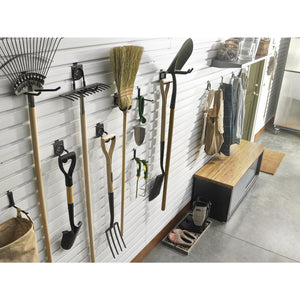
In storage rooms, hooks organize tools and cords. This prevents clutter and saves floor space.
- Place hooks on empty wall space
- Use heavy-duty hooks for tools
- Group similar items on nearby hooks
- Keep hooks at reachable heights
Creative Hook Arrangements
Organizing wall-mounted hooks can make your space neat and stylish. Using creative arrangements adds charm to any room.
Try different patterns and layouts to fit your needs and wall space. This guide shows easy ways to arrange hooks creatively.
Vertical And Horizontal Patterns
Vertical patterns use hooks stacked up in a column. This saves floor space and fits narrow walls well.
Horizontal patterns spread hooks in a row. This works great above benches or low furniture for easy reach.
- Vertical rows suit tight spaces
- Horizontal rows fit wide walls
- Mix both for tall and wide walls
Cluster Vs. Spaced Layouts
Cluster layouts group hooks close together. This creates a bold look and keeps items near each other.
Spaced layouts place hooks farther apart. This gives a cleaner look and room for bigger items.
- Clusters hold many small items
- Spaced hooks fit large bags or coats
- Choose layout based on your storage needs
Combining Hooks With Shelves
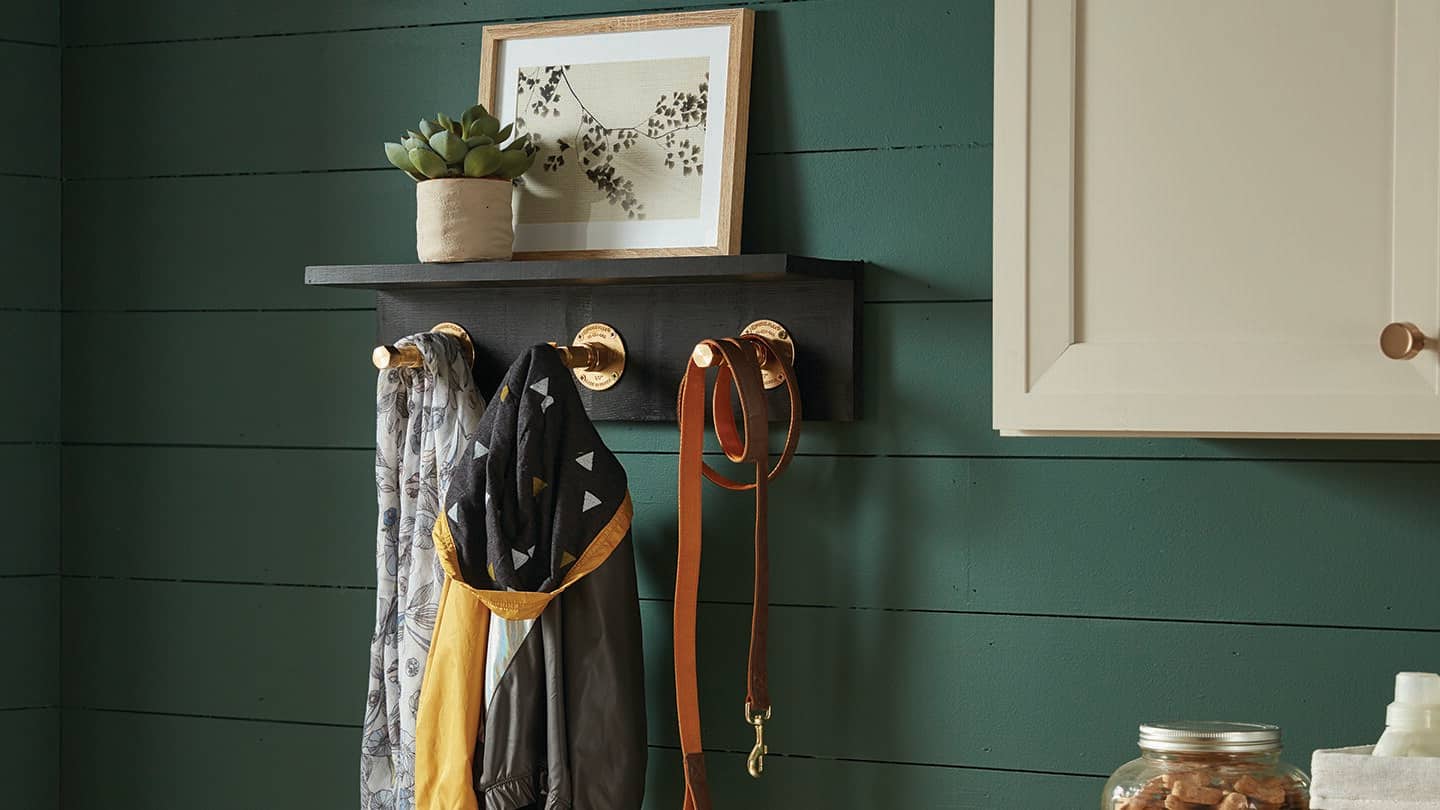
Hooks work well under or beside shelves. Shelves provide extra space for keys, hats, or decor.
Use shelves to hold items that don’t hang well. Hooks below keep things off the floor and easy to grab.
- Place hooks under shelves for coats
- Add small shelves for mail or accessories
- Mix hooks and shelves to maximize storage
Maximizing Small Spaces
Small spaces need smart ideas to stay neat and useful. Wall-mounted hooks help save floor space.
Using hooks well can keep items organized and easy to find. This helps make the most of tiny rooms.
Using Corners And Narrow Walls
Corners and narrow walls often go unused. Adding hooks there can create extra storage spots.
Use small hooks or racks designed for tight spaces. This keeps items off the floor and easy to reach.
- Place hooks vertically along narrow wall strips
- Use corner hooks to hold bags or hats
- Install small shelves with hooks underneath
Double-layered Hook Systems
Double-layered hooks have two rows of hooks on one base. This design saves wall space and holds more items.
Place heavier items on lower hooks and lighter ones above. This keeps the wall balanced and organized.
- Use double hooks for coats and scarves
- Hang bags on top hooks and keys below
- Mix different hook sizes for varied items
Multi-purpose Hook Uses
Hooks can hold more than just clothes. Use them for kitchen tools, plants, or office supplies to save space.
Think about what you need often. Hooks can keep those things close and your small area clutter-free.
- Hang pots and pans in the kitchen
- Use hooks for hanging small potted plants
- Organize cords and chargers in your workspace
Installation Tips
Wall-mounted hooks help keep spaces neat and organized. Installing them correctly ensures they hold items well.
Follow simple tips for a strong and tidy hook setup on your walls.
Tools And Materials Needed
Gather the right tools before starting. This makes installation easier and faster.
- Drill or screwdriver
- Level tool
- Measuring tape
- Pencil for marking
- Wall anchors or screws
- Wall-mounted hooks
Wall Types And Anchors
Identify your wall type to choose the correct anchors. This prevents hooks from falling off.
Use anchors made for drywall, plaster, or masonry walls as needed.
- Drywall:Use plastic or metal anchors
- Plaster:Use toggle bolts or molly bolts
- Brick or concrete:Use masonry anchors or screws
Proper Height And Spacing
Set hooks at a height that is easy to reach. Space them to fit the items you want to hang.
Good spacing keeps your wall neat and items accessible.
- Place hooks about 5 to 6 feet high for coats or bags
- Space hooks 4 to 6 inches apart for small items
- Leave 8 to 12 inches between hooks for larger items
Maintaining Hook Organization
Wall-mounted hooks help keep things tidy and easy to find. To keep them organized, regular care is important.
Simple habits help maintain order and make your space look neat every day.
Regular Decluttering
Check your hooks often to remove items you no longer need. Old or unused things take up space and cause clutter.
Cleaning your hooks helps keep only useful items where you can see them.
- Look over hooks once a week or month
- Take off items that are broken or no longer used
- Sort items to decide what to keep or toss
Labeling And Categorizing
Labels make it easy to find and return items to the right hook. They reduce mess and save time.
Group similar items together on labeled hooks. This keeps everything clear and tidy.
- Use simple labels for each hook or section
- Group items like keys, bags, or tools separately
- Keep labels clear and easy to read
Seasonal Rotation
Change the items on your hooks with the seasons. Store off-season items elsewhere to avoid clutter.
This keeps your hooks focused on what you need now and frees space for other things.
- Switch coats and hats in winter and summer
- Store holiday decorations separately when not in use
- Rotate sports gear based on the season
Diy Hook Projects
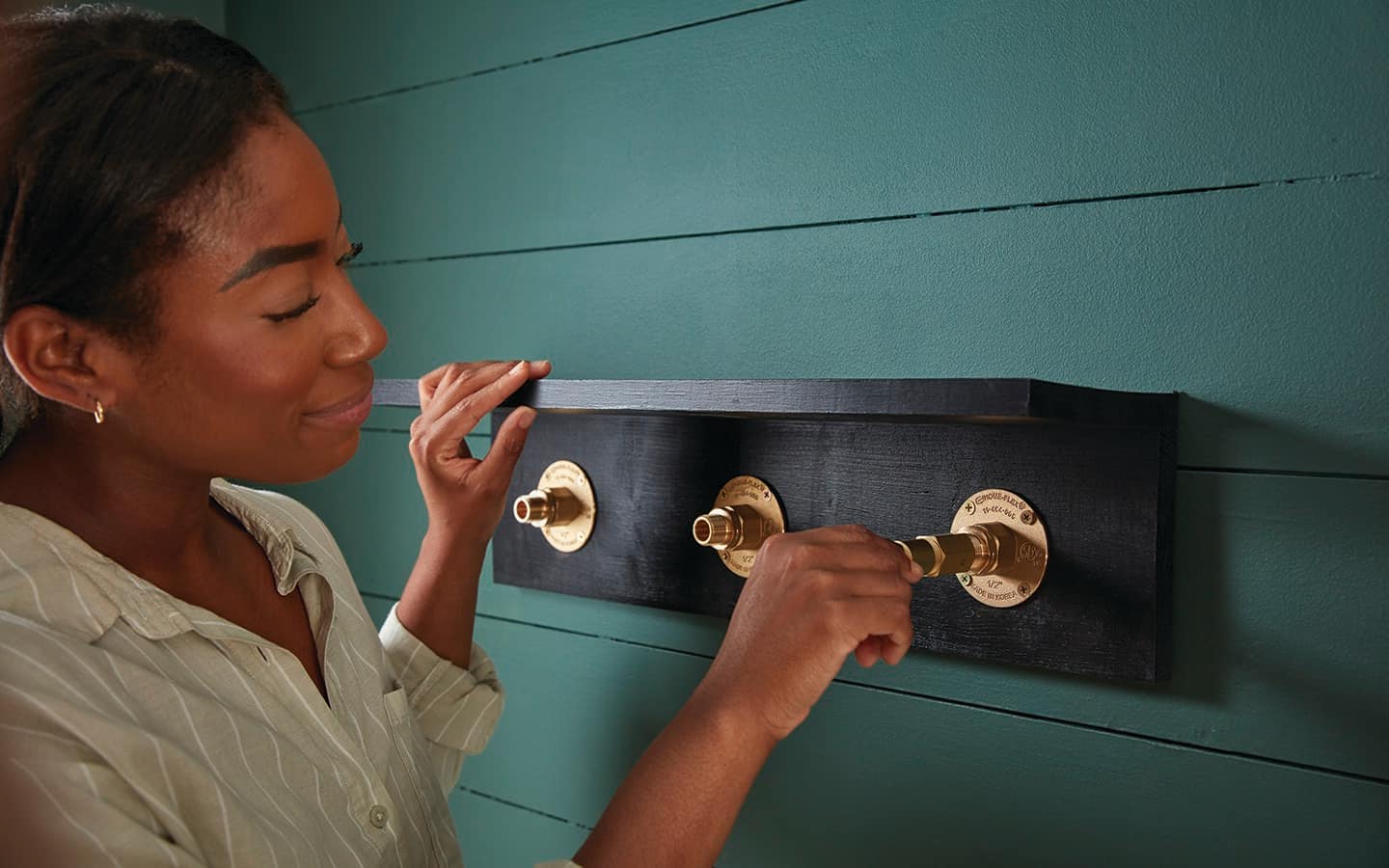
Wall-mounted hooks help keep your space neat. You can make your own hooks at home. DIY projects save money and add style.
Try different ideas to organize your hooks. Use simple materials and tools for easy projects. Personalize hooks to fit your space.
Custom Painted Hooks
Painting hooks lets you match colors to your room. Use bright or soft paints to fit your style. Paint metal or wooden hooks.
Use stencils or freehand designs for a unique look. Seal paint with a clear coat to protect it from wear.
- Choose paint made for metal or wood
- Use painter’s tape for clean edges
- Add patterns like stripes or dots
- Let paint dry fully before use
Repurposed Materials
Use old items to create hooks. Wood scraps, old knobs, and metal pieces work well. Repurposing saves waste and adds charm.
Attach these materials to a board or wall. Make sure they are strong enough to hold items.
- Old drawer knobs make great hooks
- Wooden branches can hold light items
- Metal spoons bend into hooks
- Recycle furniture parts creatively
Personalized Hook Boards
Create a hook board with your name or theme. Paint the board and add hooks in a pattern. Personal touches make it special.
Use letters, shapes, or decorations to customize the board. Choose hooks that fit the board style and hold your items.
- Paint the board with your favorite colors
- Add your name or a fun word
- Use matching hooks for a neat look
- Arrange hooks by size or use
Credit: www.homedepot.com
Credit: www.gladiatorgarageworks.com
Frequently Asked Questions
How Do I Choose The Best Wall-mounted Hooks?
Select hooks based on weight capacity, material, and design. Consider the items you’ll hang and match hooks accordingly for durability and style.
Where Should I Install Wall-mounted Hooks For Convenience?
Install hooks near entryways, closets, or bathrooms. Choose spots with easy reach to maximize functionality and keep spaces organized.
What Tools Are Needed To Mount Wall Hooks Securely?
You’ll need a drill, screws, anchors, a level, and a screwdriver. These ensure hooks are stable and properly aligned on the wall.
How Can I Prevent Damage When Mounting Wall Hooks?
Use wall anchors for drywall and avoid overloading hooks. Follow installation instructions carefully to protect walls and maintain hook stability.
Conclusion
Organizing wall-mounted hooks makes your space neat and easy to use. Choose the right hooks for the items you want to hang. Group similar things together for quick access. Keep the hooks at a good height for everyone in your home.
Regularly check and adjust the hooks as needed. Small changes can make a big difference in your room’s order. Enjoy a clutter-free and simple space every day.