
Is your refrigerator a constant mess? Finding what you need quickly can feel impossible, and food often gets forgotten or wasted.
But imagine opening your fridge and instantly spotting everything you want, saving time and money. With a few simple tips for organizing refrigerator shelves, you can transform your fridge from chaos to calm. Keep reading, and you’ll discover easy tricks that make your food last longer and your kitchen run smoother.
Ready to take control of your fridge? Let’s dive in!
Credit: creators.yahoo.com
Maximize Shelf Space
Keeping your refrigerator organized helps save time and reduce waste. Smart organization can make your refrigerator feel bigger. Here are some tips to help you maximize your shelf space effectively.
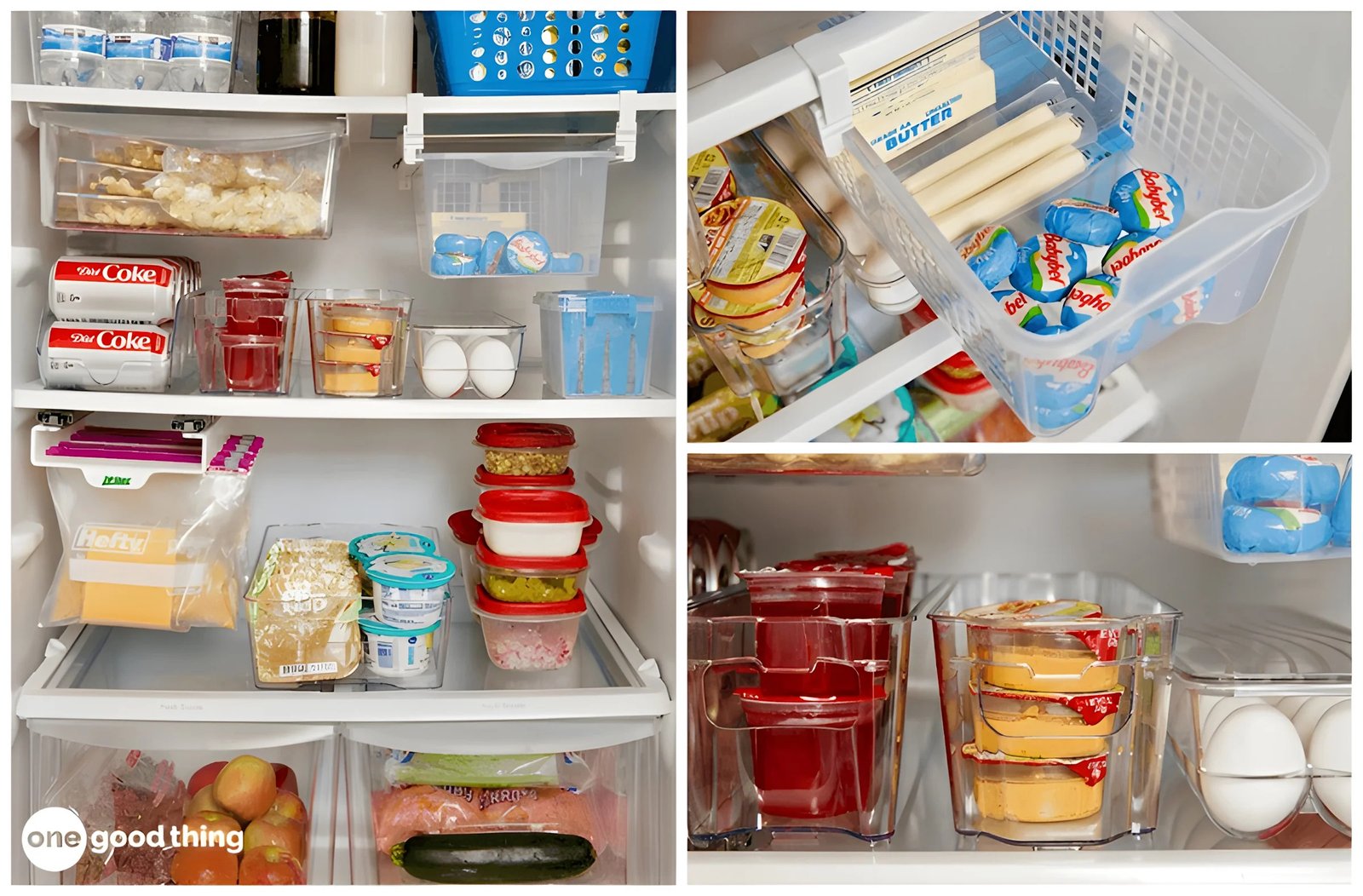
Use Clear Storage Bins
Clear storage bins make it easy to see what you have. They help group similar items together, which saves space. Choose bins that fit your shelves well to avoid wasted space.
- Use bins for fruits and vegetables
- Group condiments in one bin
- Store snacks in clear containers
Adjust Shelf Heights
Many refrigerators let you adjust shelf heights. Changing the height of shelves can create more space for taller items. Experiment with different arrangements to find what works best.
- Make room for tall bottles
- Lower shelves for small items
- Try different configurations
Stack Smartly
Stacking items can save space, but do it wisely. Keep heavy items at the bottom to avoid crushing lighter items. Use stackable containers to keep things neat and stable.
- Stack jars and cans safely
- Use stackable plastic containers
- Keep similar items together
Credit: www.whirlpool.com
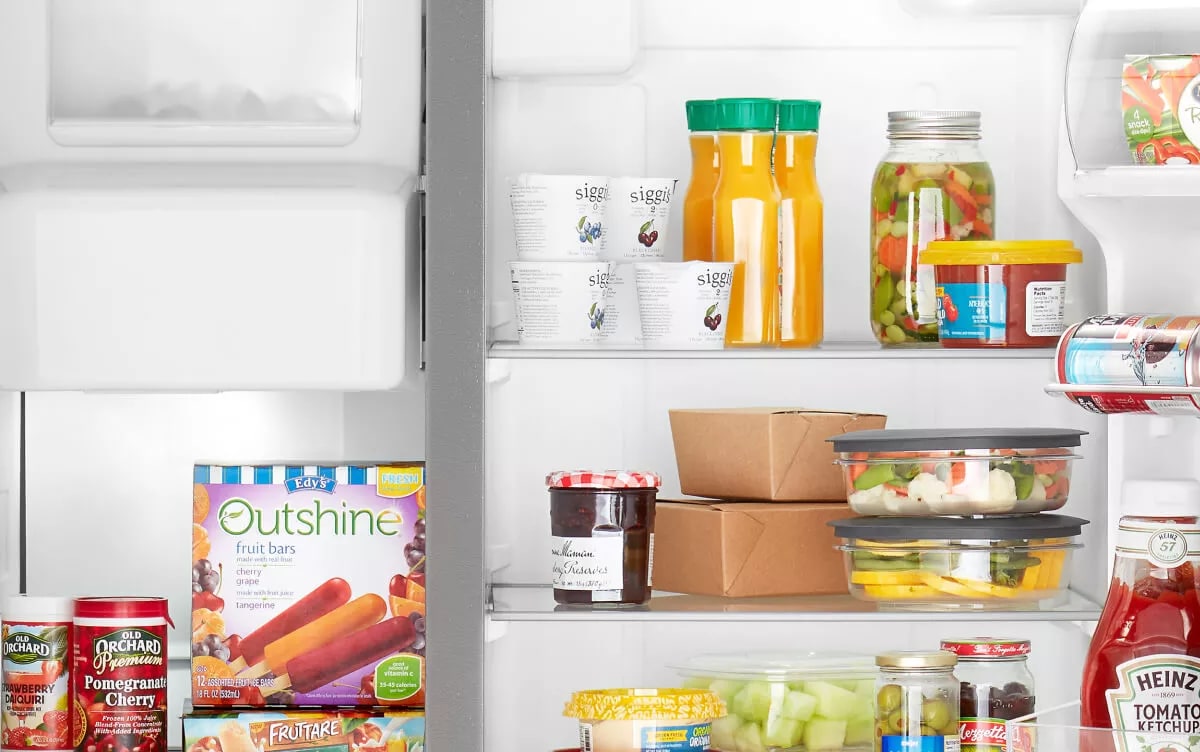
Group Similar Items
Organizing your refrigerator by grouping similar items makes it easier to find food quickly. It also helps keep your fridge neat and reduces food waste.
When you put like items together, you save space and keep everything fresh longer. This simple habit improves your kitchen routine every day.
Create Zones For Food Types
Divide your fridge into zones for different food types. This way, you know exactly where to look for dairy, vegetables, or meats.
Keep raw meats on the bottom shelf to avoid drips. Store fruits and vegetables in separate drawers to keep them fresh.
- Dairy: milk, cheese, yogurt
- Meats: chicken, beef, fish
- Fruits: apples, berries, oranges
- Vegetables: lettuce, carrots, peppers
Keep Snacks Accessible
Place snacks where you can reach them easily. This helps you grab a quick bite without opening every shelf.
Use clear containers or bins to store snacks like cheese sticks, cut fruits, or yogurt cups. It keeps snacks visible and tidy.
- Use a shallow bin on the middle shelf
- Keep grab-and-go items in front
- Check snacks regularly for freshness
Store Condiments Together
Keep all your condiments in one spot. This helps you find sauces, dressings, and spreads fast.
Use a small bin or tray on the door shelf for condiments. Grouping them prevents spills and saves space.
- Ketchup, mustard, and mayonnaise
- Salad dressings and sauces
- Jams and jellies
Use Vertical Storage
Vertical storage helps you save space in your refrigerator. It lets you fit more items neatly.
Using the height of your fridge shelves keeps everything easy to find and reach.
Install Shelf Risers
Shelf risers add extra levels inside your fridge. They create more storage space above items.
Use risers to stack containers or small items without squashing what is below.
- Place risers on shelves to double storage height
- Store leftovers or snacks on risers
- Keep fruits or vegetables under or above risers
Use Hanging Baskets
Hanging baskets attach under fridge shelves. They free up shelf space for bigger items.
These baskets are good for small fruits, jars, or packets that can hang safely.
- Hang baskets from metal shelf bars
- Store small or light items inside baskets
- Keep the fridge floor less crowded
Store Bottles Upright
Keep bottles standing up to save space and avoid spills. It also makes bottles easy to grab.
Use the fridge door or a bottle rack to keep bottles organized and stable.
- Place bottles in the door compartments
- Use racks to hold bottles vertically
- Avoid laying bottles flat to prevent leaks
Maintain Food Freshness
Organizing your refrigerator shelves helps keep food fresh longer. Proper storage slows spoilage and reduces waste.
Using simple tips can improve how you store food. This keeps flavors intact and saves money.
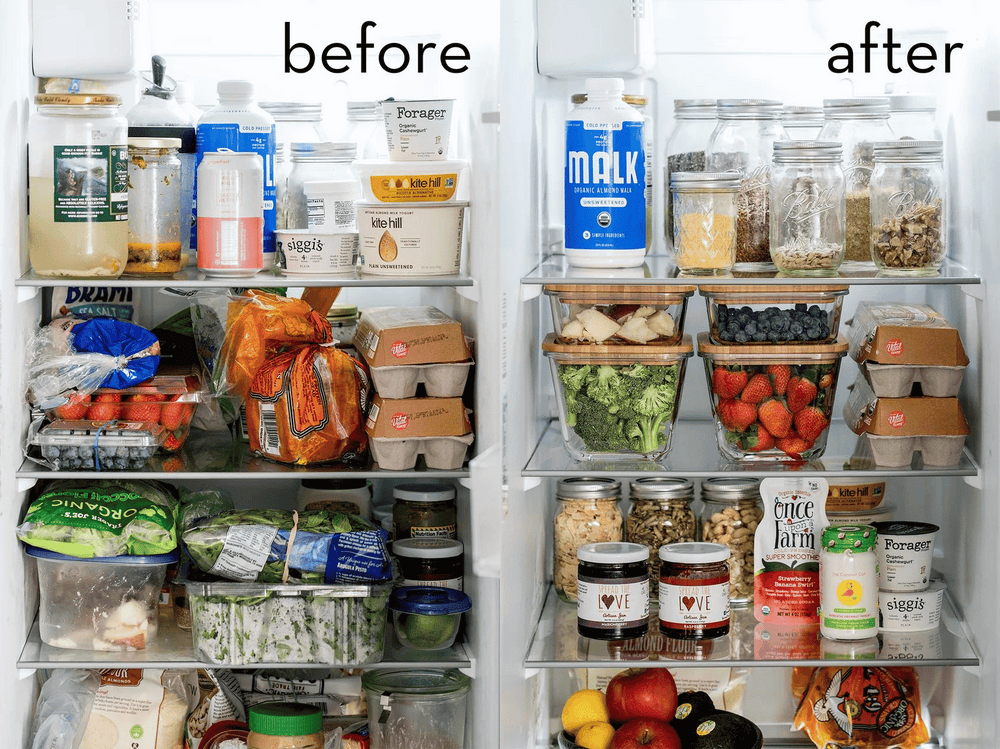
Label And Date Items
Labeling and dating food helps you use it before it goes bad. It also stops you from throwing away fresh food by mistake.
Use labels or markers to write the date you stored each item. Check dates regularly to plan meals.
- Write the storage date on jars and containers
- Use sticky notes or masking tape for easy labeling
- Place older items in front for quick access
Use Airtight Containers
Airtight containers keep air out and moisture in. This stops food from drying out or becoming soggy.
Choose containers that seal tightly. Clear containers help you see what is inside without opening them.
- Store leftovers in sealed plastic or glass containers
- Use containers with snap lids or silicone seals
- Keep dry foods like nuts and snacks in airtight jars
Keep Fruits And Vegetables Separate
Fruits and vegetables release gases that affect each other’s freshness. Keeping them apart helps slow spoilage.
Use separate drawers or containers for fruits and vegetables. This keeps them fresh and tasty longer.
- Store fruits in one drawer or clear container
- Place vegetables in a different drawer or container
- Keep ethylene-producing fruits like apples away from vegetables
Optimize Door Storage
The refrigerator door is a convenient place to store many items. It helps keep things organized and easy to find.
Using the door shelves well can free up space inside the fridge. It also helps keep food fresh longer.
Store Beverages And Dressings
The door shelves are perfect for bottles and jars. Store drinks like juice, soda, and water there.
Keep salad dressings and sauces in the door. This keeps them easy to grab when you need them.
- Place tall bottles on the bottom shelf
- Use upper shelves for smaller bottles
- Group similar items together
Avoid Perishables On Door
The fridge door is the warmest part of the refrigerator. Avoid storing milk, eggs, or cheese there.
These items need steady cold temperatures. Keep them on the main shelves inside the fridge.
- Store perishables on middle or bottom shelves
- Check door items for spoilage often
- Use the door for less sensitive foods
Use Small Containers For Jars
Small jars and bottles can get lost or clutter the door shelves. Use small containers to group them.
Containers keep jars stable and easy to move. They help keep the door neat and tidy.
- Use shallow bins or trays for jars
- Label containers for quick access
- Choose clear containers to see contents
Credit: spreadthelovefoods.com
Regular Cleaning And Maintenance
Keeping your refrigerator clean helps your food stay fresh longer. Regular cleaning stops germs and bad smells.
Good maintenance also saves energy and keeps your fridge working well. Simple habits make a big difference.
Remove Expired Items
Check your fridge often to find expired or spoiled food. Throw away anything that looks or smells bad.
Removing old items frees up space and stops bacteria from spreading to fresh food.
- Look at expiration dates regularly
- Throw away leftovers older than 3-4 days
- Check for mold or bad smells
Wipe Shelves Frequently
Clean refrigerator shelves to remove spills and crumbs. Use warm, soapy water for wiping.
Dry shelves well before putting food back. This stops moisture and mold from growing.
- Remove all items before cleaning
- Use a soft cloth or sponge
- Clean spills as soon as they happen
Check Temperature Settings
Keep your fridge at the right temperature to keep food safe. The ideal fridge temperature is 37°F to 40°F.
Check the temperature often using a fridge thermometer. Adjust settings if food freezes or spoils quickly.
- Set fridge between 37°F and 40°F (3°C to 4°C)
- Use a thermometer to check accuracy
- Adjust settings if needed
Frequently Asked Questions
How Do I Organize Refrigerator Shelves Efficiently?
Start by grouping similar items together. Use clear containers and labels. Keep frequently used items at eye level. Store raw meat on the bottom shelf to avoid contamination.
What Are The Best Storage Tips For Fridge Shelves?
Store fruits and vegetables in separate drawers. Use airtight containers to keep food fresh. Avoid overcrowding shelves to allow proper air circulation. Clean shelves regularly to prevent odors.
How Often Should I Clean Refrigerator Shelves?
Clean refrigerator shelves every 1-2 weeks. Wipe spills immediately to prevent stains. Use mild soap and warm water for cleaning. Regular cleaning keeps food safe and fridge smelling fresh.
Where Should Raw Meat Be Stored In The Fridge?
Place raw meat on the bottom shelf. Use a tray or container to catch drips. This prevents cross-contamination with other foods. Always keep meat sealed tightly.
Conclusion
Organizing your refrigerator shelves saves time and reduces food waste. Clean shelves and group similar items together. Use clear containers for better visibility. Label shelves or containers to stay organized. Keep fruits and vegetables separate to stay fresh longer. Regularly check expiration dates and toss old food.
A neat fridge makes cooking easier and more fun. Small changes create big benefits for your kitchen. Try these tips for a tidy, efficient refrigerator today.