
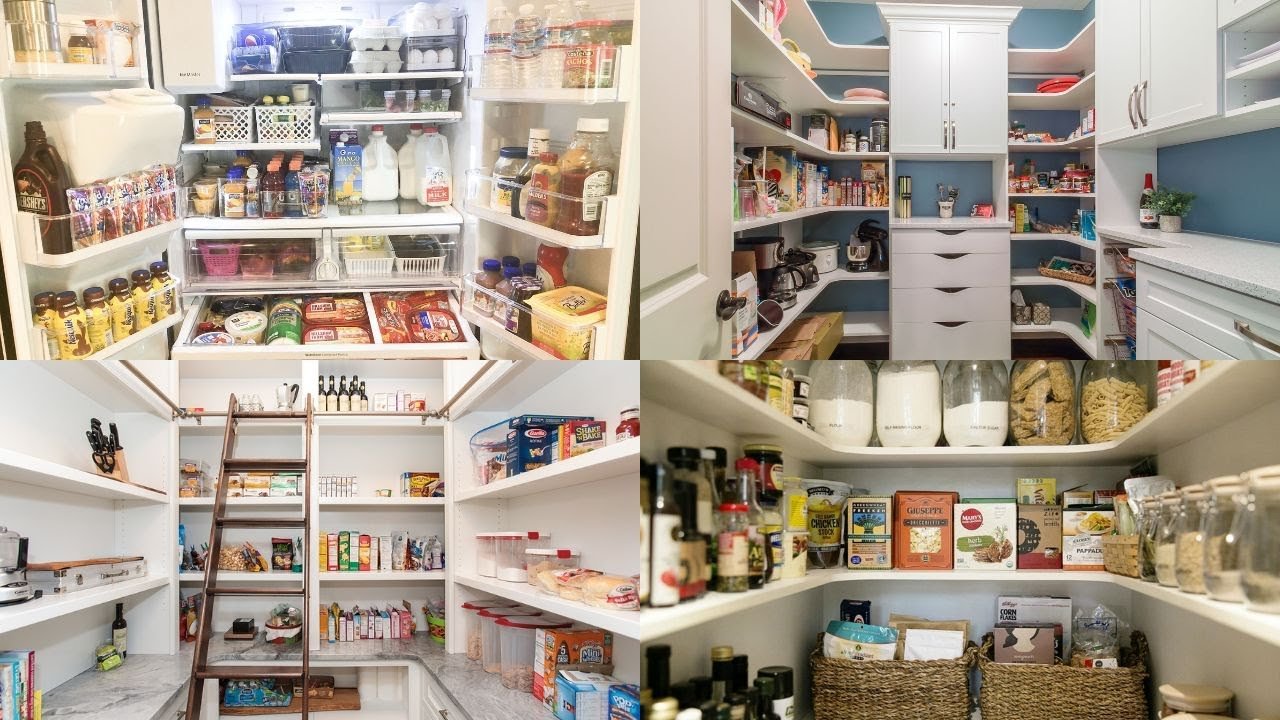
Is your pantry a cluttered mess that makes finding what you need a daily struggle? Imagine opening your pantry and instantly spotting every ingredient without any hassle.
You can transform your shelves into a neat, efficient space that saves you time and reduces stress. You’ll discover simple, practical tips to organize your pantry shelves like a pro. Keep reading, and you’ll unlock easy strategies that make your kitchen work for you, not against you.

Credit: www.sortednola.com
Assess Pantry Space
Organizing pantry shelves can make your kitchen more efficient. Start by assessing your pantry space to maximize storage.
Understanding your pantry’s layout is key to efficient organization. Let’s explore how to assess your space effectively.
Measure Dimensions
Begin by measuring the height, width, and depth of your pantry. This helps you know what storage solutions will fit.
Use a tape measure for accurate dimensions. Record these measurements on paper for easy reference.
- Measure shelf height to ensure items fit.
- Check shelf depth for large containers.
- Record wall dimensions for extra shelving.
Identify Storage Zones
Divide your pantry into storage zones. Assign each zone a purpose like dry goods, canned items, or baking supplies.
Organized zones make finding items easier. This saves you time during meal prep.
- Top shelves for rarely used items.
- Middle shelves for everyday goods.
- Lower shelves for heavy items.
Evaluate Current Setup
Look at your current pantry setup. Identify what works and what doesn’t. Adjust as needed for better organization.
Consider using clear containers for easy identification. Labeling shelves helps maintain order.
- Remove expired items.
- Group similar products together.
- Use baskets for loose items.
Declutter And Clean
Keeping your pantry shelves tidy makes cooking easier. A neat pantry helps you find items fast.
Start by removing old items and cleaning shelves. This creates space and keeps food safe.
Remove Expired Items
Check all products for expiration dates. Throw away any food that is past its date.
This stops spoiled food from mixing with fresh items. It also frees up shelf space.
- Look at cans, jars, and boxes
- Discard opened items that smell bad
- Check spices and baking goods carefully
Sort Similar Products
Group like items together on the shelves. This makes it easy to find what you need.
Arrange products by type or use. Keep snacks, baking supplies, and canned goods separate.
- Place frequently used items at eye level
- Stack boxes and cans neatly
- Use clear containers for small items
Deep Clean Shelves
Empty the shelves before cleaning. Use warm water and mild soap to wipe them down.
Dry shelves completely before putting items back. This prevents mold and keeps food safe.
- Remove crumbs and dust
- Clean corners and edges well
- Use a soft cloth or sponge
Choose Storage Solutions
Organizing pantry shelves is easier with the right storage tools. Good storage solutions save space and keep items neat.
Choosing the best containers and organizers helps you find what you need fast. It also keeps food fresh longer.
Use Clear Containers
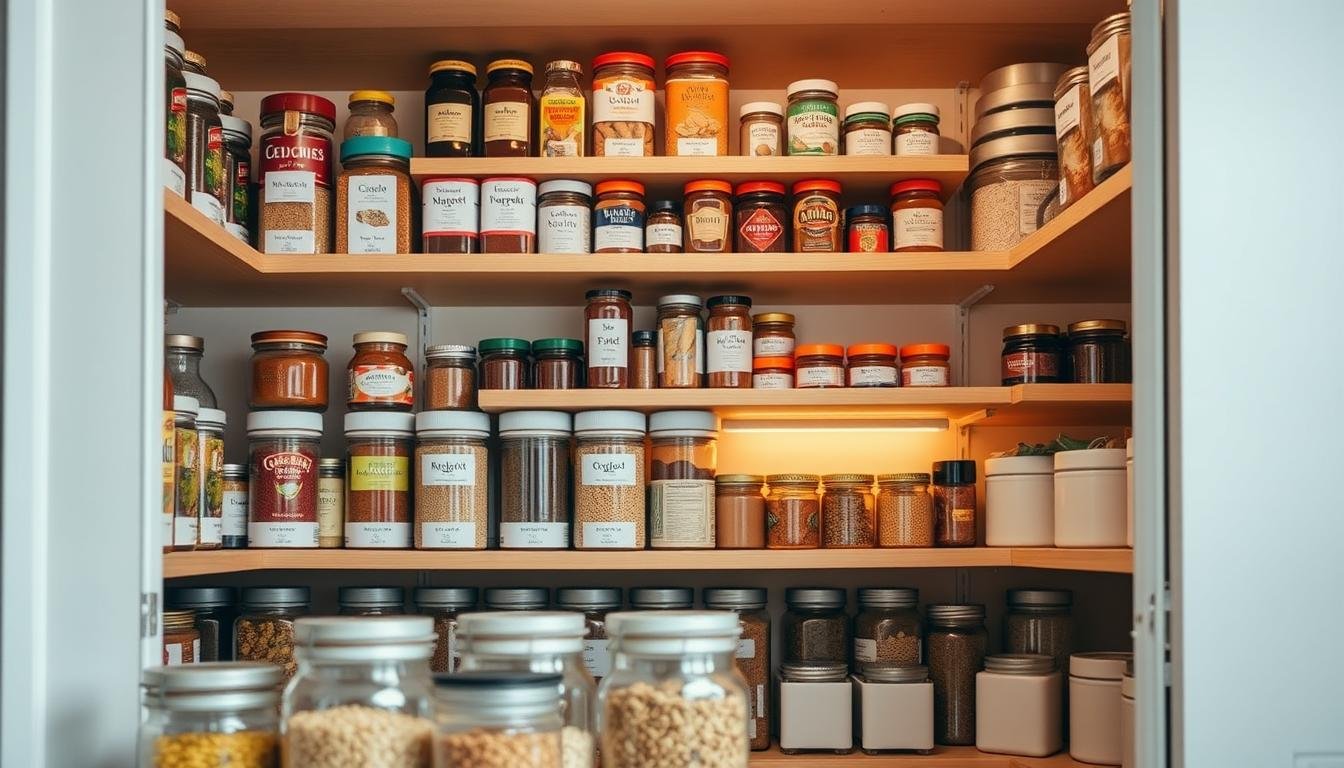
Clear containers let you see the contents without opening them. This saves time and stops food from getting lost.
Pick containers with tight lids to keep snacks and ingredients fresh. Stackable shapes help use vertical space well.
Incorporate Baskets And Bins
Baskets and bins group similar items together. They keep small packages from falling over and cluttering shelves.
Use baskets for snacks, canned goods, or baking supplies. Label bins to find items quickly and keep shelves tidy.
- Choose sturdy baskets that fit your shelf size
- Use bins with handles for easy pulling out
- Sort items by category for faster access
Add Shelf Risers
Shelf risers create extra levels on your pantry shelves. They make use of vertical space that often goes unused.
Place short items like spices or jars on risers to see everything clearly. This stops items from hiding in the back.

Credit: www.consumerreports.org
Maximize Vertical Space
Organizing pantry shelves well saves space and keeps items easy to find. Using vertical space helps store more without clutter.
Think about how you can add height to your shelves. This lets you use empty space above items for extra storage.
Install Adjustable Shelves
Adjustable shelves let you change shelf height as needed. You can fit tall or short items perfectly.
This flexibility helps use all vertical space without gaps or wasted room.
- Move shelves up or down to fit large jars or boxes
- Add extra shelves to store small cans or spices
- Customize space for seasonal items or bulk goods
Utilize Door Organizers
Door organizers turn pantry doors into storage spots. They use vertical space you might ignore.
These organizers hold spices, snacks, or cleaning supplies. This frees shelf space for bigger items.
- Use racks or pockets to store bottles and small jars
- Keep frequently used items within easy reach
- Maximize space on pantry doors without clutter
Label Everything
Organizing pantry shelves is easier when you label everything. Labels help you find items quickly and keep shelves neat.
Clear labels also make it simple to put things back in the right place. This keeps your pantry tidy over time.
Create Consistent Labels
Use the same style and font for all labels. This makes your pantry look organized and neat.
Consistent labels help you read them fast. Choose a clear font and size that is easy to see from a distance.
Use Chalkboards Or Stickers
Chalkboard labels let you write and erase easily. They work well if you change pantry items often.
Stickers are good for long-term use. You can find many styles and colors to match your pantry look.
Group Items By Category
Organizing pantry shelves by category helps you find items quickly. It also keeps your pantry neat and tidy.
Group similar foods together to save time and reduce clutter. This method makes it easier to know what you have.
Separate Baking Supplies
Keep baking supplies in one spot to avoid mixing them with other foods. This makes it easy to grab what you need for baking.
Use clear containers or bins to store items like flour, sugar, and baking powder. Label each container for quick identification.
- Flour
- Sugar
- Baking soda and baking powder
- Chocolate chips and sprinkles
- Vanilla extract
Organize Snacks
Place all snacks together so family members can find their favorite treats easily. This keeps snacks from getting lost in the pantry.
Use baskets or bins to group snacks like chips, crackers, and granola bars. This keeps the shelf tidy and snacks accessible.
- Chips and pretzels
- Crackers
- Granola and protein bars
- Dried fruits
- Popcorn
Store Canned Goods Together
Keep all canned foods on the same shelf or area. This helps you see what you have and what needs to be used first.
Organize cans by type, such as vegetables, fruits, and soups. Arrange older cans in front to use them first.
- Canned vegetables
- Canned fruits
- Soups and stews
- Beans
- Tomato sauces
Maintain Accessibility
Organizing pantry shelves well helps you find items fast. It also keeps your kitchen safe and neat.
Keeping everything easy to reach saves time and avoids mess. Use smart placement to keep things accessible.
Place Frequent Items At Eye Level
Put items you use every day at eye level. This makes grabbing them quick and easy.
Examples include spices, cooking oils, and snacks. Store less-used items higher or lower.
- Eye-level shelves hold daily essentials
- Keep snacks and spices within reach
- Place rarely used goods on top or bottom shelves
Keep Heavy Items Low
Put heavy items like canned goods or large containers on bottom shelves. This prevents accidents.
It is safer to lift heavy items from a low height. It also keeps shelves stable and strong.
- Bottom shelves hold heavy cans and jars
- Keep large bottles and bags low
- Avoid stacking heavy items too high
Credit: 1lttlestep.com
Regular Maintenance Tips
Keeping pantry shelves organized takes regular care. Small checks can keep your pantry neat and tidy.
Set a routine for maintenance. This helps avoid clutter and expired items.
Weekly Quick Checks
Look over your pantry shelves each week. Quickly check for expired or spoiled food.
Wipe down shelves if you see crumbs or spills. This keeps pests away and your pantry clean.
- Remove expired items
- Wipe shelf surfaces
- Rearrange items for easy access
- Check for signs of pests
Seasonal Reorganization
Change your pantry layout with the seasons. Store seasonal foods where you can reach them easily.
Take out items you won’t use until next season. Store them in less visible spots to save space.
- Group similar seasonal items together
- Use clear containers for easy identification
- Label shelves or bins by season
- Rotate stock to use older items first
Frequently Asked Questions
How Can I Maximize Space On Pantry Shelves?
Use clear containers and stackable bins to save space. Group similar items together for easy access. Adjust shelf heights to fit taller items efficiently.
What Are The Best Containers For Pantry Organization?
Opt for airtight, clear containers to keep food fresh and visible. Use uniform sizes to stack neatly and save space. Label containers for quick identification.
How Often Should I Clean And Reorganize Pantry Shelves?
Clean and reorganize pantry shelves every 3 to 6 months. Regular maintenance prevents clutter and expired food buildup. It helps keep your pantry efficient and tidy.
How Do I Categorize Items On Pantry Shelves Effectively?
Group items by type, such as baking supplies, snacks, and canned goods. Use baskets or bins to separate categories. Label sections clearly for quick retrieval.
Conclusion
Organizing pantry shelves saves time and reduces food waste. Clear containers help you see what you have. Group similar items together for quick access. Label shelves and bins to stay neat. Keep frequently used items at eye level. Regularly check for expired products to stay fresh.
A tidy pantry makes cooking easier and more fun. Start small and build your system step by step. Small changes bring big results. Enjoy a clean, well-organized pantry every day.