
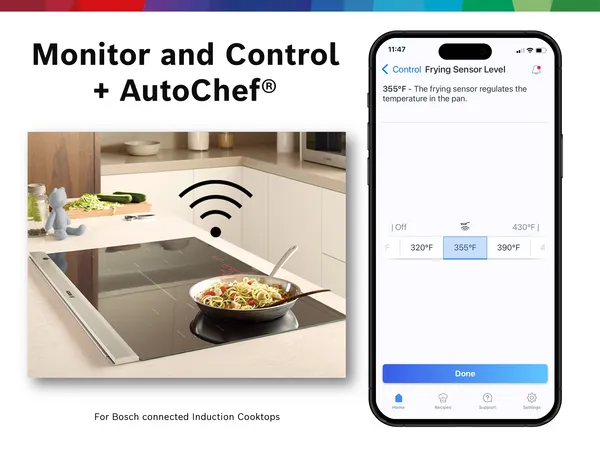
Imagine being able to keep an eye on your smart induction cooktop no matter where you are. Sounds convenient, right?
Whether you’re busy at work or relaxing outside, monitoring your cooktop remotely can save you time and prevent accidents. But how do you do it effectively? You’ll discover simple and practical tips that make remote monitoring easy and stress-free. Keep reading to learn how to take full control of your smart induction cooktop and cook with confidence, even when you’re not in the kitchen.

Credit: karinearappliances.com
Choosing The Right Smart Induction Cooktop
Smart induction cooktops let you control cooking from far away. They bring convenience and safety to your kitchen.
Picking the right cooktop is key to easy remote monitoring. Look for features that fit your needs well.
Features To Look For
Choose a cooktop with clear controls and good safety settings. These make remote cooking safer and simpler.
- Temperature sensors to prevent overheating
- Automatic shut-off timers for safety
- Real-time cooking status updates
- Easy-to-use mobile app control
- Energy usage monitoring to save power
Check if the cooktop supports voice commands. This can add ease to remote use.
Compatibility With Devices
Make sure the cooktop works well with your phone or tablet. Some models only work with certain systems.
- Check if it supports iOS and Android apps
- Look for compatibility with smart home hubs
- See if it works with voice assistants like Alexa or Google
- Confirm the app updates regularly for security
Good device compatibility helps you control the cooktop smoothly. It also ensures updates and fixes come easily.
Credit: www.spencerstv.com
Setting Up Remote Access
Smart induction cooktops allow you to control and monitor cooking remotely. Setting up remote access helps you check the cooktop from anywhere.
To get started, you need to connect your cooktop to Wi-Fi and install the proper app for control.
Connecting To Wi-fi
First, ensure your cooktop supports Wi-Fi connection. Use the cooktop’s control panel to find the Wi-Fi settings.
Select your home Wi-Fi network and enter the password carefully. A strong Wi-Fi signal helps maintain a stable connection.
- Go to cooktop settings menu
- Choose Wi-Fi or Network option
- Find and select your Wi-Fi network
- Enter the password and connect
- Wait for confirmation of connection
App Installation And Configuration
Download the official app for your cooktop brand from the app store. The app lets you control and monitor the cooktop remotely.
After installation, open the app and create an account if needed. Follow the app instructions to link your cooktop.
- Open the app and sign in or register
- Choose ‘Add Device’ or similar option
- Follow prompts to detect your cooktop
- Confirm connection between app and cooktop
- Test remote control features
Understanding Remote Monitoring Features
Smart induction cooktops come with remote monitoring features. These features let you watch and control your cooking from anywhere.
Knowing how these features work helps you cook safely and efficiently. You can avoid overcooking or wasting energy.
Real-time Cooking Alerts
Real-time alerts notify you about your cooking status right away. They send messages if something needs your attention.
You get alerts for things like boiling over, cooking time ending, or if the cooktop is left on by mistake.
- Alert when food is ready
- Warning for high heat or spills
- Notification if cooktop stays on too long
Power And Temperature Control
Remote control lets you adjust power and temperature from your phone or device. This helps you cook with more precision.
You can lower the heat if food is cooking too fast or increase it if you need more power. This saves energy and improves results.
- Change power levels remotely
- Set exact temperature for cooking
- Pause or stop cooking if needed
Enhancing Security For Remote Access
Smart induction cooktops allow you to control cooking from anywhere. This remote access adds convenience but also risks.
It is important to keep your cooktop secure. Protect your device from unauthorized use and possible hacks.
Secure Password Practices
Use strong passwords to protect your cooktop’s remote access. Weak passwords are easy to guess or crack.
Create passwords with letters, numbers, and symbols. Avoid common words and personal information.
- Use at least 12 characters
- Mix uppercase and lowercase letters
- Include numbers and special symbols
- Do not reuse passwords from other accounts
- Change passwords regularly
Two-factor Authentication
Two-factor authentication adds a second step to log in. This helps stop hackers even if they have your password.
It often requires a code sent to your phone or an app. This extra check keeps your cooktop safer from remote threats.
- Enable two-factor authentication in your cooktop app
- Use authentication apps instead of SMS when possible
- Keep your phone and apps updated for security
- Do not share your authentication codes
Optimizing Energy Efficiency
Smart induction cooktops can save energy by using remote monitoring features. This helps you control cooking power and time.
Using these tools well reduces waste and lowers your electricity bills. You can cook smarter and greener.
Setting Energy-saving Preferences
Adjust your cooktop settings to use less energy. Many smart cooktops let you set limits on power levels.
You can choose eco modes or lower heat settings for slow cooking. This saves energy without losing food quality.
- Set a maximum power level to avoid excess energy use
- Use timer settings to turn off cooktop automatically
- Choose energy-saving cooking modes if available
- Lower heat for dishes that need slow cooking
Monitoring Usage Patterns
Use your cooktop’s app to track how often and how long you cook. This helps spot energy waste.
Look for times when the cooktop stays on but not cooking. Adjust your habits to save power.
- Check daily and weekly cooking time reports
- Identify long idle times and reduce them
- Notice which dishes use more energy
- Plan meals that need less power based on reports
Troubleshooting Common Issues
Smart induction cooktops need regular monitoring to work well. Sometimes, problems can happen with remote control.
Knowing how to fix common issues helps you keep cooking without delays. This guide covers basic troubles and how to solve them.
Connectivity Problems
Connectivity issues stop your cooktop from linking to your device. It may lose Wi-Fi or Bluetooth signals.
Check the network first. Make sure your router works and your cooktop is in range.
- Restart your router and cooktop
- Move closer to the Wi-Fi source
- Check if other devices connect to Wi-Fi
- Update the cooktop firmware if needed
- Reset network settings on the cooktop
App Malfunctions
Sometimes the app that controls the cooktop may freeze or not respond. This blocks remote monitoring.
Make sure the app is updated to the latest version. Restart the app or your phone if it acts strange.
- Close and reopen the app
- Restart your phone or tablet
- Clear the app cache in settings
- Reinstall the app if problems continue
- Check permissions for app access
Future Trends In Smart Induction Cooking
Smart induction cooktops are changing how we cook at home. New technology makes cooking safer and easier.
Remote monitoring helps users control their cooktops from anywhere. This trend will grow with new features.
Integration With Smart Home Systems
Smart induction cooktops will connect more with home devices. This allows better control through one app.
Users can sync cooktops with lights, alarms, and voice assistants. This makes cooking more convenient and safe.
- Control cooktop with voice commands
- Receive alerts through smart home hubs
- Automate cooking times with smart schedules
- Link cooktop with kitchen sensors for safety
Advancements In Ai And Machine Learning
AI will help cooktops learn user habits. This lets the device suggest cooking settings automatically.
Machine learning improves cooking by adjusting power levels. It can prevent food from burning or boiling over.
- Detect type of cookware and adjust heat
- Predict cooking time based on recipes
- Suggest recipes based on ingredients
- Alert users if cooking is not progressing well
:max_bytes(150000):strip_icc()/faw-hamilton-beach-portable-single-induction-cooktop-rkilgore-0062-b71372ce83844096ba089969286d4f0b.jpeg)
Credit: www.foodandwine.com
Frequently Asked Questions
How Can I Monitor My Smart Induction Cooktop Remotely?
You can monitor your smart induction cooktop using its dedicated mobile app. Connect the cooktop to Wi-Fi, then control and check cooking status from anywhere.
What Features Help Remote Monitoring Of Induction Cooktops?
Remote monitoring features include real-time temperature updates, timer alerts, and safety notifications. These tools enhance control and prevent accidents remotely.
Is Remote Control Secure For Smart Induction Cooktops?
Yes, most smart cooktops use encrypted connections and authentication to ensure secure remote control. Always update your app for the latest security patches.
Can I Receive Alerts For Cooking Completion Remotely?
Yes, smart induction cooktops send push notifications or alerts to your phone when cooking finishes. This helps you manage tasks efficiently.
Conclusion
Monitoring your smart induction cooktop remotely keeps cooking safe and easy. You can check the status anytime, avoiding accidents or wasted energy. Simple apps help control heat and timers from anywhere. Staying aware helps you cook better and save time.
Small habits make a big difference in the kitchen. Try these tips to enjoy smarter, safer cooking every day.