
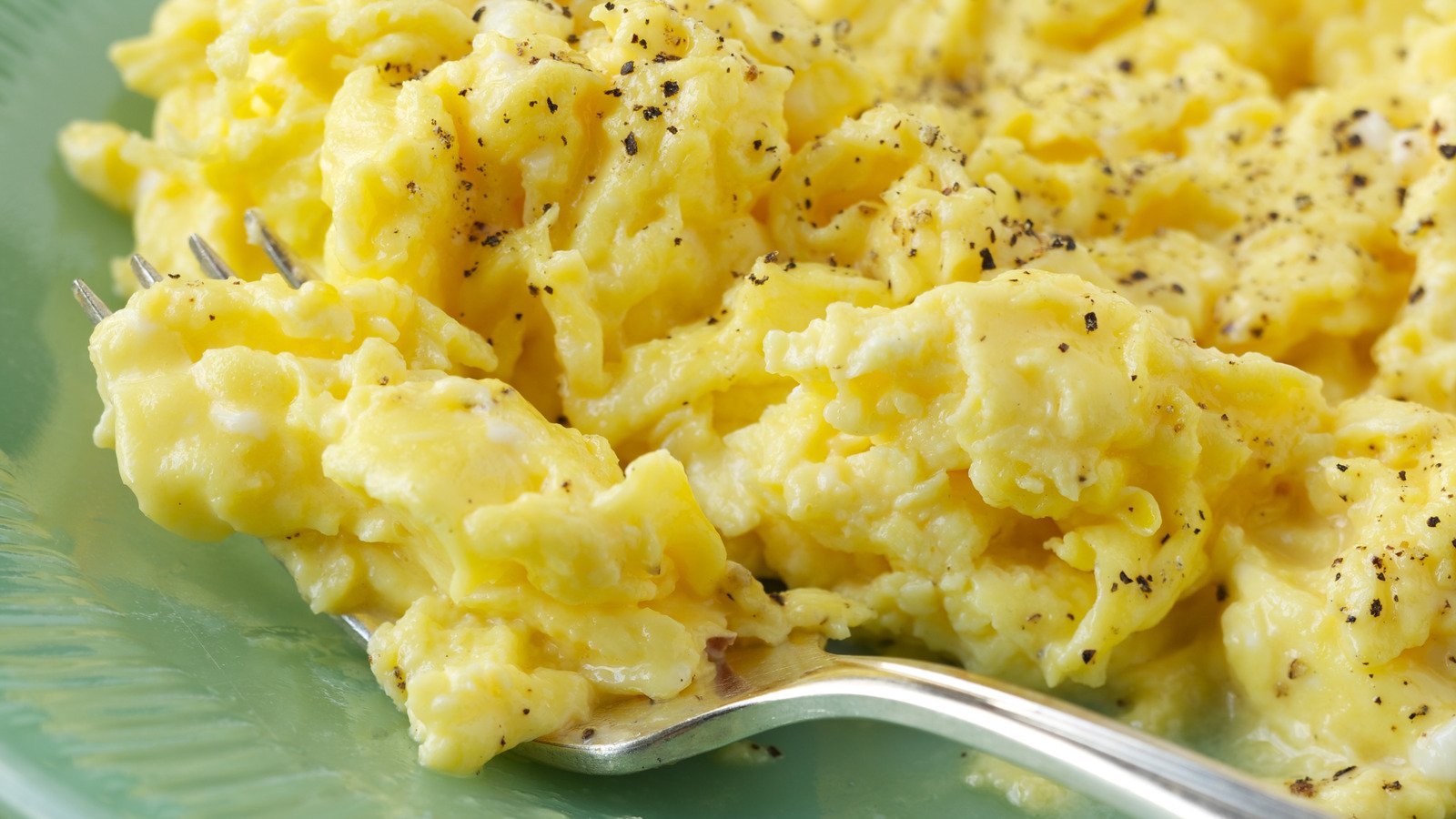
Do you ever find yourself disappointed with scrambled eggs that turn out flat and rubbery? You’re not alone.
The secret to perfect, fluffy scrambled eggs isn’t as tricky as you might think. Imagine starting your day with eggs so light and airy, they practically melt in your mouth. You’ll discover simple tips that will transform your scrambled eggs from ordinary to extraordinary.
Keep reading, and soon you’ll be whipping up fluffy eggs that impress every time.
Choosing The Right Eggs
Picking the right eggs is key to making fluffy scrambled eggs. Fresh eggs with good quality make a big difference.
Eggs vary in size, freshness, and type. These factors affect texture and taste.
Select Fresh Eggs
Fresh eggs have firmer whites and round yolks. They hold air better when beaten. This helps create fluffiness.
To check freshness, place an egg in water. Fresh eggs sink and lie flat. Old eggs stand up or float.
Choose Large Eggs
Large eggs work best for fluffy scrambled eggs. They have more white and yolk to mix air into. This adds volume and softness.
Consider Organic Or Free-range Eggs
Organic and free-range eggs often taste richer. The yolks tend to be deeper in color. This can improve flavor and look of your eggs.
These eggs may have firmer whites too. Firmer whites help trap air and make the eggs fluffy.
Avoid Eggs With Cracks Or Damage
Cracked eggs can let air and bacteria in. This affects freshness and texture. Use eggs with smooth, clean shells only.
Damaged eggs may not whip well. They can make your scrambled eggs less fluffy and less safe to eat.

Credit: fabeveryday.com
Properly Beating The Eggs
Beating eggs well is key to fluffy scrambled eggs. It adds air and mixes whites with yolks evenly.
Good beating changes the texture. It makes eggs light and soft instead of dense.
Use A Whisk Or Fork
A whisk or fork works best to beat eggs. They help add air faster than a spoon.
Move the tool quickly in a circular or back-and-forth motion. This mixes the eggs well.
Beat Until Fully Blended
Mix eggs until the yolk and whites are one color. This means they are fully blended.
Look for no streaks of white or yellow in the mixture. This helps eggs cook evenly.
Add A Little Liquid
Adding milk, water, or cream can help eggs beat fluffier. It creates steam when cooked.
Use about one tablespoon of liquid per two eggs. Beat the eggs and liquid together well.
Avoid Overbeating
Stop beating once eggs look smooth and mixed. Overbeating can break down air bubbles.
Too much beating can make eggs dense and rubbery. Aim for light and airy mixture.
Adding Dairy For Creaminess
Adding dairy to scrambled eggs makes them creamier and softer. Dairy changes the texture and flavor of eggs.
Choosing the right dairy and the right amount is key to fluffy eggs. Let’s look at how milk and cream compare.
Milk Vs. Cream
Milk adds moisture and light creaminess to scrambled eggs. It is low in fat and easy to find.
Cream has more fat and makes eggs richer and smoother. It can make eggs denser if used too much.
- Milk: Light texture, less fat, mild taste
- Cream: Rich texture, higher fat, stronger taste
- Use milk for lighter eggs
- Use cream for richer eggs
Balancing Ratios
Too much dairy can make eggs runny. Too little may not add enough creaminess.
| Dairy Type | Recommended Ratio per 2 Eggs | Effect on Eggs |
|---|---|---|
| Milk | 1 to 2 tablespoons | Softens texture without heaviness |
| Cream | 1 tablespoon | Makes eggs rich and creamy |
| None | — | Classic fluffy texture |
Using The Right Pan
Choosing the right pan helps you cook fluffy scrambled eggs easily. The pan affects cooking speed and how eggs cook.
Using the correct pan can prevent eggs from sticking and breaking. This makes your eggs soft and light.
Non-stick Options
Non-stick pans are great for scrambled eggs. They stop eggs from sticking and make cooking easier.
- Look for pans with a smooth surface to cook eggs evenly.
- Choose pans made from materials like Teflon or ceramic for better non-stick quality.
- Avoid pans with scratched or damaged coating to keep eggs from sticking.
- Use low to medium heat to protect the non-stick surface and cook eggs gently.
Pan Size Considerations
Picking the right pan size helps you control how eggs cook and fluff up. Too big or small pans can cause problems.
| Pan Size | Best For | Notes |
| 8-inch | 1-2 eggs | Good for small portions, easy to manage |
| 10-inch | 3-4 eggs | Ideal size for most scrambled egg recipes |
| 12-inch | 5+ eggs | Use for large batches, but watch heat carefully |
Controlling Heat Levels
Controlling heat is key to making scrambled eggs fluffy. Using the right heat level helps eggs cook evenly.
Too much heat can make eggs tough and dry. Low heat keeps eggs soft and creamy.
Low And Slow Technique
Cook eggs on low heat for a longer time. This allows the eggs to cook gently and stay fluffy.
Stir eggs slowly and often to avoid clumps. This helps form soft curds and creamy texture.
- Use low heat on your stove
- Cook eggs slowly without rushing
- Stir gently and frequently
Avoiding High Heat
High heat cooks eggs too fast. This can make them rubbery and dry.
Avoid using high heat to keep eggs soft. High heat causes uneven cooking and tough texture.
- Do not cook eggs on high heat
- Turn down heat if eggs cook too fast
- Keep heat steady and low for best results
Incorporating Butter For Flavor
Butter adds richness and softness to scrambled eggs. It helps create a creamy texture that feels smooth in your mouth.
Knowing when and how much butter to use can change your eggs from dry to fluffy and tasty.
Timing Of Butter Addition
Adding butter at the right time affects the flavor and fluffiness of your eggs. You can add it before cooking or while cooking.
- Before cooking:Melt butter in the pan first. This coats the eggs and makes them soft.
- While cooking:Add small pieces of butter as eggs start to set. This creates pockets of creaminess.
- After cooking:Stir in a small amount of butter off the heat. This adds shine and smoothness.
Amount Of Butter Needed
The right amount of butter depends on how many eggs you cook and your taste. Using too much can make eggs greasy.
| Number of Eggs | Butter Amount |
|---|---|
| 2 eggs | 1 teaspoon (5 grams) |
| 3-4 eggs | 1.5 teaspoons (7.5 grams) |
| 5+ eggs | 2 teaspoons (10 grams) |
Gently Stirring The Mixture
Stirring scrambled eggs gently is key to making them fluffy. Stirring helps eggs cook evenly and stay soft.
Too much stirring can break the eggs down, making them dense. A gentle touch keeps the texture light.
Circular Motion Technique
Use a circular motion to stir your eggs gently. This moves the eggs around the pan evenly.
Stirring in circles helps form soft curds. It keeps eggs from sticking or cooking too fast.
- Move the spatula in slow circles
- Cover the entire pan surface
- Lift eggs from the edges to the center
Frequency Of Stirring
Stir the eggs often but gently. Stirring too little lets eggs cook in large clumps.
Stirring too much breaks the eggs into small pieces and makes them dry. Find a slow, steady rhythm.
- Stir every 10-15 seconds
- Pause between stirs to let eggs set
- Adjust stirring speed to heat level

Credit: cookieandkate.com
Timing The Cooking Process
Timing is key to making scrambled eggs fluffy and soft. Cooking too long or too short can change the texture.
Focus on watching the eggs closely as they cook. Small changes in time make a big difference.
Recognizing Doneness
Doneness means the eggs are cooked just right. They should look creamy and slightly runny.
- The eggs start to form soft curds but still look moist.
- The color changes from shiny to a soft matte.
- The eggs no longer look liquid but are not dry.
- When stirred gently, the eggs hold their shape but still feel tender.
Avoiding Overcooking
Overcooked eggs become dry and rubbery. Watch the heat and timing carefully.
| Signs of Overcooked Eggs | Effect on Texture |
| Hard, dry curds | Rubbery and tough |
| Loss of moisture | Crumbly and dry |
| Browning or sticking | Bitter taste |
Experimenting With Add-ins
Adding extra ingredients can make scrambled eggs tastier and fluffier. Try different add-ins to find your favorite flavor.
Small changes can bring new texture and taste. Pick add-ins that cook well with eggs.
Cheese Options
Cheese melts into scrambled eggs and adds creaminess. It helps keep eggs soft and fluffy.
Try mild or sharp cheeses depending on your taste. Add cheese near the end of cooking for best results.
- Cheddar: adds a rich, sharp flavor
- Feta: gives a tangy and crumbly texture
- Goat cheese: creamy and slightly tart
- Swiss: mild and melts well
- Mozzarella: soft and stretchy texture
Herbs And Spices
Fresh herbs brighten the flavor of eggs. Spices add warmth and a little kick.
Add herbs and spices before cooking or sprinkle on top. Use small amounts to keep eggs fluffy.
- Chives: mild onion flavor
- Parsley: fresh and slightly peppery
- Dill: soft and grassy taste
- Black pepper: sharp and warm
- Paprika: smoky and sweet

Credit: www.justlikegranny.com
Serving Suggestions
Fluffy scrambled eggs taste best with the right sides and presentation. Simple choices can make your meal more enjoyable.
Here are some tips for pairing scrambled eggs and presenting them nicely.
Pairing With Sides
Choose sides that add texture and flavor to your fluffy eggs. Fresh vegetables and breads work well.
- Toast or crusty bread adds crunch
- Fresh fruit like berries or melon adds sweetness
- Grilled tomatoes or sautéed spinach add color and nutrients
- Crispy bacon or sausage bring savory richness
- Avocado slices add creaminess
Presentation Tips
How you serve scrambled eggs can make them look more appealing. Use simple tricks to enhance the meal.
- Serve eggs on a warm plate to keep them hot longer
- Garnish with fresh herbs like chives or parsley for color
- Use small bowls or ramekins for individual servings
- Arrange sides neatly around the eggs for a balanced look
- Add a small sprinkle of pepper or paprika on top
Frequently Asked Questions
How Do I Make Scrambled Eggs Fluffy?
To make scrambled eggs fluffy, whisk them thoroughly to incorporate air. Cook on low heat and stir gently for softness. Adding a splash of milk or cream enhances fluffiness and texture.
What Ingredient Helps Eggs Become Fluffier?
Milk, cream, or water added before cooking helps eggs become fluffier. These liquids create steam during cooking, which lightens the eggs’ texture and makes them soft and airy.
Should I Use Butter Or Oil For Fluffy Eggs?
Butter is preferred for fluffy scrambled eggs. It adds richness and helps cook eggs gently, preventing dryness. Use a moderate amount to avoid greasy texture and enhance flavor.
How Long Should I Cook Scrambled Eggs For Fluffiness?
Cook scrambled eggs on low heat for 3 to 5 minutes. Stir gently and frequently to prevent overcooking. Remove from heat while slightly runny for perfect fluffiness.
Conclusion
Fluffy scrambled eggs are easy to make with a few simple tips. Whisk eggs well and cook slowly on low heat. Stir gently and avoid overcooking for soft texture. Adding a little milk or water helps make them light. Practice these steps, and breakfast will taste better every day.
Enjoy your fluffy eggs with toast or veggies for a healthy start. Simple changes bring big improvements to your cooking skills. Try these tips tomorrow morning and see the difference.