
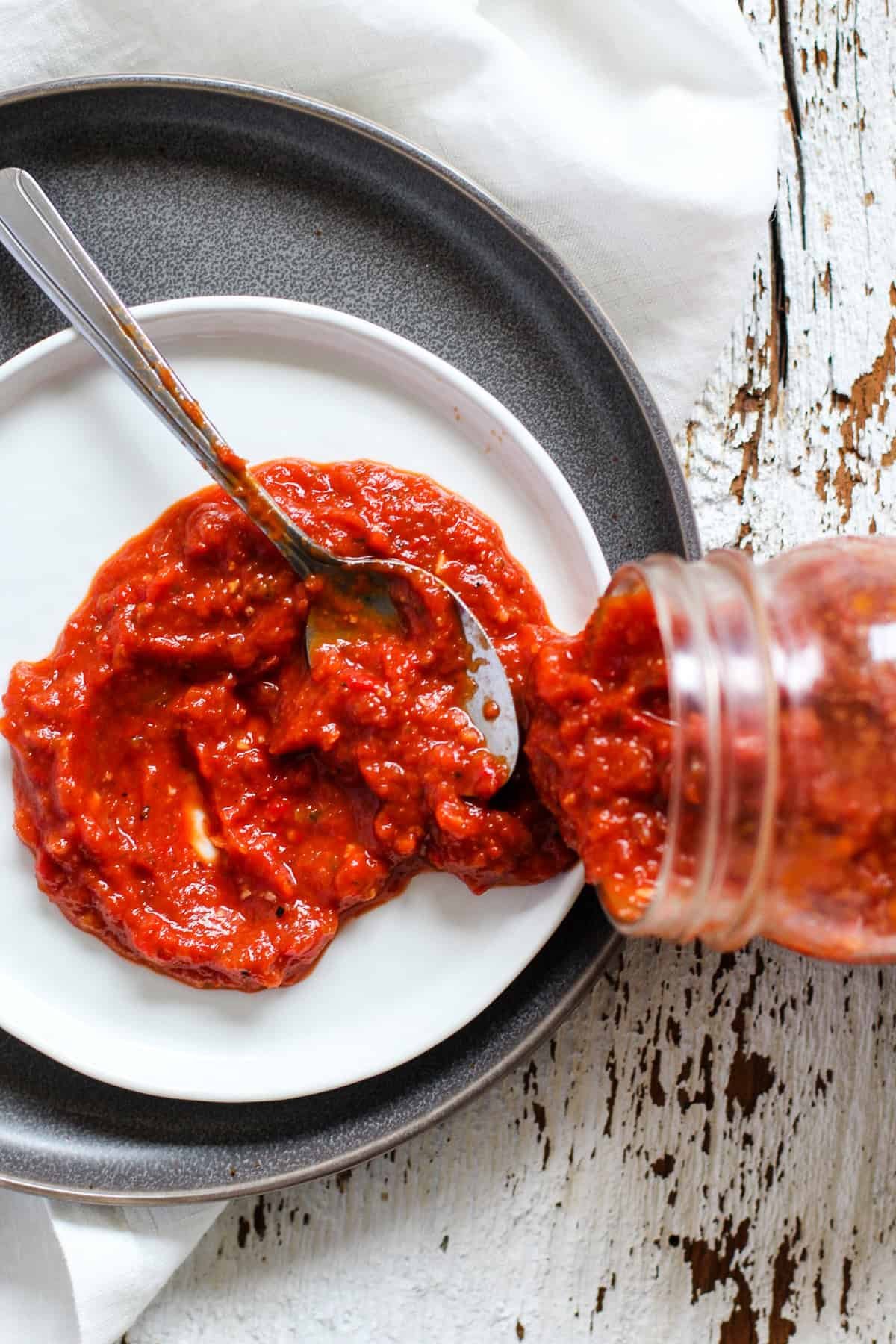
Are you ready to take your homemade pizza to the next level? The secret often lies in the sauce.
Making your own pizza sauce at home is easier than you think, and it can transform your pizza into a mouthwatering masterpiece. You’ll discover simple tips that anyone can follow to create rich, flavorful sauce using fresh ingredients. Whether you want a classic taste or something with a twist, these tips will help you craft the perfect base for your pizza.
Keep reading, and get ready to impress your taste buds and your guests!
Ingredients For Fresh Pizza Sauce
Making pizza sauce at home is simple and fun. Fresh ingredients make your sauce taste better.
Use ripe and natural items for the best flavor. Let’s look at the main ingredients.
Fresh Tomatoes
Fresh tomatoes give your sauce a bright and natural taste. Choose ripe, red tomatoes for sweetness.
You can use Roma or plum tomatoes. These have fewer seeds and more flesh for sauce.
- Ripe and firm tomatoes
- Roma or plum varieties
- Remove seeds and skins for smooth sauce
Garlic
Garlic adds a rich and spicy flavor to the sauce. Use fresh garlic cloves for the best taste.
Crush or finely chop the garlic before adding. It blends well with tomatoes and herbs.
Olive Oil
Olive oil gives the sauce a smooth texture and rich flavor. Use extra virgin olive oil for freshness.
Add it while cooking the sauce to bring all flavors together. It also helps with sauce consistency.
Fresh Basil
Basil adds a fresh, sweet, and slightly peppery taste to your sauce. Use fresh leaves for best results.
Chop the basil finely or tear it by hand. Add it near the end of cooking to keep its flavor strong.
Salt And Pepper
Salt and pepper enhance all the other flavors in your sauce. Use just enough to taste.
Start with a small amount and adjust as you cook. Freshly ground black pepper works best.
Optional: Onion
Onion adds sweetness and depth to pizza sauce. Use a small amount if you like its flavor.
Chop onion finely and cook it with garlic for a soft texture and rich taste.
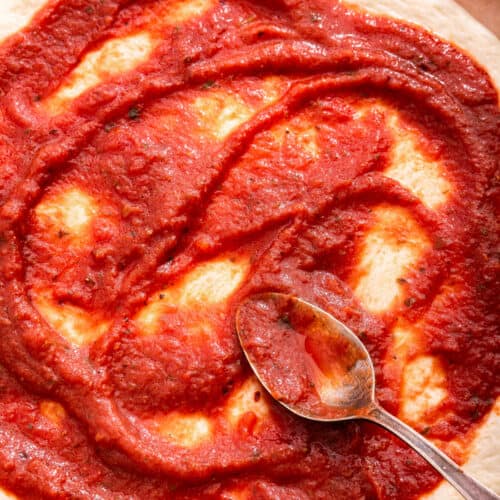
Credit: feelingfoodish.com
Choosing The Right Tomatoes
Good pizza sauce starts with the right tomatoes. The taste and texture of the sauce depend on the tomato type.
Picking the best tomatoes helps create fresh and flavorful pizza sauce at home.
Use Roma Tomatoes For Thick Sauce
Roma tomatoes are firm and have less water. This makes the sauce thick and rich.
They have a natural sweetness and balance of acidity, perfect for pizza sauce.
Try San Marzano Tomatoes For Authentic Flavor
San Marzano tomatoes grow in Italy and are famous for their sweet taste.
They have fewer seeds and less water, making sauce smooth and tasty.
Choose Fresh, Ripe Tomatoes
Fresh tomatoes bring the best flavor to your sauce. Look for bright red color and firm skin.
Avoid tomatoes with bruises or soft spots to keep your sauce fresh and clean.
Consider Canned Tomatoes For Convenience
Canned tomatoes are easy to use and available year-round. Choose whole peeled or crushed types.
Look for cans labeled “San Marzano” or “Italian style” for better flavor.
Balancing Herbs And Spices
Making pizza sauce at home is fun and tasty. The right herbs and spices make your sauce special.
Balancing these flavors helps create a sauce that is fresh and delicious. It brings out the best in your pizza.
Essential Herbs For Flavor
Some herbs give pizza sauce its classic taste. Use them in the right amount for the best flavor.
Fresh or dried herbs both work well. Start with small amounts and adjust to your taste.
- Basil adds a sweet, slightly peppery flavor
- Oregano gives a warm, earthy taste
- Thyme offers a subtle, lemony note
- Parsley brings fresh, mild herb flavor
- Rosemary adds a pine-like aroma, use sparingly
Spice Level Adjustments
Spices add heat and depth to pizza sauce. Adjust them based on how spicy you want your sauce.
Start with a small amount of spice. You can always add more, but you cannot remove it once added.
- Crushed red pepper flakes add mild to medium heat
- Black pepper gives a sharp, warm spice
- Garlic powder adds a strong, savory punch
- Onion powder enhances sweetness and depth
- Chili powder creates a smoky, spicy flavor
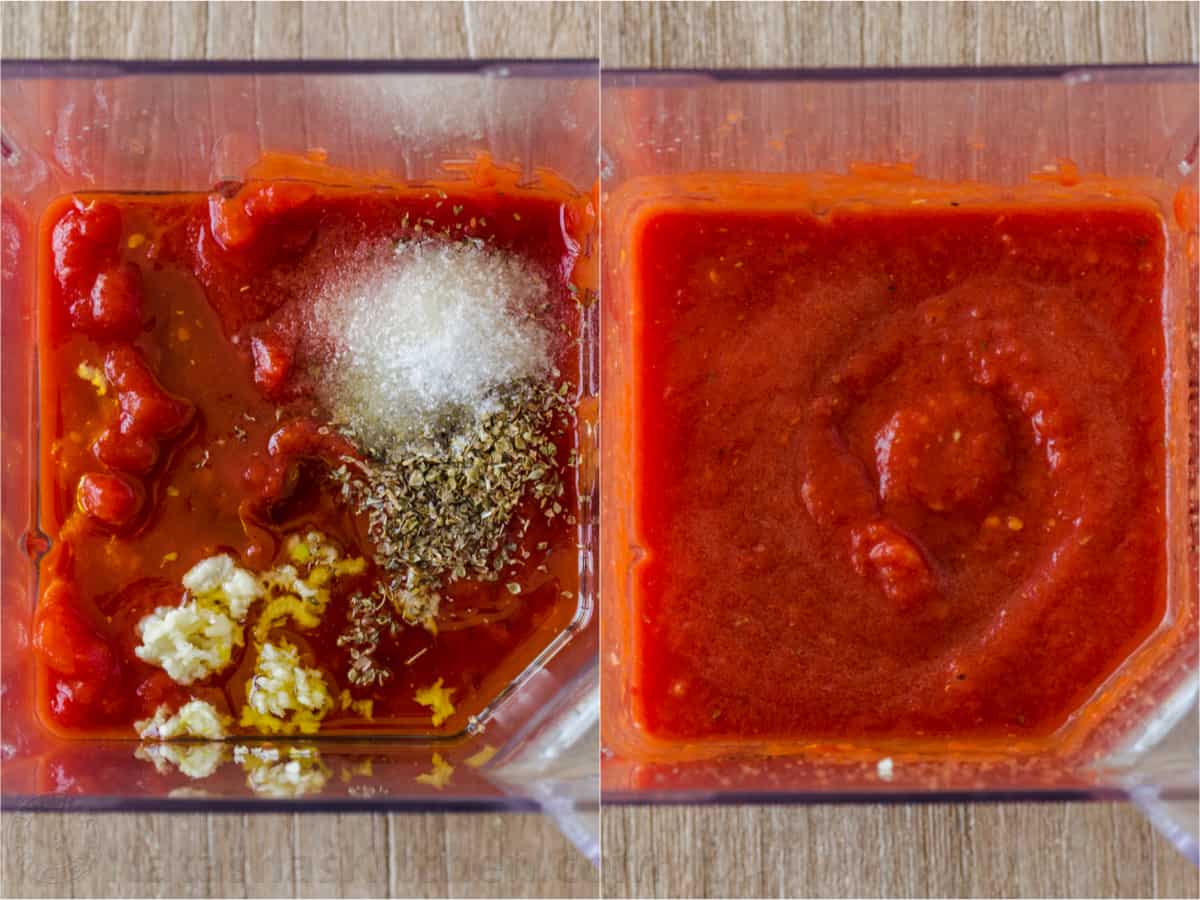
Credit: natashaskitchen.com
Incorporating Garlic And Onion
Garlic and onion add great flavor to pizza sauce. They make the sauce taste fresh and rich.
Using these ingredients right helps balance the sauce. They bring natural sweetness and depth.
Using Fresh Garlic
Fresh garlic gives a strong and sharp taste. Peel and finely chop or crush it before cooking.
Cook garlic gently in olive oil to soften the sharpness. Avoid burning it to keep a sweet flavor.
- Use 2-3 cloves for a medium sauce batch
- Cook on low heat for 1-2 minutes
- Add garlic before tomatoes for better flavor
Preparing Onion For Sauce
Onion adds mild sweetness and texture to pizza sauce. Chop it finely or grate for quick cooking.
Cook onion until soft and translucent. This brings out its natural sugars and smooths the taste.
- Use about half a small onion per batch
- Sauté onions with garlic in olive oil
- Cook 3-5 minutes until soft but not brown
Balancing Garlic And Onion Flavors
Too much garlic can make the sauce bitter. Too much onion can make it too sweet.
Start with small amounts. Taste sauce as you cook and adjust garlic and onion.
- Use equal parts garlic and onion for a balanced taste
- Add more onion for sweetness or more garlic for sharpness
- Simmer sauce slowly to blend flavors well
Using Olive Oil For Richness
Olive oil adds a smooth and rich texture to pizza sauce. It helps blend the flavors well.
Using good quality olive oil makes your sauce taste fresh and more delicious. It also adds healthy fats.
Enhances Flavor And Aroma
Olive oil brings a fruity and slightly peppery taste to the sauce. This makes your pizza sauce more flavorful.
The aroma of olive oil fills the kitchen when you cook the sauce. It makes the cooking experience enjoyable.
Creates A Smooth Texture
Adding olive oil helps the sauce feel silky and less watery. It blends the tomato and spices better.
The oil coats the ingredients, giving the sauce a rich mouthfeel. This makes each bite satisfying.
Helps Balance Acidity
Tomatoes can be quite acidic. Olive oil smooths out this sharpness in the sauce.
The oil adds a mild sweetness and rounds off the flavors. This balance makes the sauce taste better.
Use Extra Virgin Olive Oil For Best Results
Extra virgin olive oil has the best taste and quality for pizza sauce. It is fresh and less processed.
- Look for cold-pressed oils
- Use oil with a fruity aroma
- Avoid oils with a strong or bitter taste
Adding it at the end of cooking keeps the rich flavor intact. Use about one to two tablespoons for a batch.
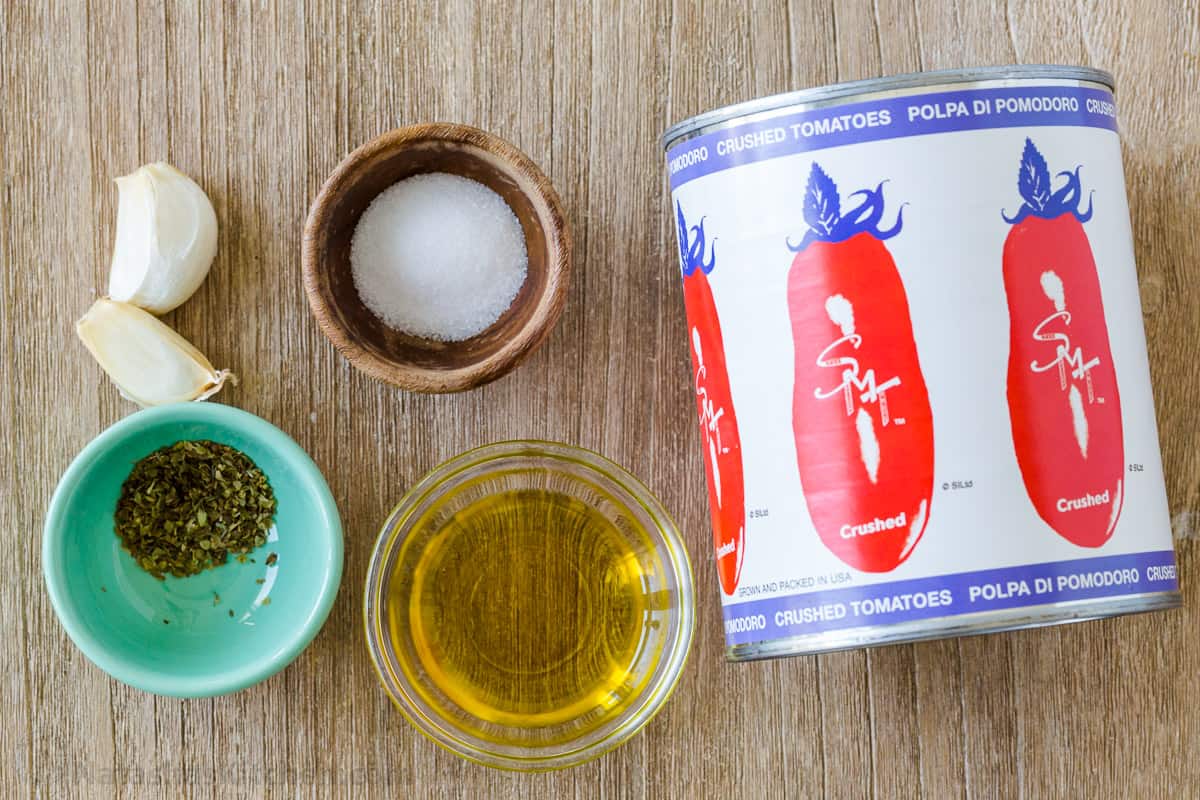
Credit: natashaskitchen.com
Simmering Techniques
Simmering is key to making rich and flavorful pizza sauce. It helps blend the ingredients well.
Using the right simmering method creates a balanced sauce with the right thickness and taste.
Achieving The Perfect Consistency
Simmer the sauce gently to avoid burning. Stir often to stop it from sticking.
- Use low heat to keep the sauce simmering, not boiling.
- Stir every few minutes to mix ingredients evenly.
- Remove the lid to let excess water evaporate and thicken the sauce.
- Add a small amount of water if the sauce becomes too thick.
- Test the sauce thickness by dipping a spoon; it should coat the back evenly.
Cooking Time Tips
| Cooking Time | Effect on Sauce |
| 10 minutes | Light, fresh tomato flavor; thin sauce |
| 20-30 minutes | Balanced flavor; moderate thickness |
| 45+ minutes | Deep flavor; thick and rich sauce |
Longer cooking deepens flavors but watch to avoid burning. Adjust time based on your taste.
Storing And Preserving Sauce
Making pizza sauce at home is rewarding. To keep its fresh taste, proper storage is key.
Good storage helps maintain flavor and prevents spoilage. Use the right methods for best results.
Refrigeration Methods
Store pizza sauce in a clean, airtight container. Glass jars or plastic containers with lids work well.
Keep the sauce in the fridge at or below 40°F (4°C). Use within 5 to 7 days for best taste.
- Cool sauce before refrigerating
- Use small containers for easy portioning
- Label containers with date stored
- Avoid leaving sauce out too long
Freezing For Future Use
Freezing pizza sauce lets you keep it longer. It stays good for up to 3 months in the freezer.
Use freezer-safe bags or containers. Remove air to stop freezer burn and keep flavor fresh.
- Portion sauce before freezing for easy use
- Leave space in containers for sauce to expand
- Label with date and type of sauce
- Thaw in fridge overnight before use
Creative Variations
Making pizza sauce at home lets you try fun new flavors. Simple changes can add big taste differences.
Here are two tasty variations to make your sauce unique and exciting for your pizza nights.
Spicy Arrabbiata Twist
Add heat and spice to your pizza sauce with the Arrabbiata twist. It brings a bold kick that pizza lovers enjoy.
Use crushed red pepper and garlic to make your sauce lively and spicy. This twist works well with meat or veggie toppings.
- Start with your basic tomato sauce
- Add crushed red pepper flakes to taste
- Include minced garlic for strong flavor
- Simmer sauce to blend all spices well
- Optional: add a pinch of dried oregano
Sweet And Tangy Version
This version mixes sweetness and tang for a balanced sauce. It adds a fresh twist to your pizza base.
Add a bit of honey or sugar and a splash of vinegar. These ingredients give your sauce a bright and rich flavor.
- Start with fresh or canned tomatoes
- Add a small spoon of honey or sugar
- Mix in a tablespoon of apple cider vinegar
- Simmer gently to combine flavors
- Try adding fresh basil for aroma
Frequently Asked Questions
What Ingredients Are Essential For Homemade Pizza Sauce?
Fresh tomatoes, garlic, olive oil, salt, and herbs like basil are essential. These create a rich, flavorful base for your pizza sauce.
How Long Should I Simmer Pizza Sauce At Home?
Simmer the sauce for 20-30 minutes. This helps the flavors meld and the sauce to thicken perfectly.
Can I Use Canned Tomatoes For Pizza Sauce?
Yes, canned tomatoes work well. Choose high-quality whole or crushed tomatoes for the best taste and texture.
How Do I Store Homemade Pizza Sauce Properly?
Store sauce in an airtight container. Refrigerate for up to one week or freeze for longer storage.
Conclusion
Making pizza sauce at home brings fresh flavor to your meals. Use ripe tomatoes and simple spices for the best taste. Adjust the seasoning to match your preference. Store extra sauce in the fridge for quick use. Homemade sauce saves money and feels rewarding.
Try different herbs to find your favorite mix. Enjoy the process and the delicious results. Your pizza will taste better with sauce made by you. Give it a try and see the difference yourself.