
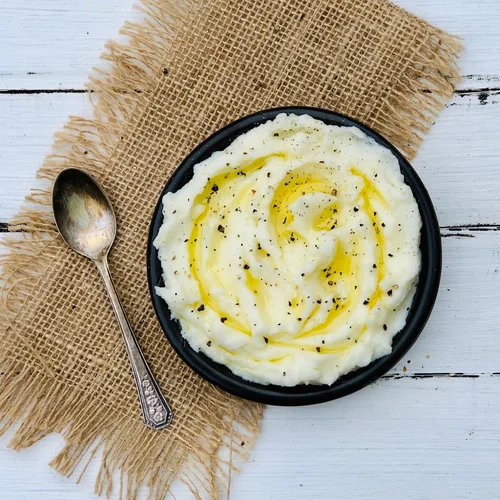
Mashed potatoes can be a simple side dish, but getting them just right can make all the difference. You want them creamy, fluffy, and full of flavor every single time.
If you’ve ever ended up with lumpy or bland mashed potatoes, you’re not alone. The good news? With a few easy tips, you can turn your mashed potatoes into the perfect comfort food that everyone will love. Keep reading, and you’ll discover how to make your mashed potatoes truly unforgettable.
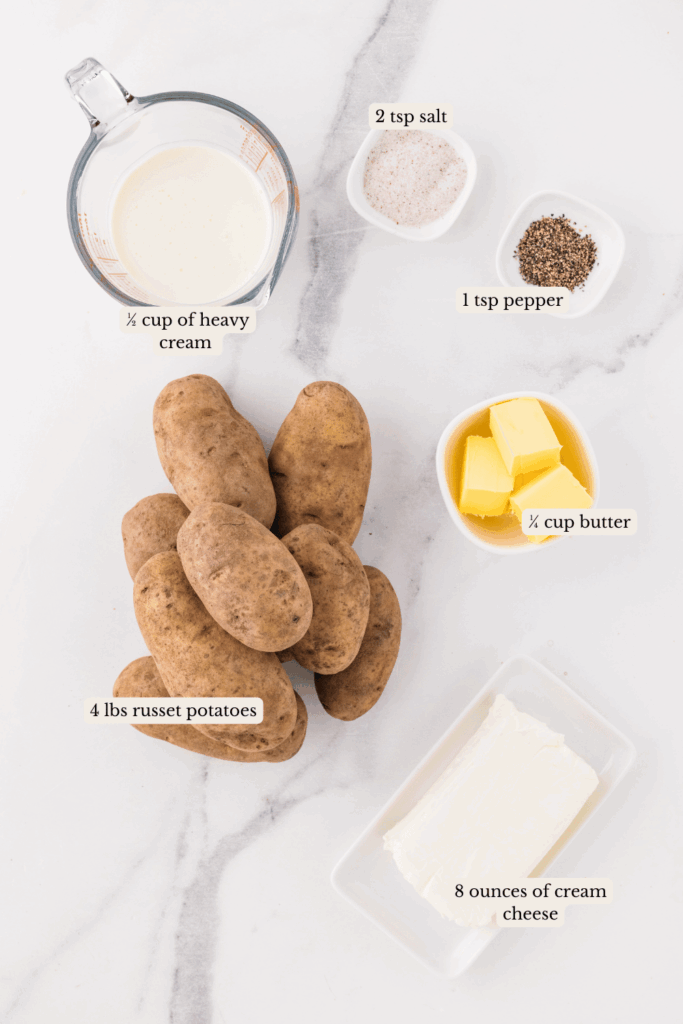
Credit: hopewellheightsblog.com
Choosing The Right Potatoes
Picking the right potatoes is key to great mashed potatoes. The type of potato affects texture and taste.
Some potatoes mash smoothly, while others stay chunky or sticky. Choose wisely for creamy results.
Best Potato Varieties
Starchy potatoes work best for mashed potatoes. They break down easily and absorb butter and cream well.
Russet and Yukon Gold are popular choices for their fluffy texture and rich flavor.
- Russet:High starch, very fluffy when mashed.
- Yukon Gold:Medium starch, creamy and buttery taste.
- Idaho:Similar to Russet, great for smooth mash.
Avoiding Waxy Potatoes
Waxy potatoes hold their shape and stay firm. They are not good for mashed potatoes.
Red potatoes and fingerlings are waxy types. They make mash gluey or lumpy.
- Red potatoes:Firm texture, best for salads or roasting.
- Fingerling potatoes:Small and waxy, keep their shape when cooked.
- New potatoes:Young and waxy, not ideal for mashing.
Preparing Potatoes For Mashing
Good mashed potatoes start with well-prepared potatoes. Proper preparation helps you get smooth and creamy results.
Focus on peeling and cutting techniques to make cooking even and easy.
Peeling Techniques
Peeling potatoes removes the skin for a soft texture. Use a sharp peeler or knife to remove skin quickly.
- Wash potatoes under cold water before peeling.
- Hold the potato firmly to avoid slipping.
- Peel away from your body for safety.
- Remove any dark spots or eyes with the tip of the peeler.
- Rinse peeled potatoes to remove dirt and skin bits.
Cutting For Even Cooking
Cut potatoes into similar-sized pieces to cook them evenly. This avoids undercooked or mushy parts.
| Cut Type | Description | Cooking Time (minutes) |
|---|---|---|
| Halves | Cut potatoes in half for faster cooking than whole | 15-20 |
| Cubes | 1 to 2 inch cubes cook quickly and mash easily | 12-15 |
| Chunks | Larger pieces keep texture but cook slower | 20-25 |
Cooking Methods
Mashed potatoes taste great when cooked the right way. Choosing the right cooking method helps get smooth and creamy results.
This guide covers boiling, steaming, and microwaving. Each method has its own benefits and tips.
Boiling Tips
Boiling is the most common way to cook potatoes for mashing. Use cold water to start so potatoes cook evenly.
- Cut potatoes into equal pieces for even cooking
- Add salt to the water for better flavor
- Boil until potatoes are tender but not falling apart
- Drain well to avoid watery mash
Steaming Advantages
Steaming potatoes keeps more nutrients and flavor. It also prevents waterlogging so the mash stays fluffy.
| Benefit | Details |
| Flavor | Potatoes keep natural taste |
| Texture | Less water absorption means fluffier mash |
| Nutrition | Vitamins stay intact better than boiling |
| Time | Usually takes slightly longer than boiling |
Microwaving For Speed
Microwaving cooks potatoes fast. It is good for quick meals but requires care to cook evenly.
- Pierce potatoes with a fork to release steam
- Use a microwave-safe cover to trap steam
- Cook in short intervals and check softness
- Turn potatoes halfway for even cooking
Mashing Tools And Techniques
Choosing the right tool affects the texture of mashed potatoes. Different tools create different results.
Using correct techniques prevents lumps and keeps potatoes fluffy. This guide covers common tools and tips.
Using A Potato Masher
A potato masher is a simple and common tool. It helps break potatoes into soft chunks.
- Use a sturdy masher with a comfortable handle.
- Mash the potatoes while still hot for easier mashing.
- Press down gently and turn the masher to avoid overworking.
- Stop mashing when potatoes reach your desired texture.
Ricing For Smooth Texture
A potato ricer creates a very smooth and creamy texture. It pushes potatoes through small holes.
Follow these tips when using a ricer:
- Cook potatoes until very soft but not falling apart.
- Cut potatoes into smaller pieces for easier pressing.
- Work in small batches to prevent clogging.
- Rice potatoes directly into the bowl to save time.
Avoiding Overmixing
Mixing potatoes too much can make them gluey and sticky. Stop as soon as ingredients blend well.
| Action | Effect |
| Mash or rice gently | Fluffy, light potatoes |
| Mix too long | Sticky and gluey texture |
| Add liquids slowly | Better control of consistency |
| Use low speed if using mixer | Prevents overworking the potatoes |
Achieving Creaminess
Perfect mashed potatoes feel smooth and creamy in every bite. Creaminess depends on how you add dairy and mix ingredients.
Small changes in dairy choices and mixing can make a big difference. Focus on how you handle butter, milk, and cream.
Choosing Dairy Additions
Different dairy products change the taste and texture of mashed potatoes. Pick dairy that suits your preference for richness and softness.
Whole milk adds light creaminess. Heavy cream gives extra richness. Sour cream adds tang and smooth texture.
- Whole milk: mild and creamy
- Heavy cream: very rich and smooth
- Sour cream: tangy and thick
- Buttermilk: slightly sour and light
Incorporating Butter Properly
Butter adds flavor and creaminess when mixed well. Use room temperature butter for easy blending.
Add butter before milk or cream. This helps potatoes absorb the butter’s richness fully.
- Use unsalted butter to control salt levels
- Cut butter into small pieces to melt evenly
- Mix butter gently to keep smooth texture
Adjusting Milk Or Cream
Add milk or cream slowly to avoid watery potatoes. Warm dairy blends better with hot potatoes.
Check texture as you add liquid. Stop when potatoes feel soft and creamy but not runny.
- Heat milk or cream before adding
- Add in small amounts, stir well
- Use less liquid for thicker mash
- Add more liquid for softer mash

Credit: kristineskitchenblog.com
Flavor Enhancements
Mashed potatoes taste better with the right flavors added. Simple touches can lift this classic dish.
Try different seasonings, herbs, and extras to find your favorite mix.
Seasoning Basics
Salt and pepper are the main seasonings for mashed potatoes. Salt brings out the natural potato flavor.
- Use kosher salt for better control
- Add salt to the cooking water and the mash
- Black pepper adds mild heat and depth
- Try white pepper for a subtler spice
Adding Garlic And Herbs
Garlic gives mashed potatoes a rich, savory taste. You can use fresh or roasted garlic for different effects.
- Mince fresh garlic and cook it in butter before adding
- Roasted garlic adds sweetness and softness
- Fresh herbs like parsley, chives, or thyme add color and aroma
- Stir herbs in at the end to keep their bright flavor
Using Cheese And Extras
Cheese can add creaminess and richness. Choose mild or sharp cheeses based on your taste.
| Cheese Type | Flavor Profile | Best Use |
| Cheddar | Sharp and tangy | Mix into hot potatoes |
| Parmesan | Nutty and salty | Sprinkle on top |
| Cream Cheese | Soft and mild | Blend for creaminess |
Extras like sour cream, bacon bits, or green onions add texture and flavor. Add these last for the best taste.
Common Mistakes To Avoid
Making mashed potatoes seems easy, but small errors can spoil the dish. Avoid these mistakes for creamy and tasty results.
Focus on how you handle the potatoes and the ingredients you use. These tips will help you skip common problems.
Overworking The Potatoes
Mixing or mashing potatoes too much makes them gluey. This ruins the smooth texture you want.
Use a gentle hand and stop as soon as the potatoes are soft and creamy.
- Use a potato masher or ricer, not a blender
- Mash just enough to remove lumps
- Avoid over-mixing or beating
Adding Cold Ingredients
Adding cold milk or butter cools down the potatoes. This prevents them from absorbing flavors well.
Warm your milk and melt the butter before mixing them in. This keeps the potatoes hot and creamy.
- Heat milk gently on the stove or microwave
- Melt butter until fully liquid
- Combine warm ingredients with hot potatoes
Skipping Rest Time
Serving mashed potatoes immediately can make them stiff. Resting lets the flavors blend and the texture improve.
Let the mashed potatoes sit covered for a few minutes before serving. This makes them smoother and tastier.
- Cover with a lid or foil
- Rest for 5 to 10 minutes
- Stir gently before serving
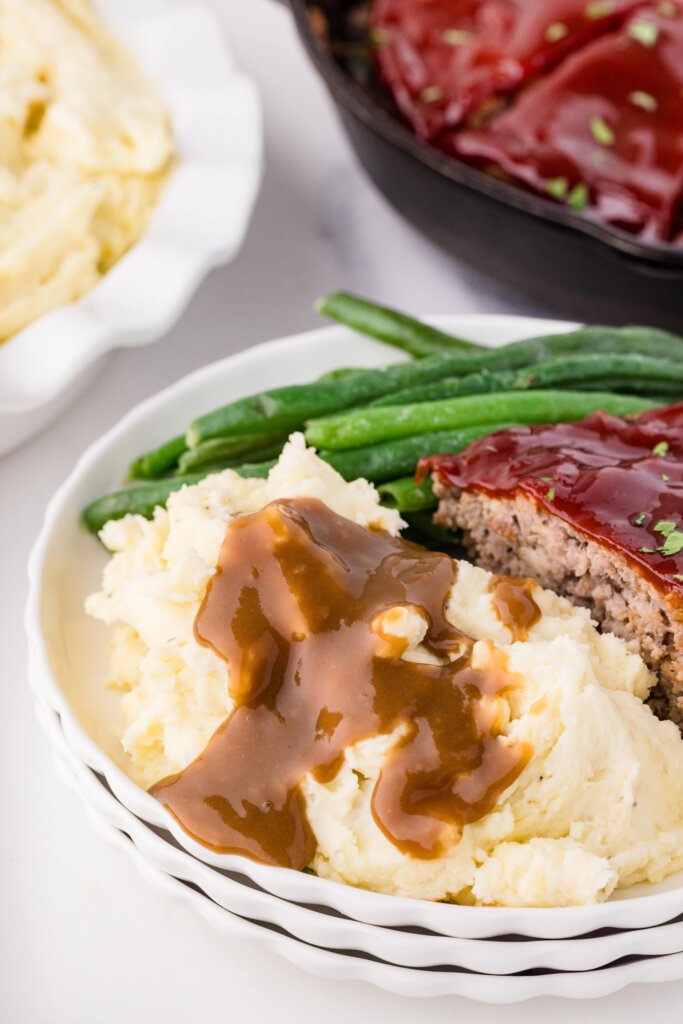
Credit: hopewellheightsblog.com
Serving And Storing
Mashed potatoes taste best when served warm and fresh. Proper serving and storing help keep their creamy texture and flavor. This guide covers easy ways to keep them warm, reheat, and freeze.
Follow these tips to enjoy perfect mashed potatoes even after some time has passed since cooking.
Keeping Mashed Potatoes Warm
Keeping mashed potatoes warm without drying them out can be tricky. Use gentle heat and cover them to keep moisture in.
- Place mashed potatoes in a heatproof bowl and cover with foil.
- Use a slow cooker on low heat for up to 2 hours.
- Stir occasionally to prevent skin from forming.
- Add a splash of milk or cream if potatoes start to dry.
- Keep the lid on to trap steam and moisture.
Reheating Tips
Reheat mashed potatoes gently to keep them creamy and smooth. Avoid high heat that can make them dry or lumpy.
| Method | Instructions | Notes |
|---|---|---|
| Microwave | Heat in short bursts of 30 seconds, stirring in between. | Add milk to loosen texture if needed. |
| Oven | Cover potatoes with foil and bake at 350°F (175°C) for 20 minutes. | Stir halfway through to heat evenly. |
| Stovetop | Warm in a pan over low heat, stirring often. | Add butter or cream to keep moist. |
Freezing Guidelines
You can freeze mashed potatoes for later use. Freeze them quickly and store in airtight containers to keep quality.
Follow these steps for freezing mashed potatoes:
- Cool potatoes to room temperature before freezing.
- Portion into freezer-safe bags or containers.
- Squeeze out air to prevent freezer burn.
- Label with date and use within 3 months.
- Thaw in the fridge before reheating.
Frequently Asked Questions
How Do You Make Mashed Potatoes Fluffy?
To make mashed potatoes fluffy, use starchy potatoes like Russets. Boil them until fork-tender, then drain well. Add warm milk and melted butter while mashing. Avoid over-mixing to prevent a gluey texture. Season with salt and pepper for taste.
What’s The Best Potato For Mashed Potatoes?
Russet and Yukon Gold potatoes are the best for mashed potatoes. Russets are starchy, making them light and fluffy. Yukon Golds are creamier and have a buttery flavor. Both types yield excellent results and are easy to mash.
How Do You Prevent Mashed Potatoes From Being Gummy?
To prevent gummy mashed potatoes, avoid over-mixing. Use a potato masher or ricer instead of a blender. Drain potatoes thoroughly after boiling. Add warm milk and butter gradually while mashing. Overworking the potatoes releases too much starch, leading to a gummy texture.
Can You Make Mashed Potatoes Ahead Of Time?
Yes, you can make mashed potatoes ahead of time. Store them in the refrigerator for up to two days. Reheat gently over low heat, adding a splash of milk or cream. Stir occasionally to maintain smoothness. This method saves time for big meals.
Conclusion
Perfect mashed potatoes need simple steps and good ingredients. Choose the right potatoes and cook them well. Mash while still warm for smooth texture. Add butter and milk slowly to avoid lumps. Taste and adjust salt to your liking. Practice makes your mashed potatoes better each time.
Enjoy creamy, fluffy potatoes with your favorite meals. Keep these tips handy for easy, delicious results every time.