
Are you tired of ending up with mashed potatoes that are lumpy or too stiff? You’re not alone.
Getting that perfect soft and creamy texture can be tricky, but it doesn’t have to be. Imagine serving mashed potatoes so smooth and fluffy that everyone asks for seconds. You’ll discover simple, easy-to-follow tips that will transform your mashed potatoes into a melt-in-your-mouth delight.
Keep reading, and soon you’ll master the secret to making your mashed potatoes irresistibly soft every time.
Choosing The Right Potatoes
Choosing the right potatoes is key to making soft mashed potatoes. Different potatoes have different textures and starch content.
Picking the best variety helps you get creamy and smooth results every time.
Best Potato Varieties
Some potatoes are better for mashing. They break down easily and absorb milk and butter well. Here are common types used for soft mashed potatoes.
- Russet potatoes: High starch, fluffy texture.
- Yukon Gold: Medium starch, creamy texture.
- Red potatoes: Lower starch, waxy and firm.
Balancing Starch Levels
Starch affects how soft your mashed potatoes turn out. Too much starch makes them dry and crumbly. Too little starch makes them gluey.
| Potato Type | Starch Content | Texture When Mashed |
| Russet | High | Light and fluffy |
| Yukon Gold | Medium | Creamy and smooth |
| Red | Low | Dense and firm |

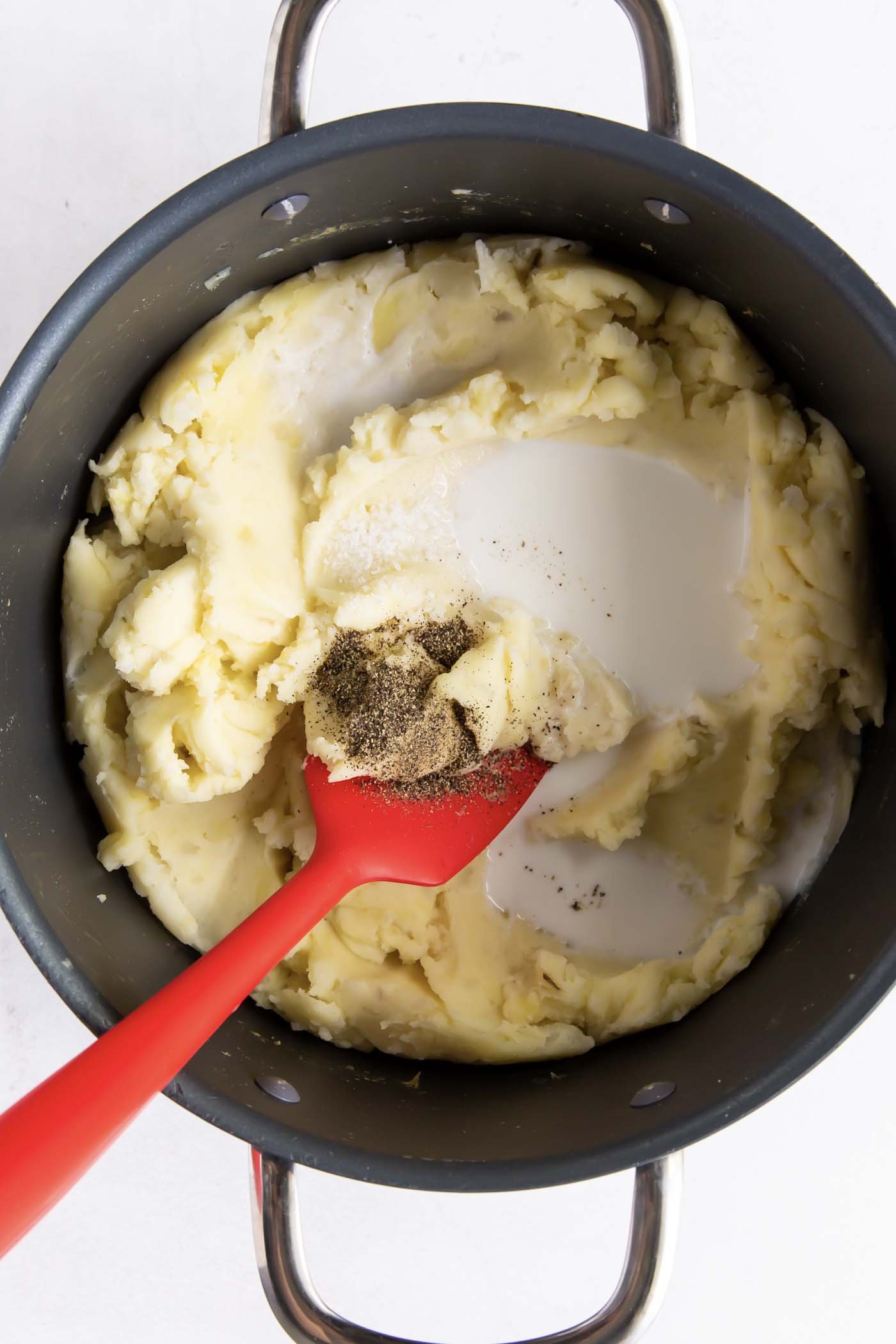
Credit: kristineskitchenblog.com
Proper Cooking Techniques
Making mashed potatoes soft starts with how you cook the potatoes. Using the right technique helps the potatoes cook evenly and stay tender.
Proper cooking prevents hard or grainy textures. It also makes mashing easier and smoother.
Boiling Vs. Steaming
Boiling potatoes means cooking them in water until soft. Steaming cooks potatoes using hot steam without submerging them in water.
Boiling can make potatoes absorb water, which may cause them to become watery. Steaming keeps the potatoes drier and can help them keep their natural flavor.
- Boiling cooks potatoes faster
- Steaming helps keep more nutrients
- Steamed potatoes absorb less water
- Both methods need even potato pieces for best results
Checking Doneness
To know if potatoes are soft enough, test them while cooking. Use a fork or knife to check the texture.
The potatoes should be tender and break apart easily. If they feel firm or hard, they need more cooking time.
- Insert a fork into a potato piece
- If it slides in easily, potatoes are done
- If the potato resists, cook longer
- Check several pieces for even cooking
Effective Mashing Methods
Making mashed potatoes soft depends a lot on how you mash them. Using the right tools and techniques helps get a smooth texture.
Try different mashing methods to find the one that works best for you. This guide covers two popular ways to mash potatoes.
Hand Masher Techniques
Using a hand masher is simple and gives you control over the potato texture. Mash gently to avoid lumps but do not overwork the potatoes.
Press down with a firm, even motion. Use a bowl that is wide enough to move the masher easily. Stop mashing once potatoes are soft and creamy.
- Use a potato masher with holes or a zigzag pattern
- Mash potatoes while they are hot for easier softening
- Do not mash too much to avoid gummy texture
- Add butter or milk gradually for smoothness
Using A Ricer Or Food Mill
A ricer or food mill makes very soft mashed potatoes. These tools push potatoes through small holes, breaking them into fine pieces.
Use the ricer or mill while potatoes are hot. This method results in fewer lumps and a fluffy texture without much effort.
- Place cooked potatoes into the ricer or mill
- Press or turn the handle to push potatoes through
- Collect the smooth potatoes in a bowl
- Add liquids like milk or cream after mashing for softness
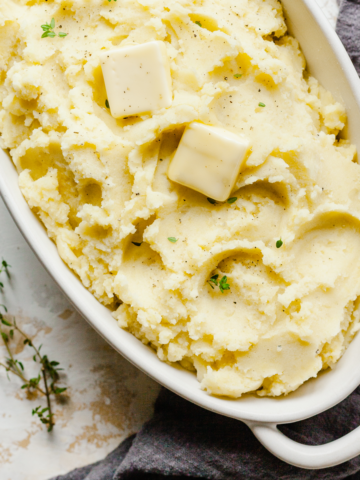
Credit: theliveinkitchen.com
Incorporating Creamy Ingredients
Adding creamy ingredients can make mashed potatoes soft and smooth. These ingredients help add moisture and richness.
Use the right dairy and butter to get the best texture and flavor in your mashed potatoes.
Choosing The Right Dairy
Milk, cream, or buttermilk can soften mashed potatoes. Choose dairy based on how creamy you want the potatoes.
Whole milk adds light creaminess. Heavy cream makes potatoes very rich and smooth. Buttermilk gives a slight tang and soft texture.
- Whole milk: mild creaminess, good for everyday mashed potatoes
- Heavy cream: rich and silky texture
- Buttermilk: adds tangy flavor and softness
- Sour cream or cream cheese: extra creaminess and slight tang
Adding Butter For Richness
Butter gives mashed potatoes a smooth, rich taste. It also helps make the texture softer.
Use plenty of butter. Adding butter while potatoes are hot helps it melt well and blend in.
- Use unsalted butter to control salt levels
- Add butter in small pieces for even melting
- Mix butter in last for best creaminess
- Butter with higher fat content creates richer potatoes
Flavor Enhancements
Making mashed potatoes soft is not only about texture. Adding flavors can make them taste better. Simple additions can lift the dish.
Try herbs, spices, and cheeses to add new tastes. These ingredients blend well with creamy potatoes.
Herbs And Spices
Fresh herbs add a bright and fresh flavor to mashed potatoes. Dried spices give warmth and depth. Both help make the dish more interesting.
Popular herbs include parsley, chives, and thyme. Common spices are black pepper, garlic powder, and paprika. Use them lightly to avoid overpowering the potatoes.
- Chopped fresh parsley adds color and mild flavor
- Chives give a gentle onion taste
- Thyme adds earthiness without strong smell
- Black pepper brings mild heat
- Garlic powder gives a soft garlic flavor
- Paprika adds color and smoky notes
Cheese Additions
Cheese melts well into mashed potatoes. It makes them creamy and rich. Different cheeses add different flavors.
Try sharp cheddar for a bold taste. Parmesan adds a salty, nutty flavor. Cream cheese gives extra smoothness and mild tang.
- Sharp cheddar for strong cheesy flavor
- Parmesan for salty and nutty notes
- Cream cheese for creaminess and tang
- Mozzarella for mild, melty texture
- Goat cheese for a tangy twist
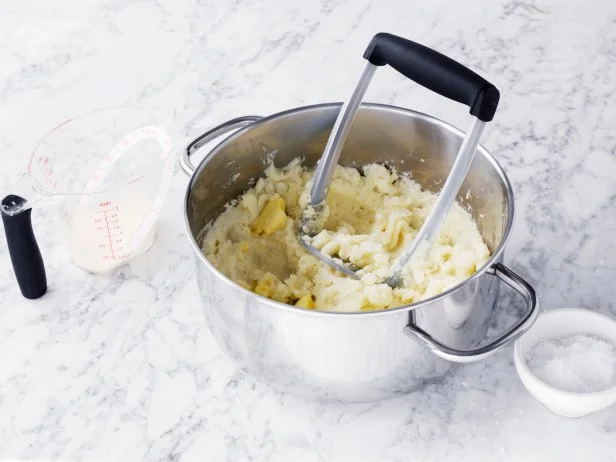
Credit: www.foodnetwork.com
Avoiding Common Mistakes
Making soft mashed potatoes is easy if you avoid common mistakes. Small errors can change the texture and taste.
This guide helps you fix problems like overmixing and dryness. Follow these tips for better results.
Overmixing Issues
Mixing mashed potatoes too much makes them gluey. It breaks down the starch and creates a sticky texture.
Use a gentle hand and mash just until smooth. Stop when lumps disappear to keep soft texture.
- Use a potato masher or fork, not a blender or mixer
- Mash slowly and gently
- Do not whip or beat the potatoes
- Mix only until potatoes are creamy, not sticky
Preventing Dryness
Dry mashed potatoes happen when you add too little liquid or cook potatoes too long. They feel crumbly and rough.
Add warm milk or cream slowly while mashing. This keeps potatoes moist and soft.
- Use warm liquid, not cold
- Add liquid in small amounts
- Cook potatoes until just tender, not mushy
- Drain potatoes well but leave a bit of water for moisture
Frequently Asked Questions
How Do I Make Mashed Potatoes Softer?
Boil potatoes until very tender, then mash immediately. Add warm milk and butter gradually for a creamy texture. Avoid over-mixing to keep them light and fluffy.
What Potato Type Is Best For Soft Mashed Potatoes?
Russet and Yukon Gold potatoes are ideal. They have high starch content, which results in smoother, creamier mashed potatoes that are soft and fluffy.
Can Adding Milk Improve Mashed Potato Softness?
Yes, warm milk adds moisture and softness. It blends better with hot potatoes, ensuring a smooth, creamy consistency without making them watery.
Should I Peel Potatoes Before Mashing For Softness?
Yes, peeling ensures a smoother texture. Potato skins can add lumps and affect softness. Always peel before boiling for the best results.
Conclusion
Soft mashed potatoes start with the right potato choice. Boil them just until tender, not mushy. Use warm milk or cream to keep texture smooth. Mash gently to avoid lumps. Add butter for richness and flavor. Taste and adjust salt as needed.
These simple tips help you make creamy, soft mashed potatoes every time. Enjoy your meal with comfort and ease.