
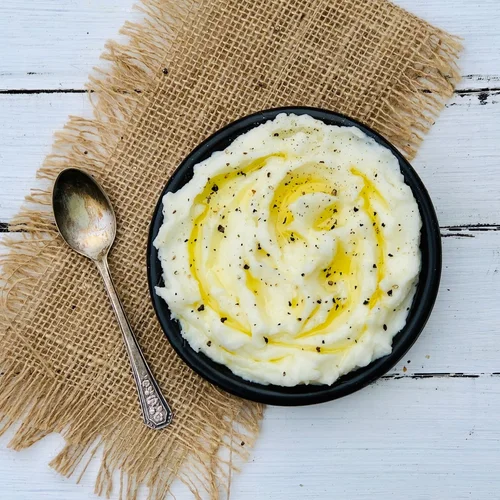
Are you tired of mashed potatoes that turn out lumpy or dry? You’re not alone.
Everyone wants that perfect, creamy texture that melts in your mouth with every bite. The good news is, making smooth and velvety mashed potatoes is easier than you think. With just a few simple tips, you can transform your mashed potatoes from ordinary to irresistible.
Keep reading, and you’ll discover the secrets that will make your next batch the star of any meal. Your family and friends will be asking for seconds!

Credit: www.yahoo.com
Choosing The Right Potatoes
Choosing the right potatoes is key to making creamy mashed potatoes. Different potatoes have different textures and moisture levels.
Some potatoes mash better and give a smoother, creamier result. Knowing which type to pick helps your dish taste great.
Use Starchy Potatoes
Starchy potatoes like Russets are best for creamy mash. They have a dry, fluffy texture when cooked.
They absorb butter and cream well, making the mash smooth and rich. Avoid waxy potatoes for creaminess.
- Russet potatoes
- Idaho potatoes
Avoid Waxy Potatoes
Waxy potatoes hold their shape and do not mash well. They can make your potatoes gluey or lumpy.
These potatoes are better for salads or roasting, not for creamy mashed potatoes.
- Red potatoes
- New potatoes
- Fingerling potatoes
Choose Fresh And Firm Potatoes
Pick potatoes that are fresh and firm. Soft or sprouting potatoes affect flavor and texture.
Fresh potatoes mash smoother and taste better. Store them in a cool, dark place until use.
Perfect Cooking Techniques
Making mashed potatoes creamy starts with how you cook the potatoes. Using the right techniques helps achieve the smooth texture you want.
Proper cooking ensures potatoes absorb the right amount of moisture. This prevents lumps and keeps the mash fluffy and soft.
Boiling Tips
Use evenly sized potato pieces to cook them evenly. Cut potatoes into similar chunks so they finish at the same time.
Start boiling potatoes in cold water. This helps them cook more evenly and prevents the outside from getting mushy before the inside cooks.
- Use a large pot with enough water to cover the potatoes.
- Bring water to a gentle boil, not a rolling boil.
- Check doneness by poking potatoes with a fork; they should be soft.
Proper Draining
Drain potatoes well after boiling to avoid watery mashed potatoes. Excess water thins the mash and makes it less creamy.
Let drained potatoes sit in the colander for a minute or two. This helps steam off extra moisture before mashing.
- Use a fine colander or strainer for better draining.
- Shake the colander gently to remove trapped water.
- Return potatoes to the pot and warm gently to dry them further.
Essential Ingredients For Creaminess
Making mashed potatoes creamy depends on the ingredients you use. Choosing the right butter and dairy helps create smooth texture and rich taste.
Here are some tips on essential ingredients for creamy mashed potatoes.
Butter Choices
Butter adds flavor and richness to mashed potatoes. The type of butter affects creaminess and taste.
- Unsalted butter:Controls salt level better and has a clean taste.
- Salted butter:Adds salt and flavor but can make seasoning harder to control.
- European-style butter:Has higher fat content for extra creaminess.
- Clarified butter:Adds buttery flavor without water, keeping potatoes thick.
Milk And Cream Options
Milk and cream add moisture and softness. Choosing the right type changes how smooth and creamy the potatoes become.
| Dairy Type | Fat Content | Effect on Mashed Potatoes |
| Whole milk | 3.25% | Light creaminess, mild flavor |
| Heavy cream | 36-40% | Very rich and smooth texture |
| Half-and-half | 10-18% | Balanced creaminess without heaviness |
| Buttermilk | 1-2% | Tangy flavor, less creamy |
| Evaporated milk | 6-8% | Thick and creamy without extra fat |

Credit: www.wyseguide.com
Mashing Methods
Making mashed potatoes creamy depends on the way you mash them. Different tools and techniques affect the texture.
Choosing the right mashing method helps you avoid lumps and get smooth potatoes every time.
Using A Potato Ricer
A potato ricer pushes cooked potatoes through small holes. This creates fine, fluffy pieces that make creamy mashed potatoes.
This tool avoids lumps and breaks the potatoes gently. It is better than a fork or a regular masher for smooth texture.
- Cook potatoes until very soft
- Place potatoes in the ricer
- Press gently to push potatoes through
- Collect smooth, fluffy potato strands
Avoiding Overworking
Overworking mashed potatoes makes them gluey and sticky. This happens when you mash too much or use a food processor.
Use gentle mashing and stop as soon as potatoes are smooth. Mix in butter and cream slowly to keep creaminess.
- Mash just until no large lumps remain
- Use a hand masher or ricer, not a blender
- Add liquids slowly and stir lightly
- Serve immediately for best texture
Flavor Enhancements
Mashed potatoes taste better with extra flavors. Adding herbs, spices, or cheese makes them creamy and delicious.
Use simple ingredients to bring out the best in your mashed potatoes. Small changes create big flavor.
Herbs And Spices
Fresh or dried herbs add a nice touch to mashed potatoes. Spices give warmth and depth to the dish.
- Chopped chives add a mild onion flavor
- Parsley gives a fresh, bright taste
- Rosemary offers a woody, fragrant note
- Garlic powder adds a gentle spicy kick
- Black pepper brings subtle heat
Mix herbs and spices after mashing. Taste and adjust to your liking. This keeps flavors fresh and balanced.
Cheese Additions
Cheese melts into mashed potatoes and adds richness. Different cheeses bring unique flavors and textures.
| Cheese | Flavor | Texture |
| Cheddar | Sharp and tangy | Melts smooth |
| Parmesan | Nutty and salty | Grainy but melts well |
| Cream cheese | Rich and mild | Creamy and thick |
| Mozzarella | Mild and milky | Stretchy and smooth |
Troubleshooting Common Issues
Making creamy mashed potatoes can sometimes be tricky. Problems like lumps or the wrong texture can happen.
Knowing how to fix these issues will help you get smooth and tasty mashed potatoes every time.
Fixing Lumps
Lumps in mashed potatoes happen when the potatoes are not cooked enough or mashed unevenly. This makes the texture rough and less creamy.
To fix lumps, try mashing the potatoes more with a hand masher or use a ricer for a smoother result.
- Check potatoes are fully cooked before mashing
- Mash potatoes while they are hot
- Use a potato ricer or food mill for very smooth texture
- Avoid using a blender, which can make potatoes gluey
Correcting Consistency
Mashed potatoes can be too thick or too runny if the liquid is not balanced. Adjusting the liquid helps get the right creamy consistency.
Add warm milk, cream, or butter slowly while stirring. Mix until the potatoes feel soft and creamy but not watery.
- Add liquids in small amounts to avoid making potatoes too thin
- Use warm liquids to keep potatoes hot and smooth
- For thick potatoes, mash longer or add more butter
- If too thin, cook potatoes a bit more to absorb liquid
Serving And Storing
Mashed potatoes taste best when creamy and fresh. Proper serving and storing keep their texture smooth.
Learn easy tips to serve and store mashed potatoes. This helps keep their creamy feel and great flavor.
Presentation Tips
Serve mashed potatoes warm to keep them creamy. Use a warm bowl or plate to help hold heat.
Top mashed potatoes with simple garnishes. Fresh herbs, butter pats, or a sprinkle of cheese add nice flavor and look.
- Scoop mashed potatoes with a large spoon or ice cream scoop
- Create gentle peaks with the back of a spoon
- Add chopped parsley or chives on top
- Place a small piece of butter in the center
- Sprinkle grated cheese for extra taste
Reheating Methods
Reheat mashed potatoes slowly to keep them creamy. Avoid drying out by adding a little milk or butter.
Use gentle heat methods to warm leftovers evenly. Stir often to keep smooth texture without lumps.
- Microwave: Cover with a damp paper towel and heat in short bursts
- Stovetop: Warm in a pan over low heat, stirring often
- Oven: Place in a covered dish at 300°F (150°C) until hot
- Add milk or cream during reheating to keep moist
- Stir mashed potatoes before serving for even texture

Credit: kristineskitchenblog.com
Frequently Asked Questions
How Do I Make Mashed Potatoes Extra Creamy?
Use starchy potatoes like Russets, add warm milk or cream, and mash while hot. Avoid overmixing to prevent gluey texture.
What Type Of Potatoes Is Best For Creamy Mash?
Russet or Yukon Gold potatoes are ideal. They have high starch content and smooth texture, perfect for creamy mashed potatoes.
Should I Add Butter Before Or After Mashing?
Add butter while potatoes are hot, before mashing. This helps butter melt evenly and creates a richer, creamier texture.
How Much Milk Or Cream Should I Add?
Start with a small amount of warm milk or cream. Gradually add until desired creaminess and consistency are achieved.
Conclusion
Creamy mashed potatoes bring comfort to any meal. Use the right potatoes for best results. Warm milk and butter add smoothness and flavor. Avoid overmixing to keep a light texture. Taste and adjust seasoning as you go. These simple tips help you cook with ease.
Enjoy your creamy mashed potatoes every time. Perfect for family dinners or special occasions. Keep practicing and you will improve quickly. Happy cooking!