

Are you tired of mashed cauliflower that turns out grainy or dry? You’re not alone.
Getting that perfect, soft texture can be tricky, but it’s easier than you think. Imagine serving creamy, melt-in-your-mouth mashed cauliflower that even picky eaters will love. In this post, you’ll discover simple, effective tips to transform your cauliflower into a smooth and delicious side dish every time.
Keep reading—you’re just a few steps away from mastering the art of soft mashed cauliflower!

Credit: downshiftology.com
Choosing The Right Cauliflower
Soft mashed cauliflower depends on the quality of the vegetable you use. Picking the right cauliflower makes cooking easier and tastier.
This guide helps you choose between fresh and frozen cauliflower and how to select the best head for soft mash.
Fresh Vs. Frozen
Fresh cauliflower has a crisp texture and a mild flavor. Frozen cauliflower is convenient and saves time but may be less firm.
- Fresh cauliflower keeps its natural moisture, helping create a creamy mash.
- Frozen cauliflower is blanched before freezing, which can soften it before cooking.
- Frozen options are great for quick meals but check for ice crystals or freezer burn.
- Fresh cauliflower needs to be cooked gently to keep it soft and smooth.
Selecting The Best Head
Look for cauliflower heads that are firm and heavy. The right head will have tight, white florets and fresh leaves.
| Feature | What to Look For | Why It Matters |
| Color | Bright white | Indicates freshness and good taste |
| Texture | Firm and dense | Gives a creamy mash without wateriness |
| Leaves | Green and fresh | Shows the cauliflower is recently harvested |
| Size | Medium to large | Offers more edible florets for mashing |
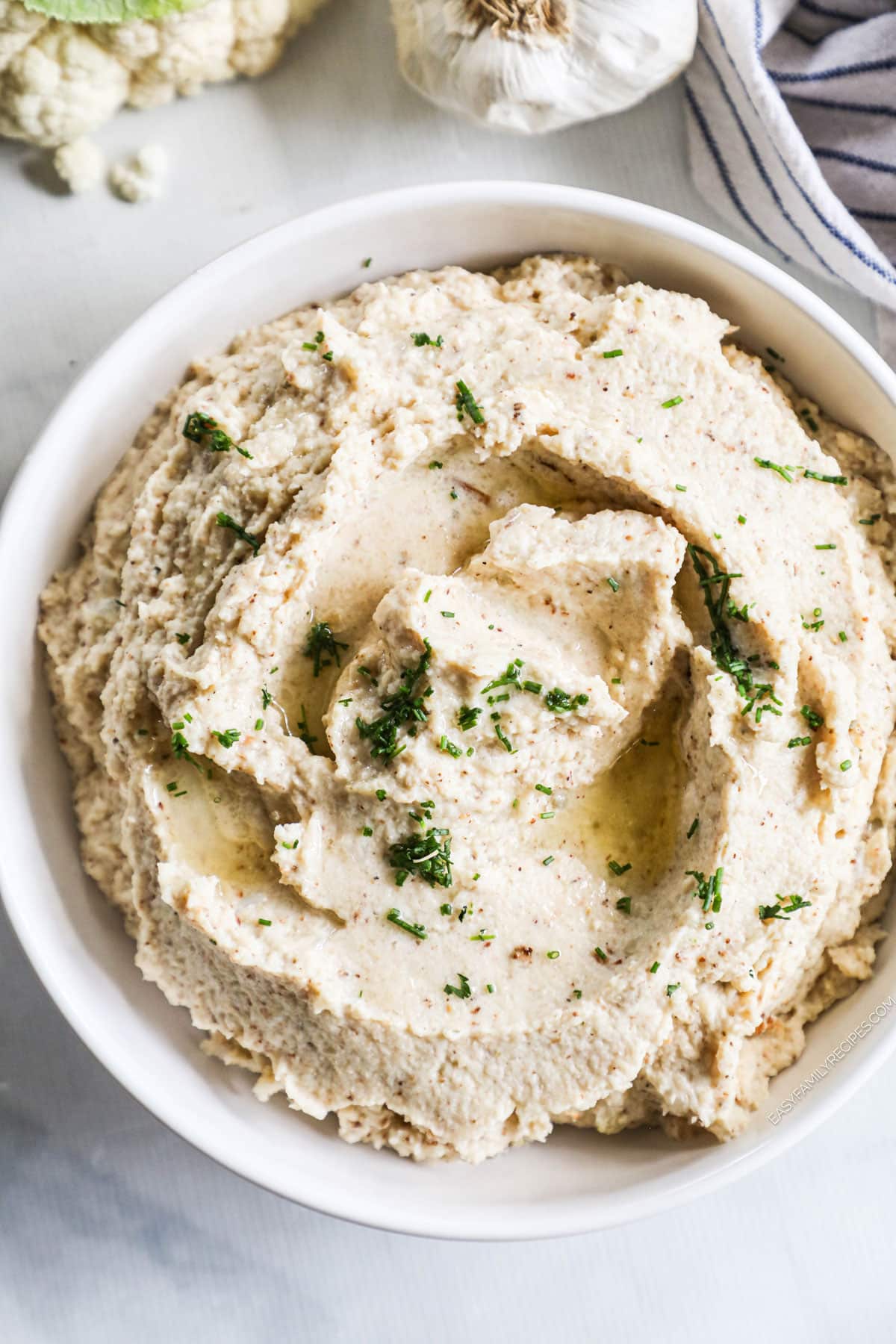
Credit: easyfamilyrecipes.com
Proper Cooking Techniques
Making mashed cauliflower soft starts with the right cooking method. Cooking it properly helps you get a smooth texture.
Two common ways to cook cauliflower are boiling and steaming. Each method affects softness and flavor differently.
Boiling For Optimal Softness
Boiling cauliflower is a quick way to make it soft. Cut the cauliflower into even pieces to cook them evenly.
Boil in salted water for about 10 minutes or until tender. Avoid overcooking to keep a good texture.
- Use enough water to cover the cauliflower fully
- Salt the water to add flavor
- Check tenderness by piercing with a fork
- Drain well before mashing to avoid watery texture
Steaming For Retaining Flavor
Steaming cauliflower keeps more flavor and nutrients. It cooks the vegetable gently and evenly.
Steam the cauliflower pieces for 8 to 12 minutes until soft. Use a lid to trap steam and cook faster.
- Use a steaming basket over boiling water
- Cover with a lid to keep steam inside
- Test softness by pressing a piece with a fork
- Drain any excess water before mashing
Effective Mashing Methods
Mashed cauliflower can be soft and creamy with the right tools. Choosing the correct mashing method makes a big difference.
Using simple kitchen tools helps you get smooth texture without lumps. Let’s explore two common methods.
Using A Potato Masher
A potato masher is a handy tool for soft mashed cauliflower. It breaks the cooked cauliflower into small pieces easily.
Press down firmly and mash in a circular motion. Keep mashing until the cauliflower feels soft and fluffy.
- Use cooked cauliflower that is very soft
- Mash in small batches for even texture
- Be patient to avoid lumps
- Add a little butter or cream for smoothness
Blending For Creaminess
Blending cauliflower creates a very creamy mash. Use a hand blender or food processor for best results.
Start blending on low speed. Stop often to scrape the sides and check the texture. Do not overblend or it may become gluey.
- Cook cauliflower until very soft
- Blend in short bursts for control
- Add liquids like milk or broth for smoothness
- Season after blending for even flavor
Enhancing Texture With Ingredients
Mashed cauliflower can be dry or grainy if not prepared well. Adding the right ingredients helps make it soft and smooth.
Some common additions improve texture and taste without much effort. These ingredients blend well with cauliflower.
Adding Cream And Butter
Cream and butter add richness and moisture to mashed cauliflower. They make the texture creamy and soft.
Use heavy cream or half-and-half for a smooth consistency. Butter melts into the cauliflower, giving a silky feel.
- Warm the cream before adding to keep mash hot
- Use unsalted butter to control salt levels
- Add butter last for a glossy finish
- Mix gently to avoid breaking the texture
Incorporating Cheese
Cheese adds flavor and softness to mashed cauliflower. It melts easily and blends well with the vegetable.
Choose mild cheeses like cream cheese or cheddar. They make the mash creamy and add a slight tang.
- Grate cheese finely for quick melting
- Stir cheese in while mash is hot
- Use cream cheese for extra smoothness
- Try Parmesan for a sharper taste
Seasoning For Depth Of Flavor
Mashed cauliflower can taste plain without the right seasonings. Adding flavors makes it rich and tasty. Simple spices bring out the best in this dish.
Choosing the right seasoning helps balance the texture and enhances softness. You can use basic seasonings or try herbs and spices for variety.
Salt And Pepper Basics
Salt is key to bring out the natural flavor of cauliflower. Use it carefully so the dish is not too salty. Fresh ground black pepper adds a mild heat.
Start with a small amount and taste as you go. Salt and pepper make the mashed cauliflower more inviting and warm.
- Use sea salt or kosher salt for better taste
- Add salt after cooking for control
- Grind fresh black pepper for stronger aroma
- Adjust seasoning to your preference
Herbs And Spices For Variety
Herbs and spices add layers of flavor to mashed cauliflower. They make the dish interesting and fresh. You can use fresh or dried herbs.
Try mild spices to keep the softness and avoid overpowering the dish. Use herbs like parsley or chives for a fresh taste.
- Fresh parsley or chives for brightness
- Garlic powder for a mild kick
- Onion powder adds sweetness
- Nutmeg gives a warm, subtle flavor
- Thyme or rosemary for earthiness
Avoiding Common Pitfalls
Mashed cauliflower can be soft and creamy if you prepare it right. Avoid common mistakes that make it watery or tough.
Using simple tips helps you get the best texture and flavor every time.
Preventing Wateriness
Wateriness happens when cauliflower holds too much moisture. This makes your mash runny instead of smooth.
After cooking, drain well and press out extra water using a clean towel or cheesecloth.
- Steam or boil cauliflower with the lid off to reduce water absorption
- Drain cooked cauliflower immediately
- Wrap cauliflower in a towel to squeeze out water before mashing
- Avoid adding too much liquid like milk or cream at first
Avoiding Overcooking
Overcooking cauliflower makes it mushy and grainy. It loses its fresh taste and texture.
Cook cauliflower just until tender. Test by poking with a fork; it should pierce easily but not fall apart.
- Cut cauliflower into even pieces for uniform cooking
- Use a timer to avoid cooking too long
- Remove from heat as soon as it is soft enough to mash
- Cool slightly before mashing to keep good texture
Serving Suggestions
Mashed cauliflower is a soft, tasty side dish. It works well with many meals. You can serve it plain or with added flavors.
Here are some tips to serve mashed cauliflower in ways that enhance your meal and look great on the plate.
Pairing With Main Dishes
Mashed cauliflower pairs well with many main dishes. It balances rich and heavy flavors. Here are some great options to try.
- Grilled chicken for a light, healthy meal
- Roast beef to add creamy texture
- Baked salmon for a nutritious dinner
- Pork chops with a savory sauce
- Vegetable stew for a vegetarian option
Garnishing For Presentation
Garnishes make mashed cauliflower look inviting. Use fresh herbs or simple toppings. This adds color and flavor.
| Garnish | Effect |
| Chopped parsley | Bright green color and fresh taste |
| Grated Parmesan cheese | Rich flavor and slight crunch |
| Drizzle of olive oil | Glossy finish and smooth texture |
| Toasted pine nuts | Nutty flavor and added crunch |
| Chives | Mild onion flavor and color contrast |

Credit: cheflolaskitchen.com
Frequently Asked Questions
How Do I Make Mashed Cauliflower Softer?
Steam cauliflower until very tender, then mash thoroughly. Add cream, butter, or cream cheese for extra softness. Avoid overmixing to keep a smooth texture.
What Cooking Method Softens Cauliflower Best For Mashing?
Steaming or boiling cauliflower until fork-tender works best. Steaming preserves nutrients while boiling ensures softness. Both methods help achieve creamy mashed cauliflower.
Can Adding Dairy Improve Mashed Cauliflower Softness?
Yes, adding butter, cream, or cheese makes mashed cauliflower creamier. Dairy adds moisture and richness, enhancing softness and flavor. Use according to taste and dietary preferences.
Should I Peel Cauliflower Stems For Softer Mash?
Peeling thick cauliflower stems helps soften the mash. Stems can be tough and fibrous, affecting texture. Removing outer layers ensures a smoother, softer result.
Conclusion
Soft mashed cauliflower is easy to make with simple steps. Cook the cauliflower until very tender. Use a good masher or blender for smooth texture. Add a little butter or cream for extra softness. Taste and adjust salt as you like.
Practice these tips to enjoy creamy mashed cauliflower every time. Cooking can be fun and rewarding. Try these ideas today and see the difference.