
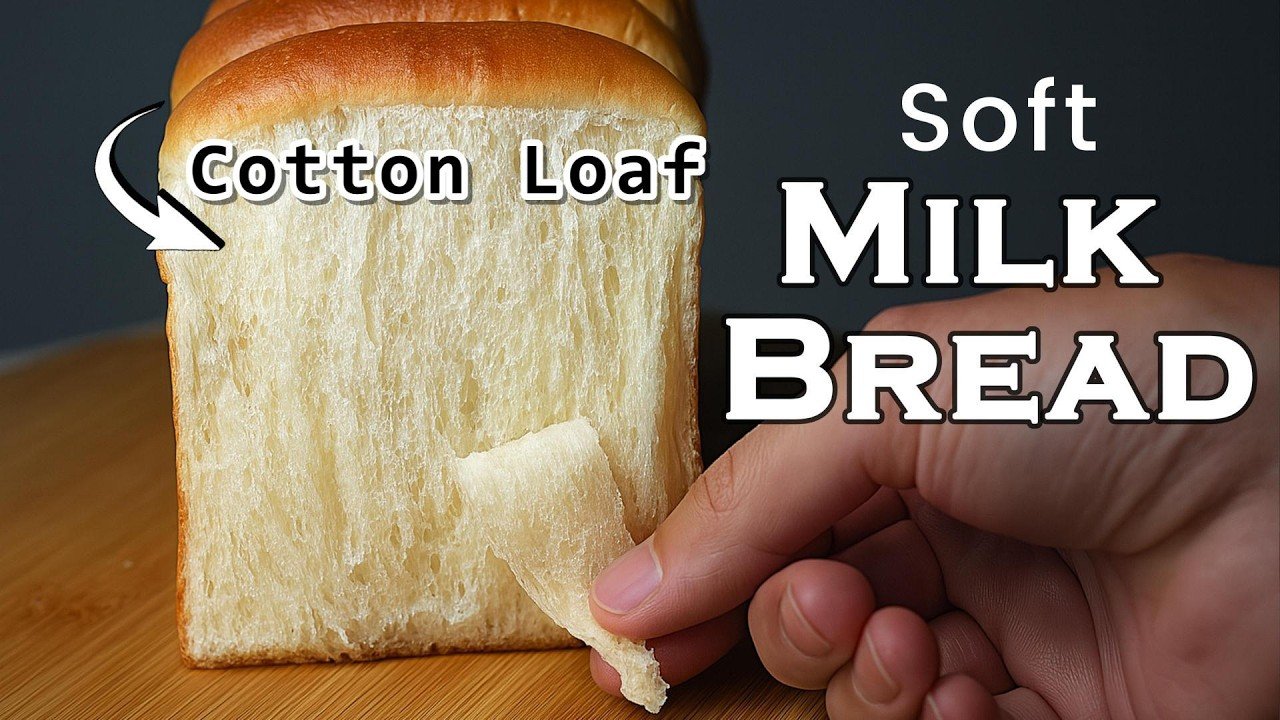
Are you tired of homemade bread that turns out hard and dry? You’re not alone.
Making soft, fluffy bread at home can feel tricky, but it doesn’t have to be. With the right tips, you can transform your baking and enjoy warm, tender bread every time. Keep reading, and you’ll discover simple secrets that will make your homemade bread irresistibly soft and delicious.
Your baking game is about to get a serious upgrade!
Choosing The Right Flour
Flour is the main ingredient in bread. The type of flour you pick changes the bread’s texture and softness.
Using the right flour helps make bread soft and tender. Let’s look at which flours work best.
Types Of Flour For Soft Bread
Soft bread needs flour with moderate protein. This helps the bread rise and stay tender.
- All-purpose flour: Good for most soft bread recipes.
- Bread flour: Has more protein, making bread chewy but soft inside.
- Cake flour: Low protein, makes bread very soft but less rise.
- Pastry flour: Between cake and all-purpose, good for soft texture.
Try mixing flours to get the softness and strength you want in your bread.
Gluten Content Importance
Gluten is a protein that helps bread rise and hold shape. It affects softness too.
Flour with more gluten makes bread chewy and elastic. Less gluten gives softer bread but less structure.
- High gluten flour (like bread flour) is best for chewy, soft bread.
- Medium gluten flour (all-purpose) works well for soft bread with good rise.
- Low gluten flour (cake or pastry flour) makes very soft but fragile bread.
Choose flour with the right gluten level to balance softness and bread shape.
Credit: kaylazenner.com
Perfecting The Dough
Making soft homemade bread starts with the dough. The right dough makes bread tender and light.
Focus on two main things: hydration and kneading. They help create soft texture.
Proper Hydration Levels
Water is key for soft bread. Proper hydration helps gluten form and keeps bread moist.
Too little water makes bread dry and crumbly. Too much water makes dough sticky and hard to handle.
- Use about 60-65% water to flour ratio for soft bread
- Adjust water slightly depending on flour type
- Warm water helps yeast activate faster
- Add water slowly to control dough texture
Kneading Techniques
Kneading develops gluten, which gives bread structure and softness. It mixes ingredients well.
Use a smooth, rhythmic motion. Push dough with the heel of your hand and fold it over.
- Knead for 8-10 minutes by hand
- Stop kneading when dough is smooth and elastic
- Too little kneading makes dense bread
- Too much kneading can make bread tough
Yeast And Rising
Making homemade bread soft depends a lot on yeast and the rising process. Yeast helps the dough grow and creates a light texture.
Understanding how to pick the right yeast and control rising can make your bread soft and tasty every time.
Selecting The Best Yeast
There are different types of yeast for bread baking. Each type affects the bread’s softness and rise.
- Active dry yeast needs to be dissolved in warm water before use.
- Instant yeast can be mixed directly with dry ingredients.
- Fresh yeast has a short shelf life but gives a mild flavor and good rise.
- Choosing fresh or instant yeast often helps get softer bread.
Optimal Proofing Conditions
Proofing is the rising time for the dough. The right temperature and time make bread soft.
| Condition | Ideal Range | Effect on Bread |
|---|---|---|
| Temperature | 75°F to 85°F (24°C to 29°C) | Helps yeast grow fast without killing it |
| Time | 1 to 2 hours | Allows dough to rise fully and become light |
| Humidity | Moderate (around 60%) | Keeps dough from drying out |
Incorporating Fats And Sugars
Soft bread feels nice and tastes fresh. Adding fats and sugars helps make bread soft. These ingredients change the texture and keep bread moist longer.
Fats like butter and oils coat the flour to stop too much gluten. Sugars feed yeast and hold moisture. Both work together for a tender crumb.
Role Of Butter And Oils
Butter and oils add fat to bread dough. They soften the dough and slow down drying. This keeps the bread soft after baking.
- Butter adds flavor and richness.
- Oils make dough easier to handle.
- Both fats help keep bread moist.
- They reduce gluten strength for softer crumb.
Sugars For Enhanced Softness
Sugars feed yeast and help bread rise well. They also attract water, which keeps bread soft.
| Sugar Type | Effect on Bread |
| White sugar | Feeds yeast quickly, soft crumb |
| Honey | Adds moisture and mild sweetness |
| Brown sugar | Creates moist texture and darker crust |
| Molasses | Deep flavor and soft texture |
Mastering The Baking Process
Baking soft homemade bread needs careful attention. Small changes in baking can affect bread texture.
Understanding the right temperature and time helps make bread soft and fresh.
Baking Temperature And Time
Set the oven to the right temperature to keep bread soft. Too hot or cold changes the crust and crumb.
Bake bread at 350°F to 375°F (175°C to 190°C). This range is ideal for soft bread.
- Higher temperature can make bread dry and hard
- Lower temperature may cause undercooked dough
- Baking time usually lasts 25 to 35 minutes
- Check bread by tapping the bottom for a hollow sound
Steam For A Fluffy Texture
Adding steam during baking helps keep bread crust soft and fluffy. It stops the crust from hardening too fast.
Create steam by placing a pan of hot water inside the oven or spraying water on the oven walls before baking.
- Steam keeps the dough surface moist
- Moist surface allows bread to expand fully
- Steam helps form a thin, soft crust
- Remove steam source in last 10 minutes for a light crust
Credit: www.crazyforcrust.com
Cooling And Storing Bread
Cooling and storing bread properly keeps it soft and fresh. Doing this right helps the bread stay tasty longer.
Letting bread cool and storing it correctly stops it from drying out or getting hard.
Proper Cooling Techniques
Cool bread on a wire rack after baking. This lets air flow all around the bread.
Avoid cooling bread in the pan. It traps steam and makes the crust soggy.
- Remove bread from the pan right after baking
- Place bread on a wire rack to cool evenly
- Let bread cool completely before storing
Storing To Retain Softness
Store bread in a paper bag or a clean cloth to keep it soft. Plastic bags can make bread sweaty.
Keep bread at room temperature for a few days. Freeze it if you want to keep it longer.
- Use breathable bags like paper or cloth
- Keep bread in a cool, dry place
- Freeze bread to store for more than 3 days
- Slice before freezing for easy use
Troubleshooting Common Issues
Making homemade bread can be tricky. Some common problems affect the bread’s texture.
This guide helps you fix dense or crumbly bread for softer results.
Dealing With Dense Bread
Dense bread often means the dough did not rise enough or was packed too tightly.
- Check yeast freshness. Old yeast can fail to make dough rise.
- Allow enough time for the dough to rise until it doubles in size.
- Do not add too much flour; wet dough helps light texture.
- Knead the dough well to develop gluten for structure and air pockets.
- Use warm water to activate yeast effectively.
Avoiding Crumbly Textures
Crumbly bread breaks apart easily and lacks moisture. It needs better binding and hydration.
| Cause | Solution |
| Too much flour | Reduce flour and add a little more water |
| Not enough fat or oil | Add butter, oil, or milk for softness |
| Overbaking | Bake for less time or at lower temperature |
| Insufficient kneading | Knead dough until smooth and elastic |

Credit: www.youtube.com
Frequently Asked Questions
How Can I Make Homemade Bread Softer?
Use bread flour for higher gluten content. Add milk or fat like butter for softness. Knead dough well and avoid overbaking.
Why Does Homemade Bread Turn Out Dense?
Dense bread often means insufficient kneading or yeast. Ensure proper yeast activation and allow dough to rise fully for airy bread.
What Ingredients Keep Bread Fresh And Soft Longer?
Adding fats like butter or oil and milk helps retain moisture. Honey or sugar also keeps bread soft by attracting water.
How Important Is Kneading For Soft Bread?
Kneading develops gluten, creating structure and softness. Proper kneading ensures even texture and traps air for a light crumb.
Conclusion
Soft homemade bread brings joy to every meal. Use fresh ingredients and knead dough well. Let the dough rise properly for fluffiness. Bake at the right temperature to keep softness. Store bread in airtight containers to stay fresh. Small steps make a big difference in bread quality.
Enjoy baking and tasting your soft, warm bread. Practice these tips to improve with each loaf. Soft bread feels good in every bite. Keep trying, and your bread will get better.