
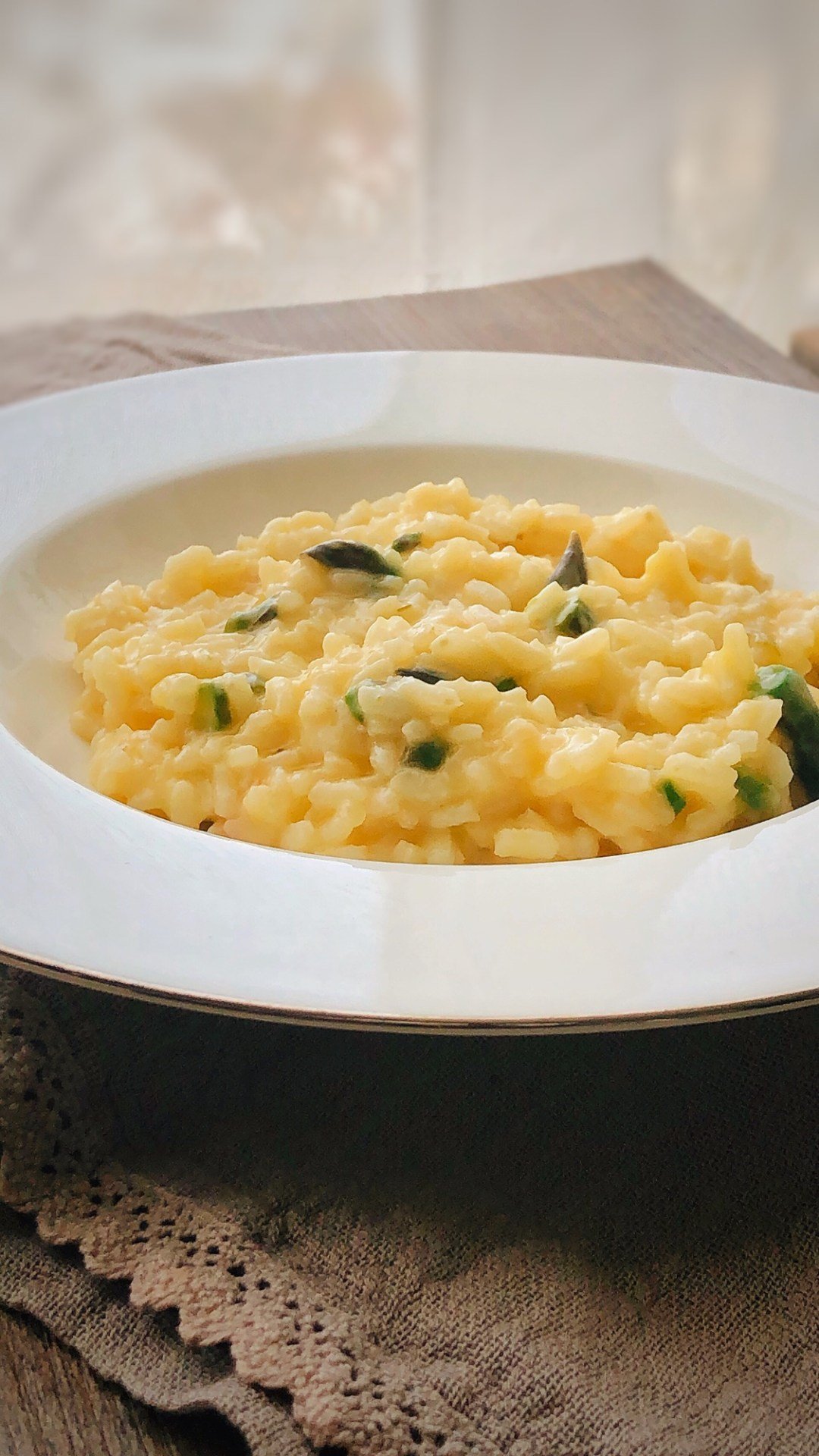
Are you ready to make risotto that’s perfectly creamy every time? You don’t need to be a chef to create this delicious, comforting dish.
With the right tips, you can master the art of creamy risotto in your own kitchen. Imagine impressing your family or friends with a rich, silky plate that melts in your mouth. Keep reading, and you’ll discover simple secrets that will transform your cooking and make your risotto the star of any meal.

Credit: spinachtiger.com
Choosing The Right Rice
The type of rice you use affects how creamy your risotto will be. Picking the right rice helps create a smooth texture.
Some rice types release more starch, which makes the dish rich and soft. Learning about these types helps you cook better risotto.
Varieties For Creaminess
Arborio, Carnaroli, and Vialone Nano are popular rice varieties for risotto. They absorb liquid well and stay firm.
These rices have short, plump grains. They release starch during cooking, making the risotto creamy but not mushy.
- Arborio:Most common, easy to find, great for beginners.
- Carnaroli:Holds shape best, often called the “king” of risotto rice.
- Vialone Nano:Smaller grains, cooks faster, very creamy texture.
Importance Of Starch Content
Starch is key to risotto’s creaminess. Rice with high starch content makes the dish smooth and rich.
Short-grain rices have more starch than long-grain types. This starch breaks down during cooking and thickens the liquid.
- Starch helps bind the rice and broth together.
- It creates the signature creamy texture.
- Too little starch makes the risotto dry or watery.
The Role Of Stock
Stock adds flavor and moisture to risotto. It helps cook the rice evenly.
Choosing the right stock and keeping it warm are key for creamy risotto.
Best Stock Choices
Use homemade or good quality stock for the best flavor. Chicken, vegetable, or fish stock work well depending on your risotto.
- Chicken stock: rich and savory, good for meat risottos
- Vegetable stock: light and fresh, perfect for vegetarian dishes
- Fish stock: delicate, ideal for seafood risotto
- Beef stock: strong flavor, use sparingly
Maintaining Temperature
Keep the stock warm during cooking. Cold stock cools the rice and slows cooking.
| Tip | Reason |
| Heat stock on low heat | Prevents cooling the rice when added |
| Use a separate pot | Keeps stock ready to pour without delay |
| Add stock slowly | Allows rice to absorb liquid evenly |
| Stir risotto often | Helps release starch for creamy texture |
Mastering The Stirring Technique
Stirring is key to creamy risotto. It helps release the rice’s starch.
Good stirring makes the texture smooth and rich. It also cooks the rice evenly.
Frequency And Timing
Stir the risotto often but not constantly. Too much stirring breaks the rice.
Stirring every minute or two is best. This keeps the rice from sticking.
- Stir gently to avoid crushing grains
- Start stirring after adding broth
- Stop stirring when rice is nearly done
Tools For Optimal Results
Use the right tools for easy stirring. A wooden spoon or silicone spatula works well.
A heavy-bottomed pan helps cook evenly. It prevents burning and hot spots.
- Wooden spoon for gentle stirring
- Silicone spatula for scraping sides
- Heavy pan for steady heat

Credit: boldappetite.com
Incorporating Ingredients At The Right Time
Adding ingredients at the right time helps make risotto creamy and flavorful.
Knowing when to add aromatics, vegetables, and proteins keeps their texture and taste perfect.
Adding Aromatics
Start by cooking aromatics like onions or garlic in butter or oil. This releases their flavors into the risotto.
- Add aromatics before the rice to soften them well.
- Cook until they are translucent but not browned.
- Stir often to avoid burning.
- Add rice only after aromatics are ready.
Timing For Vegetables And Proteins
Each vegetable and protein needs its own cooking time in risotto. Add them at the right moment to keep their texture.
| Ingredient Type | When to Add | Why |
| Soft Vegetables (e.g., mushrooms) | Midway through cooking | They release water and cook quickly |
| Hard Vegetables (e.g., carrots) | Early in cooking | They need longer to soften |
| Seafood | Last few minutes | They cook fast and stay tender |
| Chicken or Sausage | Before rice or midway | They need time to cook through |
Achieving The Perfect Consistency
Making creamy risotto depends on the right texture. The rice should be soft but still a bit firm inside.
Getting the perfect consistency means careful cooking and adding liquid at the right time.
Testing For Doneness
Check the rice often as it cooks. The grains should feel tender but not mushy.
Bite a few grains to see if they are cooked through but still have a slight bite.
- The outside of the grain should be soft.
- The center should have a tiny bit of firmness.
- If the rice is too hard, cook longer with more liquid.
- If too soft, reduce cooking time next time.
Adjusting Liquidity
Add broth or water slowly while stirring. This helps control the risotto’s creaminess.
If the risotto looks dry, add a small amount of hot liquid and stir well.
- Add liquid in small amounts, about half a cup at a time.
- Stir often to release the rice’s starch.
- Stop adding liquid when rice reaches desired softness.
- Too much liquid makes risotto runny; too little makes it dry.
Finishing Touches For Flavor And Texture
Risotto tastes best when you add the right finishing touches. These improve both flavor and texture. Simple ingredients make a big difference.
Focus on creamy richness and fresh garnishes. These will lift your risotto to the next level.
Incorporating Butter And Cheese
Butter and cheese add smoothness and depth to risotto. Stir them in at the end to keep the creamy texture.
- Add cold butter in small pieces. Stir until melted and creamy.
- Use freshly grated Parmesan or Pecorino cheese for best flavor.
- Mix cheese gradually, tasting as you go to avoid overpowering the dish.
- Do not boil after adding butter and cheese to keep the creaminess.
Garnishing Options
Garnishes add color, texture, and fresh flavor. Choose simple toppings that complement the risotto.
| Garnish | Effect |
| Chopped fresh parsley | Brightens flavor and adds color |
| Toasted pine nuts | Adds crunch and nutty taste |
| Lemon zest | Gives fresh citrus aroma |
| Drizzle of olive oil | Enhances richness and shine |
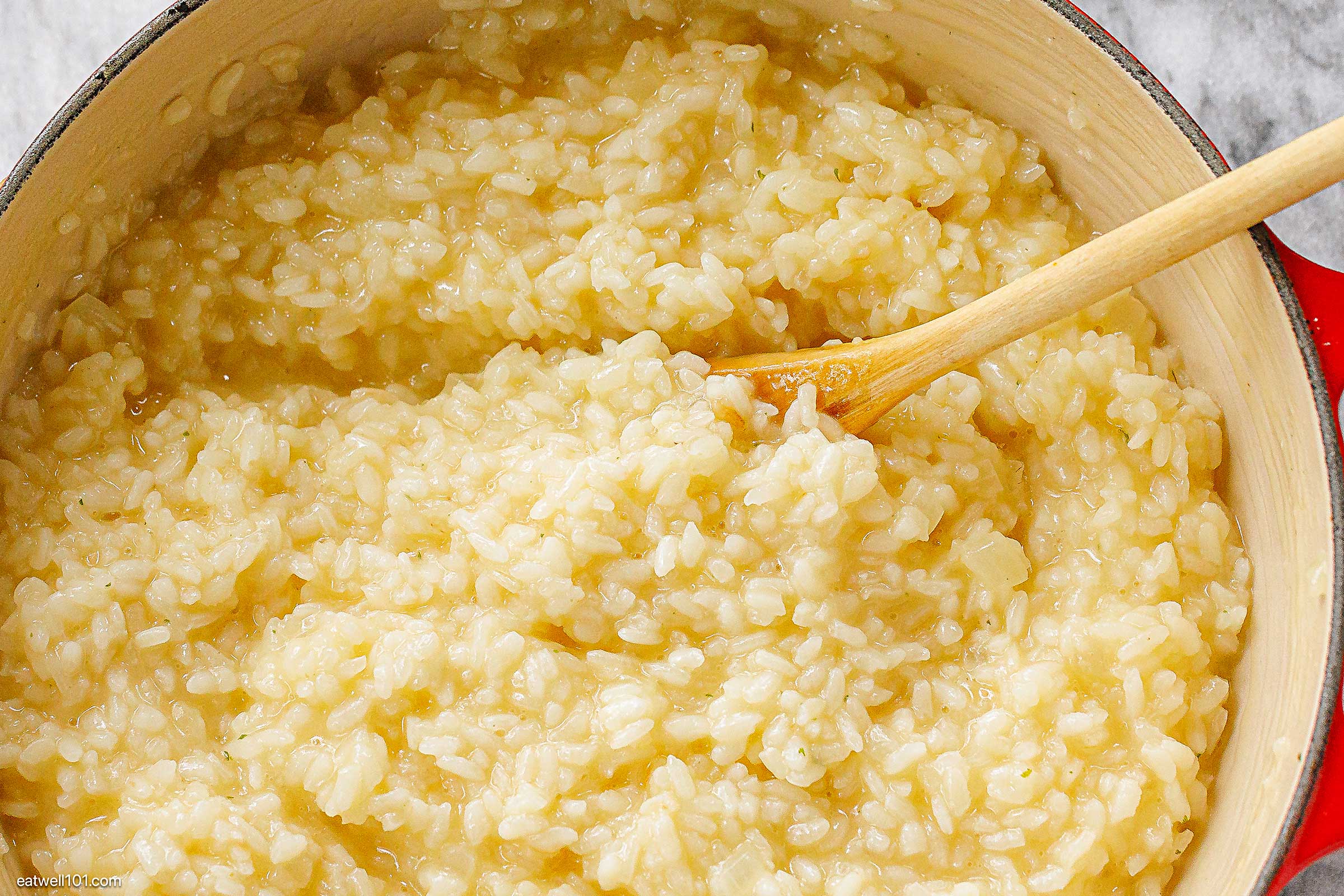
Credit: www.eatwell101.com
Frequently Asked Questions
How Do I Make Risotto Creamy Without Cream?
To make risotto creamy, use starchy Arborio rice and add warm broth gradually. Stir constantly to release starch. Finish with butter and Parmesan cheese for extra creaminess.
What Type Of Rice Is Best For Creamy Risotto?
Arborio rice is best for creamy risotto. Its high starch content creates a smooth, velvety texture. Other options include Carnaroli or Vialone Nano rice.
How Long Should I Cook Risotto For Perfect Creaminess?
Cook risotto for about 18-20 minutes. Stir frequently while adding broth gradually. The rice should be tender but still slightly firm to the bite.
Can I Use Broth Alternatives For Creamy Risotto?
Yes, you can use vegetable, chicken, or beef broth. Warm broth helps maintain even cooking and enhances flavor. Avoid cold liquids to keep creaminess.
Conclusion
Creamy risotto takes patience and care to make right. Stir gently and add broth little by little. Use good quality rice and fresh ingredients. Taste often to find the perfect balance. This helps you create a smooth, rich dish. Enjoy your risotto warm and fresh for best flavor.
Practice these tips to cook with confidence. Cooking risotto can be simple and fun. Try different flavors to find what you like. Keep these ideas in mind for tasty meals.