
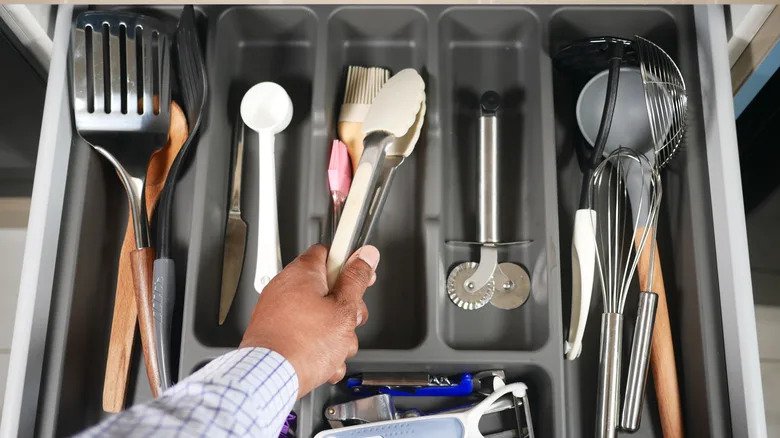
Your kitchen utensils are more than just tools—they’re the heart of every meal you create. But are you taking the right steps to keep them in top shape?
Imagine reaching for your favorite spatula or knife and finding it dull, rusty, or worn out. Frustrating, isn’t it? Keeping your utensils clean, sharp, and well-maintained not only saves you money but also makes cooking easier and more enjoyable. You’ll discover simple, practical tips that fit seamlessly into your daily routine, helping your kitchen tools last longer and perform better.
Ready to protect your kitchen essentials and elevate your cooking experience? Let’s dive in.

Credit: us.cleadeep.com
Choosing The Right Utensils
Picking the right kitchen utensils helps keep them in good condition. The right choice can make cooking easier and safer. Let’s explore how to choose wisely.
Materials That Last
Long-lasting utensils are made from durable materials. Stainless steel and silicone are popular choices. They resist rust and won’t scratch your cookware.
- Stainless steel is strong and resists stains.
- Silicone is flexible and heat-resistant.
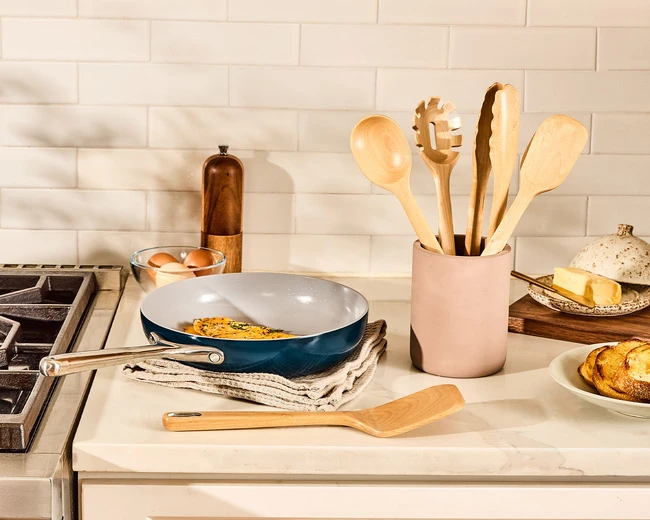
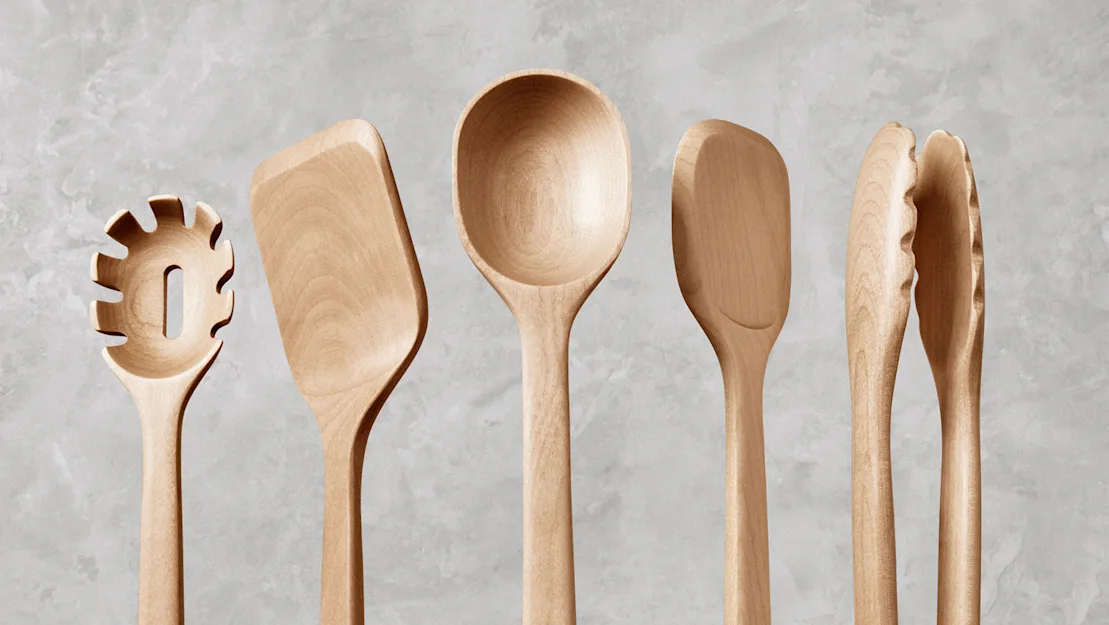
- Wood is gentle on surfaces but needs care.
Avoiding Cheap Alternatives
Cheap utensils may save money now, but they don’t last. They can break easily or melt when used. Invest in quality to avoid frequent replacements.
- Cheap plastic can melt or crack.
- Thin metal can bend under pressure.
- Low-quality wood may splinter.
Credit: www.carawayhome.com
Cleaning Techniques
Keeping kitchen utensils clean is important for health and cooking quality. Proper cleaning removes food, germs, and stains.
Different tools need different cleaning methods. This helps keep them safe and lasts longer.
Hand Washing Vs Dishwasher
Some utensils clean well by hand, while others fit better in dishwashers. Knowing which way to use saves time and protects your tools.
Hand washing works best for delicate items and those with wood or special coatings. Dishwashers are good for metal and plastic tools.
- Hand wash wooden handles to avoid warping.
- Dishwashers clean stainless steel well.
- Check if the utensil is dishwasher safe before use.
- Use warm water and mild soap for hand washing.
Removing Stubborn Stains
Stains from food can be hard to remove if left too long. Act fast to keep utensils looking new.
Use baking soda or vinegar to scrub tough stains. These natural cleaners break down grime without damage.
- Make a paste with baking soda and water.
- Apply the paste on the stain and scrub gently.
- Rinse well after scrubbing.
- Soak utensils in vinegar for 10 minutes to loosen stains.
Sanitizing For Safety
Sanitizing kills germs that can cause illness. It is important after cleaning to keep utensils safe for food use.
You can sanitize utensils with hot water or a mild bleach solution. Make sure to rinse and dry them well.
- Use water hotter than 170°F for sanitizing in a dishwasher.
- Mix 1 tablespoon of bleach with 1 gallon of water for hand sanitizing.
- Soak utensils in the bleach solution for 1 minute.
- Rinse with clean water and air dry.
Storage Solutions
Keeping kitchen utensils in good shape starts with smart storage. Proper storage helps save space and keeps tools ready to use.
Using the right storage ideas makes your kitchen neat and your utensils last longer.
Organizing For Easy Access
Arrange utensils so you find them quickly. Store daily tools where you can reach them fast during cooking.
Use containers or racks to separate types of utensils. This keeps your kitchen tidy and saves time.
- Use drawer dividers to separate spoons, forks, and knives
- Hang frequently used tools on hooks or magnetic strips
- Store less-used items in labeled containers or baskets
- Keep cutting boards and baking sheets upright for easy grab
Preventing Damage During Storage
Protect utensils from scratches and breaks by storing them carefully. Avoid piling sharp tools together.
Use padding or separate compartments to keep utensils safe and in good condition.
- Place knives in a block or on a magnetic strip, not loose in drawers
- Use soft liners in drawers to prevent scratches
- Keep wooden utensils away from moisture to avoid warping
- Store delicate glass or ceramic items separately with padding
Regular Maintenance Tips
Keeping kitchen utensils in good condition helps them last longer. Regular care makes your cooking easier and safer.
Simple maintenance steps can prevent damage. It also keeps your utensils clean and ready to use.
Sharpening Knives Safely
Sharp knives cut better and reduce accidents. Use a sharpening stone or a knife sharpener for best results.
Hold the knife at the correct angle and sharpen slowly. Always move the blade away from your body.
- Clean the knife before sharpening
- Use a stable surface to avoid slips
- Sharpen both sides evenly
- Wipe the blade clean after sharpening
Oiling Wooden Handles
Wooden handles can dry out and crack. Applying oil keeps the wood smooth and strong.
Use food-safe mineral oil or beeswax. Rub a small amount onto the handle and let it soak in.
- Clean the handle before oiling
- Apply oil once a month or as needed
- Wipe off extra oil with a soft cloth
- Allow handles to dry completely before use
Inspecting For Wear And Tear
Check utensils regularly for damage. Look for cracks, rust, or loose parts.
Fix or replace damaged tools to avoid injury. Keep an eye on handles and blades for signs of wear.
- Look for cracks in wooden or plastic handles
- Check metal parts for rust or corrosion
- Test if blades or parts are loose
- Replace items that are badly damaged
Avoiding Common Mistakes
Keeping kitchen utensils in good shape helps them last longer. Many people make simple errors that cause damage.
Learning what to avoid can save you money and keep your kitchen tools working well.
Using Utensils Properly
Using utensils for the right tasks prevents damage. Avoid using metal tools on non-stick pans to stop scratches.
Do not use knives to open cans or pry lids. This can break the blade or cause injury.
- Use wooden or silicone spoons on non-stick surfaces
- Choose the correct knife for chopping or slicing
- Avoid using utensils as tools for other jobs
Ignoring Manufacturer Guidelines
Every utensil comes with care instructions. Ignoring these rules can ruin the utensil quickly.
Check labels for washing advice and temperature limits. Some utensils should not go in dishwashers.
- Follow washing instructions carefully
- Keep utensils away from extreme heat if advised
- Use recommended cleaning products only
Credit: www.carawayhome.com
Extending Utensil Lifespan
Keeping your kitchen utensils in good shape saves money and reduces waste. Simple care steps can make your tools last longer.
Regular cleaning and proper storage help avoid damage. Small fixes can prevent bigger problems.
Repairing Minor Damages
Fix small cracks or loose handles quickly to stop damage from getting worse. Use glue or tape designed for kitchen use.
Sharpen dull blades carefully to keep cutting tools effective. Sand down rough wooden handles to avoid splinters.
- Tighten screws on handles
- Use food-safe glue for cracks
- Sharpen knives and peelers
- Smooth rough wooden surfaces
When To Replace Utensils
Replace utensils if they have deep cracks, rust, or broken parts. These can be unsafe or hard to clean.
Old utensils may not work well and can damage food or your cookware. It is better to switch to new ones for safety.
- Cracks that trap food or bacteria
- Rust or corrosion on metal parts
- Handles that break or loosen often
- Blades that cannot be sharpened
Frequently Asked Questions
How Often Should I Clean Kitchen Utensils?
Clean kitchen utensils immediately after use to prevent bacteria buildup. Regular washing with warm, soapy water keeps them sanitary and extends their life. Avoid letting food dry on utensils to maintain cleanliness and hygiene.
What Is The Best Way To Dry Utensils?
Air drying is the best way to dry utensils, as it prevents moisture retention. Use a clean dish rack or towel to ensure they dry completely. Avoid stacking wet utensils to reduce bacterial growth.
How Can I Prevent Rust On Metal Utensils?
To prevent rust, dry metal utensils thoroughly after washing. Store them in a dry place and occasionally apply a light coating of mineral oil. Avoid prolonged exposure to water and acidic foods.
Are Dishwasher-safe Utensils Better For Maintenance?
Dishwasher-safe utensils offer convenience but may wear out faster due to harsh detergents. Hand washing is gentler and helps maintain the utensils’ quality longer. Always check the manufacturer’s instructions before using a dishwasher.
Conclusion
Taking care of kitchen utensils saves money and time. Clean them right after use to avoid stains and damage. Use gentle soaps and soft cloths for best results. Store utensils properly to keep them safe and ready to use. Regular maintenance helps your tools last longer and work better.
Simple habits make a big difference in your kitchen. Keep these tips in mind for a cleaner, safer cooking space. Your utensils will thank you with every meal you prepare.