
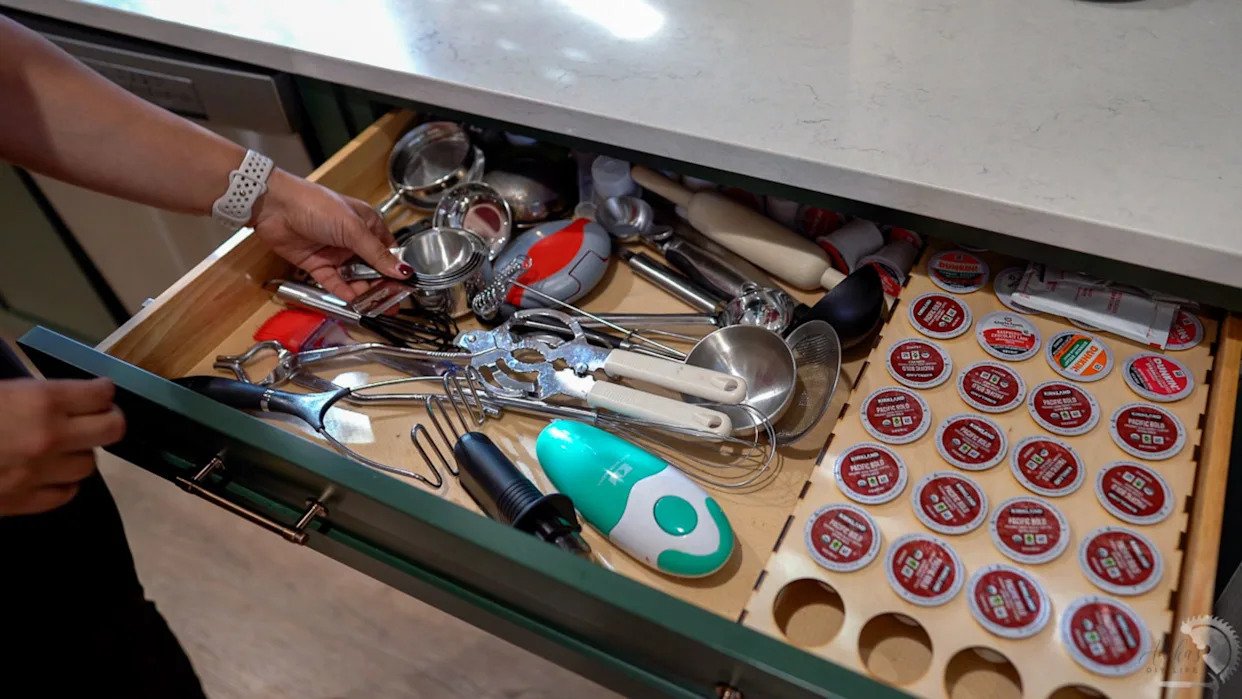
Your kitchen drawers are more than just storage spaces—they can be a hidden hotspot for germs and clutter. If you’ve ever opened a drawer and felt overwhelmed by crumbs, sticky spills, or misplaced utensils, you’re not alone.
Keeping your kitchen drawers clean and organized isn’t just about looks; it’s about protecting your health and making your cooking time easier and more enjoyable. You’ll discover simple, effective tips to maintain hygiene in your kitchen drawers. These easy steps will help you create a cleaner, safer kitchen environment that you’ll love using every day.
Keep reading to transform your drawers and boost your kitchen’s cleanliness instantly!
Credit: www.lemon8-app.com
Importance Of Clean Kitchen Drawers
Kitchen drawers hold many items we use daily. Keeping them clean stops germs and pests.
Clean drawers help keep food safe and make cooking easier. They also keep your kitchen neat.
Preventing Bacteria And Germs
Bacteria grow in dirty and damp places. Kitchen drawers can collect crumbs and spills.
Regular cleaning stops bacteria from spreading to your utensils or food items.
Avoiding Unpleasant Odors
Old food crumbs and spills cause bad smells in drawers. These odors can affect your kitchen.
Cleaning drawers keeps them fresh and prevents smells from spreading to your food.
Reducing Pest Problems
Dirty drawers attract insects like ants and cockroaches. They look for food and shelter there.
Cleaning and organizing drawers remove crumbs and stop pests from entering your kitchen.
Keeping Kitchen Tools In Good Condition
Dirty drawers can damage your kitchen tools. Moisture and dirt cause rust and stains.
Clean drawers protect your utensils and help them last longer.
Improving Kitchen Organization
Clean drawers make it easier to find what you need quickly. Messy drawers slow you down.
Organized drawers create a pleasant cooking space and save your time.
Regular Cleaning Schedule
Keeping kitchen drawers clean helps prevent germs and bad smells. A regular cleaning schedule makes it easy to keep drawers fresh.
Set a time each week and month to clean your drawers. This habit keeps your kitchen tidy and safe.
Weekly Wipe-down
Wipe kitchen drawers every week to remove crumbs and dirt. Use a damp cloth with mild soap for the best results.
Focus on drawer handles and edges where dust collects. Dry the surfaces well to avoid moisture buildup.
- Empty the drawer before cleaning
- Use a soft cloth and mild soap
- Wipe all surfaces inside and outside
- Dry completely to prevent mold
Monthly Deep Clean
Do a deep clean once a month to remove tough stains and germs. Take out all items and clean every corner.
Use a gentle cleaner safe for kitchen surfaces. Check for broken items and throw away expired products.
- Remove all drawer contents
- Vacuum crumbs and dust
- Clean with a kitchen-safe cleaner
- Wipe dry before replacing items
- Organize items neatly inside
Organizing For Better Hygiene
Keeping kitchen drawers clean helps stop germs and mess. Good organization makes cleaning easier.
Simple tools and habits can keep your drawers tidy and hygienic. This saves time and keeps food safe.
Using Drawer Dividers
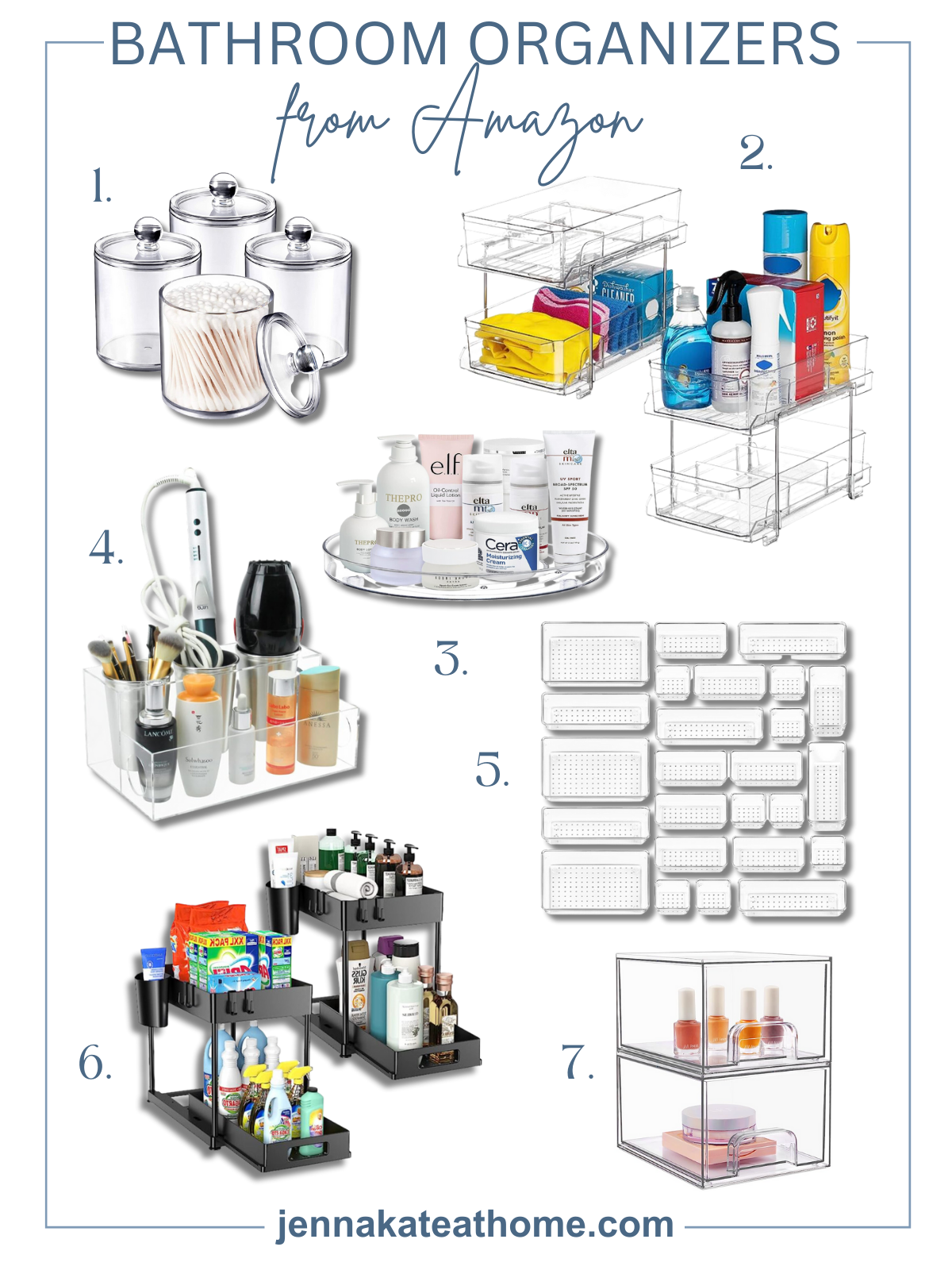
Drawer dividers separate items and stop clutter. They make cleaning easier and keep things from touching.
Using dividers helps prevent crumbs and spills from spreading. It also keeps utensils and tools in place.
- Choose adjustable dividers for different drawer sizes
- Separate sharp knives from spoons and forks
- Use dividers to keep cleaning cloths apart from food items
Labeling Storage Sections
Labels help you know where each item belongs. This reduces mess and helps everyone keep drawers neat.
Clear labels make it easy to find what you need and put things back correctly. This lowers cross-contamination risks.
- Use waterproof labels for durability
- Label sections by item type, like “Utensils” or “Spices”
- Update labels if you change drawer contents
Credit: jennakateathome.com
Effective Cleaning Materials
Keeping kitchen drawers clean helps stop germs and smells. Using the right cleaning materials makes this task easier and safer.
Some cleaning supplies work better for kitchen drawers. They remove dirt and kill bacteria without harming surfaces.
Natural Cleaners
Natural cleaners use simple ingredients from nature. They clean well and avoid harsh chemicals in your kitchen.
Common natural cleaners include vinegar, baking soda, and lemon juice. These items break down grease and freshen odors.
- White vinegar removes stains and kills germs
- Baking soda scrubs away dirt without scratching
- Lemon juice acts as a natural disinfectant and freshener
Antibacterial Wipes
Antibacterial wipes are quick and easy for daily cleaning. They kill many types of bacteria fast.
Use wipes to clean drawer handles, corners, and other hard-to-reach spots. They reduce germs and keep the area fresh.
- Choose wipes safe for kitchen surfaces
- Throw wipes away after use to avoid spreading germs
- Use wipes regularly to keep drawers hygienic
Preventing Pest Infestation
Keeping kitchen drawers clean helps stop pests from coming inside. Pests like bugs and rodents look for food and shelter in messy areas.
Proper hygiene in drawers lowers the chances of pest problems. Small steps can keep your kitchen safe and fresh.
Sealing Food Packages
Always close food packages tightly before putting them in drawers. This stops crumbs and smells that attract pests.
Use airtight containers or resealable bags to keep food fresh and secure. This also helps prevent spills and messes.
- Transfer snacks to sealed jars or containers
- Use clips or rubber bands on opened bags
- Label containers with dates to keep track of freshness
Using Pest Repellents
Place natural pest repellents inside kitchen drawers to keep bugs away. Some smells pests dislike can protect your food.
Choose safe repellents that do not touch food directly. Change them regularly for the best effect.
- Use sachets with dried lavender or mint
- Place bay leaves inside drawers
- Try cedar wood blocks to repel insects
Credit: creators.yahoo.com
Managing Moisture Levels
Keeping kitchen drawers dry helps stop mold and bad smells. Moisture can damage utensils and food packaging.
Here are ways to control moisture and keep drawers clean and fresh.
Dehumidifiers
Dehumidifiers remove extra moisture from the air inside drawers. They help stop dampness and mold growth.
Small, battery-powered dehumidifiers fit well in kitchen drawers. They work quietly and need little space.
- Place a small dehumidifier in each drawer
- Check and empty water collection regularly
- Choose models designed for small spaces
Silica Gel Packs
Silica gel packs absorb moisture and keep drawers dry. They are cheap and easy to use.
Put several packs in each drawer to reduce dampness. Replace them when they become full of moisture.
- Use multiple packs for larger drawers
- Replace packs every few months
- Keep packs away from children and pets
Safe Storage Practices
Keeping kitchen drawers clean and organized helps maintain good hygiene. Safe storage stops germs and pests from spreading.
Using the right methods protects your food and utensils. It also makes your kitchen easier to use every day.
Proper Container Usage
Use containers that close tightly to keep items fresh. Clear containers help you see what is inside quickly.
Choose containers made of safe materials like glass or BPA-free plastic. Avoid containers that can break or leak easily.
- Store dry goods like flour and sugar in sealed containers
- Keep utensils in clean, dry containers to avoid rust
- Use labeled containers to find items fast
- Wash containers regularly to prevent dirt buildup
Avoiding Overcrowding
Do not fill drawers too full. Overcrowding makes it hard to clean and increases risk of contamination.
Leave space between items for air to flow. This helps keep everything dry and fresh longer.
- Keep only what you use often in each drawer
- Remove expired or unused items regularly
- Organize items by type for easy access
- Use drawer dividers to separate different items
Routine Inspections
Checking your kitchen drawers often helps keep them clean and safe. Regular inspections stop problems before they grow.
Small issues like mold or broken parts can cause big troubles. Find these issues early to fix them quickly.
Checking For Mold
Mold grows in damp, dark places like kitchen drawers. It can cause bad smells and harm your health.
Look inside drawers for black, green, or white spots. Check corners and under liners where mold hides well.
- Remove all items before inspecting
- Use a flashlight to see dark areas
- Smell for musty odors
- Clean mold with vinegar or baking soda
Identifying Wear And Tear
Kitchen drawers get used a lot. This can cause parts to wear out or break over time.
Look for scratches, loose handles, and cracks. Check if drawers open and close smoothly without sticking.
- Test drawer slides for smooth motion
- Check handles and knobs for tightness
- Inspect the drawer bottom for cracks or sagging
- Replace broken parts to avoid accidents
Frequently Asked Questions
How Often Should I Clean Kitchen Drawers For Hygiene?
Clean kitchen drawers at least once a month to maintain hygiene. Regular cleaning prevents bacteria buildup and eliminates food residue. Wipe with a mild detergent and dry completely to avoid moisture and mold growth.
What Are The Best Cleaning Products For Kitchen Drawers?
Use mild dish soap or vinegar solutions for cleaning kitchen drawers. Avoid harsh chemicals that can damage surfaces or leave harmful residues. Natural cleaners are effective and safe for maintaining drawer hygiene.
How Can I Prevent Odors In Kitchen Drawers?
Keep kitchen drawers dry and avoid storing damp items. Use baking soda or activated charcoal to absorb odors. Regularly clean and air out drawers to maintain a fresh, odor-free environment.
Should I Use Drawer Liners For Hygiene Purposes?
Yes, drawer liners help protect surfaces from spills and crumbs. They make cleaning easier and reduce bacteria growth. Choose washable or disposable liners to maintain hygiene effectively.
Conclusion
Keeping kitchen drawers clean helps food stay safe and fresh. Clean drawers stop germs and bad smells. Regular checks catch spills and crumbs early. Use liners to protect drawer surfaces. Organize items so air flows well inside. Small efforts bring big health benefits.
A tidy kitchen feels nice and works better. Start today for a cleaner, safer kitchen space.