

Are you tired of digging through piles of mismatched lids and containers every time you open your kitchen cabinet? Keeping your food containers organized doesn’t have to be a frustrating chore.
Imagine opening your cupboard and instantly finding exactly what you need, saving you time and hassle. You’ll discover simple, practical tips that make maintaining food container organization easy and stress-free. Get ready to transform your kitchen space and enjoy the peace of mind that comes with a perfectly organized system.
Keep reading to unlock the secrets to effortless food container management!
Choosing The Right Containers
Organizing food containers helps keep your kitchen neat and food fresh. Picking the right containers can save space and reduce waste.
Think about the materials, sizes, and shapes before buying containers. These choices affect storage and usability.
Material Matters
Food containers come in plastic, glass, and stainless steel. Each material has pros and cons for storage and safety.
Glass is sturdy and doesn’t absorb smells. Plastic is lightweight but may stain. Stainless steel keeps food cold but is not microwave safe.
- Glass: durable, microwave and dishwasher safe
- Plastic: lightweight, affordable, may stain or warp
- Stainless steel: strong, non-toxic, not microwave safe
Size And Shape Considerations
Choose containers that fit your food portions and kitchen space. Small containers are good for snacks. Large ones hold leftovers.
Shapes affect storage. Rectangular containers use space better than round ones. Match container size to your fridge and pantry.
- Small containers for nuts and cut fruits
- Medium containers for daily meals
- Large containers for bulk leftovers
- Rectangular shapes save space in cabinets
Stackable Designs
Stackable containers keep shelves tidy and maximize space. Look for containers with lids that fit tightly.
Clear lids help you see contents without opening. Uniform shapes stack better and avoid tipping over.
- Choose containers with flat, secure lids
- Use clear or semi-clear lids to identify food
- Stack containers by size to save space
Cleaning And Maintenance
Keeping food containers clean helps keep food fresh and safe. Proper care stops bacteria growth and bad smells.
Regular cleaning and good drying habits extend the life of your containers. Use simple steps to keep them organized and ready to use.
Regular Cleaning Tips
Wash food containers after every use. Use warm water and mild dish soap. Scrub all sides well to remove food bits.
- Remove lids and clean seals separately
- Use a soft brush for hard-to-reach corners
- Rinse thoroughly to avoid soap residue
- Clean containers before storing them
Avoiding Odors And Stains
Food containers can absorb smells and colors. Prevent this by cleaning quickly and using some simple tricks.
| Problem | Solution |
| Strong odors | Soak in baking soda and water for 15 minutes |
| Stains from tomato or curry | Use lemon juice or vinegar before washing |
| Sticky residues | Scrub with a paste of baking soda and water |
Safe Drying Techniques
Dry containers well to avoid mold and bacteria. Use clean towels or air dry in a safe place.
Follow these tips for drying food containers:
- Place containers upside down on a drying rack
- Wipe lids separately with a clean cloth
- Store containers only when fully dry
- Avoid stacking wet containers
Storage Strategies
Keeping food containers organized saves time and space in your kitchen. Good storage habits help you find what you need quickly.
Using simple strategies makes your kitchen neat and keeps containers in good condition.
Grouping Similar Items
Put containers of the same type or size together. This helps keep your shelves tidy and easy to use.
- Store plastic containers in one area
- Keep glass containers in a separate spot
- Group lids by size or shape
- Stack containers nested inside each other
Labeling Containers
Labels help you know what is inside each container without opening it. They also show when food was stored.
| Label Type | Use |
| Permanent marker | Write directly on container or lid |
| Sticker labels | Attach and remove easily for reuse |
| Dry erase labels | Write and wipe clean for frequent changes |
| Chalkboard labels | Reusable and stylish for kitchen decor |
Using Drawer Dividers
Drawer dividers keep containers and lids separated. This prevents clutter and saves drawer space.
- Place dividers to fit container sizes
- Use adjustable dividers for flexibility
- Assign each section for lids or containers
- Keep frequently used items near the front
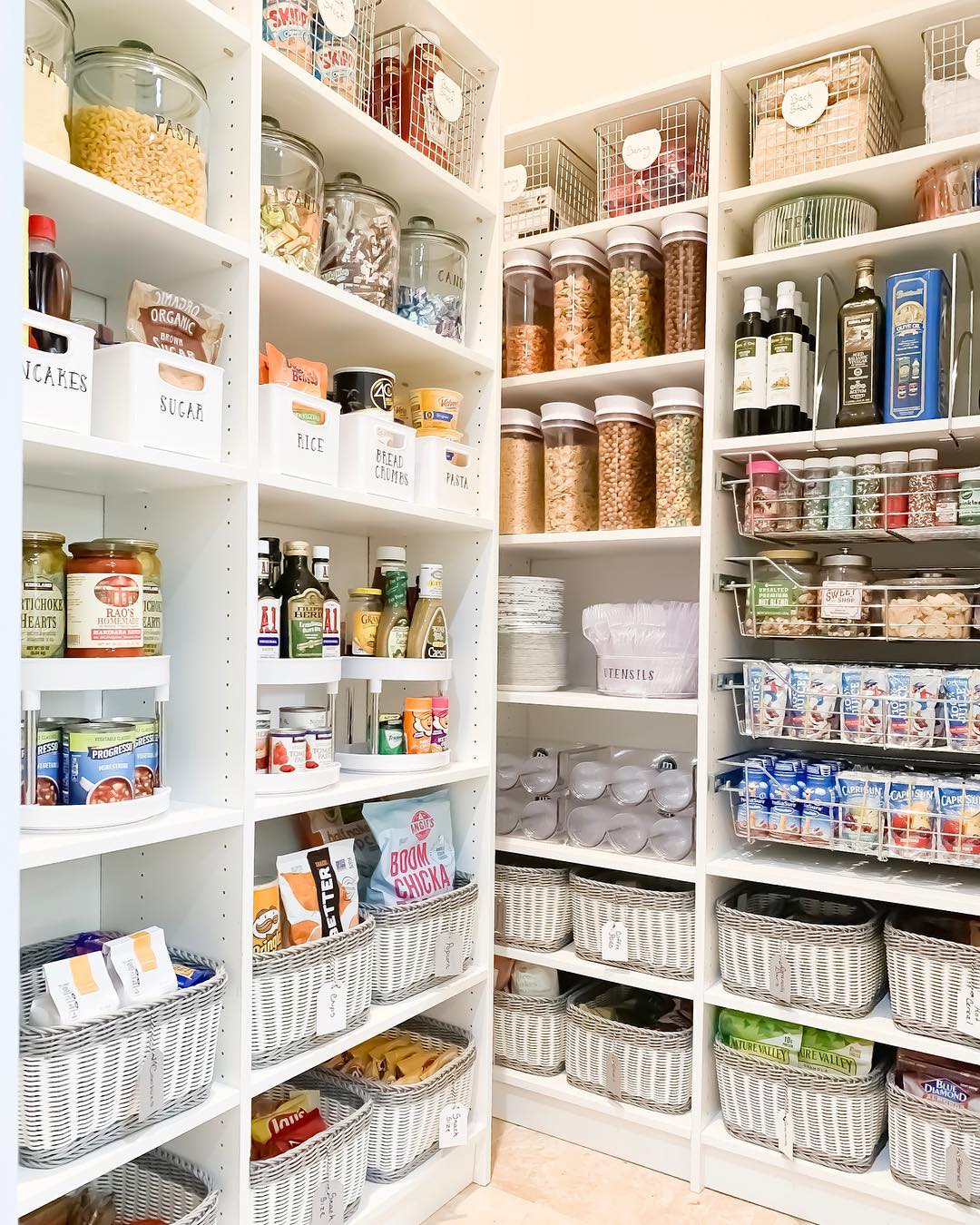
Credit: www.extraspace.com
Maximizing Space
Keeping food containers neat saves room in your kitchen. It helps you find what you need fast.
Using smart storage ideas lets you fit more containers in less space.
Nesting Small Containers
Stack small containers inside bigger ones to save shelf space. This keeps your kitchen tidy and organized.
- Group lids together in one container
- Place smaller containers inside larger ones by size
- Keep sets of containers nested for easy access
Utilizing Vertical Space
Use shelves or racks that let you store containers on top of each other. This frees up counter and cabinet space.
| Type of Storage | Best Use |
| Stackable Racks | Keep containers separated vertically |
| Wall-mounted Shelves | Store lids or lightweight containers |
| Pull-out Drawers | Access containers easily from deep cabinets |
Creative Shelf Arrangements
Arrange shelves by container type or size to improve order and space use. Label areas for quick sorting.
- Place frequently used containers at eye level
- Store rarely used containers on higher or lower shelves
- Use clear bins to group containers and lids together
- Keep heavy containers on sturdy lower shelves
Routine Organization Habits
Keeping food containers organized saves time and reduces waste. Small daily habits help keep your kitchen tidy.
Routine organization makes it easier to find containers and keep food fresh. It also prevents clutter from building up.
Weekly Decluttering
Set aside time each week to sort through your food containers. Remove any that are stained or missing lids.
Decluttering helps keep your storage space neat and frees up room for new containers.
- Check all containers and lids
- Discard broken or stained items
- Clean containers before storing
- Organize by size or type
Replacing Damaged Containers
Containers that crack or warp can leak and spoil food. Replace damaged containers quickly to keep your food safe.
Using containers in good condition helps maintain freshness and prevents messes in your kitchen.
- Inspect containers regularly for damage
- Replace lids that no longer seal properly
- Choose durable materials for longer use
- Recycle old containers when possible
Inventory Management
Keep track of how many containers you have and their sizes. This helps avoid buying duplicates or missing needed sizes.
Organizing containers by size and type makes it easy to find what you need quickly.
| Container Size | Quantity | Use |
|---|---|---|
| Small | 10 | Snacks, small leftovers |
| Medium | 8 | Lunch portions, fruits |
| Large | 5 | Meal prep, large leftovers |

Credit: www.ikea.com
Eco-friendly Practices
Keeping food containers organized helps reduce waste. Using eco-friendly ways protects the planet.
Small changes in how we use containers make a big difference. Choose green habits to help nature.
Choosing Sustainable Materials
Pick containers made from eco-friendly materials. These last longer and break down safely.
Look for glass, stainless steel, or BPA-free plastics. Avoid single-use or hard-to-recycle items.
- Glass is reusable and easy to clean
- Stainless steel resists rust and damage
- BPA-free plastics are safer for food
- Wood or bamboo containers are natural options
Reusing Containers
Reuse containers to cut down on waste. Clean them well before each use.
Store leftovers, dry goods, or pack lunches. Reusing saves money and reduces trash.
- Label containers with dates to track freshness
- Use airtight lids to keep food fresh
- Repurpose old jars for snacks or spices
- Donate unused containers to friends or charities
Proper Recycling Methods
Recycle containers correctly to help the environment. Sort materials based on local rules.
Clean containers before recycling. Remove labels and lids if required.
- Check local recycling guidelines for plastics and glass
- Flatten containers to save space in bins
- Avoid recycling damaged or contaminated containers
- Use recycling centers for hard-to-recycle items

Credit: cleanheartmaids.com
Frequently Asked Questions
How Do I Start Organizing Food Containers?
Begin by emptying your cabinet and categorizing containers by size and type. Discard mismatched or damaged pieces. Use shelf organizers or bins to stack lids and containers separately. Label bins for easy access. Prioritize frequently used items in front. Regularly review and maintain organization to keep the system effective.
What Are The Best Storage Solutions For Lids?
Use a lid organizer or file rack to keep lids upright and easily accessible. Consider adjustable dividers for flexibility. Store lids separately from containers to save space. A clear bin or drawer with sections can also work effectively. Choose a solution that fits your cabinet size and layout.
How Can I Maximize Cabinet Space For Containers?
Utilize vertical space by stacking containers and using shelf risers. Install pull-out shelves for easier access. Use wire racks or under-shelf baskets for additional storage. Nest similar-sized containers together. Consider adjustable shelving to accommodate different container sizes. Regularly declutter to maintain an efficient use of space.
How Often Should I Reorganize My Food Containers?
Review your food container organization every few months. This helps keep the system efficient and functional. Reorganize when you notice clutter or difficulty accessing items. Regularly check for damaged or unused containers to keep the collection manageable. Adapt your organization strategy as your storage needs change.
Conclusion
Keeping food containers organized saves time and reduces mess. Sort containers by size and type for easy access. Label lids and bottoms to avoid confusion. Store containers and lids separately to save space. Regularly check for damaged or missing pieces.
Clean containers before storing them to keep freshness. Small efforts lead to a neat and efficient kitchen. Enjoy the ease of finding the right container quickly. Organization helps reduce waste and keeps food fresh longer. Simple habits create lasting order in your kitchen space.