

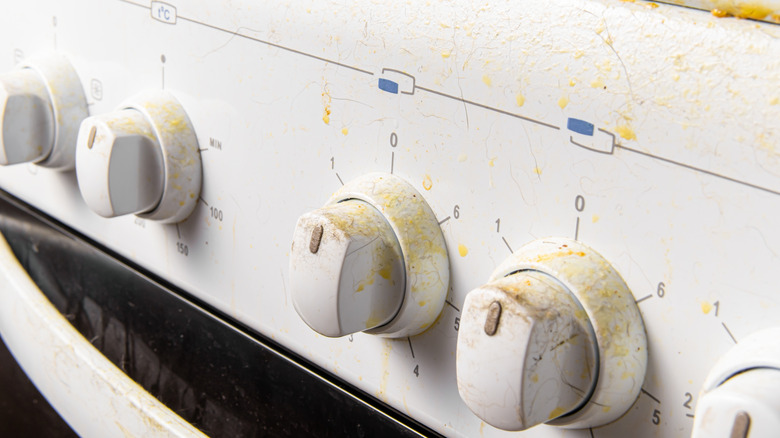
Are your stove knobs looking grimy or sticky? Keeping them clean isn’t just about appearances—it’s about safety and smooth cooking too.
You might not realize it, but dirty knobs can hide grease, food spills, and germs that affect your kitchen’s hygiene. Imagine turning on your stove and feeling the knobs slip or stick—that’s frustrating and could even be dangerous. But don’t worry, you don’t have to spend hours scrubbing or use harsh chemicals.
You’ll discover simple, effective tips that make cleaning your stove knobs quick and easy. Ready to keep your kitchen fresh and your cooking safe? Let’s dive in!
Credit: www.housedigest.com
Importance Of Clean Stove Knobs
Stove knobs are used every day in the kitchen. They control the heat for cooking meals.
Keeping stove knobs clean helps the kitchen stay safe and healthy. Dirt and grease can build up quickly.
Preventing Bacteria Growth
Dirty stove knobs can hold germs and bacteria. These can spread to your hands and food.
Cleaning knobs often stops bacteria from growing. This keeps your kitchen healthier.
Maintaining Proper Function
Grease and food particles can make knobs sticky. This can cause them to get stuck or break.
Clean knobs turn easily and work well. This helps you cook safely and with control.
Improving Kitchen Appearance
Clean stove knobs look nice and tidy. They help make your kitchen look well cared for.
Dirty knobs with grease marks can make the whole stove look messy. Clean knobs keep a fresh kitchen feel.
Reducing Fire Risk
Grease buildup near knobs can catch fire. This is dangerous and can cause accidents.
Cleaning knobs removes grease and lowers fire risk. This keeps your kitchen safer for cooking.
Credit: www.housedigest.com
Materials Needed For Cleaning
Keeping stove knobs clean is important for safety and looks. Using the right materials makes cleaning easy and effective.
Here are the key items you need to clean your stove knobs properly and gently.
Mild Dish Soap
Mild dish soap helps remove grease and dirt without damaging the knobs. It is gentle but effective for regular cleaning.
Use warm water mixed with a few drops of dish soap to create a cleaning solution.
Soft Cloth Or Sponge
A soft cloth or sponge prevents scratches on the stove knobs. Avoid abrasive materials that can wear down the finish.
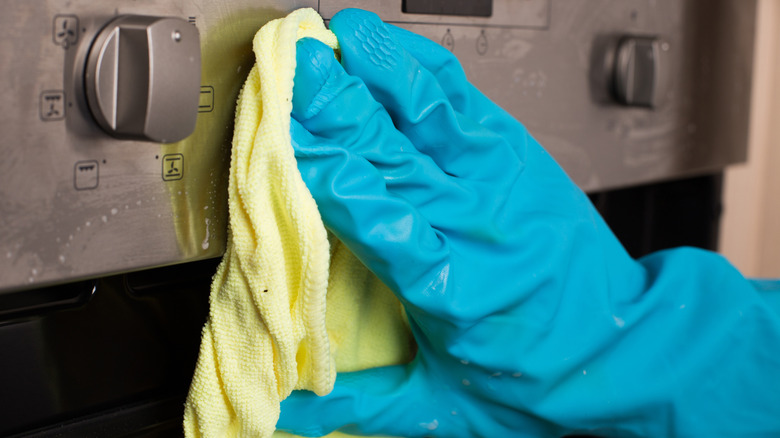
Use the cloth or sponge to apply soap and gently wipe the knobs clean.
Toothbrush Or Small Brush
A toothbrush or small brush helps reach tight spots and grooves around the knobs. It removes stubborn dirt and grime.
Use a soft-bristle brush to avoid damaging the surface while cleaning hard-to-reach areas.
White Vinegar
White vinegar is a natural cleaner that cuts through grease and disinfects. It is safe for most stove materials.
Mix equal parts of vinegar and water to make a cleaning spray or soak solution for tough stains.
Warm Water
Warm water helps dissolve grease and soap while cleaning. It also softens dirt for easy removal.
Use warm water to rinse the knobs after cleaning to remove soap or vinegar residues.
Microfiber Towel
A microfiber towel dries the knobs quickly and prevents water spots. It also polishes the surface for a neat look.
Use a clean microfiber towel to wipe the knobs dry after rinsing.
Step-by-step Cleaning Process
Keeping your stove knobs clean helps maintain your kitchen’s look. Dirt and grease can build up quickly.
Follow these simple steps to clean your stove knobs safely and easily.
Removing The Knobs
Before cleaning, take off the stove knobs carefully. This prevents damage and cleans better.
Gently pull each knob straight out. If it is stuck, wiggle it slightly to loosen.
Soaking And Scrubbing
Fill a bowl with warm water and a few drops of dish soap. Soak the knobs for 15 minutes.
Use a soft brush or cloth to scrub away grease and dirt. Pay attention to crevices and edges.
- Warm water helps loosen grime
- Dish soap cuts through grease
- Soft brush reaches tight spots
Drying And Reinstalling
After scrubbing, rinse the knobs with clean water. Dry them fully to prevent moisture damage.
Once dry, push the knobs back onto their original spots. Make sure they fit securely.
Using Natural Cleaners
Keeping stove knobs clean is important for safety and looks. Natural cleaners work well without harsh chemicals.
These cleaners are easy to make at home. They remove grease and dirt gently and effectively.
Baking Soda Paste
Baking soda paste is a gentle cleaner for stove knobs. It helps remove stuck-on grease and grime.
Mix baking soda with a little water to make a thick paste. Apply it to the knobs and let it sit for 10 minutes.
- Use a soft cloth or old toothbrush to scrub knobs
- Rinse with warm water to remove paste
- Dry knobs well before putting them back
Vinegar Solution
Vinegar is a natural cleaner that cuts through grease. It also helps kill bacteria on stove knobs.
Mix equal parts white vinegar and water in a spray bottle. Spray the solution on the knobs and wipe clean.
- Use a cloth to wipe away dirt and grease
- Spray again if knobs are very dirty
- Dry knobs completely before use
Preventing Future Buildup
Keeping stove knobs clean is important for safety and appearance. Dirt and grease build up quickly if you do not clean them often.
Preventing buildup saves time and effort. Use simple habits to keep knobs looking fresh and working well.
Regular Maintenance Routine
Clean stove knobs regularly to stop dirt from hardening. Wipe knobs after cooking with a damp cloth. Use mild soap if needed.
Check knobs once a week. Remove and wash them in warm water to clear away hidden grease. Dry completely before putting back.
- Wipe knobs after every use
- Remove knobs for deep cleaning weekly
- Use soft cloths to avoid scratches
- Dry knobs fully before reattaching
Using Protective Covers
Protective covers help stop spills and grease from reaching the knobs. Covers are easy to clean or replace.
Choose covers made from heat-resistant materials. They fit snugly on knobs and prevent dirt buildup underneath.
- Use silicone or plastic covers
- Remove covers to wash frequently
- Replace covers if damaged or dirty
- Check covers fit well on all knobs
Common Mistakes To Avoid
Keeping stove knobs clean is important for safety and looks. Many people make simple mistakes that make cleaning harder.
Knowing what not to do helps you keep your stove knobs shiny and working well for a long time.
Using Harsh Chemicals
Some cleaners contain strong chemicals that can damage stove knobs. These may cause fading or cracks.
Use mild soap and water instead. Avoid bleach or abrasive cleaners that wear down plastic or metal parts.
Not Removing Knobs Before Cleaning
Cleaning stove knobs without removing them can trap moisture inside the stove. This may cause damage or rust.
Always take off the knobs carefully before cleaning. Dry them completely before putting them back.
Using Too Much Water
Soaking knobs in water can cause water to seep inside and damage the electrical parts of the stove.
Use a damp cloth or sponge instead. Wipe gently and avoid soaking the knobs or the stove surface.
Ignoring Regular Cleaning
Waiting too long to clean stove knobs lets grease and dirt build up. This makes cleaning harder and less effective.
Clean your stove knobs often to prevent tough stains and keep them working smoothly.
Scrubbing Too Hard
Using hard scrubbing tools can scratch or damage the knob surface. This lowers their appearance and function.
Use soft cloths or sponges and gentle pressure to clean knobs safely without damage.
Additional Tips For Lasting Cleanliness
Keeping stove knobs clean helps your kitchen look neat. It also makes cooking safer and easier.
Simple habits can keep grime and grease from building up. These tips extend the time between deep cleanings.
Use Removable Covers
Silicone covers fit over stove knobs to protect them from spills. They are easy to clean or replace.
These covers stop dirt and grease from reaching the knobs, keeping them cleaner for longer.
Clean Spills Immediately
Wipe spills as soon as they happen. This prevents sticky buildup and tough stains on the knobs.
Keep a damp cloth nearby while cooking to quickly clean drips and splashes.
Avoid Harsh Chemicals
Use mild soap and water to clean stove knobs. Strong chemicals can damage the surface or paint.
Natural cleaners like vinegar and baking soda work well without harming the knobs.
Remove And Clean Knobs Regularly
Take off stove knobs to clean underneath. Dirt often hides where the knobs attach to the stove.
Wash knobs with warm, soapy water and dry them before putting them back in place.
Keep Hands Dry And Clean
Dirty or greasy hands transfer grime to stove knobs. Wash your hands before cooking.
Dry hands well to avoid leaving water spots or streaks on the knobs.

Credit: www.maytag.com
Frequently Asked Questions
How Often Should Stove Knobs Be Cleaned?
Stove knobs should be cleaned weekly to prevent grease buildup. Regular cleaning keeps knobs functional and maintains kitchen hygiene. Wiping knobs after every cooking session also helps reduce dirt accumulation and extends their lifespan.
What Is The Best Way To Clean Stove Knobs?
Remove stove knobs and soak them in warm, soapy water for 15 minutes. Use a soft brush to scrub away grease and grime. Rinse with clean water, dry thoroughly, and reinstall the knobs carefully.
Can Vinegar Help Clean Stove Knobs Effectively?
Yes, vinegar is a natural and effective cleaner for stove knobs. It cuts through grease and disinfects surfaces without harsh chemicals. Mix equal parts vinegar and water, spray on knobs, and wipe clean with a cloth.
Should Stove Knobs Be Removed Before Cleaning?
Yes, removing stove knobs before cleaning ensures thorough dirt removal. It prevents water or cleaning agents from damaging internal components. Always check your stove manual for proper knob removal instructions to avoid damage.
Conclusion
Clean stove knobs keep your kitchen safe and neat. Regular wiping stops grease and dirt build-up. Use gentle cleaners to protect the knobs’ surface. Small efforts save time and avoid tough scrubbing later. Keep your cooking area fresh and inviting.
A clean stove makes cooking more enjoyable. Remember, simple care keeps knobs working well for years. Try these tips and see the difference today. Clean knobs, happy kitchen.