
If you use a rolling cutter regularly, you know how important it is to keep it sharp and in top shape. A well-maintained cutter makes your work easier, faster, and safer.
But are you sure you’re caring for your tool the right way? In this post, you’ll discover simple, effective tips that will extend your cutter’s life and improve your cutting experience. Keep reading to learn how small changes in your routine can make a big difference for your rolling cutter.
Choosing The Right Blade
Choosing the right blade for your rolling cutter helps you cut smoothly. It also keeps your tool safe and lasts longer.
Different blades fit different needs. Knowing about the blade’s material, size, and shape can guide your choice.
Material Considerations
Blade material affects sharpness and durability. Steel blades last long and cut well. Titanium blades resist rust and stay sharp. Ceramic blades keep their edge but can chip if dropped.
- Steel blades are strong and affordable.
- Titanium blades resist rust and stay sharp.
- Ceramic blades are very sharp but fragile.
Size And Shape Options
Blades come in many sizes and shapes. The size affects how much you can cut at once. The shape changes the type of cuts you can make.
| Blade Size | Use Case | Shape |
| 18mm | Small, precise cuts | Round |
| 28mm | General purpose cutting | Round |
| 45mm | Large fabrics or materials | Round or Rotary |
| 28mm | Cutting curves and corners | Pointed |

Credit: fimicimplement.com
Regular Cleaning Routine
Keeping your rolling cutter clean helps it cut smoothly. Dirt and fabric bits can stop it from working well.
Clean your cutter often to keep it sharp and safe. A good cleaning routine lasts longer and cuts better.
Removing Fabric Residue
Fabric residue can stick to the blade and stop it from cutting cleanly. Removing this buildup is important for good performance.
Use a small brush or cloth to clear out bits of fabric after each use. This stops residue from hardening on the blade.
- Open the cutter blade carefully
- Brush away loose fabric pieces
- Wipe blade with a soft, dry cloth
- Check for any stuck threads and remove them
Dealing With Rust
Rust can damage your rolling cutter and make it unsafe. Keep your tool dry to avoid rust forming.
If rust appears, clean it quickly. Use fine sandpaper or a rust remover to clear the blade gently.
- Wipe blade dry after cleaning or use
- Store cutter in a dry place
- Apply a light oil layer to protect metal
- Remove rust spots carefully with fine sandpaper
Proper Storage Techniques
Keeping your rolling cutter safe helps it last longer. Proper storage stops damage and keeps the blade sharp.
Store the cutter in a dry, safe place. Avoid spots with direct sunlight or dust.
Temperature And Humidity Control
Store your rolling cutter in a place with steady temperature. Extreme heat or cold can harm the blade and handle.
Keep the storage area dry. High humidity causes rust on the blade and metal parts.
- Ideal temperature: 60°F to 75°F (15°C to 24°C)
- Humidity level: below 50%
- Use a dehumidifier if needed
- Avoid damp basements or garages
Safe Blade Positioning
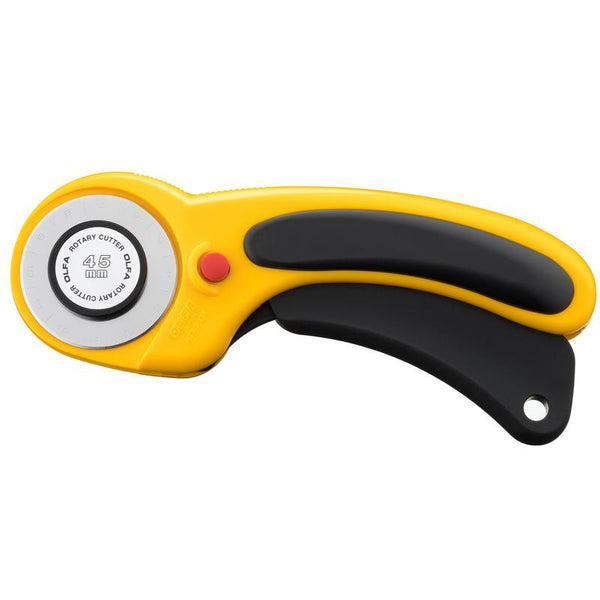
Always lock the blade when storing your rolling cutter. This prevents accidents and protects the blade edge.
Store the cutter with the blade closed. Avoid putting heavy items on it to stop bending or breaking.
- Use the blade lock or safety latch
- Place the cutter in a protective case or pouch
- Keep out of reach of children
- Store flat or hanging to avoid pressure
Credit: olfa.com
Sharpening The Blade
A rolling cutter blade needs to be sharp to cut cleanly. A dull blade can tear fabric and slow down work. Keeping the blade sharp helps you get smooth cuts every time.
Regular sharpening also makes the blade last longer. It saves you money and keeps your projects neat. Let’s look at how to sharpen the blade and how often to do it.
Using A Sharpening Tool
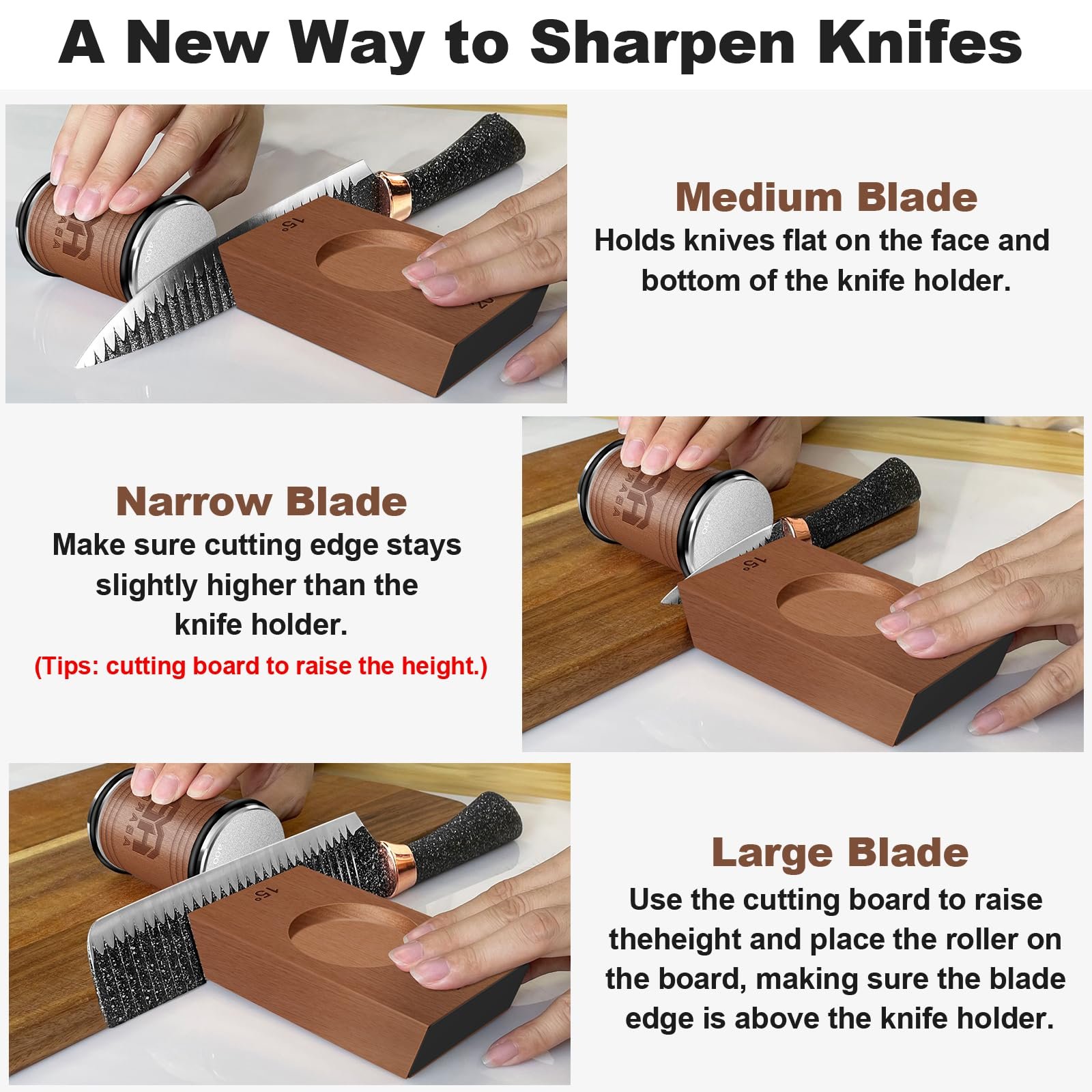
Use a diamond or ceramic sharpening tool made for rolling cutters. These tools keep the blade edge smooth without damaging it. Hold the blade carefully to avoid cuts.
Run the sharpening tool along the blade’s edge a few times. Use gentle, even pressure. Check the blade after each pass to see if it is sharper. Stop once the edge feels smooth and sharp.
- Choose a sharpening tool that fits your blade size.
- Always sharpen in one direction along the edge.
- Do not press too hard to avoid wearing out the blade.
- Clean the blade after sharpening to remove metal dust.
Frequency Of Sharpening
Sharpen the blade when you notice it is not cutting smoothly. If you feel the blade pulls or snags fabric, it needs sharpening. How often depends on how much you use the cutter.
For regular home use, sharpen the blade after every 10 to 15 hours of cutting. For heavy use, sharpen it more often. Keeping a schedule helps maintain good cutting quality.
- Light use: Sharpen every 10-15 hours of cutting.
- Medium use: Sharpen every 5-10 hours.
- Heavy use: Sharpen every 3-5 hours.
- Always check the blade before starting a big project.
Lubrication For Smooth Operation
Lubrication helps your rolling cutter work without problems. It reduces friction and wear.
Regular lubrication keeps the cutter blades sharp and moving easily. This saves time and effort.
Types Of Lubricants
Different lubricants work well on rolling cutters. Choose the right type for best results.
- Light machine oil: Good for daily use and easy cleaning.
- Silicone spray: Prevents rust and repels dirt.
- Grease: Best for heavy-duty use and long-lasting protection.
- Graphite powder: Works well in dusty places and reduces friction.
Application Tips
Apply lubricant carefully to keep the rolling cutter in top shape. Follow these tips.
- Clean the cutter before applying lubricant.
- Use only a small amount to avoid build-up.
- Apply lubricant to the blade edges and moving parts.
- Wipe off excess oil to prevent dirt sticking.
- Lubricate regularly, especially after cleaning or heavy use.
Handling And Usage Tips
Proper handling of a rolling cutter ensures safety and better results. It also extends the tool’s life.
Using the right techniques helps avoid damage and keeps your work smooth and precise.
Grip And Pressure Management
Hold the rolling cutter firmly but not too tight. A steady grip helps guide the cutter evenly.
- Use your dominant hand to control the cutter.
- Apply gentle, even pressure to avoid slipping.
- Keep your wrist relaxed to reduce fatigue.
- Let the cutter do the work, do not force it.
- Move the cutter slowly for clean cuts.
Avoiding Common Mistakes
Many mistakes cause uneven cuts or damage the blade. Watch for these common errors.
| Common Mistake | Effect | How to Avoid |
| Too much pressure | Blade dulls quickly | Use light, steady pressure |
| Uneven grip | Wobbly or crooked cuts | Hold cutter firmly and straight |
| Cutting on rough surfaces | Blade damage | Use a cutting mat or smooth surface |
| Not cleaning blade | Sticky residue builds up | Wipe blade after each use |
| Ignoring blade sharpness | Rough cuts, more force needed | Replace or sharpen blade regularly |
Inspecting For Wear And Tear
Regularly checking your rolling cutter keeps it working well. It helps you spot problems early.
Look closely at the blade and handle for any damage. This keeps your cutter safe and sharp.
Signs Of Blade Dullness
A dull blade cuts poorly and can cause accidents. Watch for these signs to know when to replace or sharpen it.
- The blade pulls or tears fabric instead of cutting cleanly
- It requires more pressure to cut
- The edges look chipped or worn
- Cut lines are uneven or jagged
Checking Handle Integrity
Check the handle for cracks or loose parts. A strong handle helps you cut safely and precisely.
- Look for cracks or splits in the handle
- Make sure the handle feels tight and secure
- Test the grip to see if it slips or feels weak
- Replace the handle if it shows damage or wear

Credit: www.amazon.com
Replacing Parts When Necessary
Keeping your rolling cutter in good shape means changing parts when needed. Worn parts can cause poor cuts or damage the cutter.
Regularly checking and replacing parts helps your rolling cutter work well and last longer.
Identifying Worn Components
Look for signs that parts need replacement. Blades may get dull or chipped. Bearings might feel rough or noisy. Handles can become loose or cracked.
- Blades with dull edges or chips
- Noisy or stiff bearings
- Loose or cracked handles
- Worn screws or fasteners
Sourcing Replacement Parts
Find the right parts to keep your cutter safe and effective. Check the model number before buying. Use parts made for your cutter brand.
| Part | Where to Find | Tip |
| Blade | Manufacturer or authorized dealers | Buy exact match for your cutter |
| Bearing | Hardware stores or online | Check size and type carefully |
| Handle | Replacement parts shops | Look for durable materials |
| Screws and fasteners | Local hardware stores | Keep spares handy |
Frequently Asked Questions
How Often Should I Clean My Rolling Cutter?
Clean your rolling cutter after every use to prevent debris buildup. Regular cleaning ensures smooth operation and extends the tool’s lifespan.
What Is The Best Lubricant For Rolling Cutters?
Use a light machine oil or silicone-based lubricant. These reduce friction, prevent rust, and keep the cutter rolling smoothly.
How Do I Sharpen A Rolling Cutter Blade?
Use a fine-grit sharpening stone or specialized tool. Sharpen gently along the blade edge to maintain cutting efficiency and safety.
Can I Replace The Rolling Cutter Blade Myself?
Yes, most rolling cutters have user-friendly blade replacement. Always follow manufacturer instructions and use proper safety gear during replacement.
Conclusion
Maintaining your rolling cutter keeps it sharp and safe. Clean it after each use to avoid rust. Check the blade regularly and replace it if dull. Store the cutter in a dry place to protect it. These small steps save time and money later.
A well-kept tool works better and lasts longer. Simple care makes cutting tasks easier every day. Keep your rolling cutter ready for any project.