

If you use a mandoline slicer in your kitchen, you know how handy it can be for cutting fruits and veggies quickly and evenly. But keeping your slicer sharp, clean, and safe to use takes a little care.
Without the right tips, your mandoline might wear out faster or even become a hazard. You’ll discover simple and effective ways to maintain your mandoline slicer so it stays in top shape. Read on to make sure every slice is perfect and every use is safe!
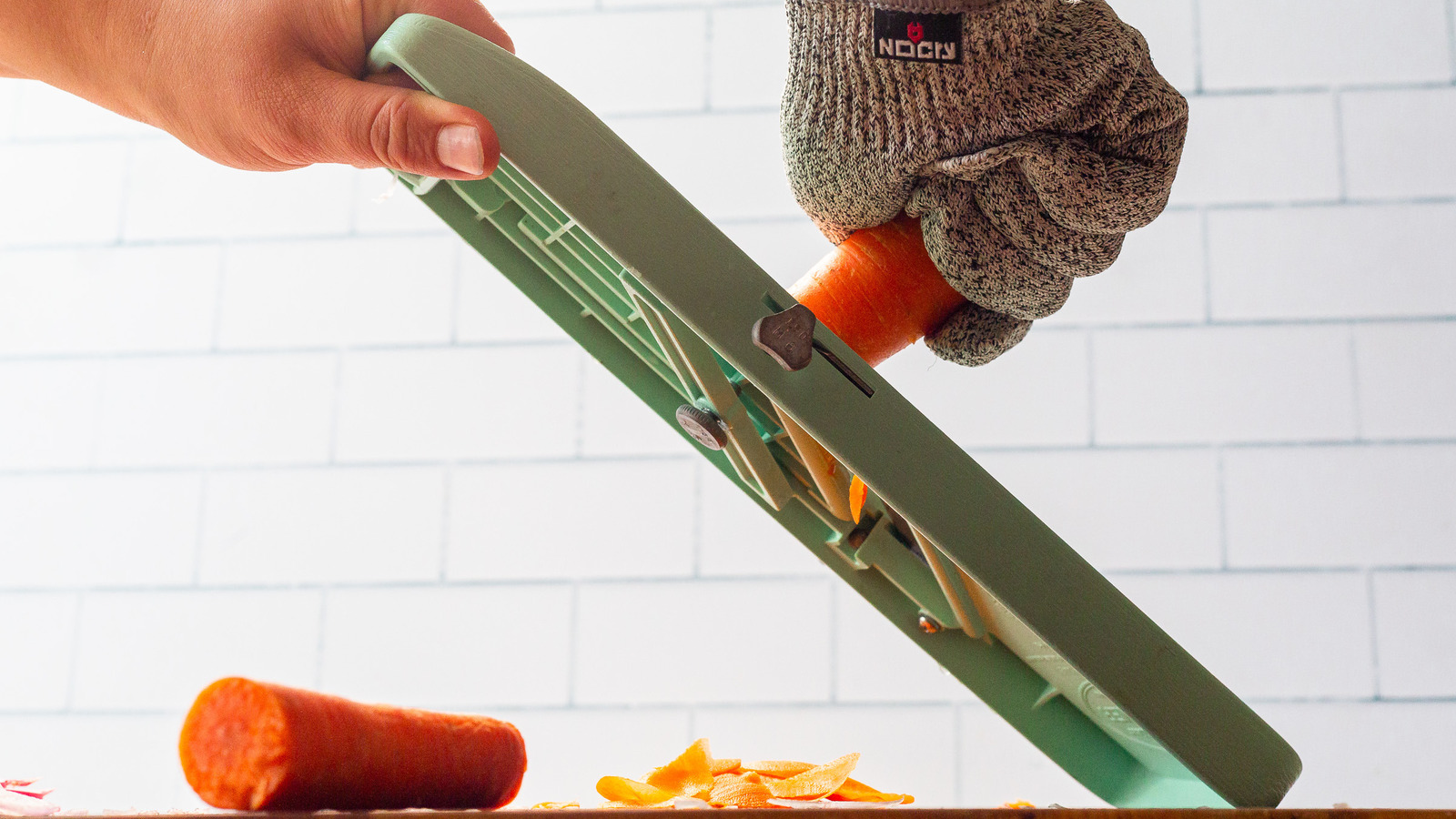
Credit: www.chowhound.com
Choosing The Right Mandoline Slicer
A mandoline slicer helps cut fruits and vegetables evenly. Picking the right one makes slicing safe and easy.
There are many types of mandoline slicers. You should think about your needs before buying.
Blade Types
Mandoline slicers have different blades. Some blades are straight, while others are serrated or julienne.
- Straight blades give smooth, thin slices.
- Serrated blades cut soft foods without crushing.
- Julienne blades make thin strips for salads or fries.
Adjustable Thickness
Look for a slicer with adjustable thickness settings. This lets you slice foods thin or thick.
- Thin slices are good for chips and garnishes.
- Medium slices work well for cooking.
- Thick slices are best for roasting or grilling.
Safety Features
A good mandoline slicer must have safety features. Look for hand guards and non-slip bases.
| Safety Feature | Benefit |
|---|---|
| Hand Guard | Protects fingers while slicing |
| Non-slip Base | Keeps slicer steady on surfaces |
| Blade Cover | Prevents cuts when not in use |
Regular Cleaning Routine
Keeping your mandoline slicer clean is important for safety and performance. Regular cleaning stops food bits from building up and keeps blades sharp.
A good cleaning routine helps your slicer last longer. It also keeps your food fresh and free from germs.
Rinsing After Each Use
Rinse your mandoline slicer right after using it. This removes leftover food before it dries and sticks.
Use warm water to wash off all parts, especially the blades and the surface where food touches.
- Hold the slicer under running water
- Use a soft brush for tight spots
- Be careful around sharp blades
- Dry with a clean cloth or let air dry
Deep Cleaning Techniques
Deep cleaning your mandoline slicer should happen regularly. This removes hidden dirt and keeps it safe to use.
Take apart removable parts before cleaning. Use mild soap and warm water for washing each piece.
- Disassemble slicer parts carefully
- Soak parts in warm, soapy water for 10 minutes
- Use a soft brush to clean blades and crevices
- Rinse all parts well with clean water
- Dry completely before putting back together
Proper Storage Solutions
Keeping your mandoline slicer safe and clean helps it last longer. Proper storage stops damage and keeps blades sharp.
Use the right methods to store your slicer. This prevents accidents and makes it easy to find when needed.
Using Protective Covers
Always cover the blades after cleaning. This protects the sharp edges and your fingers from cuts.
- Use the blade guard that came with the slicer.
- Store the slicer with the cover on at all times.
- Replace worn or missing covers immediately.
- Clean the cover regularly to avoid dirt build-up.
Safe Placement In Kitchen
Place your mandoline slicer in a dry, safe spot. Keep it away from children and heavy kitchen traffic.
| Storage Location | Reason |
| High shelf or cabinet | Keeps out of children’s reach |
| Drawer with dividers | Prevents blade damage and easy access |
| Dedicated kitchen tool box | Organizes and protects the slicer |
| Dry area | Prevents rust and mold |

Credit: chefsupplyco.com.au
Blade Maintenance Tips
Keeping your mandoline slicer blades sharp is key for safe and efficient slicing. Dull blades can cause accidents and uneven cuts.
Regular maintenance helps the blades last longer and keeps your food preparation smooth and quick.
Sharpening Methods
Sharpen your mandoline slicer blades carefully to keep them sharp and safe. Use fine sharpening tools made for small blades.
Sharpen slowly with even strokes. Avoid pressing too hard to keep the blade’s shape intact.
- Use a ceramic sharpening rod for light sharpening
- Apply gentle strokes along the blade edge
- Check the blade often to avoid over-sharpening
- Clean the blade after sharpening to remove metal dust
Avoiding Blade Damage
Protect your mandoline slicer blades by handling them with care. Avoid cutting hard or frozen items that can chip the blade.
Store the slicer safely to prevent the blade from hitting other objects. Use the blade guard or a cover if available.
- Do not use the blade on bones or hard seeds
- Always clean the blade with a soft cloth or brush
- Dry the blade thoroughly to prevent rust
- Keep the slicer in a dry place away from heavy objects
Handling With Care
A mandoline slicer is sharp and needs careful handling. Proper care keeps it safe and lasts longer.
Follow simple tips to use and clean your slicer safely. This prevents damage and injuries.
Safe Usage Practices
Always hold the slicer firmly on a flat surface. This stops it from slipping while slicing.
Use the hand guard or food holder to protect your fingers from the sharp blade.
- Keep your fingers away from the blade
- Slice slow and steady
- Do not use the slicer without the guard
- Check the blade is clean before use
Preventing Accidents
Store the mandoline slicer with the blade covered or folded. This lowers the risk of cuts.
Clean the slicer carefully using a brush, not your hands, to avoid blade contact.
- Keep the slicer out of reach of children
- Dry the slicer fully before storing
- Inspect the blade for damage before each use
- Wear cut-resistant gloves for extra safety
Regular Inspection
Regular inspection helps keep your mandoline slicer safe and working well. Checking it often stops problems before they start.
Look over all parts carefully. Catch any damage early to avoid injuries and bad slices.
Checking For Wear And Tear
Wear and tear happen from daily use. Blades may get dull and plastic parts can crack.
Inspect the blades and frame for cracks, rust, or dull edges. Check if the slicer moves smoothly without wobbling.
- Look for chips or nicks on the blade
- Check for cracks in plastic or metal parts
- Make sure all screws are tight
- Test if the blade locks firmly in place
Replacing Worn Parts
Replace worn parts quickly to keep the slicer safe. Old blades can cut unevenly or cause accidents.
Buy replacement blades or parts from trusted sources. Follow the instructions to fit them properly.
- Remove dull or damaged blades carefully
- Install new blades with the right tools
- Check that all new parts fit well and work smoothly
- Dispose of old blades safely to avoid injury
Materials And Compatibility
Maintaining a mandoline slicer depends on understanding its materials. Different parts are made from various materials that need special care.
Using the right foods with your slicer helps keep it sharp and safe. Learn which foods work best with your slicer’s materials.
Understanding Material Types
Mandoline slicers often use stainless steel, plastic, and sometimes ceramic blades. Each material needs different cleaning and storage care.
Stainless steel blades are strong and resist rust. Plastic parts are light but can crack if handled roughly. Ceramic blades stay sharp but break easily.
- Stainless steel: durable and rust-resistant
- Plastic: lightweight but less durable
- Ceramic: very sharp but fragile
Using Compatible Foods
Soft foods like cucumbers and tomatoes work well with most slicers. Hard foods may damage blades or parts if not suitable.
Avoid slicing very hard items like frozen vegetables or bones. These can dull or break the blades quickly.
- Use soft to medium-hard foods for best results
- Avoid bones, frozen foods, and very hard vegetables
- Cut large items into smaller pieces before slicing

Credit: www.yahoo.com
Frequently Asked Questions
How Do I Clean A Mandoline Slicer Safely?
To clean a mandoline slicer safely, disassemble its parts first. Use warm, soapy water and a soft brush. Avoid harsh scrubbing to protect the blades. Dry thoroughly before storing to prevent rust and maintain sharpness.
How Often Should I Sharpen Mandoline Slicer Blades?
Sharpen mandoline blades whenever slicing becomes uneven or dull. Regular inspection helps identify dullness early. Use a sharpening stone or professional service. Keeping blades sharp ensures safe and efficient slicing.
Can I Wash A Mandoline Slicer In A Dishwasher?
Most mandoline slicers are not dishwasher safe due to sharp blades and delicate parts. Hand wash with care to avoid damage. Always check the manufacturer’s instructions to confirm cleaning guidelines.
What Is The Best Way To Store A Mandoline Slicer?
Store the mandoline slicer in a dry place with blade guards on. Keep it away from moisture to prevent rust. Use the original box or a protective cover for added safety and durability.
Conclusion
Keeping your mandoline slicer clean and sharp extends its life. Always handle blades carefully to stay safe. Store the slicer in a dry place to avoid rust. Regular checks help you spot any damage early. Following these simple tips keeps your slicer ready for use.
Enjoy smooth, even slices every time you cook. Small habits make a big difference in maintenance. Your mandoline slicer will serve you well for years. Easy care ensures better food prep and less hassle. Take a moment after each use to clean and dry.
Simple steps lead to lasting kitchen tools and happy cooking.