
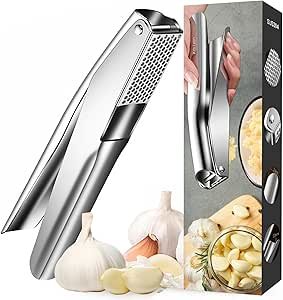
If you love cooking with fresh garlic, you know how handy a garlic press can be. But have you ever struggled with a sticky, clogged press or noticed it losing its sharpness?
Taking care of your garlic press doesn’t have to be a hassle. With a few simple tips, you can keep it working smoothly and make your kitchen time easier and more enjoyable. Keep reading, and you’ll discover easy ways to maintain your garlic press so it stays in top shape for every meal you create.

Credit: www.amazon.in
Choosing The Right Garlic Press
Picking the right garlic press makes cooking easier. A good press saves time and effort.
Think about size, material, and ease of cleaning before buying one.
Consider The Material
Garlic presses come in different materials like stainless steel and plastic. Stainless steel lasts longer and resists rust.
Plastic presses are lighter but may break easily. Choose a material that fits your kitchen use.
Check The Size And Comfort
Pick a garlic press that fits your hand well. A comfortable grip helps press garlic with less force.
Make sure the size works for your kitchen storage and the amount of garlic you use.
Look For Easy Cleaning Features
Choose a garlic press that is easy to clean. Some presses have removable parts or dishwasher safe design.
- Removable plates help clear stuck garlic bits
- Dishwasher safe materials save cleaning time
- Smooth surfaces prevent garlic from sticking
Credit: www.lemon8-app.com
Cleaning Techniques
Keeping your garlic press clean helps it work better and last longer. Dirt and garlic bits can get stuck in small holes.
Using the right cleaning methods makes it easy to remove residue and keep your tool ready for use.
Immediate Rinse
Rinse your garlic press right after using it. This stops garlic from drying and sticking.
Use warm water and shake off any leftover bits. This simple step saves time later.
Soaking For Stubborn Residue
If garlic bits stay stuck, soak the press in warm water. Add a little dish soap to help break down the residue.
Let it soak for 10 to 15 minutes. This softens the garlic and makes cleaning easier.
- Use warm water
- Add mild dish soap
- Soak for 10–15 minutes
Using A Toothbrush For Crevices
Garlic presses have small holes and tight spots. A toothbrush helps clean these hard areas.
Use a soft toothbrush to scrub inside holes and corners. This removes hidden garlic pieces.
- Choose a soft-bristled toothbrush
- Scrub holes and edges gently
- Rinse after brushing
Drying And Storage
Keeping your garlic press dry is important to stop rust. Proper storage also helps it last longer. Both drying and storing need care.
Learn simple ways to dry and store your garlic press well. This will protect its metal and keep it clean.
Air Drying Vs. Towel Drying
Air drying lets water evaporate naturally from the garlic press. It takes more time but is gentle on the metal.
Towel drying uses a cloth to wipe the press dry fast. It stops water from sitting on the surface.
- Air drying is gentle but slower
- Towel drying is quick but needs a clean cloth
- Both methods reduce moisture that causes rust
Proper Storage To Prevent Rust
Store your garlic press in a dry place to avoid rust. Avoid damp drawers or spots near the sink.
Using a small box or hanging the press can keep it safe and dry. Air flow helps stop moisture build-up.
- Keep it away from water and humidity
- Use a kitchen drawer with good ventilation
- Store in a box or hang on a hook
- Check regularly for any signs of rust
Avoiding Common Mistakes
Using a garlic press is simple, but mistakes can damage it. Avoiding these errors keeps your tool working well.
Learn how to care for your garlic press by preventing overloading and avoiding dishwashers.
Preventing Overloading
Do not put too much garlic in the press at once. Overloading can break or bend the tool.
- Press small garlic cloves one at a time.
- Cut large cloves into smaller pieces before pressing.
- Clean the holes after each use to avoid clogging.
- Use gentle, even pressure when pressing garlic.
Avoiding Dishwashers
Do not wash your garlic press in a dishwasher. The heat and detergent can cause damage.
| Problem | Effect |
| Dishwasher Heat | Can warp or weaken metal parts |
| Strong Detergents | May corrode or dull the finish |
| Sharp Utensils | Can scratch or dent the surface |
Regular Maintenance
Keeping your garlic press in good shape helps it last longer. Regular care stops problems before they start.
Simple steps like cleaning and checking parts keep your press working well. This guide covers key maintenance tips.
Inspecting For Wear And Tear
Look over your garlic press often to find any damage. Check the handles, hinges, and pressing plate.
Small cracks or bends can make pressing garlic hard. Catch these early to fix or replace parts.
- Check for cracks on handles
- Look for bent or loose pressing plates
- Test if hinges move smoothly
- Notice any rust or corrosion
Lubricating Moving Parts
Apply a little food-safe oil on the hinges and joints. This helps them move easily and stops squeaking.
Wipe off extra oil to avoid sticky spots. Lubricate your press every few uses to keep it smooth.
Eco-friendly Cleaning Alternatives
Keeping your garlic press clean helps it work better and last longer. Using eco-friendly methods protects the environment and your health. These natural options avoid harsh chemicals and still remove dirt and smells well.
Try these simple cleaning ideas to keep your garlic press fresh and ready to use without harming the planet.
Using Vinegar Solutions
Vinegar is a natural cleaner that breaks down stuck garlic bits and removes odors. Mix equal parts white vinegar and water in a bowl. Soak the garlic press for about 10 minutes to loosen dirt.
- Rinse the press under warm water after soaking.
- Use a soft brush or toothbrush to scrub holes and crevices.
- Dry the press completely to prevent rust.
- Repeat once a week for best results.
Baking Soda Paste
Baking soda works as a gentle scrub to clean your garlic press without scratching. Make a thick paste by mixing baking soda with a little water. Apply the paste on the press and scrub with a brush or sponge.
| Cleaning Step | Details |
| Make Paste | Mix 2 tablespoons baking soda with 1 tablespoon water |
| Apply | Spread paste on the garlic press surfaces |
| Scrub | Use a soft brush to clean hard-to-reach holes |
| Rinse | Wash with warm water until all paste is gone |
| Dry | Wipe with a clean cloth or air dry fully |
When To Replace Your Garlic Press
Garlic presses make cooking easier by crushing garlic quickly. But they can wear out over time.
It is important to know when to replace your garlic press. This keeps your kitchen tools efficient and safe.
Rust And Corrosion
Rust can form if your garlic press is made of metal and is not dried properly. Corrosion weakens the press.
Using a rusty garlic press can be unsafe and affect garlic taste. Replace it if rust cannot be cleaned.
Broken Or Bent Parts
Cracks or bends in the press handle or chamber reduce its function. Pressing garlic becomes harder or impossible.
If the press does not close properly or feels loose, it is time to replace it.
Clogging And Difficulty Cleaning
Some garlic presses get clogged easily and are hard to clean. Old designs may trap garlic bits inside.
If cleaning is difficult and garlic stays stuck, replacing the press will save time and effort.
Loss Of Efficiency
A worn garlic press may crush garlic unevenly or leave large pieces behind. It wastes garlic and effort.
When you notice less garlic is crushed each time, consider buying a new press for better results.

Credit: saurabhchharia.com
Frequently Asked Questions
How Do I Clean A Garlic Press Effectively?
Rinse the garlic press immediately after use to prevent residue buildup. Use a small brush or toothpick to remove garlic bits from holes. Wash with warm, soapy water and dry thoroughly to avoid rust and maintain hygiene.
Can I Put My Garlic Press In The Dishwasher?
Many garlic presses are dishwasher safe, but always check manufacturer instructions first. Hand washing is gentler and prolongs the tool’s lifespan by preventing corrosion and damage to delicate parts.
What’s The Best Way To Prevent Garlic Press Clogging?
Press peeled garlic cloves gently and avoid overloading the chamber. Clean the press right after use to remove any stuck garlic. Regular maintenance prevents clogging and keeps your garlic press working smoothly.
How Often Should I Oil My Garlic Press?
Oil your garlic press once a month if made of metal. Use food-safe mineral oil to prevent rust and ensure smooth operation. Regular oiling extends the tool’s life and maintains its performance.
Conclusion
Keeping your garlic press clean helps it last longer and work better. Wash it soon after use to stop garlic from sticking. Use a brush or toothpick to clear small holes easily. Dry it well to avoid rust and damage.
Regular care saves money by preventing the need to buy a new one. Enjoy fresh garlic flavor in your meals with a well-kept tool. Simple steps make a big difference in your kitchen routine. Take care, and your garlic press will serve you well for years.