
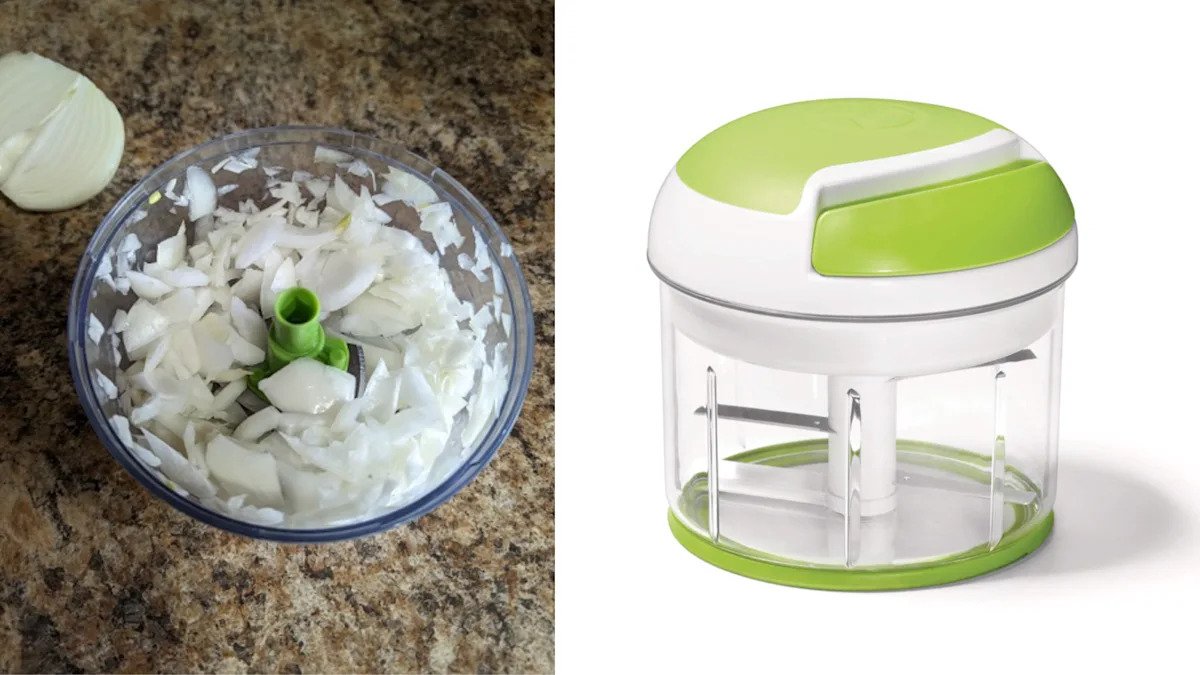
If you use a food chopper regularly, you know how handy it is for quick meal prep. But are you sure you’re taking the right steps to keep it working like new?
Your food chopper can lose its sharpness, get clogged, or even break down if not cared for properly. The good news is, with a few simple tips, you can keep your chopper in top shape and save time and money in the long run.
Keep reading to discover easy ways to maintain your food chopper and make it last longer than you ever expected.

Credit: salter.com
Importance Of Regular Maintenance
Keeping your food chopper clean and well-maintained helps it work better. Regular care stops damage and makes it last longer.
Good maintenance also keeps your food safe by avoiding germs and bad smells. It saves money on repairs and replacements.
Clean After Every Use
Wash the blades and bowl right after chopping food. Food bits can stick and cause bacteria to grow.
Use warm water and mild soap to clean. Dry all parts well before storing to stop rust and mold.
Check Blades For Sharpness
Dull blades chop food poorly and strain the motor. Check blades often to keep them sharp and safe.
Replace blades if they become bent or very dull. Sharp blades make chopping faster and easier.
Inspect And Clean The Motor Base
Food choppers have motors that need care too. Wipe the motor base with a dry cloth to remove dust and crumbs.
Never submerge the motor base in water. Keep it dry to avoid electrical problems and damage.
Store Properly To Avoid Damage
Store the chopper in a dry, cool place. Avoid places with high heat or moisture that can damage parts.
- Keep the blades covered or in a safe place
- Do not store with heavy items on top
- Make sure all parts are dry before storage
Follow Manufacturer’s Instructions
Read the user manual for specific care tips. Each chopper may have different parts and cleaning needs.
Use only recommended tools and cleaners. This keeps the warranty valid and the chopper working well.
Cleaning After Each Use
Cleaning your food chopper after every use keeps it working well. It stops old food from sticking and smelling bad.
Regular cleaning also helps avoid bacteria growth. It makes your chopper safe for the next meal.
Removing Residue
Remove all food bits from the blades and bowl right after use. Use a soft brush or cloth to clean hard-to-reach places.
Be careful with the blades; they are sharp. Rinse parts under warm water to wash away leftover food.
- Disassemble the chopper carefully
- Use a soft brush for stuck food
- Rinse parts with warm water
- Dry parts fully before reassembling
Safe Dishwasher Practices
Check the manufacturer’s guide before using a dishwasher. Some parts may not be dishwasher safe.
Place smaller parts on the top rack to avoid damage. Avoid putting sharp blades near other dishes.
- Use the top rack for small parts
- Avoid dishwasher for sharp blades if not recommended
- Use gentle cycle to protect parts
- Remove parts promptly after washing
Proper Storage Techniques
Keeping your food chopper stored properly helps it last longer. It also keeps it safe from damage.
Good storage stops dirt and moisture from causing problems. It also keeps the blades sharp and clean.
Avoiding Moisture
Moisture can cause rust on metal parts and damage the motor. Always dry your food chopper after use.
Store it in a dry place away from sinks or damp areas. This keeps moisture from building up inside.
- Wipe the chopper with a dry cloth before storing
- Keep it in a well-ventilated area
- Do not store near water sources
Using Protective Covers
Protective covers keep dust and dirt off your food chopper. They also prevent accidental cuts from the blades.
Use the cover made for your chopper or a clean cloth. Cover it fully to keep it safe during storage.
- Use original plastic or fabric covers
- Choose covers that fit well and fully enclose the chopper
- Clean covers regularly to avoid dust buildup
Sharpening The Blades
Keeping the blades of your food chopper sharp is important for safe and efficient chopping. Sharp blades cut food quickly and prevent damage to the machine.
Dull blades can crush food instead of slicing it. You can sharpen blades manually or use a blade sharpener for a quick fix.
Manual Sharpening Methods
You can sharpen blades by hand with a sharpening stone or a file. This method takes time but lets you control the blade angle.
First, clean the blades carefully. Hold the blade steady and slide the stone along the edge. Repeat on both sides to keep the blade balanced.
- Use a sharpening stone with coarse and fine sides
- Hold the blade at a 20-degree angle
- Move the stone from the base to the tip
- Sharpen both sides evenly
- Wipe blades clean after sharpening
Using A Blade Sharpener
Blade sharpeners are tools made to fit the shape of food chopper blades. They make sharpening faster and easier than manual methods.
Simply place the blade inside the sharpener and pull it through a few times. This smooths out dull edges and restores sharpness quickly.
- Choose a sharpener that fits your blade size
- Pull the blade through slowly and evenly
- Repeat 3-5 times for best results
- Clean the blade after sharpening
Lubricating Moving Parts
Lubricating the moving parts of your food chopper keeps it working smoothly. It helps reduce noise and wear.
Regular lubrication makes your food chopper last longer and perform better.
Choosing The Right Lubricant
Pick a lubricant safe for kitchen tools. It should not harm food or plastic parts.
Look for food-grade lubricants. These are made to work with appliances that touch food.
- Use silicone-based lubricants for plastic parts
- Choose mineral oil for metal moving parts
- Avoid petroleum-based lubricants that may be toxic
- Check the product label for food safety certification
Application Techniques
Clean parts before applying lubricant. This removes dust and old grease.
Apply a small amount of lubricant to the moving joints and gears. Too much can attract dirt.
- Use a small brush or cloth to spread lubricant evenly
- Wipe off extra lubricant to prevent buildup
- Operate the chopper a few times to spread lubricant inside
- Lubricate regularly, depending on how often you use the chopper
Inspecting For Wear And Tear
Regular checks help keep your food chopper working well. Look for signs of wear and tear often.
Inspecting parts early can prevent bigger problems and keep your chopper safe to use.
Identifying Signs Of Damage
Check blades for dullness or chips. Sharp blades cut food better and safer.
Look at the container and lid for cracks or breaks. Damaged parts can cause leaks or accidents.
- Blades that do not cut smoothly
- Cracks in the plastic container or lid
- Loose or wobbly parts
- Unusual noises during operation
When To Replace Parts
Replace blades if they are dull or chipped. Sharp blades improve performance and safety.
Change containers or lids if cracked or broken. Broken parts can cause spills and injuries.
- Blades with visible damage or dullness
- Containers with cracks or leaks
- Lids that do not seal properly
- Parts that are loose or hard to fix
Handling With Care
Taking good care of your food chopper helps it last longer. Proper handling keeps it safe and working well.
Small actions can protect your chopper from damage. Learn how to handle it with care for best results.
Safe Usage Tips
Use your food chopper on a flat, stable surface. This prevents it from slipping or tipping during use.
Always follow the instructions for assembly and cleaning. Proper setup avoids damage and keeps it working well.
- Do not overload the chopper with too much food.
- Use the chopper only for its intended purpose.
- Keep hands and fingers clear of blades while operating.
Avoiding Dropping Or Mishandling
Hold the food chopper firmly to avoid dropping it. Dropping can break parts or dull the blades.
Store the chopper in a safe place away from edges. Avoid stacking heavy items on top of it.
- Use both hands when moving a full chopper.
- Do not swing or toss the chopper around.
- Keep it away from children’s reach to prevent accidents.

Credit: wiproappliances.com

Credit: www.foodequipment.com.au
Frequently Asked Questions
How Often Should I Clean My Food Chopper?
Clean your food chopper after every use to avoid food residue buildup. Regular cleaning prevents odors and maintains performance. Use warm, soapy water and dry all parts thoroughly before reassembling.
What Is The Best Way To Sharpen Food Chopper Blades?
Sharpen blades using a specialized blade sharpener or professional service. Dull blades reduce efficiency and strain the motor. Regular sharpening ensures smooth chopping and extends blade life.
Can I Put Food Chopper Parts In The Dishwasher?
Most detachable parts are dishwasher-safe, but always check the manual. Place blades and bowls on the top rack to avoid damage. Hand wash the motor base to protect electrical components.
How Do I Prevent My Food Chopper From Overheating?
Avoid running the chopper continuously for more than one minute. Allow the motor to cool down between uses. Overheating can damage the motor and reduce the device’s lifespan.
Conclusion
Keeping your food chopper clean and sharp extends its life. Regular washing stops food buildup and keeps blades safe. Always dry parts fully to avoid rust or damage. Store the chopper in a dry place, away from moisture. Small efforts each day make a big difference.
Enjoy fresh, easy chopping every time you cook. Simple care helps your tool work like new. Ready to chop with ease? Maintain your food chopper well for best results.