
Your cutting board is one of the most important tools in your kitchen. But if you don’t take care of it properly, it can quickly become worn out, stained, or even unsafe to use.
You might not realize it, but how you maintain your cutting board affects the taste of your food and your health. Want to keep your cutting board looking fresh and working well for years? Keep reading—these simple tips will help you protect your board and make your cooking experience better every time.
Credit: www.souschef.co.uk
Choosing The Right Cutting Board
Picking the right cutting board helps keep your kitchen clean and safe. It also protects your knives and makes cooking easier.
There are many types of cutting boards. To choose well, think about the material, size, and thickness.
Material Matters
Cutting boards come in wood, plastic, bamboo, and more. Each type has good and bad points.
- Wood:Gentle on knives and lasts long. Needs more care to avoid cracks.
- Plastic:Easy to clean and dishwasher safe. Can get scratches and wear out faster.
- Bamboo:Hard and eco-friendly. It can dull knives quicker than wood.
- Glass or Marble:Very hard but can damage knives. Not the best for daily use.
Size And Thickness
Choose a board size that fits your kitchen space and cooking needs. Thickness affects durability and stability.
| Size | Best Use | Notes |
| Small (8×10 inches) | Quick tasks, small kitchens | Easy to store but limited space |
| Medium (12×18 inches) | Most cooking tasks | Good balance of space and storage |
| Large (18×24 inches) | Big meals, multiple ingredients | Takes more space, heavy to move |
| Thickness 0.5-1 inch | Light and easy to handle | May warp or crack faster |
| Thickness 1-2 inches | Durable and stable | Heavier but lasts longer |
Cleaning Techniques
Keeping your cutting board clean is key to food safety. Proper cleaning stops bacteria and keeps your board in good shape.
Use the right methods daily and occasionally deep clean to protect your cutting board’s surface and hygiene.
Daily Cleaning Routine
After each use, wash your cutting board with warm, soapy water. Rinse well and dry it completely with a clean towel.
- Use a sponge or brush to scrub the surface
- Rinse the board under running water
- Dry the board immediately to prevent warping
- Store the board in a dry place upright
Deep Cleaning Solutions
Deep cleaning removes stubborn stains and kills hidden germs. Use natural solutions for a safe clean.
| Cleaning Solution | How to Use |
| White Vinegar | Spray on board, let sit 5 minutes, then rinse |
| Baking Soda Paste | Mix with water, scrub the board, rinse well |
| Lemon and Salt | Rub cut lemon dipped in salt on surface, rinse |
| Hydrogen Peroxide | Apply and let sit 10 minutes, then rinse thoroughly |
Preventing Odors And Stains
Cutting boards can hold smells and stains from food. Keeping them clean helps your kitchen stay fresh.
Use simple tips to stop bad odors and remove marks. This keeps your cutting board looking and smelling good.
Natural Deodorizing Methods
Baking soda and lemon are great for removing smells from cutting boards. They work without harsh chemicals.
Rub lemon juice on the board, then sprinkle baking soda. Let it sit for a few minutes before rinsing.
- Cut a lemon in half and squeeze juice on the board
- Sprinkle baking soda over the lemon juice
- Scrub gently with the lemon halves
- Let it rest for 5 minutes
- Rinse with warm water and dry well
Stain Removal Hacks
To remove stains, use salt and white vinegar. These ingredients lift marks without damaging wood.
Sprinkle salt on the board, then pour vinegar on top. Scrub and let it sit before washing off.
- Cover stained area with coarse salt
- Pour white vinegar over the salt
- Scrub the board using a clean cloth or brush
- Allow it to sit for 10 minutes
- Rinse with warm water and dry immediately

Credit: www.woodcuttingboardstore.com
Regular Maintenance Tips
Keeping your cutting board in good shape makes it last longer. Regular care stops damage and keeps it safe for food.
Follow simple steps to protect your cutting board from wear and tear. This helps keep it smooth and clean.
Oiling The Board
Oiling your cutting board prevents it from drying out and cracking. Use food-safe mineral oil or a special board oil.
- Apply oil evenly on all surfaces of the board.
- Use a clean cloth to rub the oil in gently.
- Let the oil soak for several hours or overnight.
- Wipe off any extra oil before using the board.
- Oil the board once a month or when it looks dry.
Avoiding Cracks And Warps
Cracks and warps happen when the board gets too wet or dries too fast. Proper care keeps it flat and strong.
| Cause | Prevention |
| Soaking in water | Wash quickly and dry right away |
| Leaving in direct sun | Store in a cool, dry place |
| Uneven drying | Dry flat on both sides |
| Using harsh detergents | Clean with mild soap only |
Storage Best Practices
Keeping your cutting board clean and dry is important. Proper storage helps it last longer.
Storing your board correctly stops damage and prevents germs from growing.
Proper Drying Techniques
Always dry your cutting board fully after washing. Moisture can cause warping and mold.
- Wipe off extra water with a clean towel.
- Stand the board on its edge to air dry.
- Avoid laying it flat on a wet surface.
- Do not leave it in direct sunlight for too long.
Safe Storage Locations
Choose a dry, clean place for your cutting board. Avoid damp or crowded areas.
| Storage Spot | Why It Works |
| Vertical rack | Allows air flow and keeps board dry |
| Open shelf | Prevents moisture buildup |
| Cabinet with good ventilation | Keeps dust out but allows air |
| Separate drawer | Avoids contact with raw food or wet items |
Avoiding Common Mistakes
Keeping your cutting board in good shape helps food stay safe. Many people make simple mistakes that damage the board or spread germs. Learning the right care will keep your board clean and useful for longer.
This guide covers two key areas: knife safety and care, plus handling different food types. Follow these tips to avoid common cutting board problems.
Knife Safety And Care
Using the right knife and handling it properly protects your cutting board. Dull or wrong knives can leave deep cuts and damage the surface.
- Always use a sharp knife to reduce slipping and damage.
- Cut with smooth, controlled motions to avoid gouging the board.
- Avoid chopping bones or frozen food on wooden boards to prevent cracks.
- Clean knives before use to avoid staining the board.
- Store knives safely to prevent accidental nicks on the board.
Handling Different Food Types
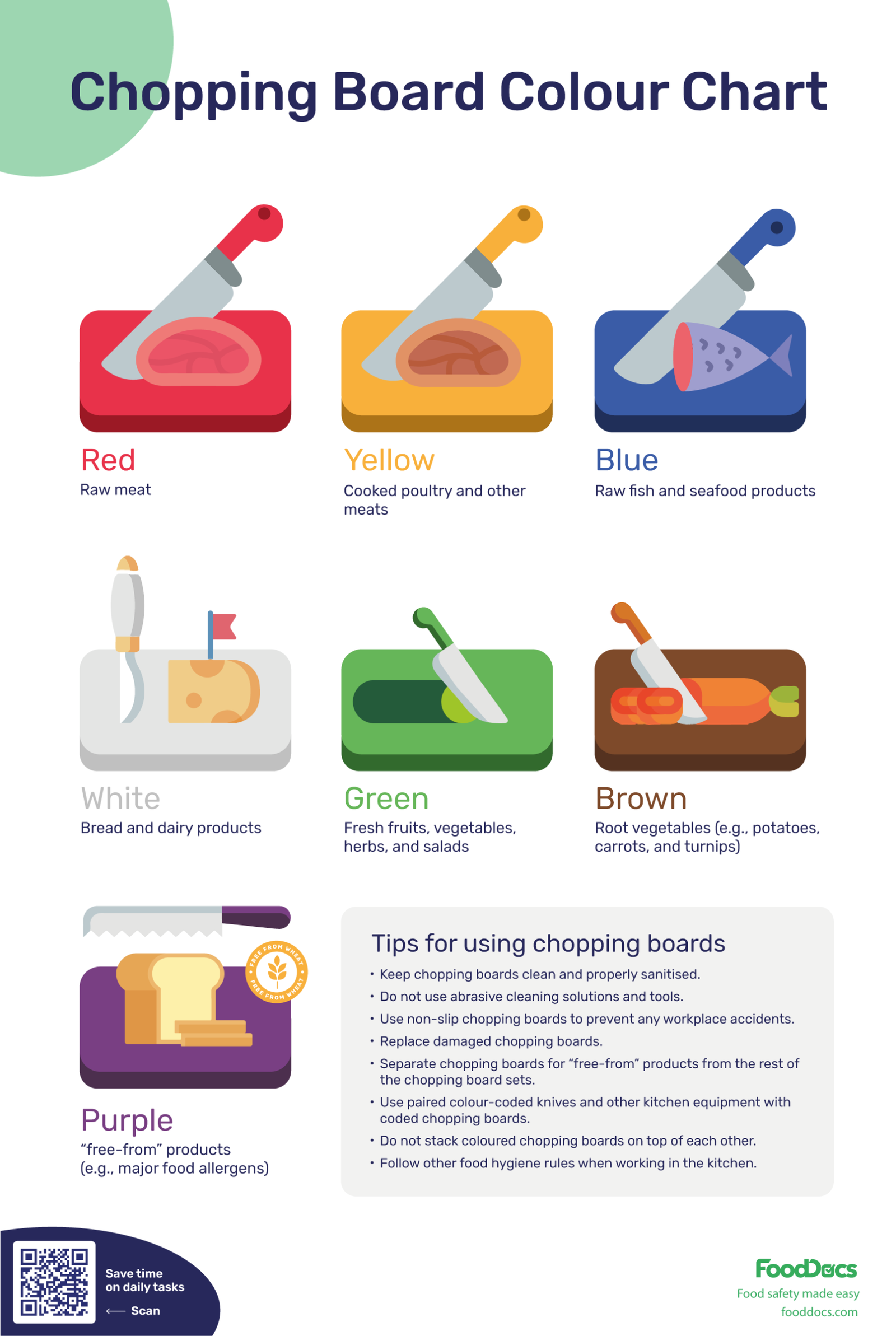
Cross-contamination happens when raw and cooked foods share the same board. Keep foods separate to protect your health and your cutting board.
| Food Type | Recommended Board Type | Cleaning Tip |
|---|---|---|
| Raw Meat | Plastic or non-porous board | Wash with hot, soapy water immediately |
| Vegetables and Fruits | Wooden or bamboo board | Rinse and dry fully after use |
| Cooked Food | Separate board for cooked items | Clean to avoid germs from raw foods |
When To Replace Your Cutting Board
Cutting boards need regular care to stay safe and useful. Knowing when to replace your board helps keep your kitchen clean.
Old or damaged boards can cause health risks. Look for signs that show your board is no longer good to use.
Signs Of Wear And Tear
Cutting boards get damaged over time. Watch for these signs to know if it is time to replace yours.
- Deep grooves or cracks that trap food
- Warping or bending of the board
- Excessive knife marks that cannot be sanded out
- Discoloration or stains that do not wash away
- Foul or persistent odors
Health And Safety Considerations
Using a damaged cutting board may cause bacteria to grow. This can make food unsafe to eat.
| Risk | Cause | Effect |
| Bacterial Growth | Cracks and grooves trap bacteria | Food contamination |
| Cross-contamination | Improper cleaning due to damage | Spread of germs |
| Physical Injury | Warped or unstable board | Knife slips during cutting |

Credit: menwiththepot.com
Frequently Asked Questions
How Often Should I Clean My Cutting Board?
Clean your cutting board after every use with hot, soapy water. This removes food particles and bacteria. For deeper cleaning, use a vinegar solution or baking soda paste weekly. Proper cleaning prevents cross-contamination and prolongs your board’s life.
What Is The Best Way To Oil A Cutting Board?
Use food-grade mineral oil to oil your cutting board. Apply a generous amount with a clean cloth and let it soak overnight. Oil your board once a month or when it looks dry. This prevents cracking and keeps the wood hydrated.
Can I Put My Cutting Board In The Dishwasher?
Avoid putting wooden cutting boards in the dishwasher. The heat and water can warp and crack the wood. Instead, hand wash with mild soap and water. Dry it immediately to maintain its shape and hygiene.
How Do I Remove Stains And Odors From Cutting Boards?
Sprinkle coarse salt and rub with half a lemon to remove stains and odors. Let it sit for 5 minutes, then rinse with warm water. This natural method refreshes your board without harsh chemicals, ensuring it smells clean and looks fresh.
Conclusion
Taking care of your cutting board helps it last longer. Clean it well after each use to avoid germs. Oil wooden boards often to keep them from drying out. Avoid soaking boards in water to prevent cracks. Keep boards dry and store them in a cool place.
Small steps make a big difference. A well-maintained board stays safe and looks good. Your kitchen work becomes easier and more enjoyable. Simple care keeps your cutting board ready for every meal.