
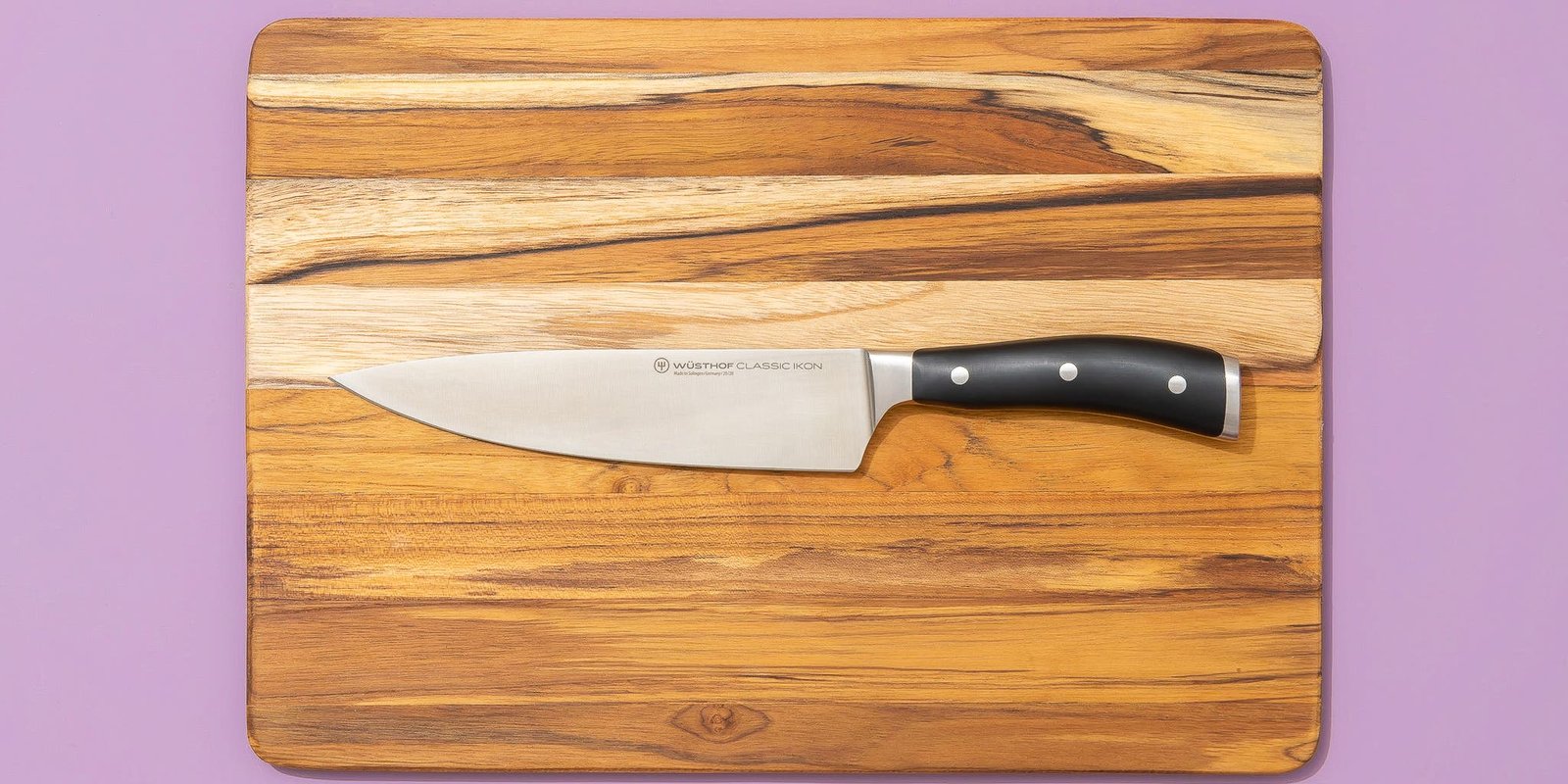
Your chef knife is more than just a kitchen tool—it’s your secret weapon for slicing, dicing, and chopping with ease. But if you don’t take good care of it, your trusty blade can quickly lose its sharpness and precision.
Imagine struggling with a dull knife or even damaging your favorite kitchen companion. Wouldn’t you want to keep it in top shape for every meal you prepare? You’ll discover simple, effective tips to maintain your chef knife like a pro.
Keep reading, and your knife will stay sharp, safe, and ready for anything you cook next.
Choosing The Right Knife
Choosing the right chef knife is important for cooking well and safely. The right knife makes cutting easier and more precise.
Think about the knife’s material, weight, and balance before buying. These factors affect comfort and performance.
Understanding Knife Materials
Knife blades come in different materials like stainless steel or carbon steel. Each type has benefits and drawbacks.
Stainless steel resists rust and is easy to clean. Carbon steel holds a sharp edge longer but needs more care to avoid rust.
- Stainless steel: durable and low maintenance
- Carbon steel: sharp and easy to sharpen
- Ceramic: very sharp but can chip easily
Importance Of Weight And Balance
Weight affects how the knife feels in your hand. A heavy knife can cut through tough foods easily.
Balance means how the weight is spread between the blade and handle. A well-balanced knife feels steady and comfortable.
- Heavy knives help with hard cutting tasks
- Light knives offer more control and speed
- Good balance reduces hand fatigue
Proper Cleaning Techniques
Keeping your chef knife clean is key to its performance. Dirt and food particles can damage the blade over time.
Using the right cleaning methods helps protect the knife’s sharpness and handle quality.
Hand Washing Vs. Dishwashing
Hand washing is the safest way to clean your chef knife. It prevents damage to the blade and handle.
Dishwashers can cause the blade to dull and the handle to crack. The high heat and strong detergents are harsh.
- Use warm water and mild soap for hand washing
- Gently scrub with a soft sponge or cloth
- Avoid steel wool or abrasive pads
- Never put the knife in the dishwasher
Drying And Storage
Dry your knife right after washing to stop rust from forming. Use a soft towel and wipe carefully.
Store knives safely to keep blades sharp and avoid accidents. Use a knife block, magnetic strip, or sheath.
- Dry the knife fully before storing
- Keep knives separate to avoid blade contact
- Store in a dry place to prevent moisture damage
- Use protective covers if storing in drawers
Sharpening And Honing
Keeping your chef knife sharp helps you cut food easily and safely. Sharpening and honing are two ways to care for your knife.
Sharpening fixes dull edges by removing metal. Honing straightens the blade without removing much metal.
Using A Whetstone
A whetstone is a flat stone used to sharpen knives. It removes small amounts of metal to form a new edge.
Use water or oil on the stone before sharpening. Hold the knife at a 15 to 20-degree angle and slide it across the stone evenly.
- Start with a coarse grit for dull blades
- Use a finer grit to polish the edge
- Sharpen both sides equally
- Clean the knife and stone after use
Benefits Of A Honing Rod
A honing rod helps keep the knife edge straight. It does not sharpen but fixes small bends in the blade.
Use the rod often to maintain sharpness. It helps the knife cut better and lasts longer between sharpenings.
- Hold the rod vertically on a stable surface
- Place the knife at a 15-degree angle to the rod
- Draw the blade down and across the rod
- Repeat on both sides of the blade

Credit: www.opinel-usa.com
Safe Cutting Practices
Using a chef knife safely helps prevent accidents. It also keeps the blade sharp longer.
Good cutting habits protect your hands and improve your cooking experience. Always follow safe practices.
Using The Right Cutting Board
Choose a cutting board made of wood or plastic. These materials are gentle on your knife.
Avoid glass or stone boards because they can dull your knife quickly. Wooden boards also prevent slipping.
- Wood boards absorb impact and protect the blade
- Plastic boards are easy to clean and safe
- Glass or stone boards damage the knife edge
- Use a damp cloth under the board to stop slipping
Avoiding Hard Surfaces
Cutting on hard surfaces like granite, ceramic, or metal can break your knife edge. Use softer surfaces instead.
Always cut on a board placed on a stable surface. This reduces the chance of slipping and injury.
- Never cut directly on counters or plates
- Keep your board clean and dry for safety
- Replace worn cutting boards to protect your knife
Avoiding Damage
Keeping your chef knife in good shape helps it last longer. Avoiding damage protects the blade and handle.
Simple care steps stop problems like rust and dullness. Handle your knife carefully to keep it sharp and safe.
Preventing Rust
Rust can ruin your knife’s blade. Keep your knife dry after washing to stop rust from forming.
Use a soft cloth to dry the blade. Do not leave knives in water or wet places for long times.
- Wash knives by hand only, not in the dishwasher
- Dry the blade immediately after washing
- Apply a thin layer of food-safe oil to the blade to protect it
- Store knives in a dry place
Storing Knives Safely
Proper storage stops knives from getting damaged or hurting someone. Avoid putting knives loose in drawers.
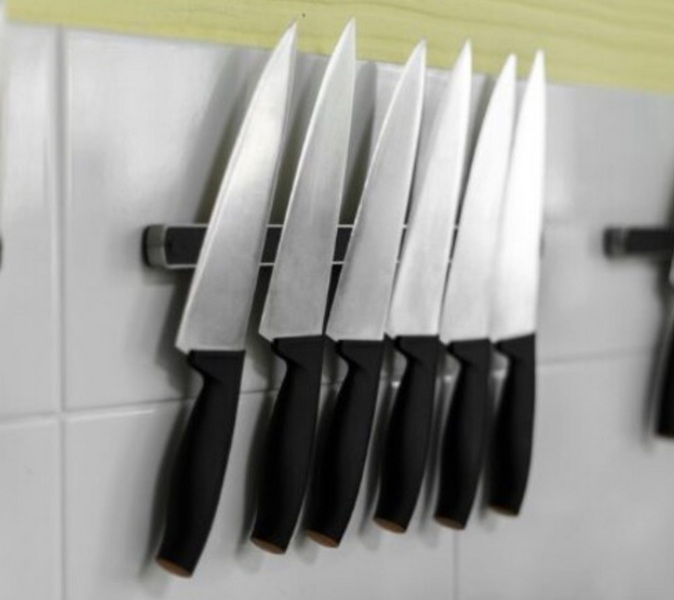
Use knife blocks, magnetic strips, or blade guards to keep knives safe. These methods protect the blade and your hands.
- Store knives upright in a knife block
- Use magnetic strips on walls to hold knives
- Cover blades with sheaths or guards when not in use
- Keep knives out of reach of children
Credit: www.saafiknife.com
Recognizing Signs Of Wear
Chef knives are important tools in the kitchen. Keeping them sharp and in good condition is key. Learning to spot signs of wear helps you know when to take care of your knife.
Worn knives can be unsafe and less effective. Watch for changes in the blade to keep your knife ready to use.
Identifying Dullness
A dull knife blade does not cut easily. It needs more force to slice through food. This can make cooking slower and more dangerous.
To test if your knife is dull, try slicing a tomato or paper. A sharp blade cuts smoothly. A dull one will tear or crush the surface.
- Blade slips or drags on food
- More pressure needed to cut
- Edges look rounded or shiny
Checking For Chips And Nicks
Chips and nicks are small breaks or dents on the blade edge. These can cause uneven cuts and damage food.
Look closely at the blade under good light. Run your finger carefully along the edge to feel for rough spots or missing pieces.
- Visible dents or cracks on the blade edge
- Blade edge feels uneven or rough
- Knife catches or snags while cutting
Professional Maintenance Options
Keeping a chef knife sharp and in good shape is important. Professional maintenance helps keep the blade strong and safe.
Experts use special tools and skills to sharpen and fix knives. This ensures the knife lasts longer and works better.
Benefits Of Professional Sharpening
Professional sharpening gives your knife a very sharp edge. This makes cutting easier and safer.
Experts remove less metal than home sharpening. This keeps the knife blade strong for a long time.
- Sharp blade improves cutting precision
- Longer knife life with less wear
- Safer to use with a sharp edge
- Restores the original blade angle
- Removes chips and damage smoothly
When To Seek Expert Help
Look for a professional if your knife is very dull or has chips. They can fix serious problems that home tools cannot.
If your knife feels uneven or hard to cut with, expert care can restore balance and sharpness.
- Blade is chipped or cracked
- Knife blade is very dull
- Edge angle is damaged
- Knife feels unbalanced or unsafe
- Home sharpening tools do not work well

Credit: imarku.net
Frequently Asked Questions
How Often Should I Sharpen My Chef Knife?
You should sharpen your chef knife every 1 to 3 months. Frequent sharpening keeps the blade sharp and efficient. Use a sharpening stone or professional service for best results.
What Is The Best Way To Clean A Chef Knife?
Always hand wash your chef knife with warm, soapy water. Avoid dishwashers as they can damage the blade and handle. Dry immediately to prevent rust and corrosion.
How Should I Store My Chef Knife Safely?
Store your chef knife in a knife block, magnetic strip, or blade guard. Proper storage prevents dulling and accidents. Avoid tossing it in drawers with other utensils.
Can I Use A Dishwasher For My Chef Knife?
No, dishwashers can damage the blade and handle of a chef knife. High heat and harsh detergents cause rust and dullness. Hand washing is recommended for longevity.
Conclusion
Keeping your chef knife sharp and clean helps it last longer. Store it safely to avoid damage and accidents. Regular sharpening keeps the blade strong and easy to use. Dry the knife well after washing to stop rust. Small habits make a big difference in your knife’s performance.
Follow these tips and enjoy cooking with a reliable tool every day. Taking care of your knife saves money and effort in the long run. Simple steps protect your investment and improve your kitchen work.