

Are you looking to give your kitchen a fresh, stylish look without a full renovation? Kitchen wall paneling could be the simple upgrade you need.
It’s an easy way to add texture, color, and personality to your space. But choosing the right panels and installing them correctly can feel overwhelming. Don’t worry—you’re in the right place. You’ll discover practical tips that make kitchen wall paneling easy, affordable, and beautiful.
Keep reading to transform your kitchen walls into a stunning focal point you’ll love every day.
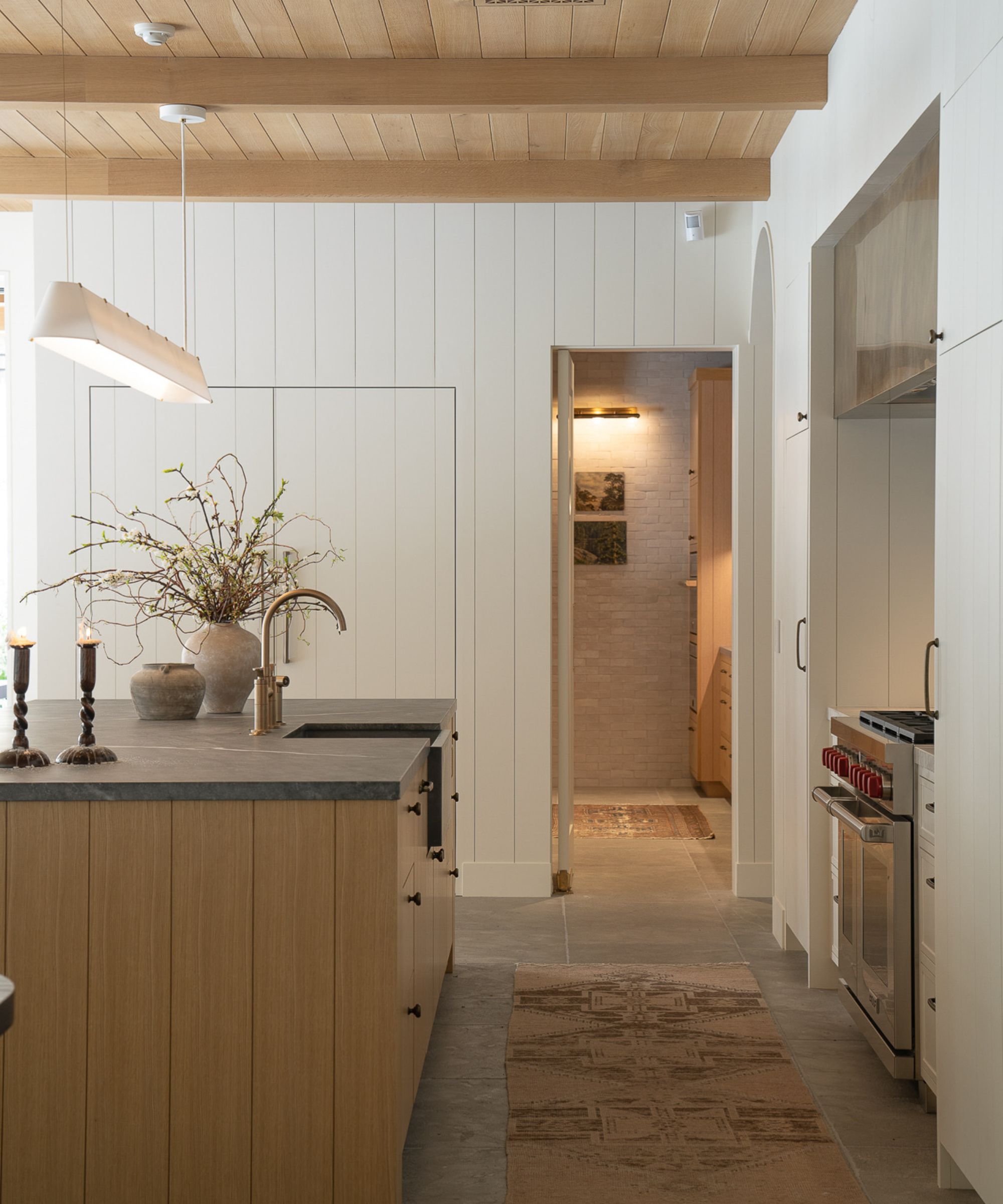
Credit: www.homesandgardens.com
Choosing The Right Material
Picking the right material for kitchen wall paneling is important for durability and style. The material must fit the kitchen’s use and look.
Different materials offer various benefits. Understanding these helps you make the best choice for your kitchen.
Wood Panels
Wood panels add warmth and natural beauty to your kitchen. They come in many types like oak, maple, and pine.
- Easy to install and repair
- Needs sealing to protect from moisture
- Offers a classic and cozy feel
- Can be painted or stained to match decor
Glass Options
Glass panels make kitchens look bright and modern. They reflect light and are easy to clean.
Tempered glass is the safest choice. It resists heat and scratches well.
Metal Finishes
Metal finishes give a sleek and industrial look. Stainless steel is common and very durable.
| Metal Type | Pros | Cons |
| Stainless Steel | Durable, heat-resistant | Can scratch easily |
| Aluminum | Lightweight, rust-resistant | Less durable than steel |
| Copper | Unique color, antimicrobial | Requires polishing |
Ceramic Tiles
Ceramic tiles are a popular choice for kitchen walls. They resist water and stains well.
Benefits of ceramic tiles:
- Wide variety of colors and patterns
- Easy to clean and maintain
- Heat and moisture resistant
- Affordable option for many budgets
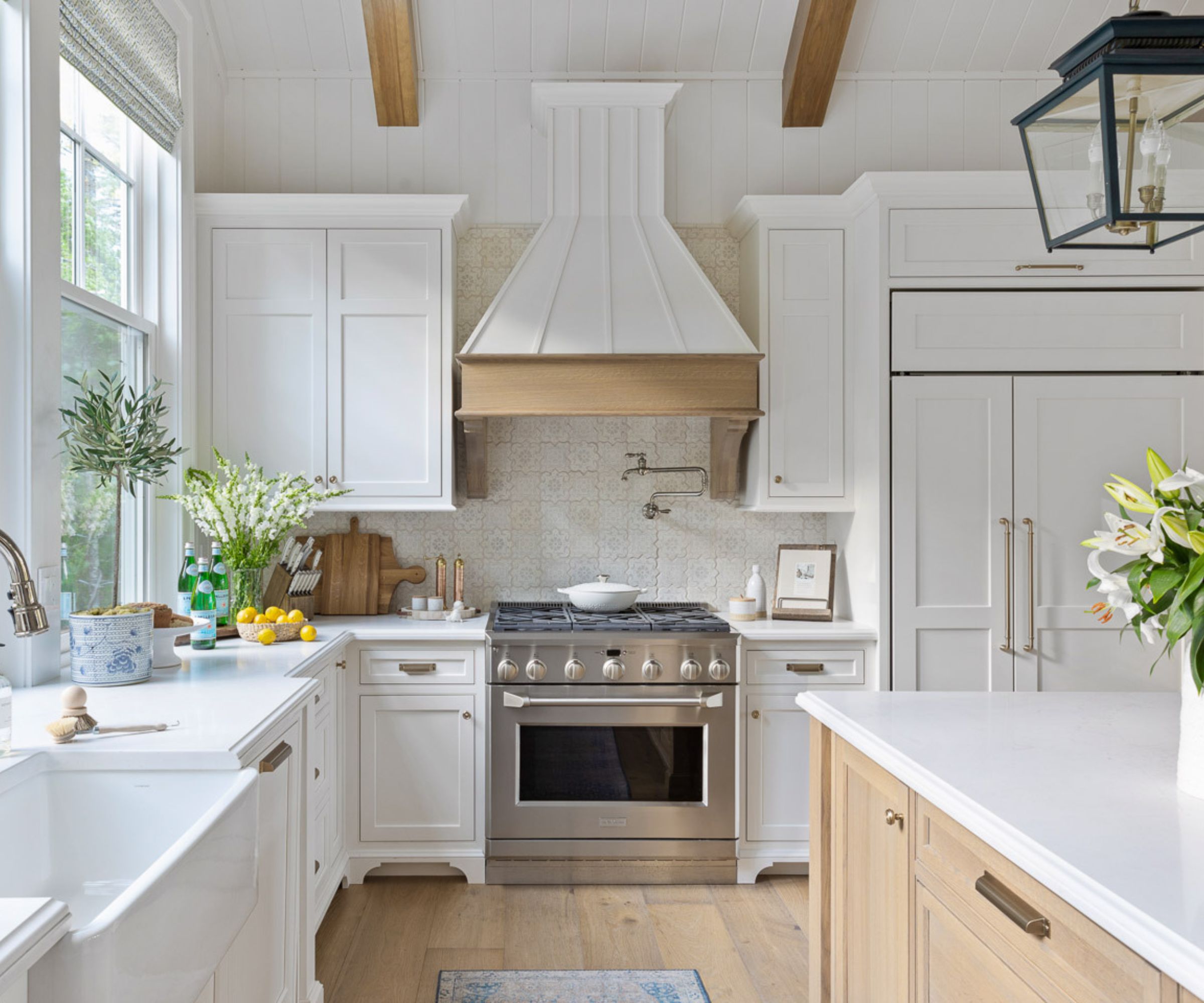
Credit: www.homesandgardens.com
Color And Design
Choosing the right color and design for kitchen wall paneling can change the whole room. It helps create the mood and style you want.
Think about how colors and patterns will work with your cabinets, floor, and lighting. This will make your kitchen look balanced and inviting.
Neutral Tones
Neutral tones like beige, gray, and white create a calm and clean look. They work well with almost any kitchen style.
These colors make the space feel larger and brighter. Neutral wall panels are easy to match with colorful accessories.
- Beige adds warmth without being too bold
- Gray offers a modern and sleek feel
- White keeps the kitchen bright and fresh
Bold Colors
Bold colors like red, blue, or green add energy and personality. They make your kitchen stand out and feel lively.
Use bold colors on one wall or in small areas to avoid overwhelming the room. Pair them with neutral tones to balance the look.
- Red creates a warm and inviting space
- Blue offers a calm and cool atmosphere
- Green brings a fresh and natural vibe
Patterns And Textures
Patterns and textures add depth and interest to kitchen walls. They can make the space feel cozy or stylish.
Choose patterns like stripes or geometric shapes for a modern look. Textured panels like wood grain or stone add natural charm.
- Stripes add a sense of height or width
- Geometric shapes create a trendy look
- Wood grain adds warmth and nature feel
- Stone texture offers a rustic and solid touch
Installation Techniques
Installing kitchen wall panels can change the look of your space. It is important to use the right techniques. Proper installation ensures durability and style.
Below are tips that cover key parts of the process. These tips help you decide on the best approach for your kitchen.
Diy Vs. Professional Help
Deciding to do it yourself or hire a pro depends on your skill and tools. DIY can save money but needs patience and care. Professionals bring experience and speed.
- DIY is good if you have time and basic tools.
- Professionals handle tricky cuts and uneven walls better.
- Experts can spot hidden problems like moisture damage.
- DIY may require renting or buying special tools.
- Professionals offer a warranty on their work.
Measuring And Cutting
Accurate measuring is key to a neat fit. Take your time to measure the wall carefully. Mark the panels before cutting to avoid mistakes.
| Tool | Use |
|---|---|
| Tape Measure | Measure wall length and height |
| Pencil | Mark cut lines on panels |
| Utility Knife | Score and cut thin panels |
| Circular Saw | Cut thicker or wood panels |
| Sandpaper | Smooth rough edges |
Securing Panels
Panels must be fixed firmly to last long. Use the right fasteners and check wall type. Ensure panels are level and flush during installation.
- Apply construction adhesive to the back of each panel.
- Use finishing nails or screws for extra hold.
- Start fixing panels from one corner and move along the wall.
- Check alignment regularly with a level tool.
- Fill gaps or nail holes with matching filler for a smooth look.
Maintenance Tips
Keeping your kitchen wall panels clean and well-maintained helps them last longer. Regular care prevents damage and keeps the kitchen looking fresh.
Follow simple maintenance steps to protect your wall panels from stains, scratches, and wear.
Cleaning Methods
Use mild soap and water to clean kitchen wall panels. Avoid harsh chemicals that can damage the surface.
Wipe panels gently with a soft cloth or sponge to remove dirt and grease. Dry the surface with a clean towel to prevent water spots.
- Mix warm water with mild dish soap
- Use a soft cloth or sponge
- Avoid abrasive scrubbers or harsh cleaners
- Dry panels after cleaning
Repair And Replacement
Check your wall panels regularly for cracks or loose pieces. Fix small damages quickly to stop them from getting worse.
If a panel is badly damaged, replace it to keep your kitchen looking neat and safe.
- Inspect panels monthly for damage
- Use wood filler or putty for minor cracks
- Secure loose panels with proper nails or screws
- Replace panels that are broken or warped
Protective Coatings
Apply a protective coating to your wall panels to guard against moisture and stains. This helps keep panels strong and clean.
Choose coatings that suit your panel material, such as varnish for wood or sealant for laminates.
- Use varnish or polyurethane for wooden panels
- Apply sealants for laminate or PVC panels
- Reapply coatings every few years for best protection
- Follow manufacturer instructions for application
Sustainable Options
Choosing sustainable kitchen wall panels helps protect the environment. It also creates a healthier home space.
Many eco-friendly materials offer durability and style. They reduce waste and energy use during production.
Eco-friendly Materials
Natural materials like bamboo, cork, and reclaimed wood are great choices. They grow quickly or come from reused sources.
- Bamboo grows fast and is strong
- Cork is renewable and water-resistant
- Reclaimed wood adds a rustic look
- Natural stone offers long-lasting beauty
Recycled Panels
Recycled wall panels reduce landfill waste. They are made from materials like plastic, glass, and wood fibers.
| Material | Benefits |
| Recycled Plastic | Waterproof and low maintenance |
| Recycled Glass | Reflects light and is easy to clean |
| Wood Fiber Panels | Biodegradable and strong |
Energy Efficiency
Good wall panels can help keep your kitchen warm or cool. This lowers the need for heating or air conditioning.
Energy-saving features to look for:
- Insulating materials that reduce heat loss
- Reflective surfaces to brighten the room
- Panels made with low-energy production
Budget Considerations
Kitchen wall paneling can change the look of your space. It is important to think about your budget before you start.
Choosing the right materials and ideas can save money. It also helps to plan for the future value.
Cost-effective Materials
Some materials cost less but still look good. Vinyl and laminate panels are affordable and easy to clean.
These materials also resist moisture and stains. They work well for busy kitchens on a budget.
- Vinyl panels: low cost and durable
- Laminate: variety of styles and colors
- MDF boards: smooth surface, easy to paint
- PVC panels: water-resistant and lightweight
Long-term Investment
Some paneling materials cost more but last longer. Wood and ceramic tiles add value to your kitchen.
These options need less fixing or replacing. They keep your kitchen looking nice for many years.
- Wood panels: classic and durable
- Ceramic tiles: easy to clean and strong
- Glass panels: modern look and long-lasting
- Natural stone: adds a high-end feel
Budget-friendly Ideas
You can save money by mixing materials. Use cheaper panels for large areas and pricier ones as accents.
Another idea is to paint your panels. This refreshes the look without buying new materials.
- Mix vinyl with wood trims
- Paint MDF panels with waterproof paint
- Use peel-and-stick tiles for a quick update
- Recycle old wood or panels for a unique style
Enhancing Aesthetics
Kitchen wall paneling can change the whole look of your kitchen. It adds style and personality to the space.
Choosing the right design helps create a warm and inviting atmosphere. Use simple ideas to make your kitchen walls stand out.
Lighting Integration
Lighting makes kitchen wall panels look more attractive. It highlights textures and colors in the panels.
- Install LED strips under cabinets to brighten panels
- Use spotlights to focus on decorative wall sections
- Choose warm light bulbs to create a cozy feel
- Consider backlighting translucent panels for a soft glow
Decorative Accents
Adding accents helps break the monotony of plain panels. It gives your kitchen character and charm.
| Accent Type | Effect on Wall Paneling |
| Metal trims | Creates a modern and sleek look |
| Wood carvings | Adds warmth and natural texture |
| Painted patterns | Brings color and creativity |
| Stone inserts | Gives a rustic and solid feel |
Combining Styles
Mixing different styles can make kitchen walls unique. It lets you show your personal taste clearly.
- Pair classic wood panels with modern metal accents
- Use contrasting colors for a bold statement
- Mix smooth and textured surfaces for depth
- Combine matte and glossy finishes to catch light

Credit: penniesforafortune.com
Frequently Asked Questions
What Are The Best Materials For Kitchen Wall Paneling?
Popular materials include wood, PVC, stainless steel, and glass. Each offers durability and easy maintenance. Choose based on your kitchen style and moisture levels.
How To Prepare Walls Before Installing Kitchen Panels?
Clean the wall surface thoroughly and repair any damage. Ensure the wall is dry and smooth for better panel adhesion. Use a primer if necessary.
Can Kitchen Wall Panels Protect Against Moisture?
Yes, moisture-resistant panels like PVC and treated wood prevent water damage. They help maintain wall integrity in humid kitchen environments.
How To Maintain And Clean Kitchen Wall Panels?
Use mild soap and water for regular cleaning. Avoid abrasive cleaners that can damage the surface. Wipe spills immediately to prevent stains.
Conclusion
Choosing the right kitchen wall paneling makes a big difference. It protects walls and adds style to your space. Simple steps help you pick durable and easy-to-clean materials. Colors and patterns can brighten your kitchen and make it cozy. Proper installation keeps panels looking great for years.
Small changes create a fresh, inviting kitchen atmosphere. Take your time and enjoy the process. Your kitchen will feel new and welcoming. A well-planned wall panel upgrade brings both beauty and function.