
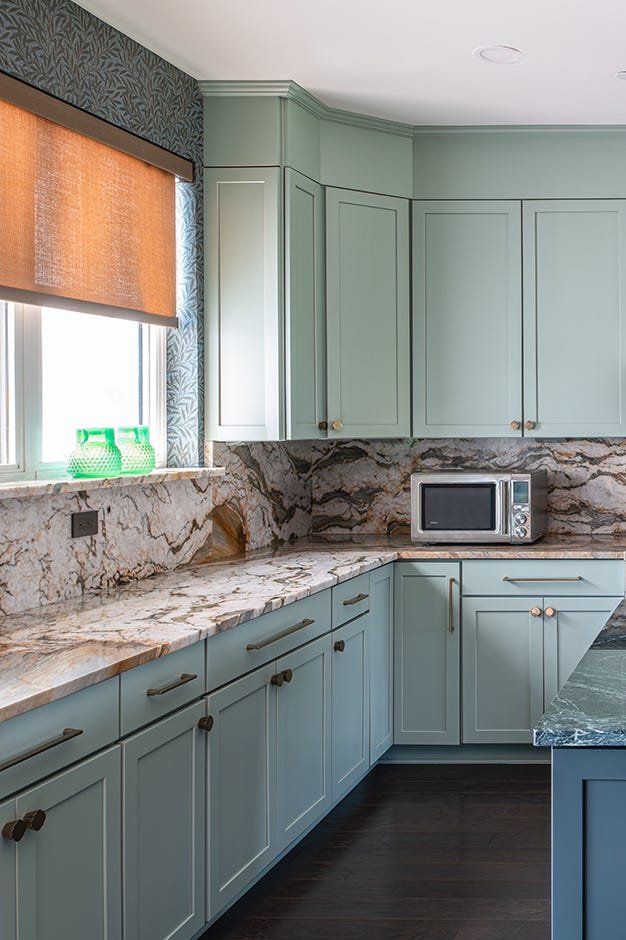
Choosing the right colors and themes for your kitchen walls can completely transform the heart of your home. You want a space that feels inviting, bright, and matches your style perfectly.
But with so many options out there, it’s easy to feel overwhelmed. What if you pick the wrong shade or a theme that doesn’t fit? Don’t worry—you’re about to discover simple, smart tips that will help you make confident choices.
Keep reading, and you’ll find the inspiration and guidance you need to create a kitchen that looks amazing and feels just right for you.
:max_bytes(150000):strip_icc()/GettyImages-1648288633-b274a52a3b414606b8837cf39b4e70be.jpg)
Credit: www.thespruce.com
Choosing The Right Color Palette
Choosing the right color palette is key for your kitchen walls. The colors set the mood and style of the room.
Think about how colors will work with your kitchen’s light and decor. This helps create a balanced look.
Understanding Color Psychology
Colors can change how you feel in a room. Warm colors make kitchens feel cozy and inviting.
Cool colors give a fresh and calm feeling. Choose colors that match the mood you want.
- Red and orange create energy and warmth
- Blue and green bring calm and relaxation
- Yellow adds brightness and cheer
- Neutrals like beige and gray offer balance
Impact Of Natural Light
Natural light affects how colors look on your walls. Bright light makes colors look lighter and sharper.
Rooms with less light need lighter colors to feel open and airy. Dark colors can make a space feel smaller.
- South-facing kitchens get warm light, which suits cool colors
- North-facing kitchens get cooler light, which suits warm colors
- East and west light changes during the day, so test colors at different times
Coordinating With Existing Décor
Your wall color should match kitchen cabinets, counters, and flooring. This keeps the room looking unified.
Use colors that complement your kitchen materials. Neutral colors work well with bold décor pieces.
- Match wall colors with kitchen tiles or backsplashes
- Pick colors that highlight wood or metal finishes
- Consider the style of furniture and appliances

Credit: www.goodhousekeeping.com
Popular Kitchen Wall Colors
Choosing the right wall color can change the look of your kitchen. Colors set the mood and style of this busy space.
Many homeowners pick colors that feel fresh and welcoming. Some like calm tones, while others prefer bold shades.
Timeless Neutrals
Neutral colors never go out of style. They create a clean, simple background that fits any kitchen design.
White, beige, gray, and soft taupe are popular neutral choices. These colors make kitchens feel bright and open.
- White reflects light and makes space look larger
- Beige adds warmth without being too dark
- Gray offers a modern, sleek look
- Taupe blends brown and gray for a cozy feel
Bold And Vibrant Hues
Bold colors bring energy and personality to the kitchen. They make walls stand out and add fun to cooking time.
Bright blues, deep reds, and rich greens are common choices. These colors work well on accent walls or full rooms.
- Bright blue gives a fresh, lively atmosphere
- Deep red creates warmth and excitement
- Rich green adds a natural, calming touch
- Mustard yellow brings sunshine indoors
Soft Pastel Shades
Pastel colors are gentle and soothing. They add color without overwhelming the space.
Light pinks, mint greens, and pale blues work well in kitchens. These shades create a calm and happy mood.
- Light pink adds a warm, cozy feeling
- Mint green feels fresh and clean
- Pale blue brings a peaceful, airy vibe
- Soft lavender adds subtle elegance
Thematic Inspirations
Choosing the right wall colors and themes makes your kitchen feel special. The theme sets the mood for the whole space.
Below are ideas for popular kitchen themes and matching wall colors. These tips help create a balanced look.
Modern Minimalist
A modern minimalist kitchen uses simple colors and clean lines. White, gray, and black walls work well here.
Keep the walls plain or add subtle textures. Avoid busy patterns to keep the space calm and open.
- Soft white makes the room bright
- Light gray adds a touch of warmth
- Black walls create a bold contrast
- Matte finishes reduce glare
Rustic Charm
Rustic kitchens feel cozy with natural colors. Earth tones like brown, beige, and green fit this theme well.
Wood textures or stone finishes on walls add charm. These colors bring warmth and a lived-in feel.
- Warm beige creates a soft backdrop
- Olive green adds nature-inspired calm
- Terracotta shades give an earthy touch
- Wood paneling enhances rustic style
Vintage Appeal
Vintage kitchens use soft, nostalgic colors. Pastels like mint, pale yellow, and soft pink bring a retro feel.
Patterns such as floral or checks work well on accent walls. These colors create a friendly and cheerful space.
- Mint green adds a cool retro look
- Soft yellow brightens the room
- Blush pink adds gentle warmth
- Floral patterns enhance vintage style
Accent Walls And Focal Points
Choosing the right wall colors can change how your kitchen looks. Accent walls and focal points add style and interest.
These design ideas help highlight parts of your kitchen. You can make your space feel lively or calm with color and design.
Using Wallpaper And Textures
Wallpaper adds patterns and texture to a kitchen wall. It can create a unique look without painting every wall.
Textures like brick or wood panels add depth. They make the wall feel more interesting and warm.
- Choose moisture-resistant wallpaper for kitchens
- Use textured paint or panels for a tactile feel
- Pick colors that match your kitchen theme
Creating A Gallery Wall
A gallery wall shows off art, photos, or plates. It becomes a focal point in your kitchen space.
Arrange items in a simple grid or fun pattern. Use frames that match your kitchen’s style and colors.
- Mix sizes and shapes for visual interest
- Choose artwork that fits your kitchen mood
- Keep the wall color neutral to highlight art
Incorporating Bold Patterns
Bold patterns make a strong statement on one wall. They add energy and personality to your kitchen.
Patterns like stripes, florals, or geometric shapes work well. Use them on an accent wall to avoid overwhelming the room.
- Pick patterns that match your kitchen’s style
- Balance bold patterns with simple furniture
- Use colors from the pattern elsewhere in the room
Balancing Color With Open Shelving
Open shelving brings life to kitchen walls. It gives you a chance to show your style and keep things handy.
Choosing the right colors helps your open shelves stand out without feeling too busy. Here are some tips on how to do it well.
Displaying Colorful Dishware
Colorful dishware adds charm and personality to your shelves. You can use plates, bowls, and cups as decoration and storage.
- Group items by color for a neat look
- Mix solid colors with patterns to keep interest
- Use clear glassware to add lightness
- Keep heavier colors on lower shelves for balance
- Switch colors seasonally for fresh style
Mixing Materials And Finishes
Combine different materials on your shelves to add texture and depth. Wood, metal, and ceramic all work well together.
| Material | Finish | Effect |
|---|---|---|
| Wood | Natural or stained | Warmth and natural feel |
| Metal | Matte or shiny | Modern and sleek look |
| Ceramic | Glossy or matte glaze | Artistic and colorful touch |
| Glass | Clear or frosted | Light and airy feel |
Choosing Background Colors
Background colors set the stage for open shelves. Pick shades that highlight your dishware and materials.
- Light colors like white or cream brighten the space
- Soft pastels add gentle color without distraction
- Dark colors create contrast and drama
- Neutral grays or taupes provide a calm backdrop
- Consider washable paint for easy cleaning
Trendy Color Combinations
Choosing the right color scheme for your kitchen walls sets the room’s mood. Colors can make your kitchen feel warm, bright, or calm. Trendy color combinations help you create a stylish and welcoming space.
This guide covers popular color themes. You will learn about monochromatic schemes, complementary pairings, and triadic color trios. Each offers a unique way to brighten your kitchen walls.
Monochromatic Schemes
Monochromatic schemes use different shades of one color. This creates a calm and elegant look. You can pick a soft blue or warm beige and add light and dark tones of the same hue.
- Use light shades for large wall spaces
- Add darker shades for accents or trim
- Mix textures to add depth
- Keep furniture and decor simple
Complementary Pairings
Complementary colors sit opposite each other on the color wheel. They create a bold and lively effect. Examples include blue and orange or green and red. Use one color on walls and the other on cabinets or decor.
| Primary Color | Complementary Color |
| Blue | Orange |
| Green | Red |
| Yellow | Purple |
Triadic Color Trios
Triadic color schemes use three colors that are evenly spaced on the color wheel. This creates a balanced and vibrant look. For example, you can combine red, yellow, and blue for a classic feel.
- Choose one color as the main wall color
- Use the other two for cabinets and accessories
- Keep tones soft for a subtle style
- Bright tones work for a lively kitchen
Diy Painting Techniques
Painting your kitchen walls yourself can add charm and personality. Simple techniques can create unique looks.
Try easy painting ideas to refresh your kitchen’s style with color and texture.
Ombre And Gradient Effects
Ombre walls show colors fading from dark to light. Gradient effects blend two or more shades smoothly.
Use a sponge or paintbrush to blend colors while wet. Start with the darkest color at the bottom.
- Choose 2–3 colors in the same tone
- Paint the darkest color at the base
- Blend each color upward with a dry brush
- Work quickly before paint dries
- Seal with clear matte finish
Stenciling And Patterns
Stencils let you add repeated shapes or designs on your walls. Patterns create texture and interest.
| Stencil Type | Best Paint | Effect |
| Floral | Matte | Soft and natural look |
| Geometric | Semi-gloss | Modern and clean |
| Abstract | Glossy | Bold and bright |
Use painter’s tape to hold stencils firmly. Dab paint lightly to avoid bleeding under stencil edges.
Chalkboard Paint Ideas
Chalkboard paint turns a wall section into a writable surface. Great for notes, recipes, or drawings.
Tips for Chalkboard Paint:
- Clean the wall before painting
- Apply 2–3 coats for best coverage
- Let paint dry at least 24 hours
- Season the surface by rubbing chalk all over
- Use chalk markers for bright, easy-to-clean marks

Credit: www.goodhousekeeping.com
Sustainable And Eco-friendly Options
Choosing eco-friendly options for kitchen wall colors helps protect the environment. These options reduce harmful chemicals and waste.
Using sustainable materials also creates a healthier home for your family. This guide covers low VOC paints, recycled materials, and natural pigments.
Low Voc Paints
Low VOC paints release fewer toxic fumes into the air. They improve indoor air quality and reduce health risks.
These paints come in many colors and finishes. They are safe for kitchens and help the environment.
- Contain less harmful chemicals
- Reduce air pollution inside the home
- Available in various styles and shades
Recycled Materials
Recycled materials can be part of your kitchen wall design. They lower waste and give old materials new life.
Examples include recycled glass tiles or reclaimed wood panels. These materials add unique texture and style.
- Reduce landfill waste
- Save natural resources
- Offer creative and natural looks
Natural Pigments
Natural pigments come from plants, minerals, and earth. They create soft, organic colors on your kitchen walls.
These pigments are free from synthetic chemicals. They help keep your kitchen healthy and eco-friendly.
- Made from natural sources
- Non-toxic and safe for families
- Provide warm, earthy tones
Frequently Asked Questions
What Are The Best Wall Colors For Small Kitchens?
Light colors like whites, pastels, and soft grays brighten small kitchens. They create an open, airy feel and make spaces look larger and clean. Avoid dark shades that can make the kitchen feel cramped and gloomy.
How To Choose A Kitchen Color Theme?
Consider your kitchen size, natural light, and existing decor. Choose colors that complement cabinets and countertops. Popular themes include modern neutrals, rustic earth tones, and vibrant contrasts for a lively atmosphere.
Can Kitchen Wall Colors Affect Appetite?
Yes, warm colors like red, orange, and yellow can stimulate appetite and energy. Cool tones like blue and green tend to calm and reduce hunger, making color choice important for kitchen ambiance and dining experience.
What Paint Finishes Work Best For Kitchen Walls?
Satin and semi-gloss finishes are ideal for kitchens. They resist moisture, stains, and are easy to clean. Avoid flat or matte finishes as they absorb grease and are harder to maintain in kitchen environments.
Conclusion
Choosing the right kitchen wall colors sets the room’s mood. Bright colors make the space feel lively and open. Soft shades bring calm and warmth to your kitchen. Consider your kitchen’s size and light when picking colors. Themes tie the look together and add personality.
Simple changes can refresh your kitchen without much effort. Experiment with colors and themes to find what suits you best. Your kitchen should feel welcoming and comfortable every day. Enjoy creating a space that reflects your style and taste.