
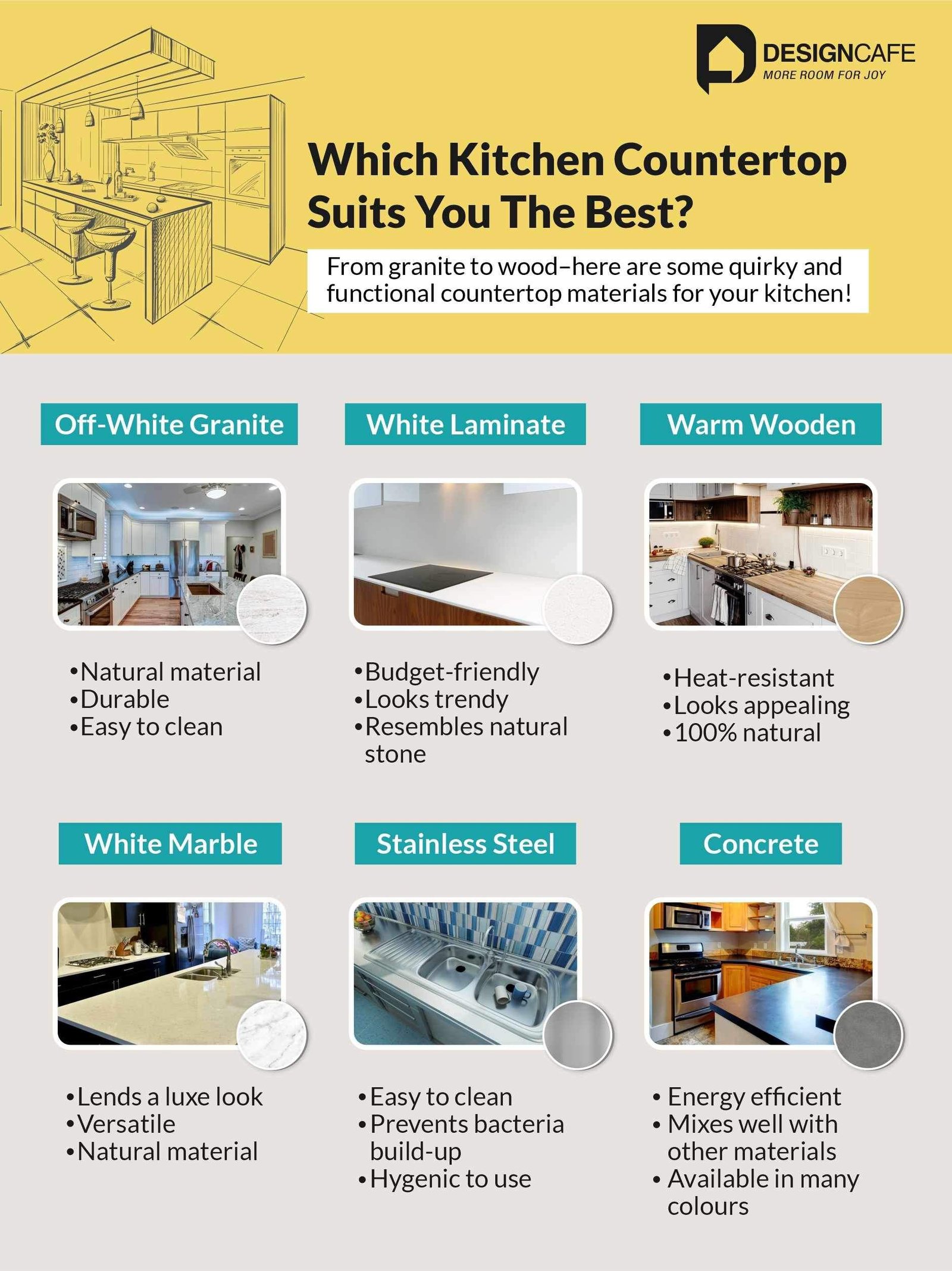
Choosing the right material for your kitchen countertop can feel overwhelming. You want something that looks great, lasts long, and fits your lifestyle.
But with so many options out there, how do you know which one is best for you? You’ll discover simple tips that help you pick the perfect countertop material. By the end, you’ll feel confident making a choice that matches your kitchen style and meets your daily needs.
Keep reading to find out what really matters when it comes to kitchen countertops!
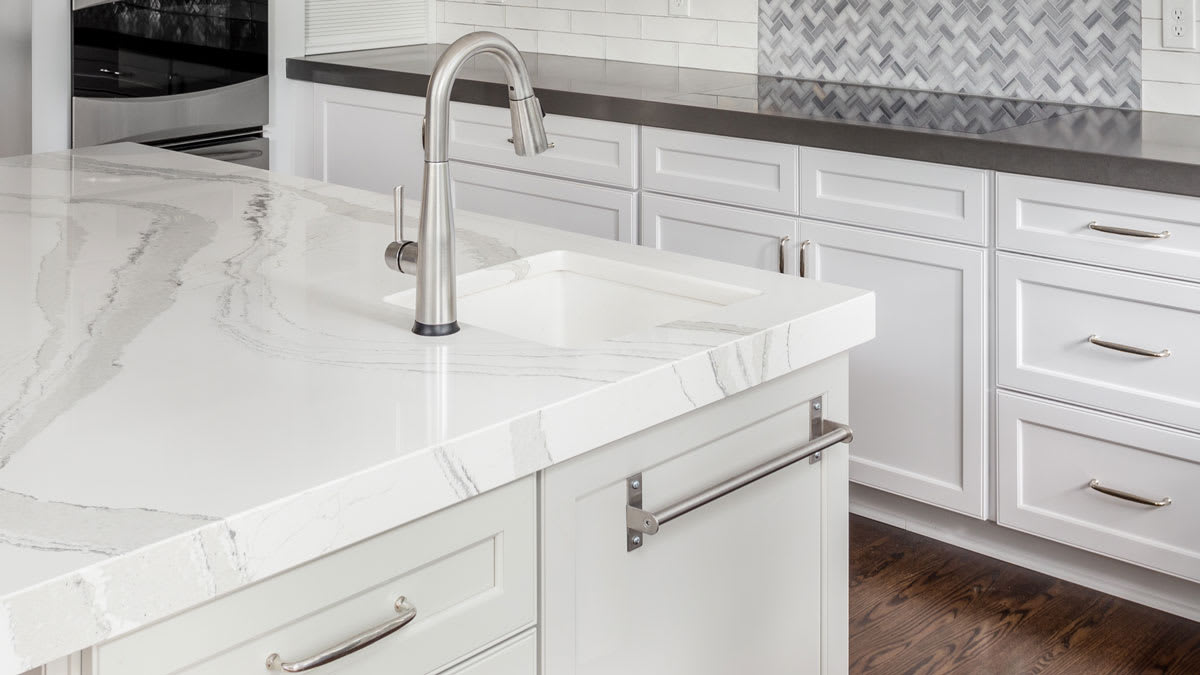
Credit: www.consumerreports.org
Granite Countertops
Granite is a natural stone often used for kitchen countertops. It offers a strong and beautiful surface for cooking and food prep.
Many homeowners choose granite for its durability and unique patterns. It adds value and style to any kitchen design.
Benefits Of Granite
Granite is very hard and resists scratches well. It can handle heat from pots and pans without damage.
Each granite slab has a unique pattern, so no two countertops look the same. It adds a natural beauty to your kitchen.
- Strong and long-lasting
- Heat resistant
- Scratch and chip resistant
- Unique natural patterns
- Increases home value
Maintenance Tips
Granite countertops need regular cleaning with mild soap and water. Avoid harsh chemicals that can damage the surface.
Sealing your granite once a year helps prevent stains and keeps it looking new. Wipe spills quickly to avoid marks.
- Clean with mild soap and water
- Avoid acidic or abrasive cleaners
- Seal once per year
- Wipe spills immediately
- Use cutting boards to protect surface
Cost Considerations
Granite prices vary depending on color and pattern rarity. Installation costs also affect the total price.
Granite is generally more expensive than laminate but offers better durability and looks. Budget for sealing and maintenance too.
- Price depends on color and pattern
- Installation costs add to price
- More costly than laminate
- Durable and long-lasting
- Annual sealing adds small cost
Quartz Surfaces
Quartz is a popular choice for kitchen countertops. It combines natural stone with man-made materials.
This makes quartz strong and easy to maintain. It fits many kitchen styles and needs.
Advantages Of Quartz
Quartz is very durable and resists scratches well. It does not absorb stains easily.
It comes in many colors and patterns. You can find quartz that looks like natural stone.
- Non-porous surface stops bacteria growth
- Strong against heat and impact
- Available in many colors and styles
- Requires little maintenance
Cleaning And Care
Clean quartz countertops with mild soap and water. Avoid harsh chemicals that can damage the surface.
Use a soft cloth or sponge to wipe the surface. Do not use abrasive pads or steel wool.
- Wipe spills quickly to prevent stains
- Use cutting boards to protect the surface
- Do not place hot pots directly on quartz
- Sealants are not needed for quartz
Budget Insights
Quartz countertops cost more than laminate but less than some natural stones. The price depends on color and thickness.
Installation adds to the overall cost. Quartz is worth the price for its durability and low care needs.
| Material | Cost per Square Foot |
|---|---|
| Laminate | $10 – $30 |
| Quartz | $50 – $100 |
| Granite | $40 – $120 |
Marble Options
Marble is a classic choice for kitchen countertops. It offers a timeless look that fits many kitchen styles.
Marble comes in different colors and patterns. Each slab is unique, giving your kitchen a special touch.
Pros And Cons
Marble looks elegant and adds value to your kitchen. It stays cool, which is great for baking.
Marble can scratch and stain easily. It needs careful use to keep its beauty.
- Pros:Beautiful, unique patterns, stays cool, adds value
- Cons:Prone to scratches, stains, and etching from acids
Sealing And Protection
Marble needs sealing to protect against stains and damage. Seal it every 6 to 12 months.
Use coasters and cutting boards to avoid scratches and stains. Clean spills quickly to prevent marks.
- Seal marble regularly
- Use cutting boards and coasters
- Clean spills immediately
Pricing Factors
Marble price depends on color, pattern, and origin. Rare colors cost more.
Installation and slab thickness also affect the total price. Custom shapes can add cost.
- Color and pattern rarity
- Slab thickness and size
- Installation complexity
Butcher Block Style
Butcher block countertops are made from wood strips glued together. They add warmth and charm to any kitchen.
This style fits well in both modern and traditional kitchen designs. It offers a natural look and feels sturdy.
Why Choose Butcher Block?
Butcher block is popular because it looks natural and feels warm. It creates a cozy kitchen space.
This material is also gentle on knives. Chefs often prefer it for chopping and cutting.
- Natural wood texture and color
- Comfortable surface for food prep
- Durable and strong when well cared for
- Fits many kitchen styles
Oiling And Maintenance
Regular oiling keeps butcher block looking fresh and stops it from drying out. Use food-safe mineral oil.
Clean spills right away to avoid stains. Sand small scratches to smooth the surface before oiling.
- Apply mineral oil once a month
- Wipe spills immediately
- Sand lightly to fix scratches
- Use a damp cloth for daily cleaning
Affordability
Butcher block is often less expensive than natural stone like granite or marble. It offers good value for wood.
Costs vary by wood type and thickness. Maple and oak are common and budget-friendly options.
- Lower cost than many stone countertops
- Affordable wood options available
- Long-lasting with proper care
- Easy to repair and refinish
Laminate Choices
Laminate countertops come in many colors and patterns. They offer a stylish look for kitchens without a high price.
Choosing the right laminate helps balance style, care, and cost. Learn about benefits, care tips, and cost-effectiveness below.
Benefits And Drawbacks
- Benefits: Laminate is lightweight and easy to install.
- It resists stains well and offers many design options.
- Drawbacks: It can scratch and chip more easily than stone.
- Heat damage may occur if hot pots are placed directly.
Easy Care Tips
| Tip | Details |
|---|---|
| Clean Regularly | Use mild soap and warm water for daily cleaning. |
| Avoid Abrasives | Do not use steel wool or rough sponges to prevent scratches. |
| Protect from Heat | Use trivets or hot pads under hot cookware. |
| Handle Spills Quickly | Wipe spills soon to avoid staining or swelling. |
Cost-effectiveness
Laminate offers a budget-friendly option for kitchen counters. It costs less than many stone or solid surface materials.
- Low upfront price helps with tight budgets.
- Easy installation saves on labor costs.
- Replacing damaged parts is cheaper than other materials.
- Long-lasting if cared for properly.
Concrete Countertops
Concrete countertops are a popular choice for kitchens. They offer a modern look and can be customized in many ways.
You can shape and color concrete to fit your kitchen style. Many homeowners like the unique appearance it gives.
Durability Features
Concrete is very strong and can last for many years. It can handle heat from pots and pans without damage.
It can resist scratches better than some softer materials. Cracks may appear but can be repaired easily.
Staining And Sealing
Concrete is porous and can absorb stains if not sealed well. Sealing protects the surface from liquids and spills.
Sealing should be done regularly to keep the countertop safe. Without sealing, it may become harder to clean over time.
- Use a high-quality sealer
- Seal every 1-3 years
- Clean spills immediately
Price Considerations
Concrete countertops can be expensive compared to some materials. Costs depend on size, shape, and custom designs.
DIY installation can lower costs but requires skill. Professional work ensures quality but adds to price.
- Custom shapes increase price
- Adding color or patterns costs more
- Sealing and maintenance add ongoing costs
Stainless Steel Options
Stainless steel is a popular choice for kitchen countertops. It offers a modern look and strong durability.
This material suits busy kitchens and works well with many styles and appliances.
Why Stainless Steel?
Stainless steel resists heat and stains. It does not absorb liquids or bacteria. This makes it very hygienic.
The metal surface is smooth and reflects light. This can make your kitchen look brighter and bigger.
- Heat resistant for hot pots and pans
- Non-porous, so it stays clean
- Matches many kitchen styles
- Does not fade or discolor over time
Cleaning And Care
Cleaning stainless steel is easy. Use warm water and mild soap to wipe the surface.
Avoid harsh cleaners that can scratch the metal. Dry the countertop to stop water spots.
- Use soft cloths or sponges
- Clean spills quickly to avoid marks
- Polish with special stainless steel cleaners
- Do not use steel wool or abrasive pads
Cost Analysis
Stainless steel countertops cost more than laminate but less than some natural stones.
The price varies by thickness, finish, and installation complexity.
| Material | Cost per square foot |
|---|---|
| Laminate | $10 – $40 |
| Stainless Steel | $70 – $120 |
| Granite | $50 – $100 |
| Quartz | $60 – $110 |
Credit: hilltopsurfaces.com
Eco-friendly Materials
Choosing eco-friendly kitchen countertop materials helps protect the environment. These materials come from renewable sources or recycled content.
They reduce waste and lower the use of harmful chemicals in your home.
Sustainable Choices
Bamboo is a fast-growing grass that makes strong countertops. It is renewable and looks natural.
Recycled glass countertops use glass pieces from bottles and windows. They create a colorful, unique surface.
- Concrete with recycled materials
- Reclaimed wood for a rustic look
- Paper composite made from recycled paper and resin
Maintenance And Care
Eco-friendly countertops need regular cleaning with mild soap and water. Avoid harsh chemicals that damage the surface.
Seal wood or bamboo countertops every year to protect from water and stains. Recycled glass usually needs little care but can chip if hit hard.
- Use cutting boards to prevent scratches
- Wipe spills quickly to avoid stains
- Use soft cloths for cleaning
Pricing Overview
Eco-friendly materials vary in price. Bamboo and recycled glass cost less than natural stone.
Reclaimed wood may be more expensive because of its unique look. Paper composite is often affordable and durable.
| Material | Price Range (per sq. ft.) |
|---|---|
| Bamboo | $40 – $60 |
| Recycled Glass | $50 – $100 |
| Reclaimed Wood | $60 – $90 |
| Paper Composite | $40 – $70 |

Credit: kitchenmakeovers.co.uk
Frequently Asked Questions
What Are The Most Durable Kitchen Countertop Materials?
Granite, quartz, and solid surface materials are highly durable. They resist scratches, heat, and stains well. These options last longer with minimal maintenance, making them ideal for busy kitchens. Choosing durable materials ensures your countertop stays beautiful and functional for years.
Which Countertop Materials Are Easiest To Clean And Maintain?
Quartz and laminate countertops are the easiest to clean. They resist stains and don’t require sealing. Simply wipe with mild soap and water regularly. These materials save time and effort while keeping your kitchen hygienic and attractive.
How Do Different Countertop Materials Affect Kitchen Design?
Countertop materials influence style, color, and texture in your kitchen. Granite offers a natural, elegant look. Quartz provides modern, sleek finishes. Wood adds warmth and character. Selecting the right material complements your kitchen theme and enhances overall aesthetics.
Are There Eco-friendly Kitchen Countertop Options?
Yes, bamboo, recycled glass, and reclaimed wood are eco-friendly choices. They reduce environmental impact by using sustainable or recycled materials. These options provide a unique look while supporting greener living and responsible resource use.
Conclusion
Choosing the right kitchen countertop matters a lot. Each material has its own strengths and care needs. Think about your budget, style, and how you cook daily. Some surfaces resist stains; others handle heat well. Your kitchen should feel both nice and practical.
Take your time to decide what fits best. A good countertop makes cooking easier and your kitchen prettier. Small choices add up to big improvements. Your perfect countertop is out there—ready to help you cook and enjoy.