

Your kitchen backsplash is more than just a pretty surface—it’s your first line of defense against spills, stains, and splashes. But keeping it looking fresh and clean can sometimes feel like a chore.
What if you could maintain your backsplash with simple, effective tips that save you time and effort? Imagine enjoying a sparkling kitchen without the stress of constant scrubbing. You’ll discover easy-to-follow advice that protects your backsplash and keeps your kitchen looking its best.
Ready to transform your cleaning routine and keep your backsplash shining like new? Let’s dive in!
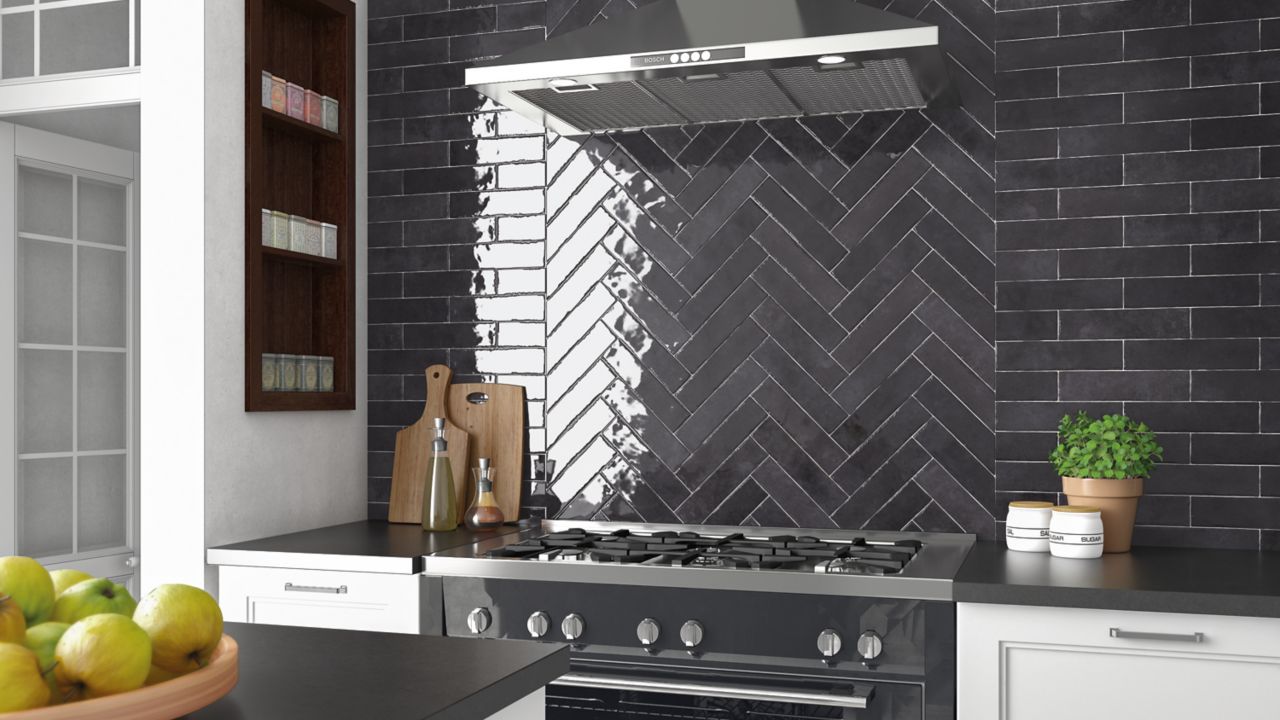
Credit: www.tileshop.com
Types Of Backsplash Materials
Kitchen backsplashes protect walls from spills and stains. Choosing the right material helps keep your kitchen clean.
Each material has unique care needs. Knowing these helps with easy maintenance and long-lasting beauty.
Tile Backsplashes
Tile backsplashes are popular and come in many styles. They are easy to clean with mild soap and water.
Grout lines need extra care. Use a grout cleaner to prevent stains and mold buildup.
- Ceramic and porcelain tiles are durable and water-resistant.
- Regular cleaning keeps tiles shiny and fresh.
- Seal grout every six months to protect it.
Glass Backsplashes
Glass backsplashes give a sleek, modern look. They are smooth and easy to wipe down with glass cleaner.
Avoid abrasive cleaners that can scratch the glass. Soft cloths work best for cleaning.
- Use a non-abrasive cleaner to keep glass clear.
- Wipe spills quickly to avoid water spots.
- Check for chips or cracks and fix them early.
Metal Backsplashes
Metal backsplashes add a shiny, industrial feel. Stainless steel is common and resists heat and stains.
Clean metal with a mild detergent and water. Avoid harsh chemicals that can damage the finish.
- Use a soft cloth to avoid scratches.
- Dry metal surfaces to prevent water spots.
- Polish with metal cleaner for extra shine.
Stone Backsplashes
Stone backsplashes look natural and elegant. Granite and marble are common choices but need sealing.
Use stone cleaner and avoid acidic products that can damage the surface. Reapply sealant yearly.
- Clean spills right away to prevent stains.
- Use pH-neutral cleaners designed for stone.
- Seal stone backsplashes to protect them.

Credit: www.blockrenovation.com
Daily Maintenance Tips
Keeping your kitchen backsplash clean is important to maintain its look. Daily care helps stop stains and buildup.
Simple daily habits can make cleaning easier and keep your backsplash fresh for longer.
Quick Wipe Downs
Wipe your backsplash with a soft cloth every day. This removes dust and light splashes fast.
Use warm water or a mild soap solution to avoid damage. Dry the surface after wiping.
- Use a microfiber cloth for best results
- Clean after cooking or food prep
- Avoid harsh chemicals or abrasive pads
- Dry with a clean towel to prevent water spots
Spot Cleaning
Deal with spills and spots quickly to prevent stains. Treat oily or sticky spots right away.
Use a gentle cleaner or a mix of water and vinegar for stubborn spots. Test on a small area first.
- Blot spills immediately with a soft cloth
- Apply cleaner gently without scrubbing hard
- Rinse the area well after cleaning
- Dry completely to avoid mold or mildew
Weekly Deep Cleaning
Keeping your kitchen backsplash clean is important for hygiene and looks. Weekly deep cleaning removes grime and stains.
Set aside time every week to clean your backsplash thoroughly. Use the right methods to protect the surface.
Cleaning Solutions
Choose cleaning solutions that work well on your backsplash material. Avoid harsh chemicals that can damage tiles or grout.
- Mild dish soap mixed with warm water
- White vinegar diluted with water
- Baking soda paste for tough stains
- Commercial tile cleaners suitable for your backsplash
Tools And Techniques
Use soft tools to avoid scratching the backsplash. Clean gently but thoroughly to remove all buildup.
| Tool | Purpose |
| Soft sponge | General cleaning without scratches |
| Toothbrush | Cleaning grout lines and corners |
| Microfiber cloth | Drying and polishing surface |
| Spray bottle | Apply cleaning solutions evenly |
Tackling Stubborn Stains
Kitchen backsplashes can get dirty from food splashes and grease. Some stains stick and need extra care to clean.
Using the right cleaning tricks helps keep your backsplash looking fresh and new. Let’s explore natural and commercial options.
Natural Remedies
Natural cleaners work well for many stains. They are safe and easy to find at home. Use gentle scrubbing with these remedies.
- Baking soda paste removes grease and food stains. Mix baking soda with water to form a paste. Apply it and scrub gently.
- White vinegar breaks down mineral deposits and soap scum. Spray vinegar on the stain, wait a few minutes, then wipe off.
- Lemon juice helps brighten stains and adds a fresh smell. Apply lemon juice, let it sit, then rinse well.
- Salt can scrub off tough spots without scratching. Sprinkle salt on a damp cloth and rub the stain carefully.
Commercial Cleaners
Commercial cleaners are strong and made for tough kitchen stains. Use them as directed to avoid damage to your backsplash.
- Grease-cutting sprays remove oil and food marks quickly. Spray, wait a short time, then wipe clean.
- Non-abrasive scrubbing gels clean without scratching delicate surfaces. Apply the gel and scrub gently.
- All-purpose kitchen cleaners work on many types of stains. Use a cloth or sponge to clean the area.
- Tile and grout cleaners help if your backsplash has grout lines. Follow instructions carefully for best results.
Preventive Measures
Keeping your kitchen backsplash clean and safe helps it last longer. Preventive care stops damage before it starts.
Simple habits protect the tiles and grout. Use the right products and tools to avoid problems.
Sealant Applications
Applying sealant protects tiles from stains and water damage. Sealants create a strong barrier on the surface.
Reapply sealant every year or as needed. Clean the backsplash well before sealing for best results.
- Choose a sealant made for kitchen tiles
- Use a clean cloth or brush to apply evenly
- Allow sealant to dry fully before using the kitchen
- Check for worn spots and reseal if needed
Grout Care
Grout keeps tiles in place but can get dirty or cracked. Clean grout regularly to avoid mold and stains.
Use grout sealer to prevent moisture from soaking in. Fix cracks quickly to stop damage from spreading.
- Scrub grout gently with a soft brush and mild cleaner
- Apply grout sealer every 6 to 12 months
- Repair damaged grout with grout filler or replacement
- Avoid harsh chemicals that can wear down grout
Maintaining Aesthetic Appeal
A clean and shiny kitchen backsplash makes your kitchen look fresh. Regular care keeps its beauty and charm.
Simple maintenance steps help your backsplash stay attractive for years. Focus on polishing and avoiding damage.
Polishing Tips
Polishing your backsplash adds shine and removes dull spots. Use gentle cleaners made for your backsplash material.
Apply polish with a soft cloth in small circles. Buff the surface to bring out its natural glow.
- Choose polish suitable for tile, glass, or metal
- Use microfiber cloths to avoid scratches
- Polish once a month for best results
- Test polish on a small area first
Avoiding Scratches
Scratches make your backsplash look old and damaged. Avoid using sharp or abrasive tools on the surface.
Clean gently with soft sponges and mild soap. Wipe spills quickly to prevent stains that can lead to scratches.
- Do not use steel wool or harsh scrubbers
- Keep knives and sharp objects away from backsplash
- Use cutting boards to protect backsplash edges
- Dry backsplash after cleaning to stop water spots
Common Mistakes To Avoid
Keeping your kitchen backsplash clean is important. Some mistakes can damage it or make cleaning harder.
Avoid these common errors to keep your backsplash looking fresh and new for a long time.
Using Abrasive Materials
Using rough scrubbing pads or harsh cleaners can scratch or dull your backsplash surface. This damage is hard to fix.
Always use soft cloths or sponges with gentle cleaners made for your backsplash material.
- Avoid steel wool or rough brushes
- Do not use harsh chemical cleaners often
- Test new cleaners on a small spot first
Ignoring Spills
Leaving spills on the backsplash can cause stains and damage. Some spills are acidic and can eat into the surface.
Clean spills quickly with a damp cloth to prevent long-term damage and keep your backsplash looking clean.
- Wipe spills right after they happen
- Use mild soap and water for cleaning
- Dry the area after cleaning to avoid water spots

Credit: casacor.abril.com.br
Eco-friendly Cleaning Options
Keeping your kitchen backsplash clean is important for a fresh kitchen look. Using eco-friendly cleaning options helps protect the environment. These options avoid harsh chemicals that can harm your health and nature.
Eco-friendly cleaning is simple and works well on many backsplash materials. Let’s explore sustainable products and easy DIY cleaning solutions.
Sustainable Products
Sustainable cleaning products use natural ingredients and safe formulas. They reduce waste and use recyclable packaging. Many are biodegradable and free from toxic chemicals.
Choose products labeled as non-toxic, plant-based, or biodegradable. These cleaners work well on tile, glass, and metal backsplashes without damage.
- Natural surface cleaners with vinegar or citrus extracts
- Plant-based dish soaps for gentle grease removal
- Reusable cleaning cloths to reduce waste
- Eco-friendly spray bottles with refill options
Diy Cleaning Solutions
Making your own cleaning solutions saves money and cuts down on chemicals. Many simple ingredients you already have can clean your backsplash safely.
Mix these natural ingredients for effective cleaning. Test on a small area first to avoid damage.
- White vinegar and water spray to remove stains and grease
- Baking soda paste to scrub tough spots without scratching
- Lemon juice for a fresh scent and natural antibacterial effect
- Castile soap mixed with water for gentle cleaning
- Essential oils like tea tree for extra disinfecting power
Frequently Asked Questions
How Often Should I Clean My Kitchen Backsplash?
Clean your kitchen backsplash at least once a week. Regular wiping prevents grease and grime buildup. Use a mild cleaner suitable for your backsplash material. This routine keeps your kitchen fresh and extends your backsplash’s lifespan.
What Is The Best Cleaner For Kitchen Backsplashes?
Use a gentle, non-abrasive cleaner for most backsplashes. Mild soap and warm water work well. Avoid harsh chemicals that damage tiles or grout. For stubborn stains, a vinegar and water solution is effective and safe.
How Can I Prevent Stains On My Backsplash?
Wipe spills immediately to prevent staining. Use a splash guard when cooking with oils or sauces. Regularly seal grout lines if your backsplash material requires it. These steps protect your backsplash from discoloration and damage.
Can I Use Homemade Solutions For Backsplash Cleaning?
Yes, homemade solutions like vinegar and baking soda are effective. They clean without harsh chemicals and are eco-friendly. Test on a small area first to ensure no damage. These solutions maintain cleanliness and shine naturally.
Conclusion
Keeping your kitchen backsplash clean and well-maintained protects its look. Regular wiping stops stains and grime from building up. Use gentle cleaners to avoid damage. Check grout lines often and fix cracks quickly. Small efforts save big repair costs later.
A neat backsplash adds charm to your kitchen space. Simple care routines make your kitchen feel fresh. Stay consistent, and your backsplash will stay beautiful longer.