

Your kitchen sink is one of the busiest spots in your home, but it can also be a hidden hotspot for germs. If you want to keep your family safe and your kitchen fresh, knowing how to keep your sink germ-free is essential.
You’ll discover simple and effective tips that anyone can follow. By making a few easy changes, you’ll protect yourself from harmful bacteria and enjoy a cleaner, healthier kitchen every day. Ready to transform your sink into a germ-free zone? Let’s dive in!
Importance Of A Clean Kitchen Sink
The kitchen sink is a busy place where we wash dishes, fruits, and hands. It often gets dirty with food scraps and germs.
Keeping your kitchen sink clean helps stop germs from spreading and keeps your home healthy.
Prevents Foodborne Illnesses
Bacteria in the sink can cause sickness if they get on your food. Cleaning the sink stops this from happening.
Regular cleaning removes germs that can cause stomach problems and infections.
Reduces Bad Odors
Leftover food in the sink creates bad smells. These odors can spread in your kitchen and make it unpleasant.
Cleaning the sink removes food bits and keeps your kitchen smelling fresh.
Protects Plumbing
Food waste and grease can block pipes and cause damage. A clean sink helps prevent clogs and costly repairs.
Regular cleaning keeps your plumbing working well for a longer time.
Creates A Safe Food Prep Area
A clean sink area helps keep your kitchen safe for cooking. It lowers the risk of cross-contamination.
Washing fruits and vegetables in a clean sink stops germs from spreading to your meals.
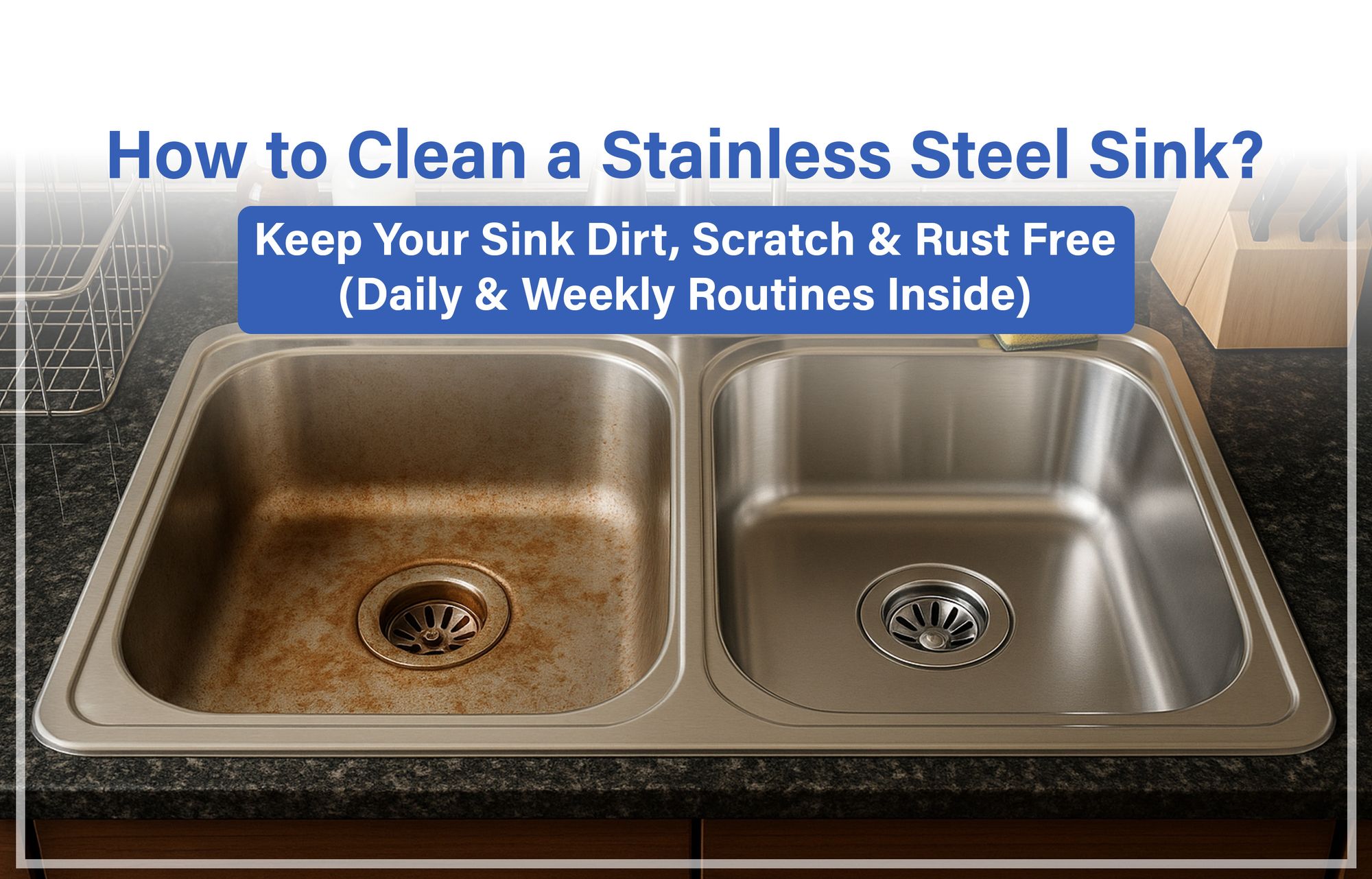
Credit: www.dkhardware.com
Daily Cleaning Routine
Keeping your kitchen sink clean every day helps stop germs from spreading. A simple routine can keep your sink fresh and safe.
Regular cleaning removes food scraps and bacteria. This keeps your kitchen healthier and prevents bad smells.
Simple Soap And Water Wash
Use warm water and mild soap to clean your sink daily. This helps remove dirt and grease easily.
Scrub the sink with a soft sponge or cloth. Pay attention to corners and around the drain where germs hide.
Rinsing And Drying Techniques
Rinse the sink well after washing to remove soap and loosened dirt. Use clean water to flush away residue.
Dry the sink with a clean towel or cloth. This stops water spots and reduces bacteria growth in damp places.
- Use a microfiber cloth for better drying
- Focus on faucet handles and edges
- Dry the drain area thoroughly
Weekly Deep Cleaning
Keeping your kitchen sink clean is important to stop germs and smells. A weekly deep clean helps keep your sink fresh and safe.
Using simple ingredients found at home makes deep cleaning easy and effective. Try these natural cleaning tips for your sink.
Baking Soda And Vinegar Method
Baking soda and vinegar work well to clean and kill germs in your sink. Baking soda scrubs dirt, while vinegar removes bacteria.
Sprinkle baking soda all over the sink. Then pour vinegar over it and let it fizz for a few minutes. Scrub with a sponge and rinse with warm water.
- Sprinkle baking soda on sink surface
- Pour vinegar over baking soda
- Wait 5 minutes for fizzing action
- Scrub with a soft sponge
- Rinse with warm water
Using Lemon And Salt
Lemon and salt also clean your sink well. Lemon juice kills germs and removes bad smells. Salt acts as a natural scrub.
Cut a lemon in half and dip it in salt. Rub the lemon on your sink surface. Let it sit a few minutes, then rinse with water.
- Cut lemon in half
- Dip lemon in salt
- Rub lemon on sink surface
- Wait 5 minutes
- Rinse sink with water

Credit: maggymaid.com
Handling Stains And Odors
Keeping your kitchen sink clean stops germs from spreading. Stains and odors often show bacteria build-up. Regular cleaning helps maintain a fresh and healthy sink.
Use simple methods to remove tough stains and bad smells. These steps make your sink safe and pleasant to use every day.
Removing Tough Stains
Some stains stick to the sink surface and are hard to clean. Use natural cleaners that do not damage your sink.
- Sprinkle baking soda on the stained area.
- Pour a small amount of white vinegar over it.
- Let the mixture bubble and sit for 10 minutes.
- Scrub gently with a soft sponge or cloth.
- Rinse well with warm water.
Eliminating Unpleasant Odors
Bad smells come from trapped food and bacteria in the drain. Clean your sink to remove odors and keep the air fresh.
| Method | How It Works |
| Baking Soda and Vinegar | Neutralizes odors and cleans pipes |
| Lemon Juice | Leaves a fresh scent and removes smells |
| Boiling Water | Flushes out debris causing bad odors |
Disinfecting The Sink
Keeping your kitchen sink germ-free is important for health. Germs can grow quickly in damp areas like sinks.
Regular cleaning and disinfecting help stop the spread of bacteria and viruses in your kitchen.
Choosing The Right Disinfectant
Not all disinfectants work the same on kitchen sinks. Some kill more germs than others.
| Disinfectant Type | Effectiveness | Use Notes |
| Bleach Solution | High | Dilute with water before use |
| Hydrogen Peroxide | Medium | Safe for most surfaces |
| Alcohol (70%) | High | Flammable, keep away from heat |
| Quaternary Ammonium | High | Follow label directions carefully |
Read labels to make sure the disinfectant is safe for your sink material. Test on a small spot first.
Safe Diy Disinfectant Solutions
Homemade disinfectants can be safe and effective. Use common household items to make them.
- Mix 1 cup of water with 1 cup of white vinegar for a mild disinfectant.
- Combine 3% hydrogen peroxide with water in equal parts to kill germs.
- Use lemon juice mixed with baking soda to scrub and disinfect the sink surface.
- Always rinse the sink well after using DIY solutions.
Wear gloves when handling disinfectants to protect your skin. Keep the area well ventilated.
:max_bytes(150000):strip_icc()/fw-tired-of-wet-sponges-and-messy-counters-this-dollar18-oxo-tool-fixes-it-instantly-tout-6fd5c0e5b297459da062b8cb0c7e9b82.jpg)
Credit: www.foodandwine.com
Preventing Future Germ Build-up
Keeping your kitchen sink clean helps stop germs from growing. Germs can hide in food leftovers and wet areas.
Regular care and smart habits will keep your sink fresh and safe for cooking and washing.
Avoiding Food Residue
Food bits left in the sink cause germs to multiply. Removing these bits quickly is important.
- Scrape plates before washing to reduce food scraps
- Rinse the sink with hot water after each use
- Use a sink strainer to catch food particles
- Empty the strainer often to stop buildup
- Clean the drain area to avoid hidden food bits
Regular Maintenance Tips
Routine cleaning stops germs from settling in your sink. Use simple tools and cleaners you have at home.
| Task | How Often | Tools Needed |
| Scrub sink basin | Daily | Soft sponge, mild soap |
| Disinfect sink surface | Weekly | Disinfectant spray or vinegar |
| Clean sink drain | Weekly | Baking soda, hot water |
| Check and clean strainer | Every use | Hands or brush |
Eco-friendly Cleaning Alternatives
Keeping your kitchen sink germ-free is important for health. Using eco-friendly cleaning alternatives helps protect the environment.
Natural products and sustainable habits reduce chemicals and waste. They keep your kitchen clean and safe.
Natural Cleaning Products
Natural cleaning products come from plants or minerals. They avoid harsh chemicals that harm the environment.
Common natural cleaners include vinegar, baking soda, and lemon juice. These items kill germs and remove stains well.
- White vinegar disinfects and removes odors
- Baking soda scrubs without scratching surfaces
- Lemon juice adds a fresh scent and cuts grease
- Castile soap cleans gently and biodegrades easily
Sustainable Cleaning Practices
Using sustainable cleaning practices means reducing waste and saving resources. Small changes make a big difference.
Reuse cloths instead of paper towels. Use cold water to save energy. Clean regularly to avoid heavy scrubbing.
- Wash microfiber cloths and reuse them
- Fill spray bottles with homemade cleaners
- Turn off water while scrubbing the sink
- Clean the sink daily to stop germs from building up
Common Mistakes To Avoid
Keeping your kitchen sink germ-free is important for health. Some common mistakes can make cleaning less effective. Avoiding these errors helps keep your sink safe and clean.
This guide covers two common mistakes: ignoring drain care and using harmful chemicals. Learn how to avoid them for a cleaner sink.
Overlooking Drain Maintenance
Many people clean the sink surface but forget the drain. Germs and food bits build up in drains. This can cause bad smells and blockages.
- Do not ignore regular drain cleaning.
- Use a drain strainer to catch food scraps.
- Flush the drain with hot water weekly.
- Use natural cleaners like baking soda and vinegar.
- Avoid pouring grease or oil down the drain.
Using Harmful Chemicals
Strong chemicals can damage your pipes and harm the environment. They may kill germs but leave harmful residues.
| Chemical Type | Problem | Safe Alternative |
| Bleach | Corrodes pipes | Baking soda and vinegar |
| Drain cleaners | Harsh on plumbing | Boiling water flush |
| Ammonia | Produces toxic fumes | Lemon juice |
Frequently Asked Questions
How Often Should I Clean My Kitchen Sink?
You should clean your kitchen sink daily to prevent germ buildup. Use hot water, soap, and a disinfectant weekly. Regular cleaning stops bacteria and mold growth, keeping your sink safe and hygienic for food preparation.
What’s The Best Disinfectant For Kitchen Sinks?
A bleach solution or white vinegar works best for disinfecting kitchen sinks. Both kill most germs effectively without harsh chemicals. Apply, let sit for a few minutes, then rinse thoroughly with water for a germ-free sink.
Can Kitchen Sinks Harbor Harmful Bacteria?
Yes, kitchen sinks can harbor harmful bacteria like E. coli and Salmonella. Food scraps and moisture create a breeding ground. Frequent cleaning and disinfecting reduce this risk significantly, protecting your family’s health.
How Do I Keep My Sink Drain Germ-free?
To keep your drain germ-free, pour baking soda and vinegar down it weekly. Let it fizz, then flush with hot water. This natural method breaks down buildup and kills bacteria, preventing odors and clogs.
Conclusion
Keeping your kitchen sink clean helps protect your family’s health. Regular scrubbing removes germs and stops bad smells. Use simple tools like brushes and mild soap daily. Rinse well after washing to clear away dirt. Avoid leaving food scraps in the drain.
Small habits make a big difference. A fresh sink means a safer kitchen. Start these easy steps today. You’ll notice a cleaner, healthier space in no time.