

Your kitchen floor is one of the busiest spots in your home. Every day, it faces spills, crumbs, and countless footsteps.
But did you know it can also be a hotspot for germs? Keeping your kitchen floors germ-free is not just about cleanliness—it’s about protecting your health and your family’s well-being. You’ll discover simple, effective tips to make your kitchen floors safer and cleaner than ever before.
Ready to transform your kitchen into a healthier space? Let’s dive in.
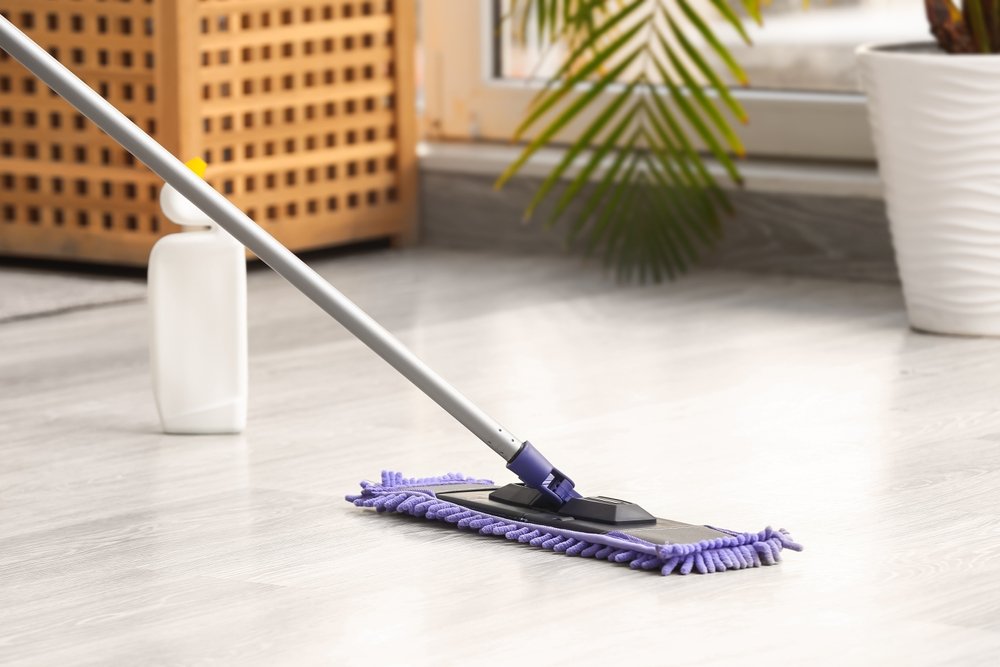
Credit: bettermaid.uk
Importance Of Clean Kitchen Floors
Kitchen floors get dirty fast because of spills and food crumbs. Keeping them clean stops germs from spreading.
Germ-free floors help keep your family healthy and prevent sickness caused by bacteria and viruses.
Prevent Cross-contamination
Dirty floors can transfer germs to your shoes and kitchen tools. This can cause food contamination.
Cleaning floors regularly stops germs from moving around your kitchen and onto your food.
Maintain A Safe Cooking Area
Wet or greasy floors cause slips and falls. Clean floors reduce the risk of accidents while cooking.
Safe floors help you work comfortably and avoid injuries in the kitchen.
Enhance Kitchen Hygiene
Germs thrive in dirty and damp places. Clean floors limit the places germs can grow and multiply.
Regular cleaning keeps your kitchen smelling fresh and looking neat.
Protect Kitchen Flooring
Food stains and spills can damage your kitchen floor over time. Cleaning prevents permanent marks.
Proper care helps your floor last longer and stay in good condition.
Choosing The Right Cleaning Supplies
Keeping kitchen floors clean helps stop germs from spreading. Picking the right supplies makes cleaning easier and more effective.
Good cleaning products and tools remove dirt and kill germs safely. Learn about natural and chemical cleaners and what tools you need.
Natural Vs. Chemical Cleaners
Natural cleaners use ingredients like vinegar and baking soda. They are gentle and safer for people and pets.
Chemical cleaners work fast and kill many germs. Some may irritate skin or smell strong. Use them carefully and follow instructions.
- Natural cleaners: safer, eco-friendly, mild scent
- Chemical cleaners: powerful, fast, may irritate
- Choose based on your needs and floor type
Essential Tools For Floor Cleaning
Using the right tools helps clean floors well and saves time. Some tools remove dirt while others help dry floors.
- Mop: For wet cleaning and scrubbing floors
- Broom: To sweep away loose dirt and crumbs
- Bucket: Holds water and cleaning solution
- Scrub brush: Removes tough stains and grime
- Microfiber cloth: Picks up dust and small particles
Keep your tools clean to avoid spreading germs during cleaning. Replace them regularly for best results.
Daily Cleaning Habits
Keeping kitchen floors clean is important to stop germs from spreading. Daily cleaning helps keep the floor safe and fresh.
Simple habits done every day can make a big difference. This keeps your kitchen floor germ-free and more pleasant to use.
Quick Sweep Techniques
Sweeping your kitchen floor each day removes dirt and crumbs. This stops germs from growing and spreading.
Use a soft broom or a dust mop for quick cleaning. Sweep corners and under cabinets where dirt collects.
- Sweep in small sections to cover the whole floor
- Use short, gentle strokes to avoid spreading dust
- Focus on high-traffic areas like near the sink and stove
- Empty the dustpan immediately to avoid germs returning
Spot Cleaning Spills Immediately
Spills can cause germs to grow quickly. Wipe spills as soon as they happen to stop this.
Use a clean cloth or paper towel to soak up liquids. Clean the area with a mild cleaner afterward.
- Blot spills instead of rubbing to avoid spreading
- Use warm water and gentle soap for sticky spots
- Dry the area well to prevent slippery floors
- Check spills under appliances and furniture too
Weekly Deep Cleaning Routine
Keeping your kitchen floors clean helps stop germs from spreading. A weekly deep cleaning routine makes your kitchen safer and fresher.
Focus on strong cleaning methods and pay attention to areas with lots of foot traffic. This keeps germs away and your floors looking great.
Mopping Methods
Choose the right mop and cleaning solution for your floor type. Use warm water mixed with a gentle cleaner to remove dirt and germs.
Mop in a figure-eight pattern to cover the whole floor evenly. Rinse the mop often to avoid spreading dirt around.
- Use microfiber mops for better dirt removal
- Change mop water when it looks dirty
- Dry floors quickly to prevent slips
Disinfecting High-traffic Areas
High-traffic spots like near the sink and stove collect more germs. Disinfect these areas weekly to keep them clean.
Use a disinfectant spray or solution safe for your floor type. Let it sit for a few minutes before wiping to kill germs effectively.
- Focus on doorways and entry points
- Disinfect areas around trash bins
- Clean under tables and chairs often
Preventive Measures
Keeping kitchen floors germ-free starts with simple steps. These steps stop germs from spreading.
Focus on easy habits that protect your kitchen every day. Small changes help keep floors clean and safe.
Using Door Mats
Door mats catch dirt and germs from shoes before they reach your kitchen floor. Place mats at every entry point.
Choose mats that trap dust and moisture well. Clean mats often to keep them effective and fresh.
- Use absorbent mats to catch wet dirt
- Shake or vacuum mats regularly
- Replace mats if they get worn out
Encouraging No-shoe Policy
Ask family members and guests to remove shoes before entering the kitchen. Shoes carry germs from outside.
Keep a shoe rack or shelf near the door. Offer slippers or clean socks for indoor use to make guests comfortable.
- Explain why no shoes help keep floors clean
- Keep the shoe area tidy and easy to use
- Remind visitors gently about the policy

Credit: clean2shine.in
Handling Different Floor Types
Keeping kitchen floors germ-free is important for a clean home. Different floor types need different care. Understanding how to clean each floor helps keep germs away and protects your floor.
Using the right cleaning methods for your floor type stops damage. It also makes your cleaning routine more effective. Here are tips for tile, hardwood, and laminate floors.
Tile Floor Care
Tile floors are strong and easy to clean. Use a mop with warm water and a mild cleaner to remove dirt and germs. Avoid harsh chemicals that can harm the grout.
Clean grout lines often to stop germs from building up. A soft brush and a baking soda paste work well for grout cleaning. Dry the floor to prevent mold growth.
- Sweep or vacuum daily to remove loose dirt
- Mop with warm water and gentle cleaner
- Scrub grout with baking soda paste once a week
- Dry floors thoroughly after cleaning
Hardwood Floor Maintenance
Hardwood floors need gentle care to stay germ-free. Use a soft broom or vacuum without a beater bar to remove dust. Clean spills quickly to avoid stains and damage.
Use a damp mop with a cleaner made for hardwood floors. Avoid soaking the floor with water. Dry the floor after mopping to keep wood safe and clean.
- Sweep or vacuum regularly with a soft attachment
- Wipe spills immediately to prevent stains
- Mop with a damp cloth and hardwood-safe cleaner
- Dry floors after mopping to prevent water damage
Laminate Floor Considerations
Laminate floors look like wood but need different care. Avoid using too much water. Clean with a dry mop or cloth to remove dust and crumbs.
Use a cleaner made for laminate floors to kill germs. Do not use abrasive tools or wax-based products. Dry the floor well after cleaning to keep it in good shape.
- Remove dust with a dry mop or soft cloth
- Use laminate floor cleaner for mopping
- Avoid excess water or steam cleaning
- Keep floors dry to prevent swelling or damage
Signs Your Floor Needs More Attention
Kitchen floors can hide germs that cause illness. Keeping them clean is important for health.
Knowing when your floor needs extra care helps stop germs from spreading in your home.
Identifying Stubborn Stains
Stains that do not come off with regular cleaning may hold bacteria. These spots need special attention.
Look for dark marks, sticky patches, or discoloration that stay after mopping or wiping.
- Grease stains from cooking oils
- Spills from sugary drinks or sauces
- Footprints with dirt or mud
- Food crumbs that get ground in
Recognizing Lingering Odors
Bad smells on the floor can mean germs or mold are growing. Clean floors should not smell bad.
If your kitchen floor smells sour, musty, or like rotten food, it needs deeper cleaning.
- Check around the sink and trash area
- Smell near corners where water may collect
- Notice if the odor returns quickly after cleaning
Benefits Of Germ-free Floors
Keeping kitchen floors germ-free helps create a clean space for cooking. Germs on floors can spread to food and surfaces.
Regular cleaning removes bacteria and keeps the kitchen safe for your family. Germ-free floors also look better and last longer.
Health Advantages
Germ-free floors lower the risk of illnesses caused by bacteria and viruses. This is very important in kitchens where food is prepared.
Cleaning floors often stops germs from spreading to pets, children, and adults. It helps prevent allergies and infections.
- Reduces harmful bacteria and viruses
- Prevents food contamination
- Protects children and pets from germs
- Lowers chances of allergies and infections
Enhanced Kitchen Aesthetics
Clean floors make the kitchen look neat and welcoming. Germ-free surfaces show that you care about hygiene and order.
Shiny, spotless floors reflect light well and brighten the room. This improves the kitchen’s overall appearance.
- Gives a tidy and fresh look
- Shows good hygiene habits
- Makes space feel brighter and larger
- Helps maintain floor quality over time

Credit: www.liverpoolecho.co.uk
Frequently Asked Questions
How Often Should I Clean Kitchen Floors To Stay Germ-free?
Clean kitchen floors daily or after spills to prevent germ buildup. Regular mopping with disinfectants removes bacteria effectively. High-traffic areas may need more frequent cleaning to maintain hygiene.
What Are The Best Disinfectants For Kitchen Floors?
Use disinfectants like diluted bleach, hydrogen peroxide, or vinegar solutions. These are effective against most kitchen germs. Always follow product instructions and test on a small floor area first.
Can Mopping Alone Keep Kitchen Floors Germ-free?
Mopping removes dirt and some germs but may not kill all bacteria. Using disinfectant solutions during mopping ensures thorough germ elimination. Dry floors quickly to prevent microbial growth.
Should I Use A Steam Cleaner For Kitchen Floors?
Steam cleaners kill germs effectively without chemicals and are safe on many floor types. Use them regularly for deep cleaning. Always check manufacturer guidelines before use on delicate surfaces.
Conclusion
Keeping kitchen floors clean helps stop germs from spreading. Clean spills quickly to avoid sticky spots. Use a mop and safe cleaner often. Pay attention to corners and under cabinets. Regular cleaning keeps your kitchen safe and fresh. Small habits make a big difference every day.
Healthy floors mean a healthier home for all. Stay consistent, and germs won’t stand a chance.