
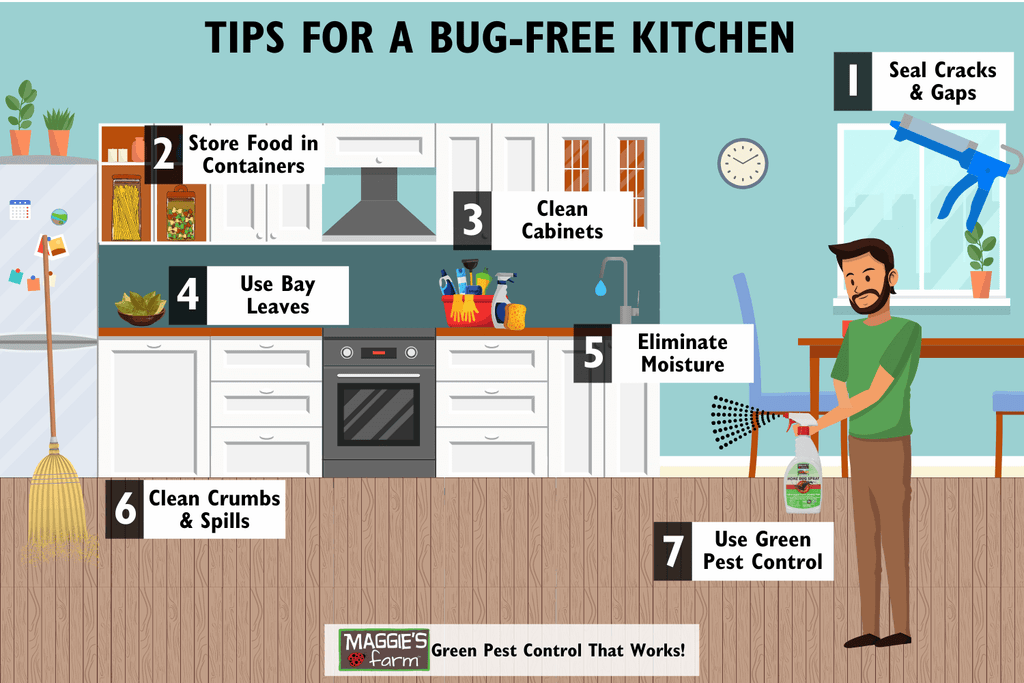
Is your kitchen always dusty no matter how often you clean? Dust in the kitchen isn’t just annoying—it can affect your food, appliances, and even your health.
Imagine cooking in a spotless space where dust doesn’t settle on your counters or appliances. Wouldn’t that make your daily routine easier and more enjoyable? You’ll discover simple, practical tips that help you keep your kitchen dust-free. By the end, you’ll know exactly what to do to maintain a cleaner, fresher kitchen every day.
Keep reading to find out how small changes can make a big difference for your home.
Regular Cleaning Routine
Keeping your kitchen dust-free helps maintain a clean and healthy space. A regular cleaning routine is key to reducing dust buildup.
Simple daily and weekly tasks can keep dust under control. Consistency makes a big difference in kitchen cleanliness.
Daily Wipe-downs
Wiping down surfaces every day stops dust from settling. Focus on counters, tables, and cabinet fronts.
Use a damp cloth or microfiber towel for best results. Avoid dry dusting as it can spread dust into the air.
- Clean kitchen counters after meal prep
- Wipe stove knobs and handles
- Dust cabinet doors and light switches
- Keep sink area clean and dry
Weekly Deep Clean
Once a week, do a thorough dusting and cleaning. This removes dust in hard-to-reach places.
Focus on vents, tops of cabinets, and window sills. Clean small appliances and kitchen gadgets too.
- Dust light fixtures and ceiling fans
- Vacuum or mop kitchen floors
- Clean inside and behind appliances
- Wipe down walls and baseboards

Credit: www.esfi.org
Efficient Dusting Techniques
Keeping your kitchen dust-free is easier with the right tools and methods. Dust can hide in small corners and on surfaces you use every day.
Using efficient dusting techniques helps keep your kitchen clean and safe from allergens. Focus on tools that trap dust well and reach tricky spots.
Microfiber Cloths
Microfiber cloths trap dust better than regular cloths. They hold onto dust instead of spreading it around.
- Use dry microfiber cloths to dust surfaces gently.
- For sticky spots, slightly dampen the cloth with water.
- Wash cloths regularly to keep them effective.
- Fold the cloth to use clean sides as you dust.
- Use different cloths for kitchen and other rooms.
Dusting With Vacuum Attachments
Vacuum attachments help remove dust from hard-to-reach places. They work well on vents, corners, and shelves.
| Vacuum Attachment | Best Use |
| Brush Tool | Delicate surfaces like light fixtures |
| Crevice Tool | Narrow gaps and corners |
| Upholstery Tool | Chair cushions and fabric surfaces |
Organizing Kitchen Spaces
A clean and organized kitchen helps keep dust away. Clutter and poor storage invite dust to settle.
Use smart organizing tips to keep your kitchen dust-free and easy to clean.
Decluttering Counters
Clear kitchen counters of items you don’t use daily. More open space means less dust collects.
Keep only essential tools and appliances on the counters. Store everything else away.
- Put away small appliances after use
- Limit decorative items on counters
- Store utensils in drawers or holders
- Clean counters regularly to stop dust buildup
Proper Storage Solutions
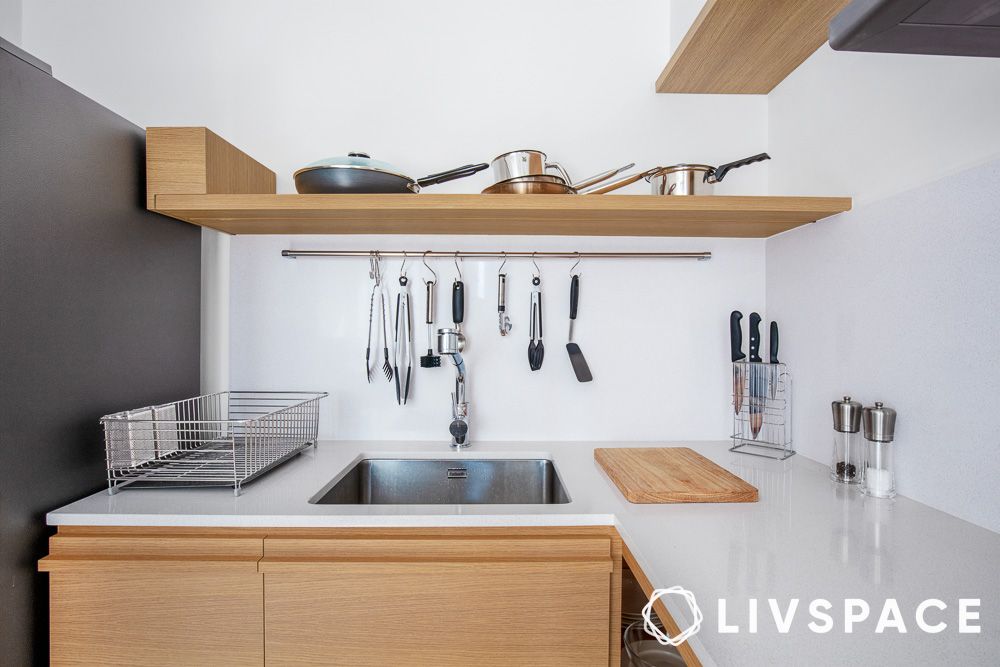
Use closed cabinets and containers to protect items from dust. Open shelves collect dust quickly.
Organize pantry goods and kitchen tools in sealed boxes or jars. Label containers for easy access.
- Choose airtight containers for dry foods
- Store rarely used items in upper cabinets
- Use drawer dividers to keep utensils tidy
- Keep cleaning supplies in a designated cabinet
Credit: www.livspace.com
Managing Air Quality
Keeping your kitchen dust-free starts with good air quality. Clean air helps reduce dust buildup on surfaces.
Managing air quality can lower allergens and make your kitchen healthier for cooking and eating.
Using Air Purifiers
Air purifiers remove dust particles from the air. They help keep your kitchen cleaner and easier to maintain.
Choose an air purifier with a HEPA filter to trap small dust and allergens effectively.
- Place the purifier near cooking areas or vents
- Run it regularly, especially during cooking times
- Clean or change filters as recommended
Ventilation Tips
Good ventilation helps move dust and smoke out of the kitchen. It also brings in fresh air to reduce dust buildup.
Use exhaust fans or open windows to keep air flowing while cooking or cleaning.
- Turn on the exhaust fan before cooking
- Open windows to create cross-ventilation
- Keep vents clean and free of dust
Preventive Measures
Keeping kitchen dust-free helps maintain a clean and healthy space. Dust can settle on surfaces and appliances quickly. Taking preventive steps lowers dust buildup and keeps your kitchen fresh.
Simple habits and small changes can stop dust from spreading. Focus on using covers and sealing entry points to reduce dust in your kitchen.
Using Dust Covers
Dust covers protect appliances and utensils from dust settling on them. Use covers on items not used daily to keep them clean longer.
- Cover small appliances like toasters and mixers after use.
- Use lids or cloths to cover bowls and containers on counters.
- Store rarely used items in closed cabinets or containers.
- Choose dust-proof covers made from breathable fabric for best results.
Sealing Gaps And Cracks
Dust enters the kitchen through small openings. Sealing gaps and cracks lowers dust flow and improves air quality.
| Common Dust Entry Points | Sealing Tips |
| Window frames | Use weatherstripping or caulk around edges |
| Door gaps | Install door sweeps or foam seals at bottom |
| Cabinet cracks | Apply silicone sealant or wood filler |
| Wall vents | Cover with dust filters or screens |

Credit: blueteatile.com
Natural Dust-repellent Solutions
Keeping your kitchen dust-free can be easier with natural solutions. These options avoid harsh chemicals and protect your home environment.
Natural dust repellents help reduce dust buildup and make cleaning simpler. They also add a fresh scent to your kitchen.
Diy Cleaning Sprays
Making your own cleaning spray is simple and budget-friendly. You can use natural ingredients that repel dust and clean surfaces safely.
Mix water with ingredients like vinegar, lemon juice, or baking soda to create a spray that cleans and reduces dust.
- Combine equal parts water and white vinegar in a spray bottle
- Add a tablespoon of lemon juice for a fresh scent
- Shake well before each use
- Spray on kitchen surfaces and wipe with a clean cloth
Essential Oils For Dust Control
Essential oils have natural properties that help keep dust away. Use oils like eucalyptus, lavender, or tea tree in your cleaning routine.
Add a few drops of essential oils to your DIY sprays or use them with a diffuser to reduce dust and freshen the air.
- Eucalyptus oil helps reduce dust mites
- Lavender oil adds a pleasant aroma and repels dust
- Tea tree oil has antibacterial properties
- Mix 10 drops of essential oil with water in a spray bottle for cleaning
Maintaining Appliances
Keeping your kitchen dust-free starts with clean appliances. Dust can settle on and inside machines, causing problems.
Regular care of appliances helps keep dust away and keeps them working well for longer.
Cleaning Exhaust Fans
Exhaust fans pull air out of the kitchen but also collect dust and grease. Cleaning them stops dust from spreading.
Remove the fan cover carefully. Use a soft brush or cloth to wipe dust and grease from the blades.
- Turn off power before cleaning
- Use mild soap and water for grease
- Dry all parts fully before reassembling
- Clean fans every month to prevent buildup
Regular Maintenance Of Filters
Filters in kitchen appliances catch dust and dirt. Dirty filters let dust pass through and lower air quality.
Check filters often and clean or replace them as needed. This keeps dust out and helps appliances work well.
- Remove filters carefully
- Wash reusable filters with warm water and soap
- Replace disposable filters on schedule
- Keep a maintenance calendar to track filter care
Frequently Asked Questions
How Can I Prevent Dust Buildup In My Kitchen?
Regularly wipe surfaces with a damp cloth to trap dust effectively. Clean floors and corners weekly. Use air purifiers to reduce airborne dust. Declutter countertops to limit dust collection spots. Proper ventilation also helps minimize dust accumulation in your kitchen.
What Are The Best Tools To Clean Kitchen Dust?
Microfiber cloths are ideal for trapping dust without spreading it. Use a vacuum with a HEPA filter for floors and vents. Soft brushes help clean small appliances and hard-to-reach areas. Avoid dry dusters as they often just move dust around.
How Often Should I Clean Kitchen Surfaces To Reduce Dust?
Wipe down kitchen surfaces at least twice a week. Floors should be swept or vacuumed every few days. Clean air vents and filters monthly. Regular cleaning prevents dust buildup and keeps your kitchen fresh and hygienic.
Does Kitchen Ventilation Affect Dust Levels?
Yes, good ventilation reduces dust by improving airflow. It helps remove airborne particles and moisture. Use exhaust fans while cooking to minimize dust and grease. Open windows when possible to increase fresh air circulation.
Conclusion
Keeping your kitchen dust-free takes small, regular steps. Clean surfaces often and use a damp cloth to catch dust better. Store items in closed containers to stop dust buildup. Ventilate the room well to lower dust in the air. These habits help maintain a fresh, clean kitchen space.
You will enjoy cooking and eating in a dust-free area. Start today and see the difference in your kitchen’s cleanliness. Simple actions lead to a healthier home. Dust control is easy with the right habits.